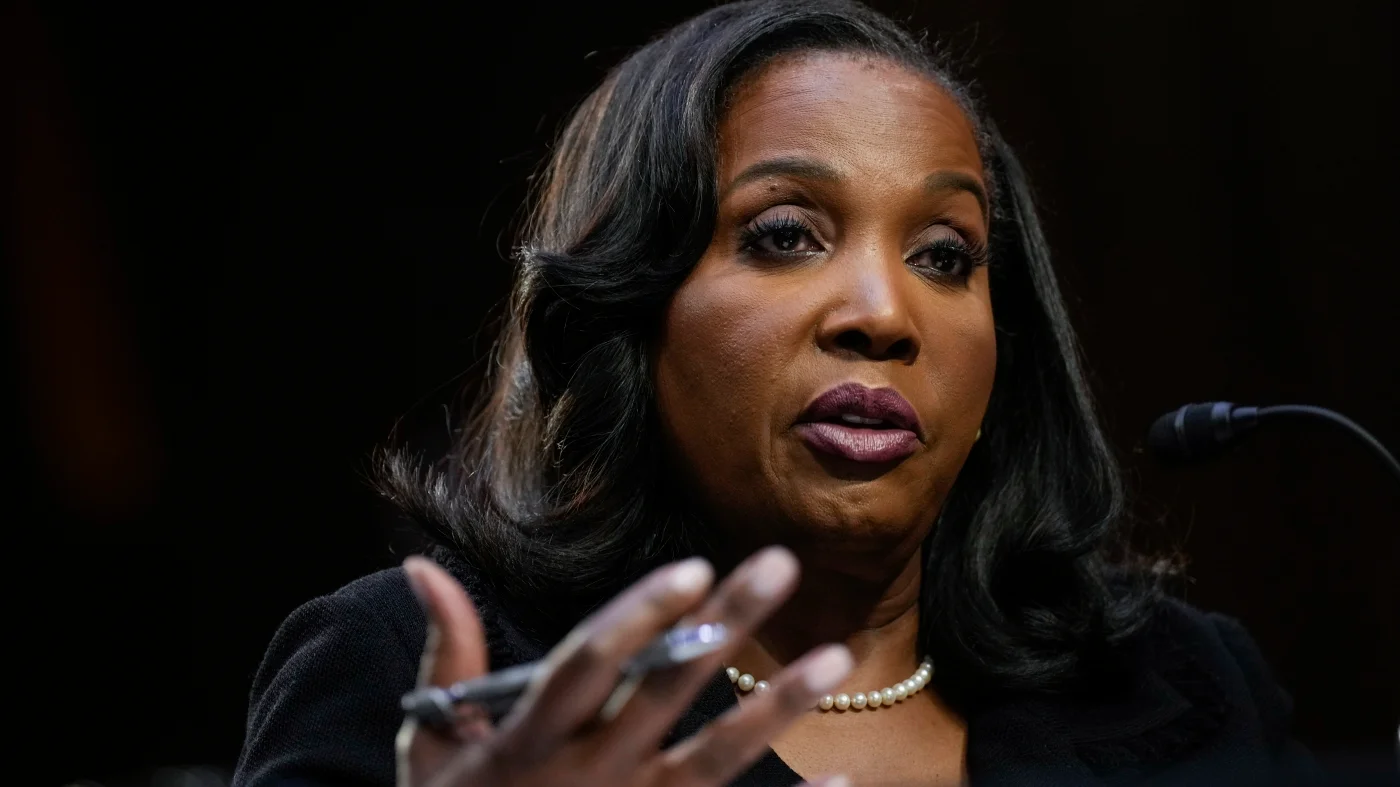
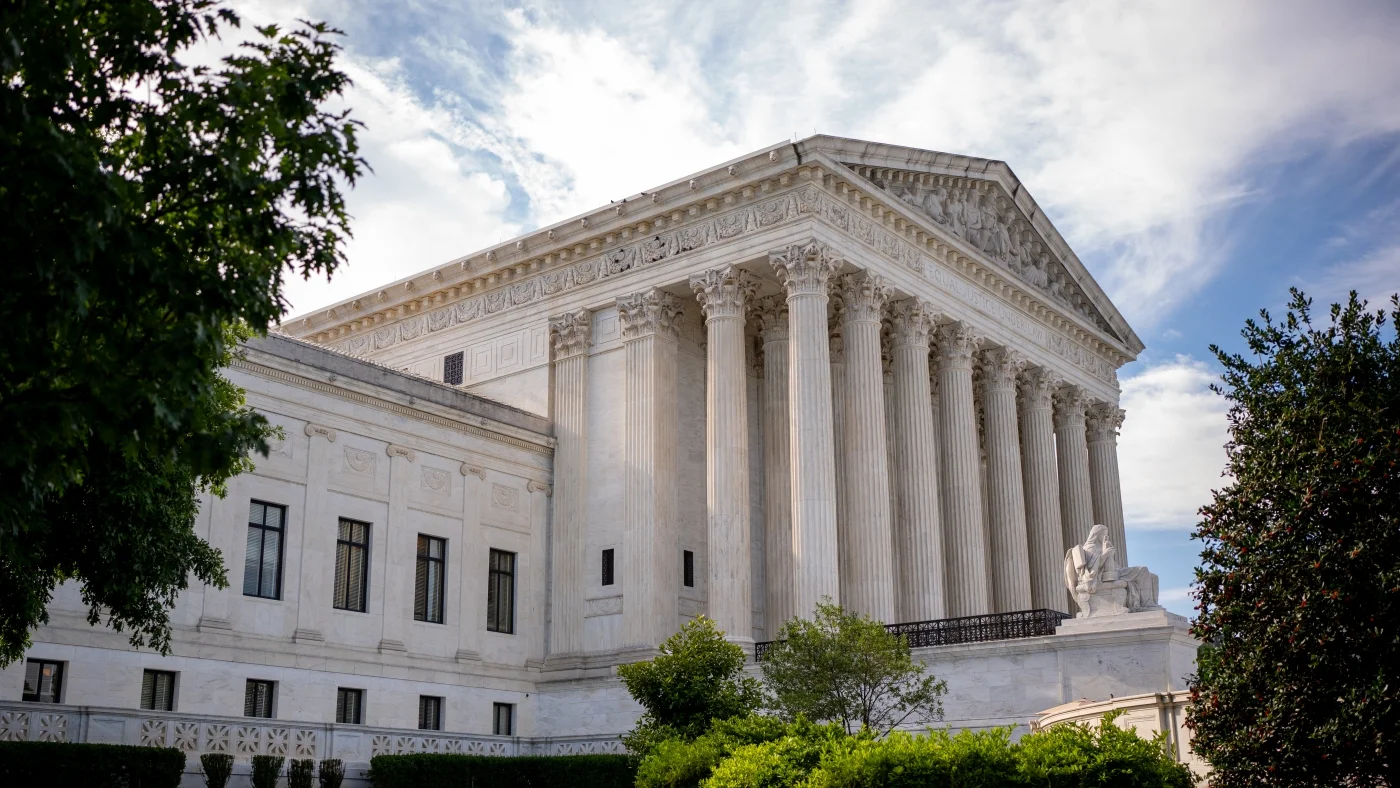
The Supreme Court has temporarily blocked President Trump from firing Federal Reserve Governor Lisa Cook, allowing her to remain in her position until the court hears oral arguments in January, highlighting the court's cautious approach to presidential influence over independent agencies.
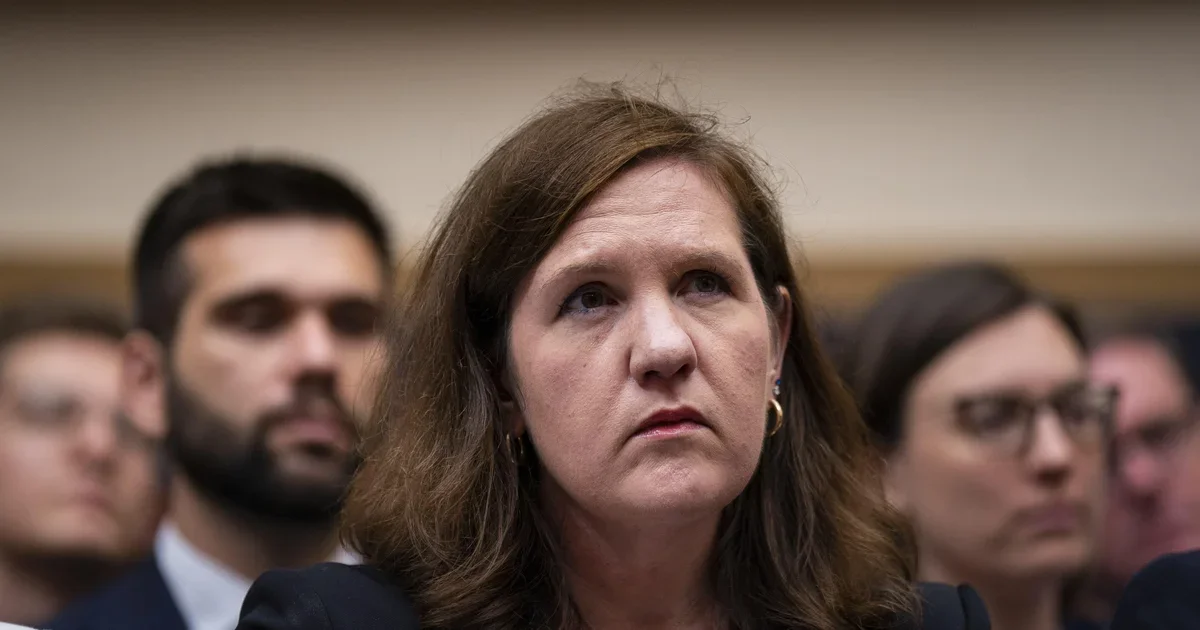
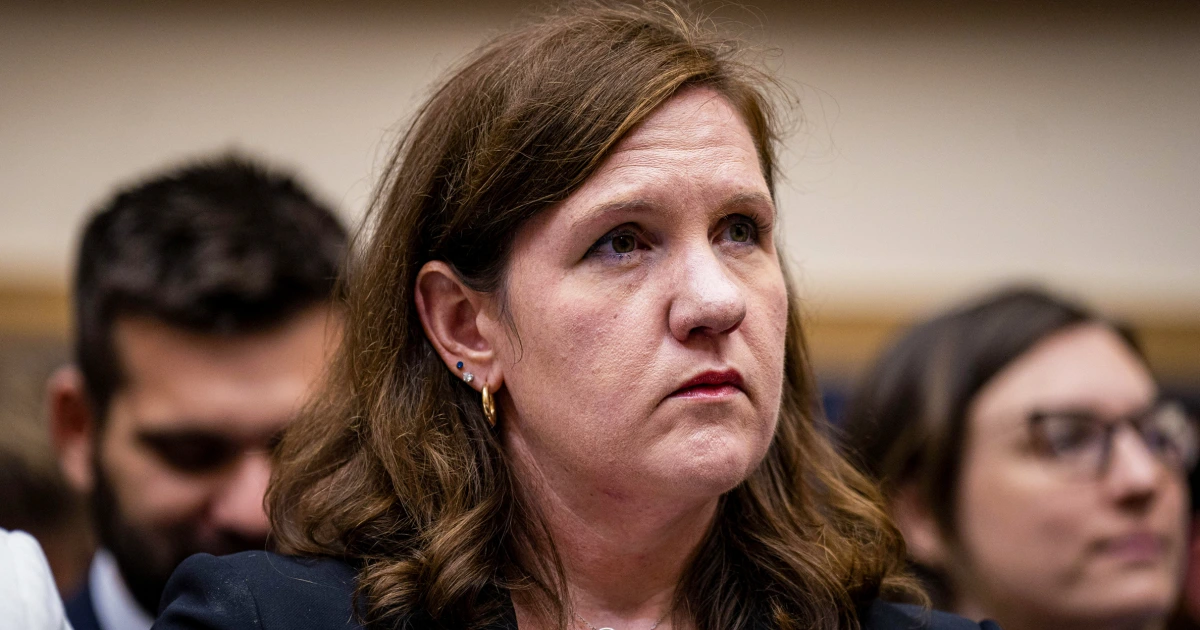
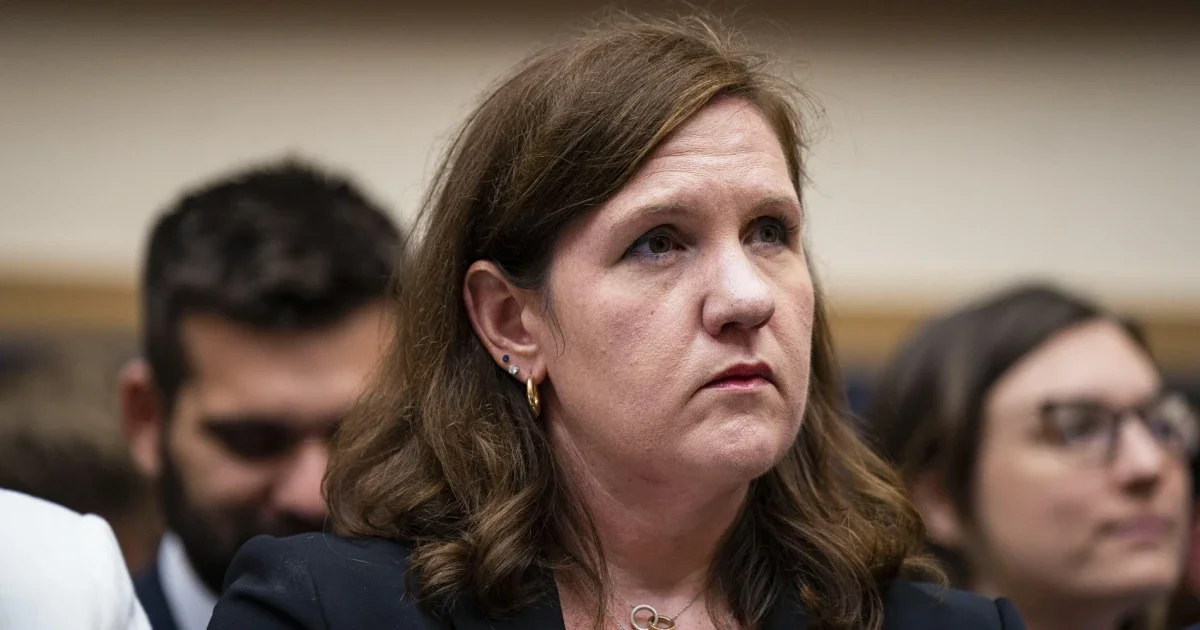
The Supreme Court will decide whether President Trump can fire FTC commissioners without cause, a case that tests the separation of powers and the 1935 precedent protecting agency independence, following Trump's attempt to oust FTC member Rebecca Kelly Slaughter. The Court's decision could impact the authority of the president over independent agencies and the legal protections for their members.
The Supreme Court will decide whether President Trump can fire FTC member Rebecca Kelly Slaughter, challenging a 1935 ruling that limits presidential power over independent agency officials, with implications for federal agency independence and separation of powers.
The Supreme Court temporarily allowed President Trump to fire FTC commissioner Rebecca Kelly Slaughter, challenging a long-standing 1935 precedent that protected agency members from being dismissed without cause, amid ongoing legal disputes about presidential control over independent agencies.
Lisa Cook, a Federal Reserve Board governor, is challenging efforts by the Trump administration to fire her over mortgage fraud allegations, arguing that her independence and prior disclosures during her appointment process protect her from removal without cause, and that the allegations are pretextual and known before her appointment.
President Trump’s attempt to remove Fed Governor Lisa Cook for cause is likely headed to the Supreme Court, raising questions about the independence of the Federal Reserve and the limits of presidential power over independent agencies, with legal battles centering on whether her alleged misconduct justifies her removal.
The Supreme Court allowed President Trump to fire three Democratic appointees from the Consumer Product Safety Commission, challenging a 90-year-old precedent that protected the independence of certain regulatory agencies, with the decision reflecting a shift in the balance of power between the presidency and independent agencies.
The Supreme Court upheld President Trump's authority to fire the three Democratic appointees of the Consumer Product Safety Commission, signaling a view that the president has broad power to remove agency leaders, even those in independent agencies created by Congress to operate free from political influence.
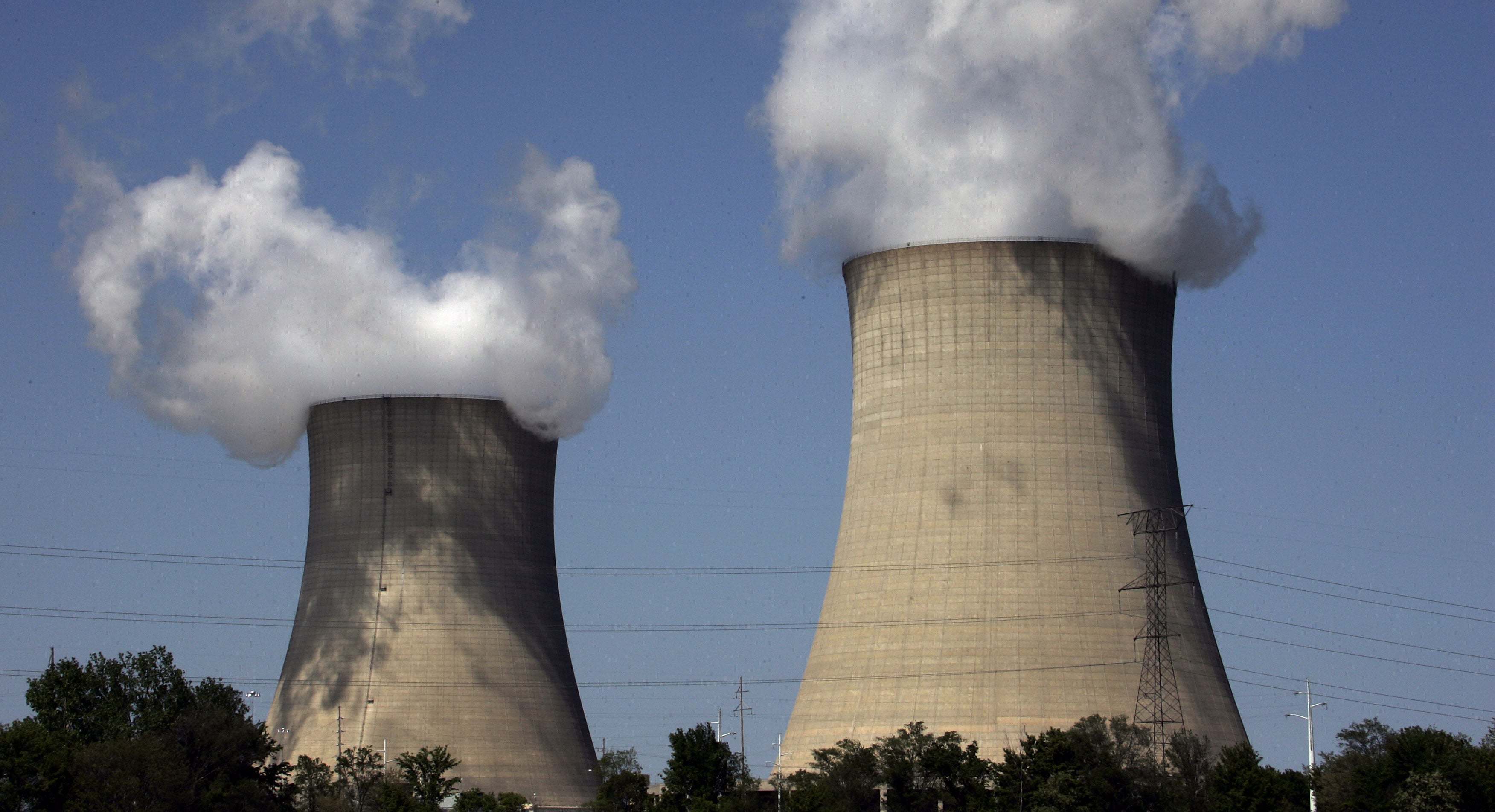
President Donald Trump has removed Democratic appointee Christopher Hanson from the Nuclear Regulatory Commission, asserting control over independent agencies, despite Hanson’s claim that his removal was without cause and contrary to law. This move aligns with Trump’s broader efforts to exert influence over independent agencies, supported by recent Supreme Court decisions.
Donald Trump and his allies are planning to increase presidential power if he is reelected in 2025, aiming to concentrate greater authority in the hands of the president. Their plans include bringing independent agencies under direct presidential control, reviving the practice of "impounding" funds, stripping employment protections from career civil servants, and removing officials from intelligence agencies, the State Department, and defense bureaucracies. Trump's campaign website and policy proposals outline these intentions, which are part of a broader effort to reshape the executive branch and dismantle what they view as a "rogue administrative state." Critics argue that these plans would undermine democratic checks and balances and could lead to chaos and conflicts with Congress and the courts.