Syria's President Ahmed al-Shara announced that negotiations with Israel over a border security agreement are progressing and could be finalized within days, marking a potential shift towards easing decades of hostility with Israel, facilitated by U.S. mediation.
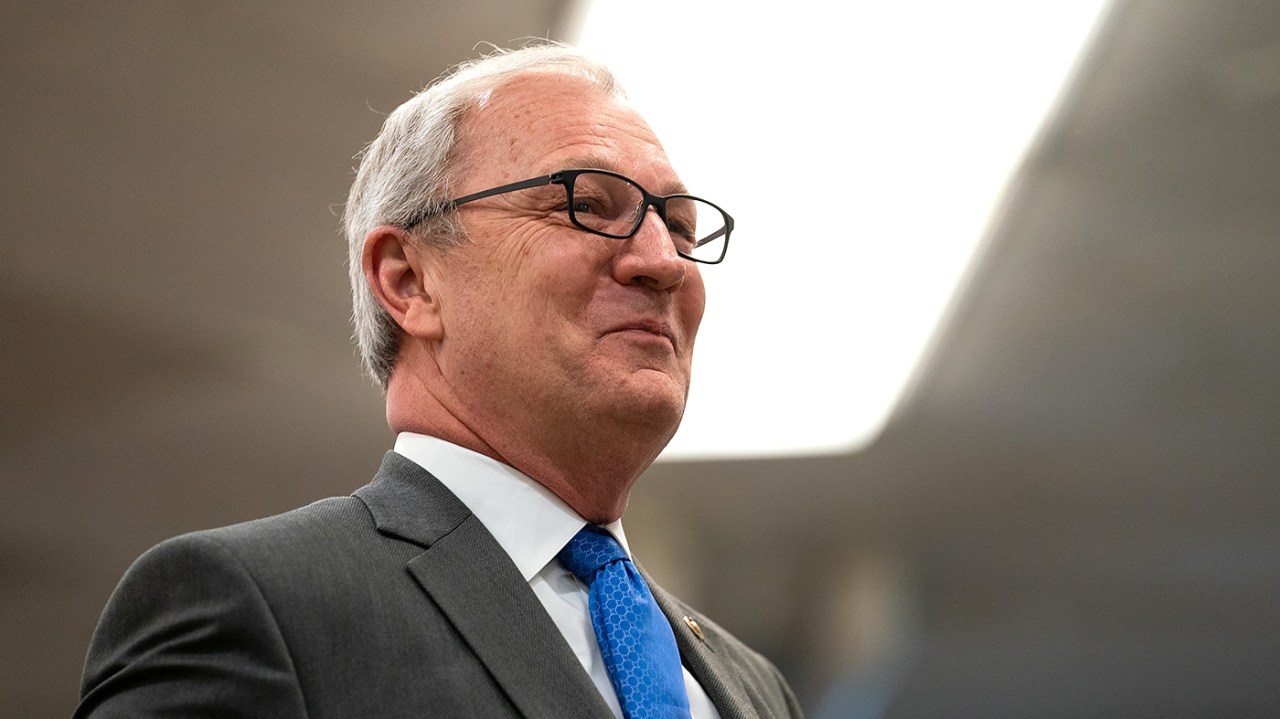
Sen. Kevin Cramer (R-N.D.) criticized President Biden's anticipated executive order to limit migrant numbers at the southern border, suggesting it could alienate Democrats and is a reaction to voter concerns ahead of the election. Cramer argued that Biden's action is an admission that he could have addressed the border crisis earlier. The White House has urged Senate Democrats to support its border security bill, which has been blocked by Republicans twice. House Speaker Mike Johnson (R-La.) called Biden's expected order "too little too late."
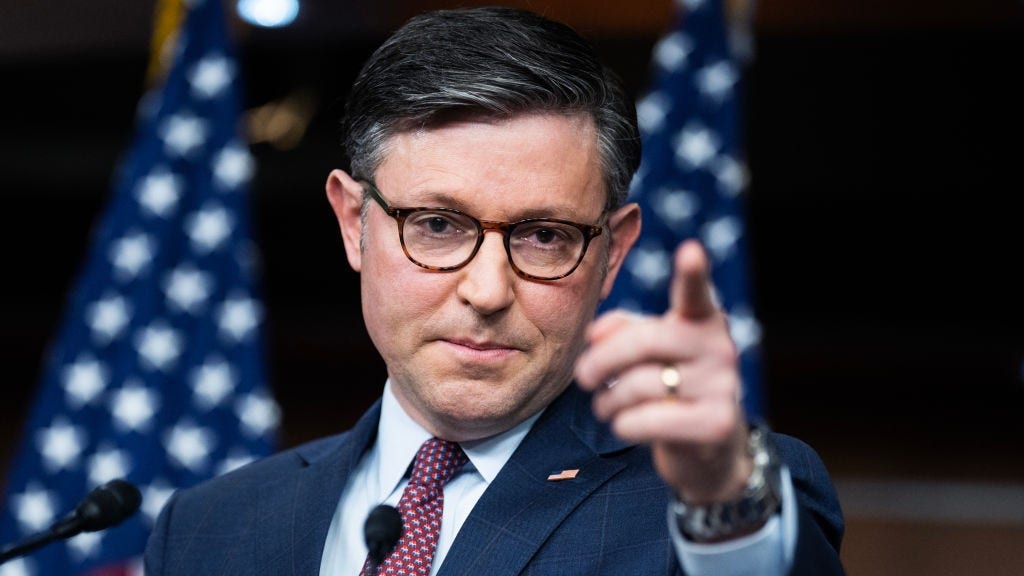
The White House faced criticism for posting a Valentine's Day meme mocking House Speaker Mike Johnson over the failed border deal, with critics highlighting Biden administration policies exacerbating the southern border crisis. President Biden urged Johnson to bring a bipartisan national security bill to the House, while the Senate passed a $95 billion national security package without border measures.
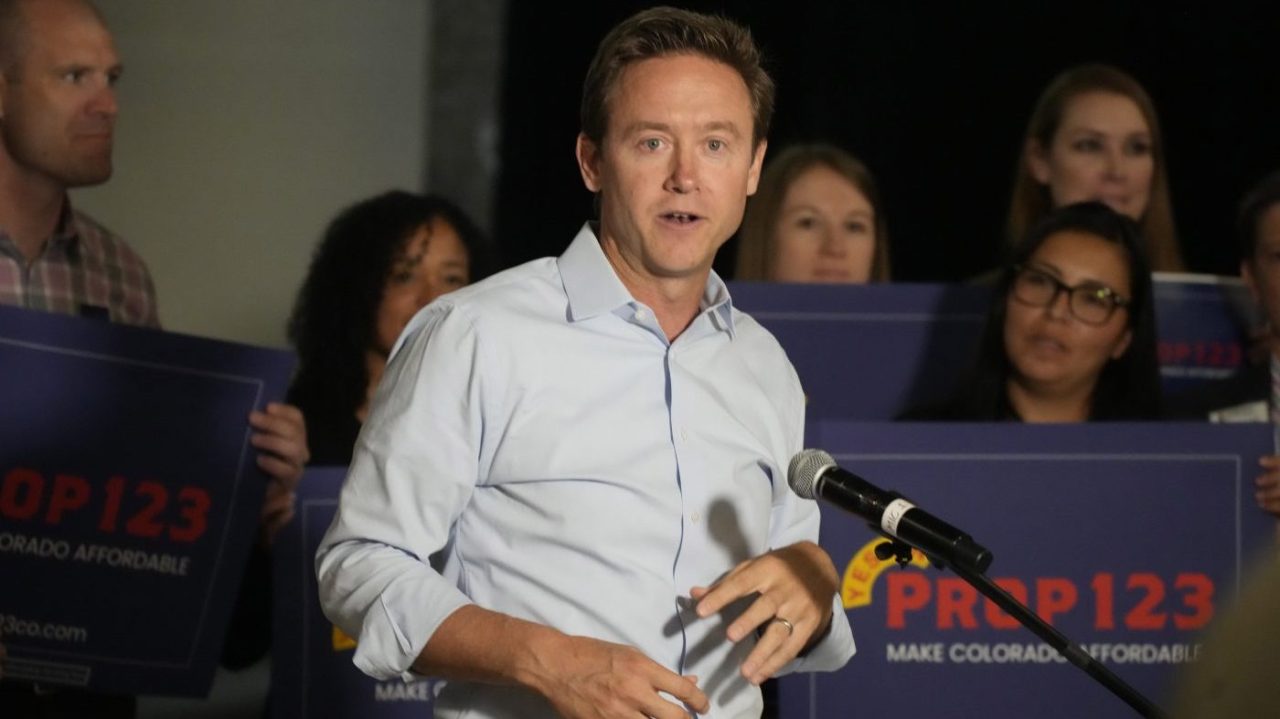
Denver Mayor Mike Johnston blames Republican leaders for the collapse of a bipartisan border deal, stating that it will have a devastating impact on the city's ability to provide services for newcomers. He expressed frustration with the Senate's failure to pass the deal and criticized former President Trump and Republican leaders for prioritizing electoral gains over solving the issues facing cities and the border. With the city reporting over 38,000 migrants served and more than 3,500 housed, Johnston announced cuts to city services due to the lack of federal aid, warning that Denver is nearing its "breaking point."
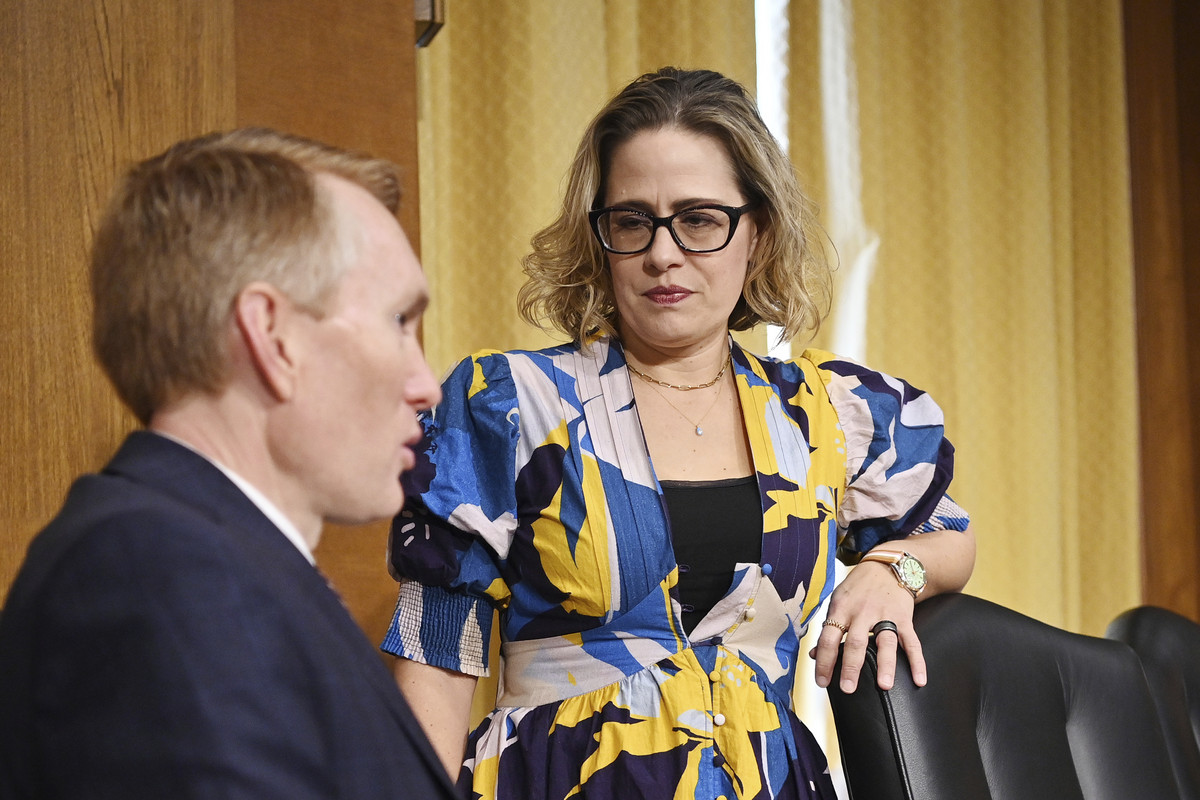
Senators Lindsey Graham and Kyrsten Sinema clashed on the Senate floor over a bipartisan border deal, with Graham expressing opposition and Sinema expressing frustration at his blocking of the bill. The heated exchange involved accusations of a lack of willingness to allow amendments and a failure to adequately address border security. The bill, which also included aid to Ukraine and Israel, failed to advance in the Senate, with former President Donald Trump urging GOP lawmakers not to support it.
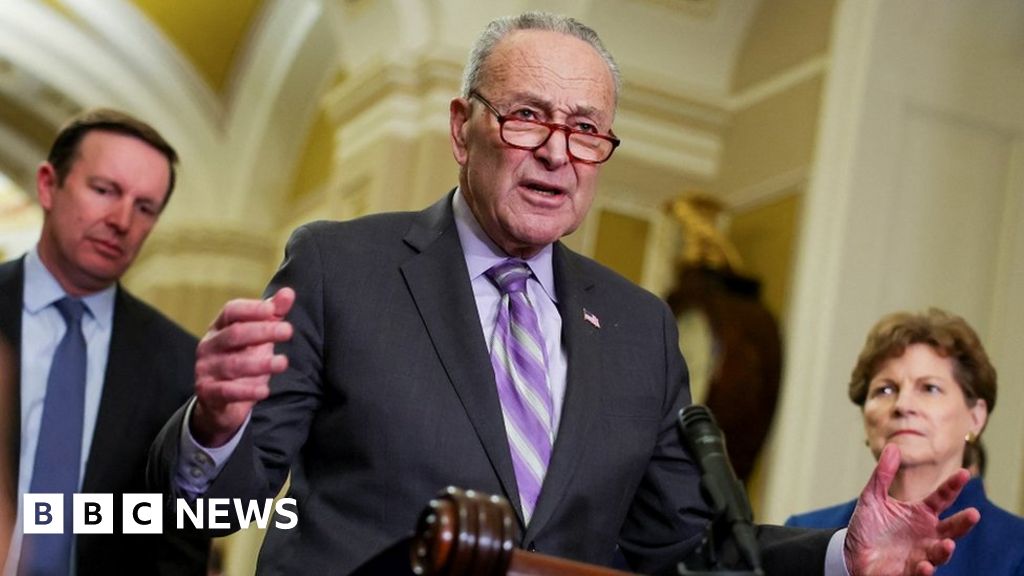
The US Senate rejected a bipartisan border deal that included aid for Ukraine and Israel, prompting lawmakers to scramble to salvage the military aid package. Senate Majority Leader Chuck Schumer proposed a new bill that strips out immigration measures while leaving the foreign aid intact, including $60bn for Ukraine and $14.1bn in security assistance for Israel. The failed compromise collapsed after Donald Trump urged Republicans to block it, and negotiations are ongoing to fashion a new version of the legislation.
The Senate GOP blocked a comprehensive national security and border reform package, which included over $60 billion in aid for Ukraine and $14 billion for Israel, leading to uncertainty about the future of aid for Ukraine and Israel. The bill faced opposition from both Republicans and Democrats, with concerns about its impact on the border crisis and immigration. The Senate will proceed to another vote on the national security aid without the border reforms, as lawmakers express the need to address funding for Ukraine, Israel, and other national security priorities.
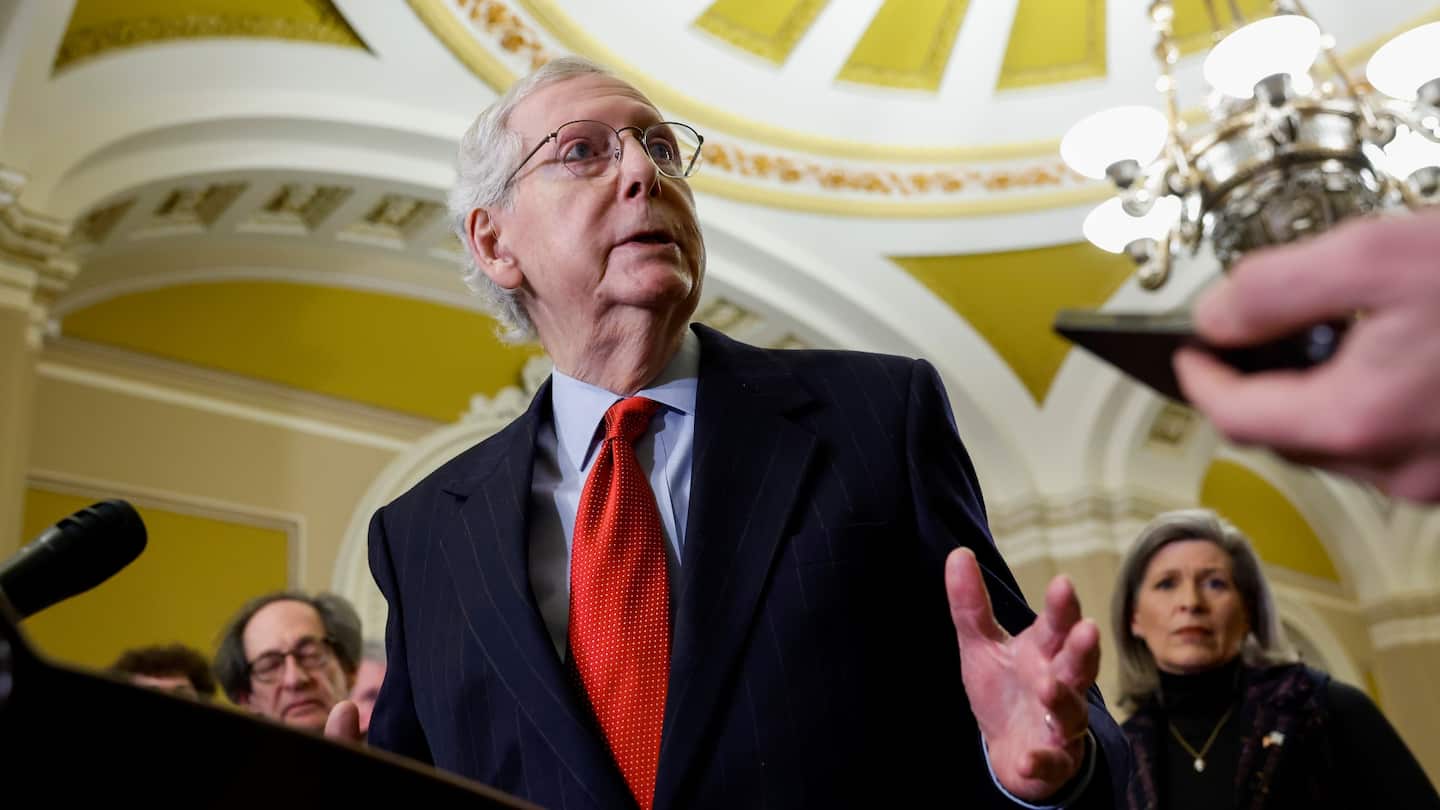
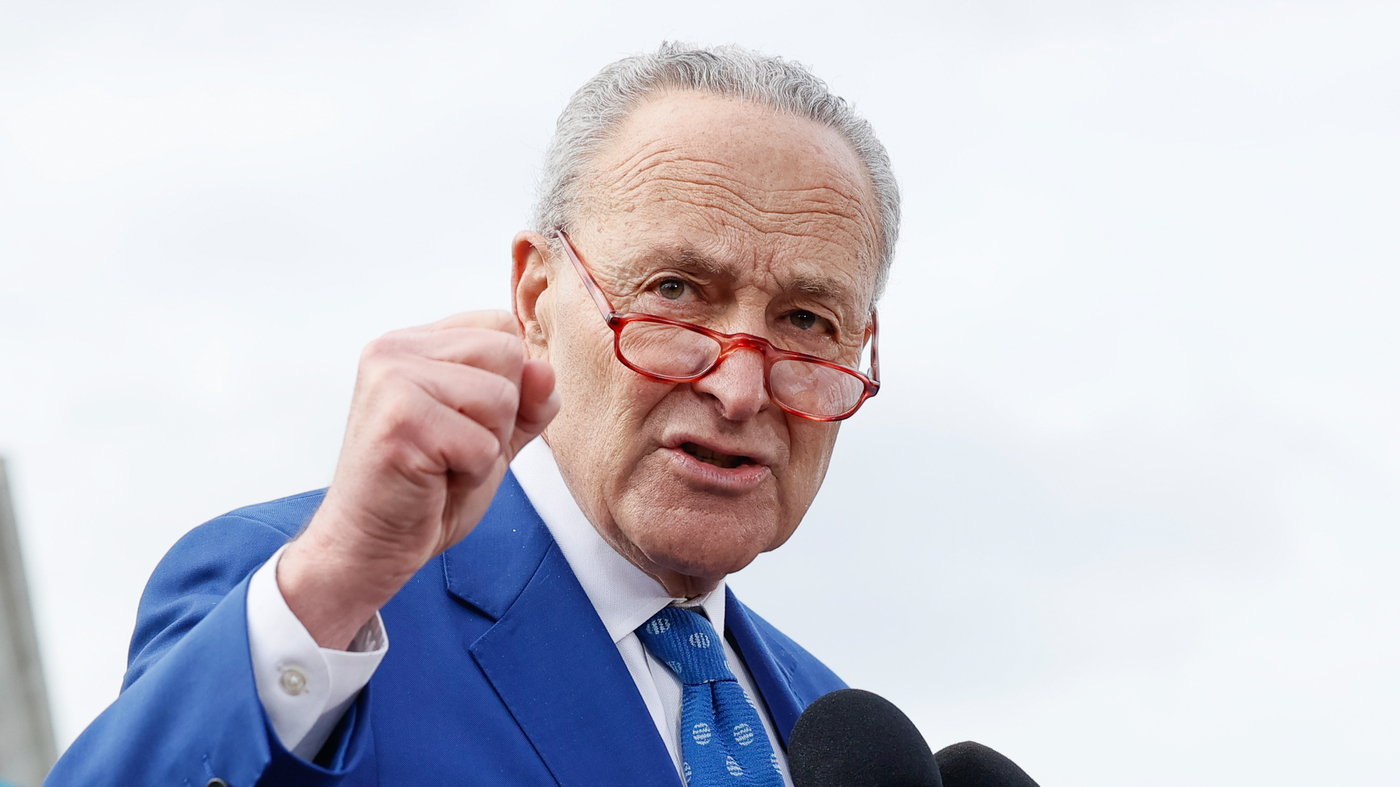
Senate Majority Leader Chuck Schumer plans to move a bill to approve additional aid for Ukraine and Israel after a procedural vote on a bipartisan border deal is expected to fail due to GOP opposition. Schumer criticized Republicans for demanding that aid to Ukraine be linked to changes in border policies, only to walk away from a bipartisan proposal. The top Senate Republican, Mitch McConnell, signaled support for the legislation supporting key allies, while former President Trump's influence led many Senate Republicans to reverse their stance on the border deal. If the Senate approves the national security funding bill, it's unclear whether it could pass the House, where there is opposition to additional U.S. assistance for Ukraine.
President Biden accuses former President Trump of sabotaging a bipartisan immigration agreement for political gain, urging congressional Republicans to stand up to Trump. The deadlock not only paralyzed the immigration debate but also imperiled security assistance for Ukraine and Israel. Speaker Mike Johnson's attempt to advance aid to Israel alone faced resistance, prompting President Biden to threaten a veto.
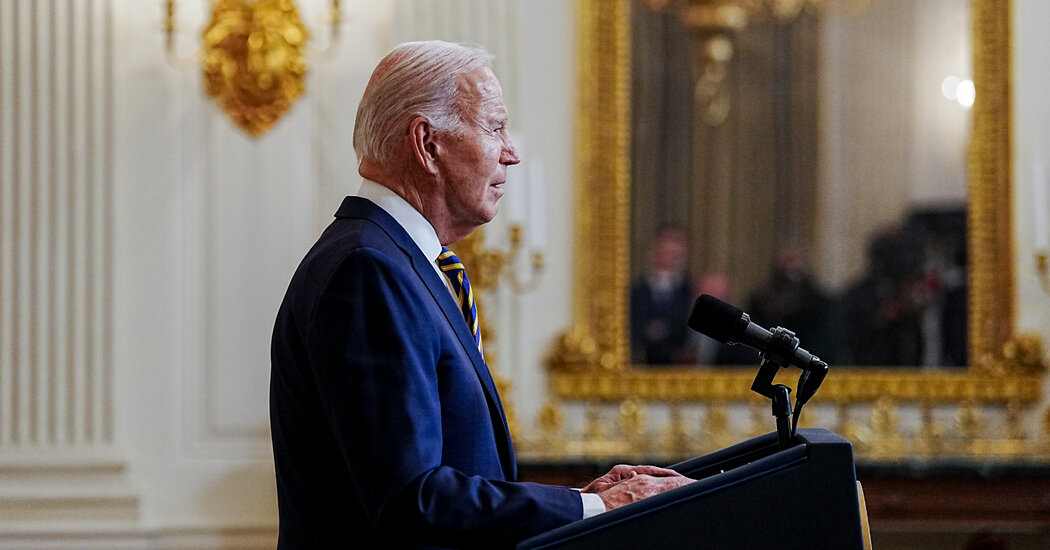
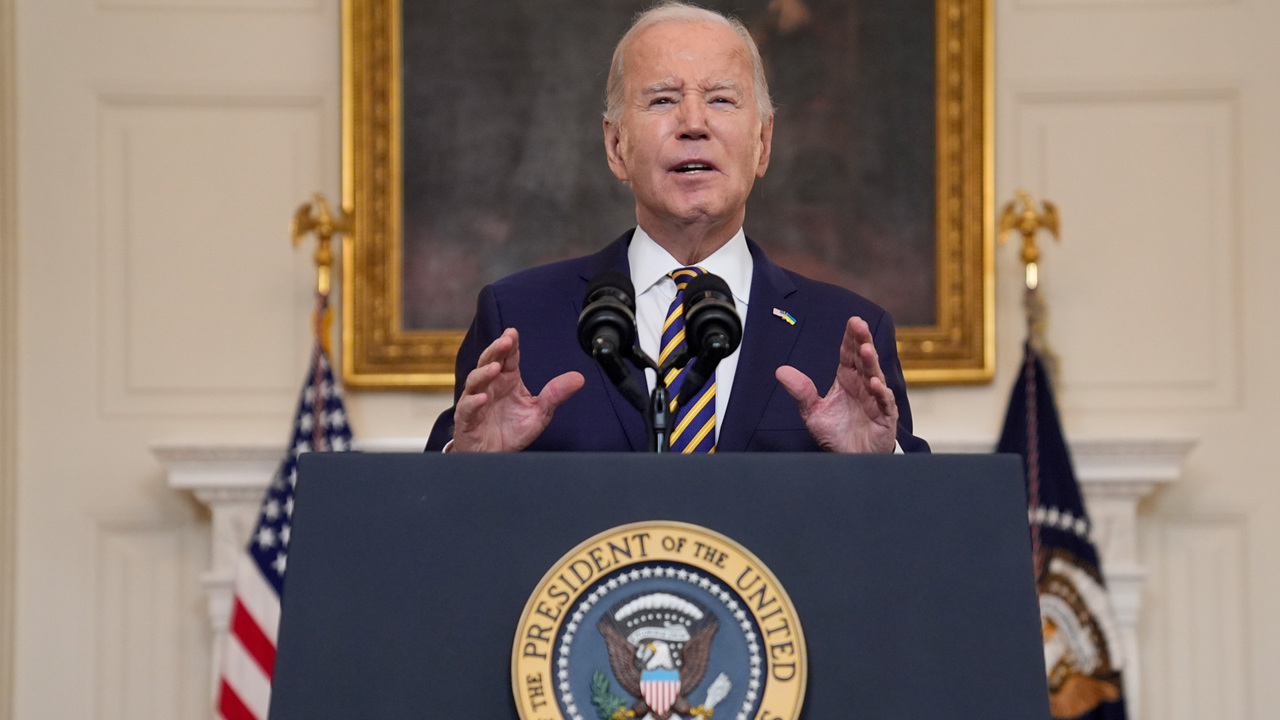
President Biden blames Donald Trump for the potential failure of the bipartisan border deal, accusing him of prioritizing political gain over solving the issue. Biden urged Congress to pass the bill, emphasizing its importance for national security and funding for border security, while positioning himself as a dealmaker and Republicans as obstructing progress. The White House aims to use the potential failure of the deal to portray Republicans as prioritizing politics over bipartisan policymaking, with Biden ready to take the issue to the voters if the bill fails.
Former President Donald Trump criticizes the bipartisan $118 billion border deal, calling it a "Democrat trap" and a "death wish" for Republicans in the 2024 election. The deal includes provisions to shut down the border when daily crossings hit a certain threshold and faces opposition from both Trump and some Democrats. President Joe Biden urges action, emphasizing the severity of the border crisis. The bill's fate remains uncertain as it encounters strong opposition from GOP lawmakers and skepticism from various senators.
The Senate's bipartisan border deal is facing significant opposition, with more than half of the votes needed to block the legislation already in place.
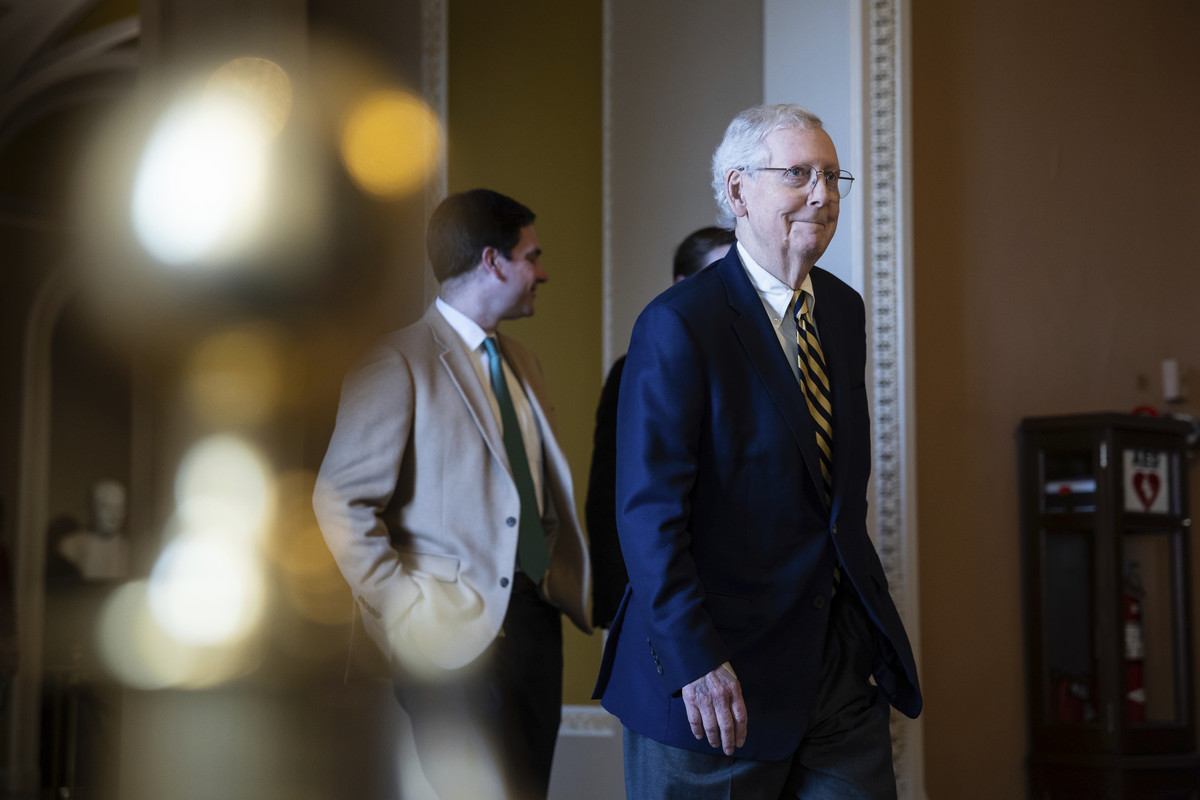
Senate Minority Leader Mitch McConnell and the National Border Patrol Council have expressed support for a Senate border deal that aims to address immigration issues. The deal has faced criticism from some Republicans, but McConnell's backing could help garner more support for the proposal.
Senators unveiled a border deal and foreign aid package for Ukraine and Israel, including significant restrictions on illegal migrant crossings at the southern border and billions of dollars in aid for Ukraine, Israel, and other US allies. The legislation faces opposition from House Republicans and former President Trump, with House Speaker Mike Johnson declaring the deal "dead on arrival." The Senate is set to hold a key vote on the package, which also includes measures to speed up the asylum process and restrict asylum at the US-Mexico border, with uncertainty surrounding its passage and potential separation of aid from border and immigration measures.