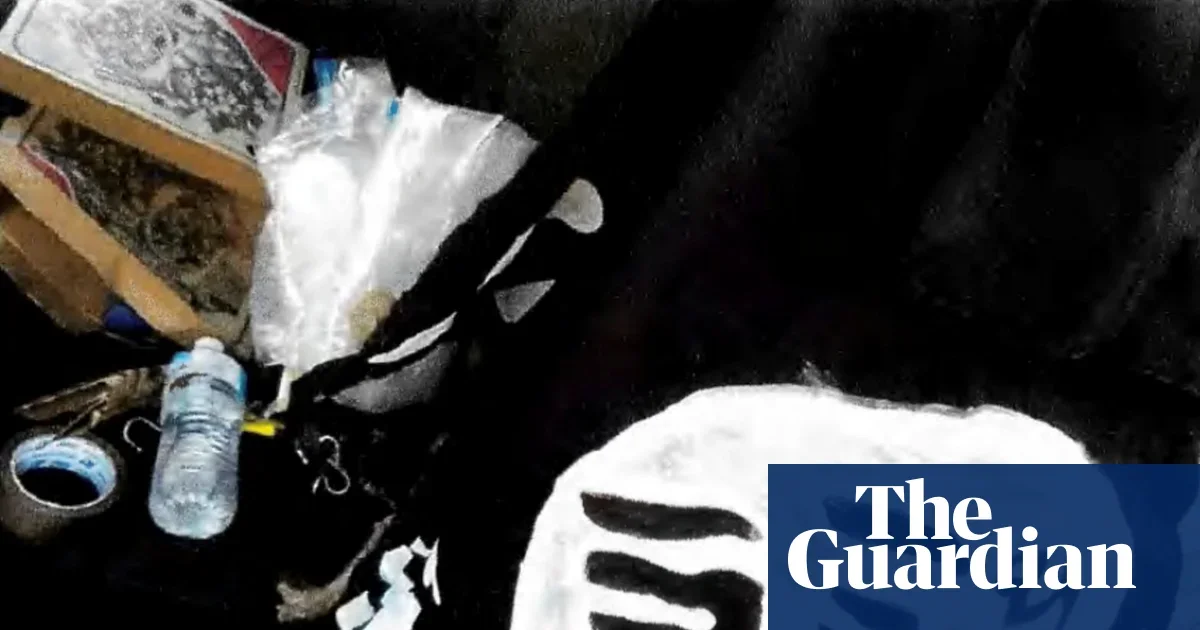
The article discusses the current status of Islamic State (IS), highlighting its decline in territorial control but ongoing online influence, its extremist ideology including antisemitism, and its potential inspiration for recent attacks like the Bondi beach incident, while emphasizing that IS opposes nation-states and promotes a caliphate vision.
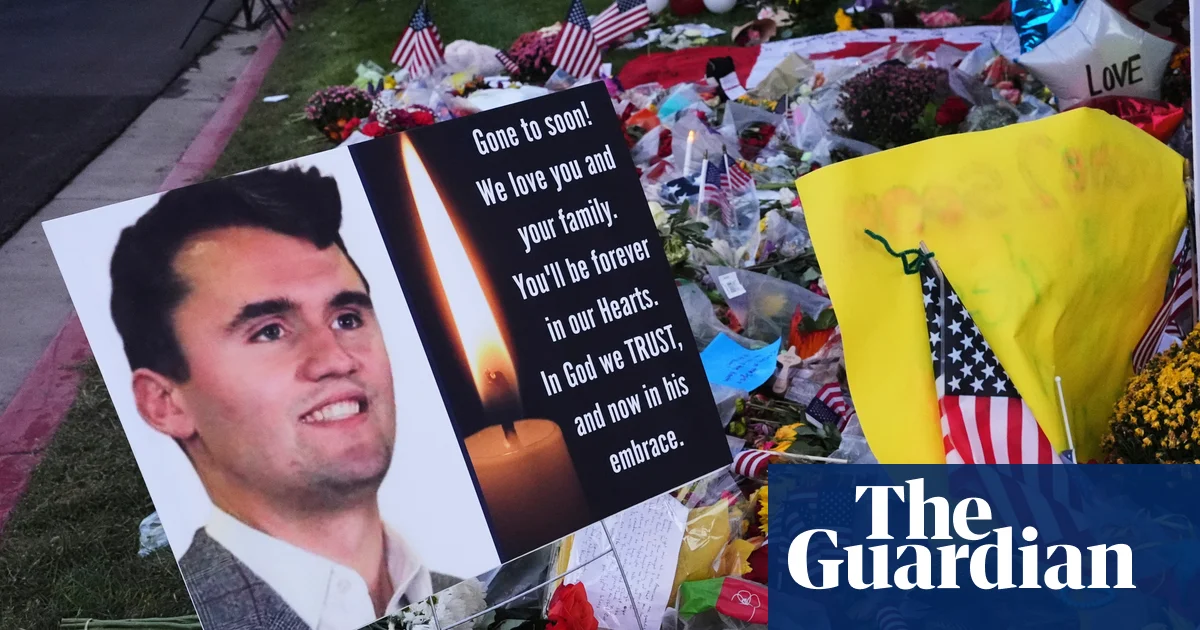
The suspect in Charlie Kirk's killing is Tyler Robinson, a 22-year-old with unclear motives, but investigations suggest he was deeply indoctrinated with leftist ideology. The incident has sparked intense political debates, with some conservatives calling for the death penalty and others emphasizing mental health issues. The case has also led to discussions about radicalization and political violence in the US.
Ella Al-Shamahi, a scientist and TV presenter, warns that the dominance of left-wing academics in science erodes trust and alienates right-wing and religious individuals, emphasizing the need for ideological diversity to improve scientific outcomes and maintain public trust.
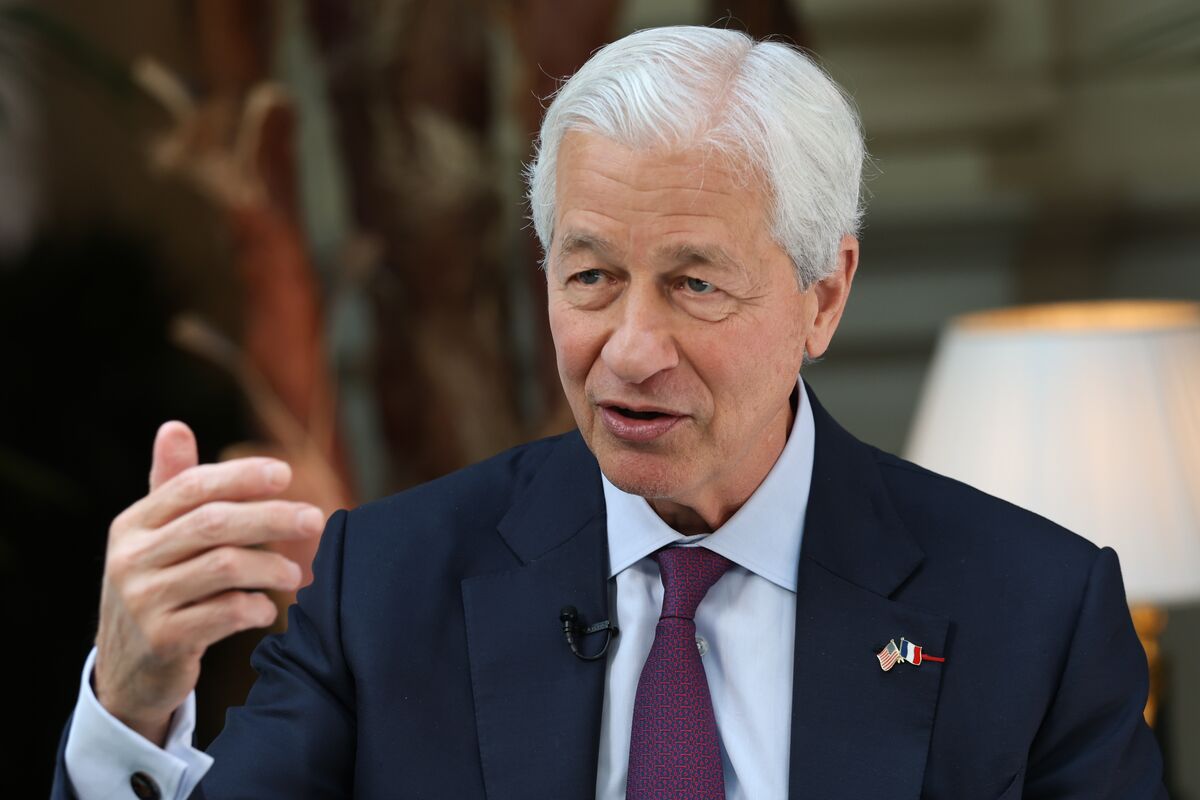
Jamie Dimon criticized the Democratic Party for overemphasizing diversity, equity, and inclusion at the expense of practical solutions, and expressed skepticism about the party's ideological focus and its impact on policy effectiveness, also criticizing the Biden administration and local New York politics.
Kemi Badenoch, leader of the UK's Conservative Party, argues that classic liberal values are under threat from ideologues who have "hacked" liberalism, turning it into a tool for authoritarian agendas. She emphasizes the need for "muscular liberalism and conservatism" to protect freedoms and counteract the expansion of state power. Badenoch calls for a defense of Western values and a focus on individual liberty, warning against complacency in the face of ideological threats.
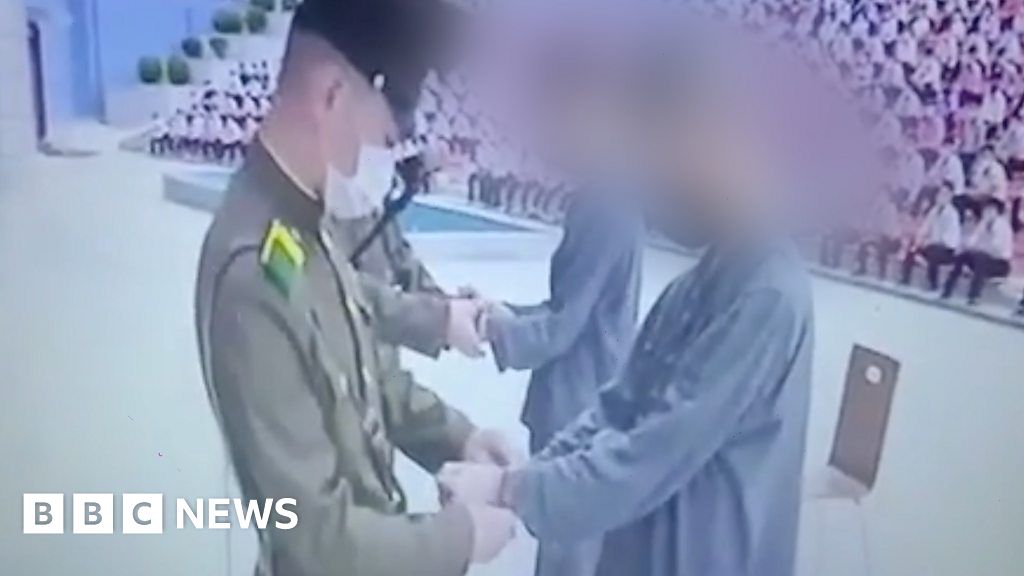
Rare footage obtained by BBC Korean shows two North Korean teenagers being publicly sentenced to 12 years of hard labour for watching South Korean TV shows, with the punishment being a result of Pyongyang's crackdown on the spread of K-dramas and K-pop, which it sees as a threat to its ideology. The video, provided by a research institute working with North Korean defectors, reveals the harsh consequences faced by those caught accessing South Korean entertainment, including a law enacted in 2020 that makes watching or distributing such content punishable by death. Despite the ban, some North Koreans continue to risk severe punishment to access K-dramas, which offer an escape from their difficult reality.
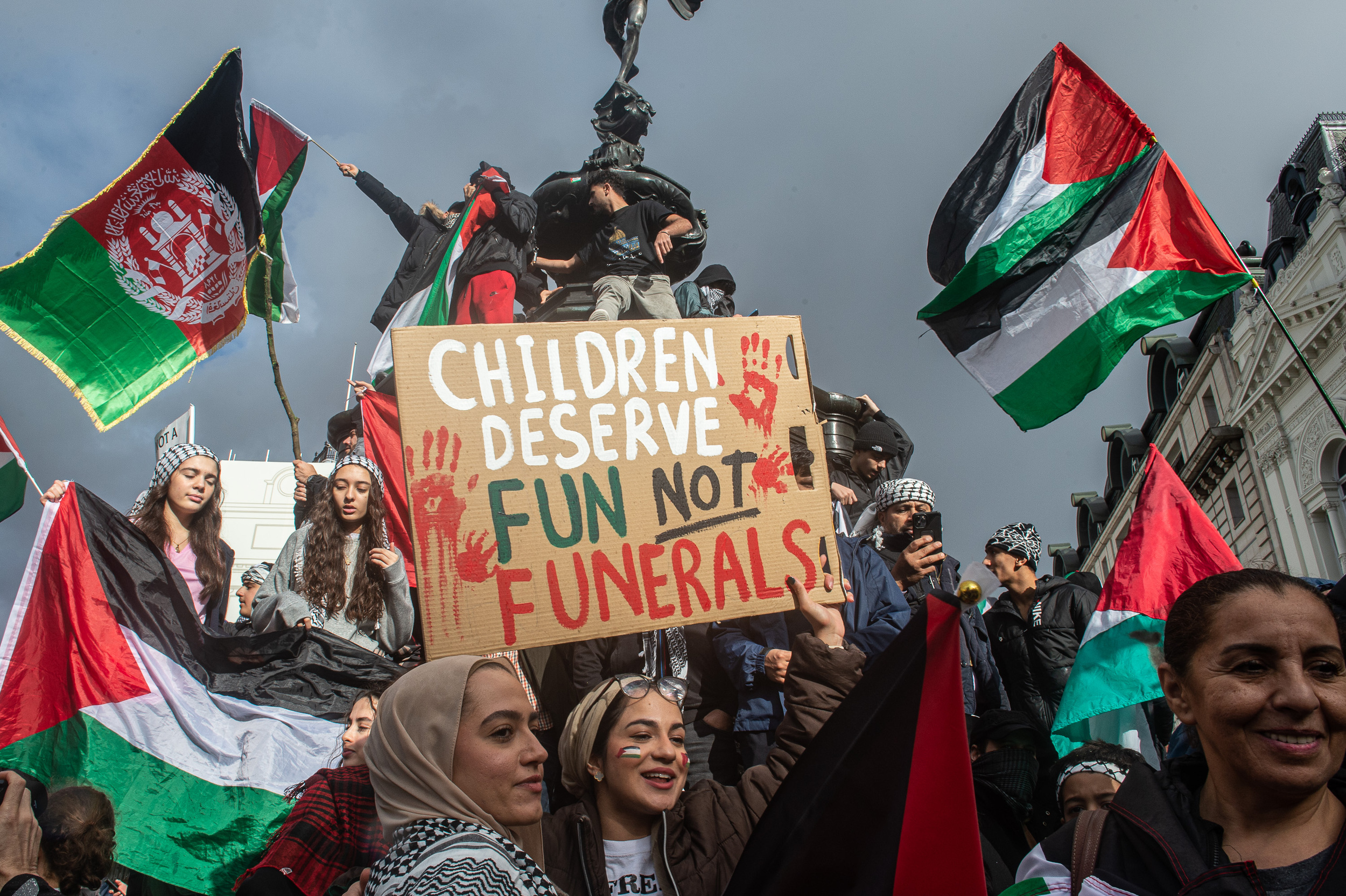
The globalized reactions to conflicts like the Gaza war and the Ukraine war reveal a deep crisis of meaning and legitimacy in the modern world. People from around the globe, driven by ontological insecurity and the need for identity, internalize these conflicts and turn them into wars of victimhood, seeking catharsis and a sense of unity. Meanwhile, political establishments instrumentalize these conflicts to legitimize their power and ideologies. This phenomenon, known as "transferred nationalism," allows individuals and nations to attain moral capital and social prestige without altering their conduct. However, this global internalization of wars can lead to social discord, political instability, and even physical intervention, distorting national interests and security priorities.
The rise of anti-Semitism and opposition to Israel on college campuses, particularly on the political left, can be attributed to the ideology of settler colonialism. This ideology claims that Israel is a false state imposed by imperialism and that the land rightfully belongs to the Palestinians. It seeks to erase Israel and oppress the Jewish people. This ideology, rooted in cultural Marxism, has gained traction among the academic elite and is driving protests and support for Hamas. However, it fails to acknowledge Israel's historical and biblical claims to the land and seeks to undermine Israel's right to exist.
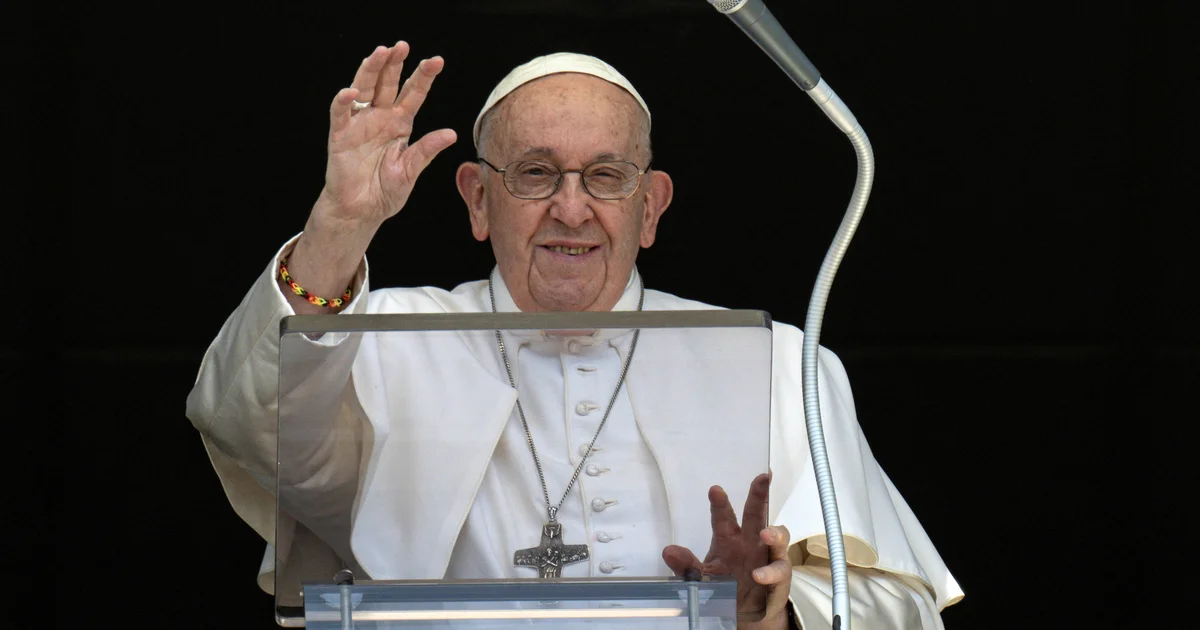
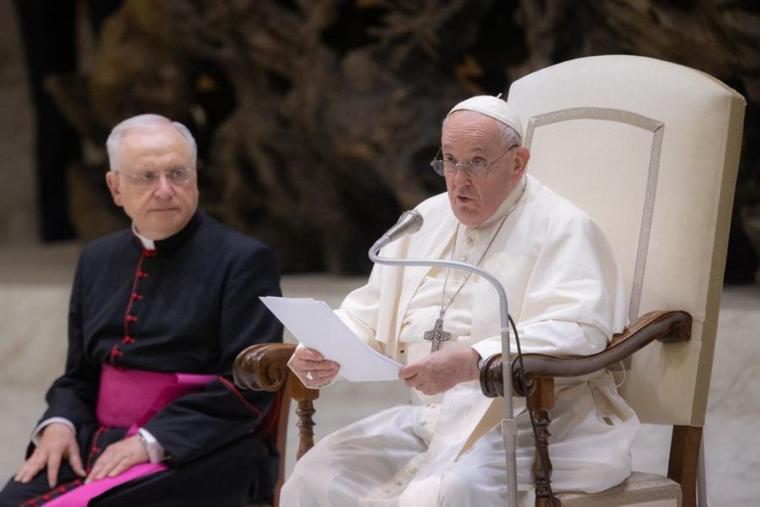
Pope Francis criticized the "backwardness" of some conservatives in the U.S. Catholic Church, stating that they have replaced faith with ideology and emphasizing the need for a correct evolution in the understanding of questions of faith and morals. He acknowledged the divisions within the church and the criticism he has faced from U.S. conservatives, who have disagreed with his focus on social justice issues and his openness to allowing divorced and remarried Catholics to receive the sacraments. Francis warned that a reactionary attitude leads to a climate of closure and disconnects from the roots of the church, having devastating effects on morality.
Pope Francis expressed concern about a "climate of closure" in the United States, where ideology can replace faith and membership in a specific Church sector can replace membership in the Church itself. He highlighted the presence of a strong reactionary attitude that shapes people's sense of belonging. The Pope emphasized the need for an appropriate evolution in understanding matters of faith and morals, citing the criteria of Vincent of Lérins. He warned against "backwardness" in doctrine and the detrimental effects it can have on morality. Pope Francis also mentioned his joy in preparing for the upcoming Synod on Synodality, despite acknowledging some shortcomings in its management.
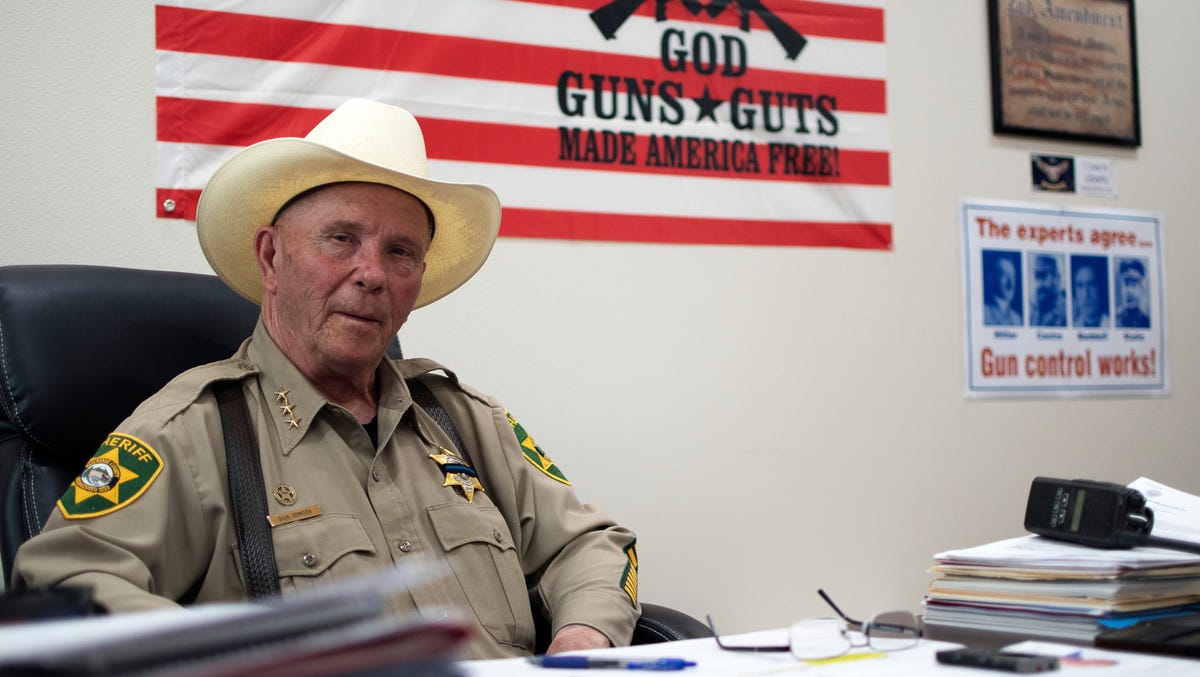
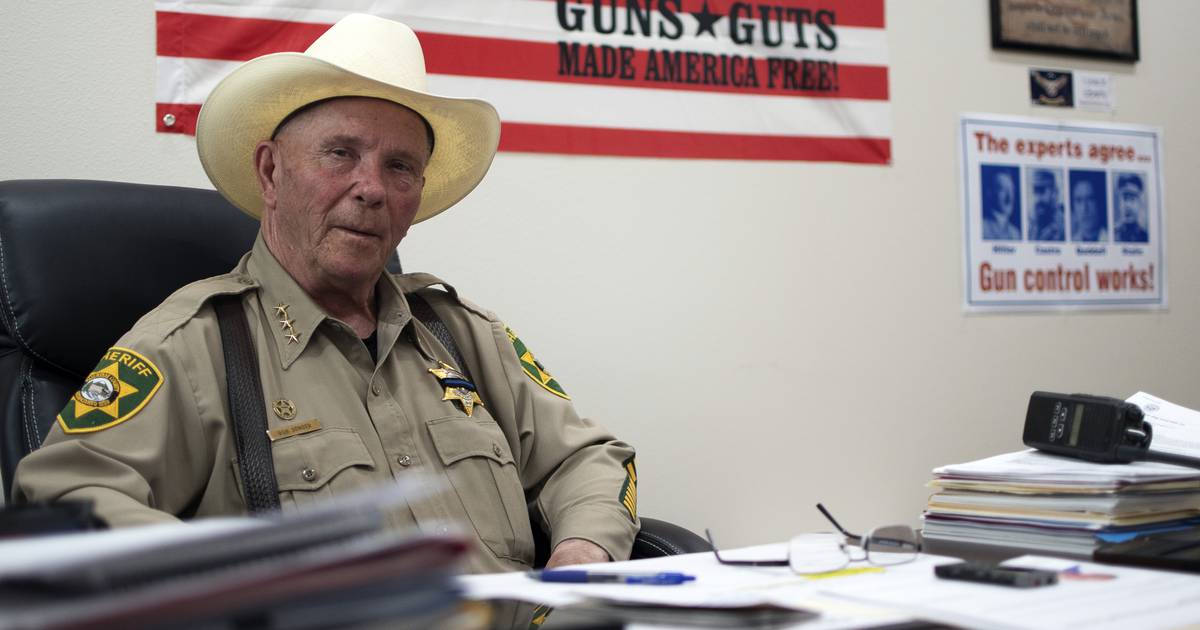
The Constitutional Sheriffs and Peace Officers Association (CSPOA), a right-wing sheriffs group founded in 2011, is gaining acceptance across the United States. The group teaches elected sheriffs to refuse to enforce any law they deem unconstitutional or unjust, including gun control laws, COVID-19 mandates, and alleged election fraud. The CSPOA has spread its ideology through trainings, rallies, and meetings in at least 30 states, with formal trainings approved for officers' continuing education credits in six states. Legal experts warn that such training can undermine democratic processes and contribute to a broader insurrectionist ideology. At least 69 sheriffs nationwide have been identified as members or supporters of the group, and some counties have considered resolutions empowering sheriffs to refuse to enforce laws they interpret as unconstitutional. Critics argue that the group's sympathies for right-wing, white-nationalist extremist causes make its ideas dangerous.
The Constitutional Sheriffs and Peace Officers Association (CSPOA), a right-wing sheriffs group founded in 2011, is gaining acceptance across the United States by spreading its ideology and securing state approval for taxpayer-funded law enforcement training. The group teaches that elected sheriffs should refuse to enforce any law they deem unconstitutional or unjust, including gun control laws, COVID-19 mandates, and alleged election fraud. Legal experts warn that such training can undermine democratic processes and contribute to a broader insurrectionist ideology. At least 69 sheriffs nationwide have been identified as members or supporters of the group, and some counties have considered resolutions empowering sheriffs to refuse to enforce state and federal laws they interpret as unconstitutional. Critics argue that the group's sympathies for right-wing, white-nationalist extremist causes make its ideas dangerous.
The Constitutional Sheriffs and Peace Officers Association (CSPOA), a right-wing sheriffs group founded in 2011, is gaining acceptance across the United States by promoting the idea that elected sheriffs should refuse to enforce laws they deem unconstitutional or unjust. The group has held trainings and rallies in at least 30 states, with formal trainings approved for officers' continuing education credits in six states. Legal experts warn that such training undermines democratic processes and can contribute to a broader insurrectionist ideology. At least 69 sheriffs nationwide have been identified as members or supporters of the group, and some counties have considered resolutions empowering sheriffs to refuse to enforce certain laws. Critics argue that the group's ideology can lead to extremism and political violence.
A meta-analysis of 74 experiments involving 60,000 participants conducted by University of Pennsylvania social psychologists and communication scholars found that attempts to correct science-relevant misinformation were, on average, not successful. However, corrections worked better when the issue in the correction was emotionally more positive than the misinformation, the correction matched the ideology of the recipients, the issue was not politically polarized, and the correction provided abundant details as to why the earlier claims were false.
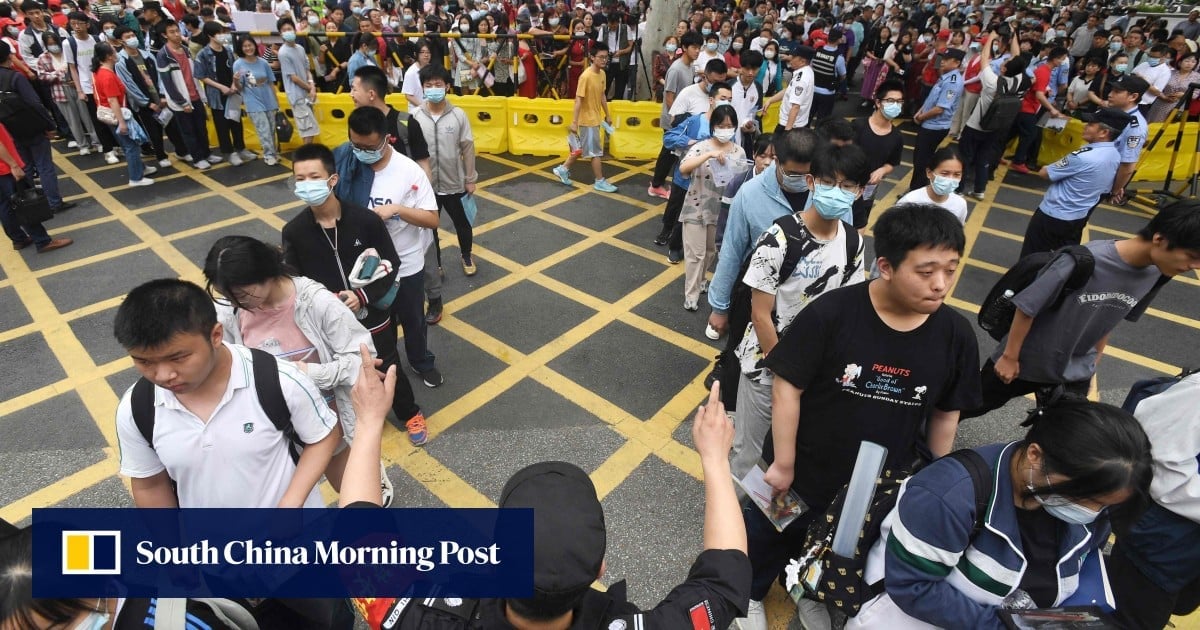
China's gaokao exam, taken by a record 12.91 million students, included references to Xi Jinping Thought and the "spirit" of the 20th party congress, as part of a nationwide campaign to promote his ideology among youth. The testing agency said the papers aimed to help students "understand the power of truth."