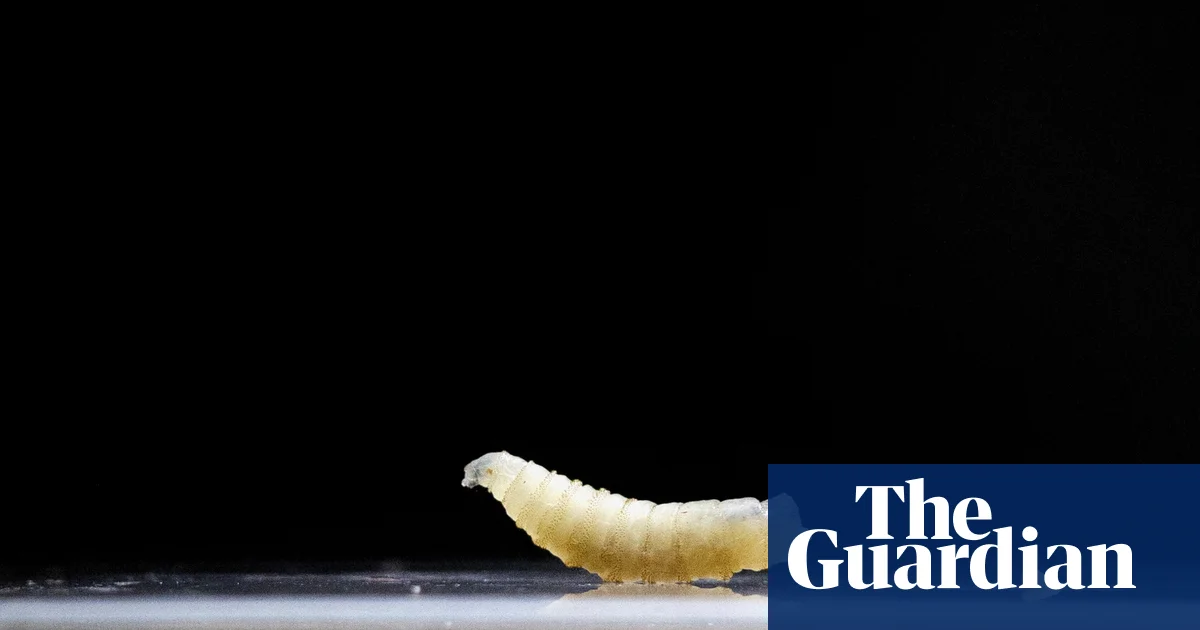
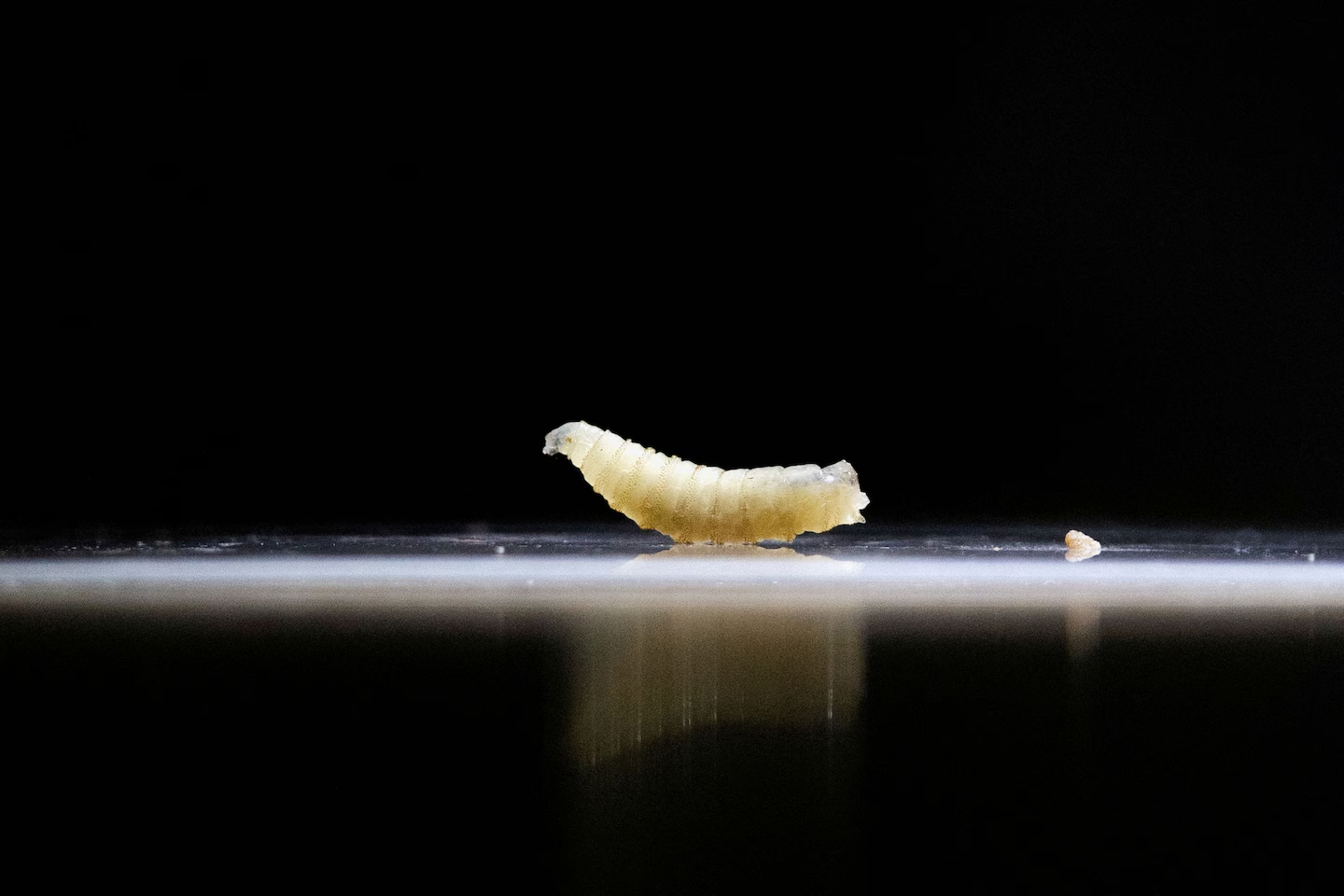
The US has confirmed its first human case of flesh-eating screwworm parasite, linked to travel from Central America, raising concerns about potential impacts on livestock and industry, though the public health risk remains low.
A human case of flesh-eating screwworm has been confirmed in Maryland, the first in the U.S. in years, in a person who traveled from El Salvador, raising public health concerns.
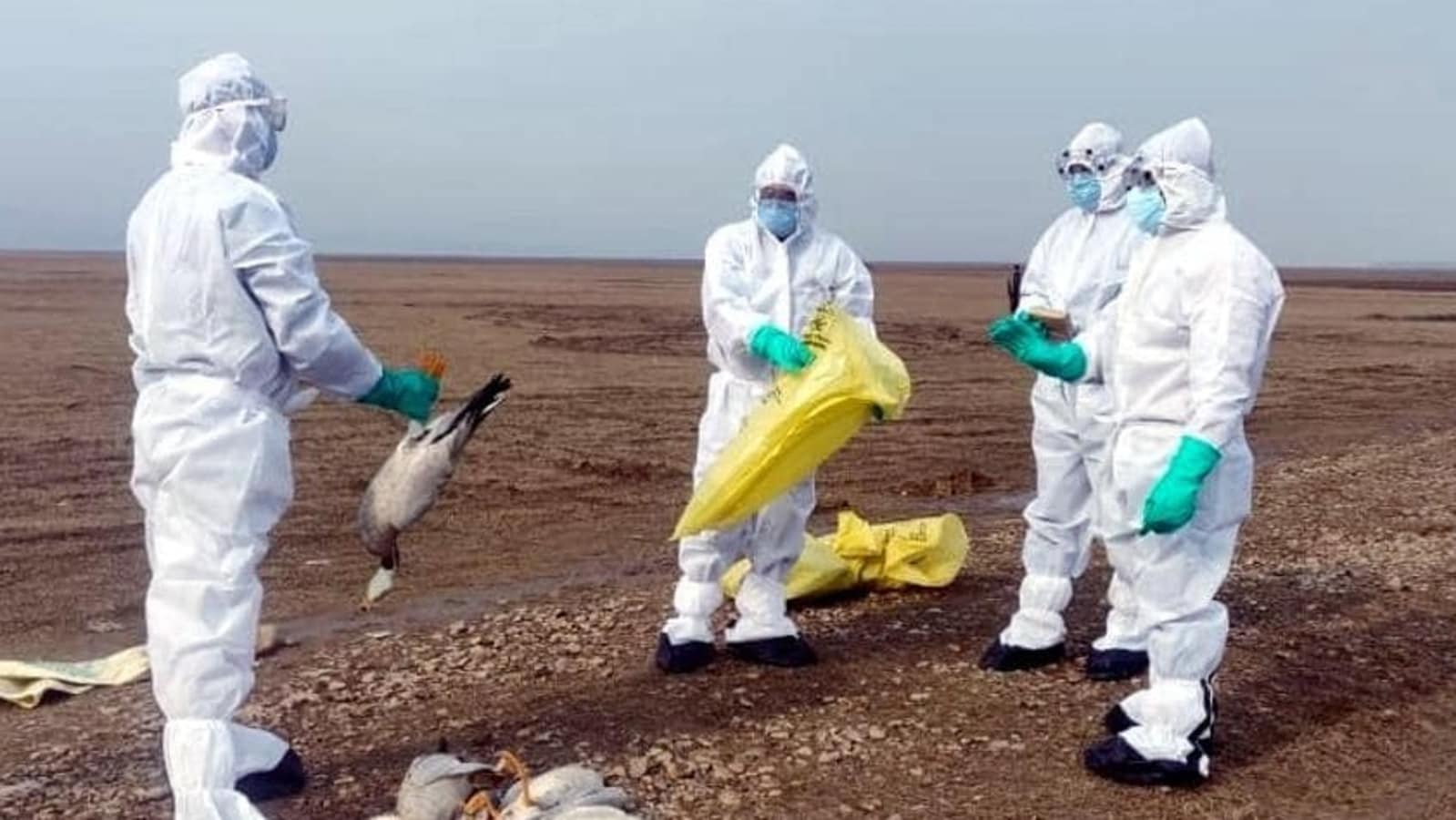
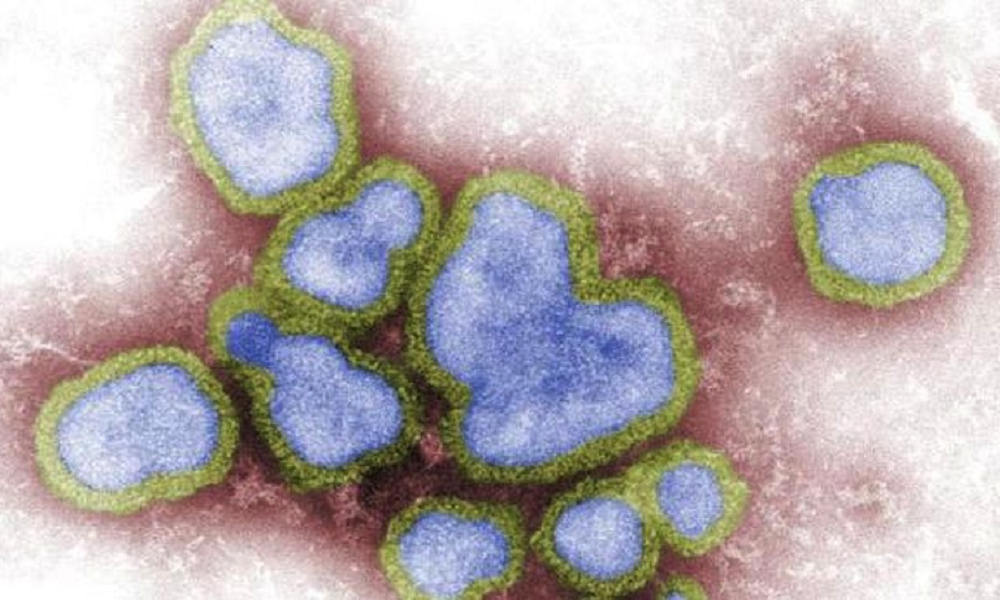
Texas reports its first case of highly pathogenic Avian Flu in humans after close contact with infected cows, marking the second human case in the U.S. The CDC assures the safety of dairy products and emphasizes that the risk to the general public remains low. Symptoms of Avian Flu in humans include fever, conjunctivitis, cough, sore throat, and muscle aches.
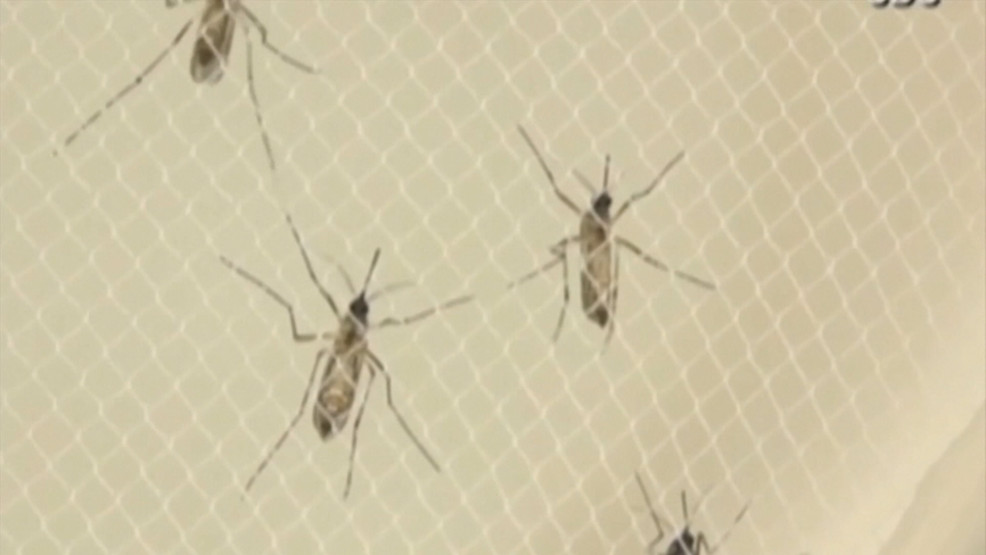
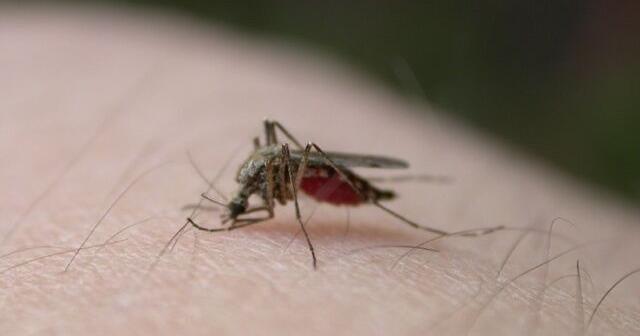
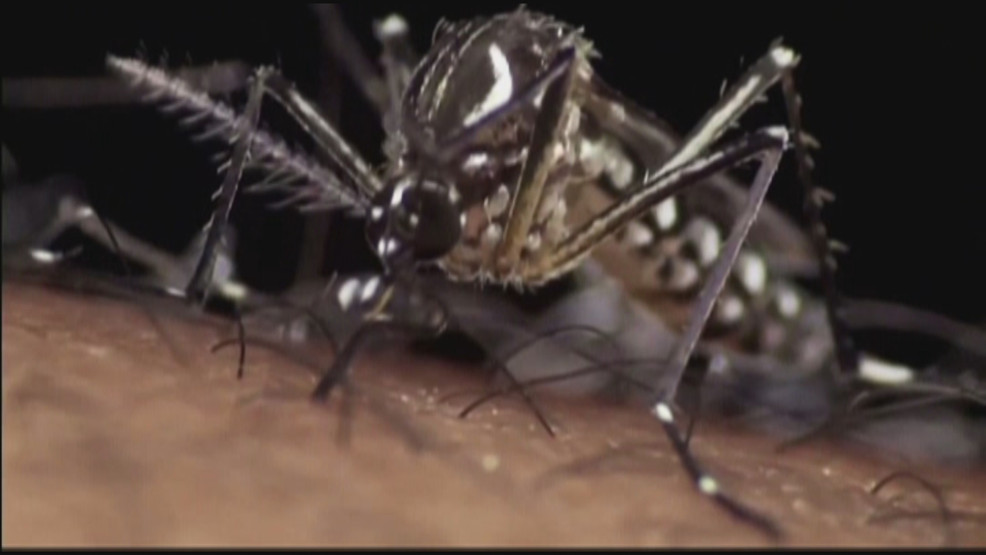
The Rhode Island Department of Health has reported the first human case of West Nile Virus in 2023. The infected individual, a resident of Newport County in their 70s, is currently recovering at home. Health officials emphasize the importance of mosquito prevention measures, as the virus is transmitted through mosquito bites. Symptoms of West Nile Virus can range from mild to severe, with brain swelling being a dangerous complication. The Department of Environmental Management has confirmed the presence of the virus in mosquito samples from various locations in Rhode Island.
A resident of Dane County, Wisconsin has contracted the state's first human case of West Nile virus in 2023, highlighting the ongoing threat of the mosquito-borne illness.
The first human case of St. Louis encephalitis virus, a mosquito-borne disease, has been detected in Kern County, California, according to health officials. The patient's condition is currently unknown, but the case highlights the need for increased public health measures to prevent the spread of mosquito-borne diseases in the area.
A 56-year-old woman from Zhongshan City in southern China has tested positive for H3N8 bird flu, making it only the third time the virus has been found in humans. The woman had exposure to live poultry before falling ill, and wild birds are frequently found near her home. Experts believe this is a sporadic case, and the risk of virus transmission is low at this stage. A previous strain of the virus may have caused the 1889 pandemic.