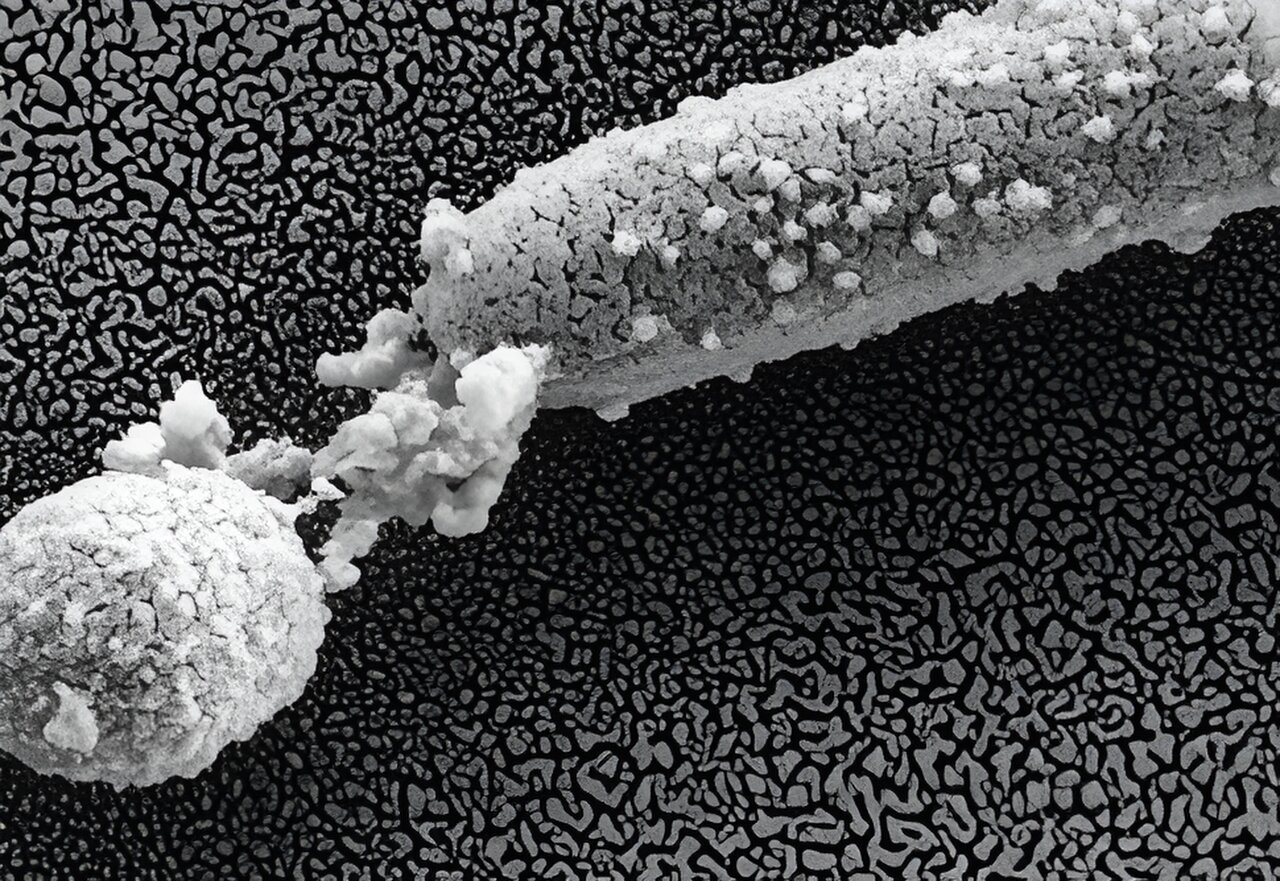
Study Debunks Effectiveness of Chlorine Disinfectant in Killing Hospital Superbugs
A study by the University of Plymouth has found that chlorine disinfectants commonly used in hospitals are no more effective than water at killing off spores of Clostridioides difficile (C. diff), the most common cause of antibiotic-associated sickness in healthcare settings. The research highlights the potential risk of contracting the superbug in clinical environments and calls for urgent research to find alternative strategies for disinfecting C. diff spores. With antimicrobial resistance on the rise, the study emphasizes the need for disinfectants and guidelines that are fit for purpose and work in line with bacterial evolution. C. diff causes diarrhea, colitis, and other bowel complications, infecting millions of people worldwide each year.