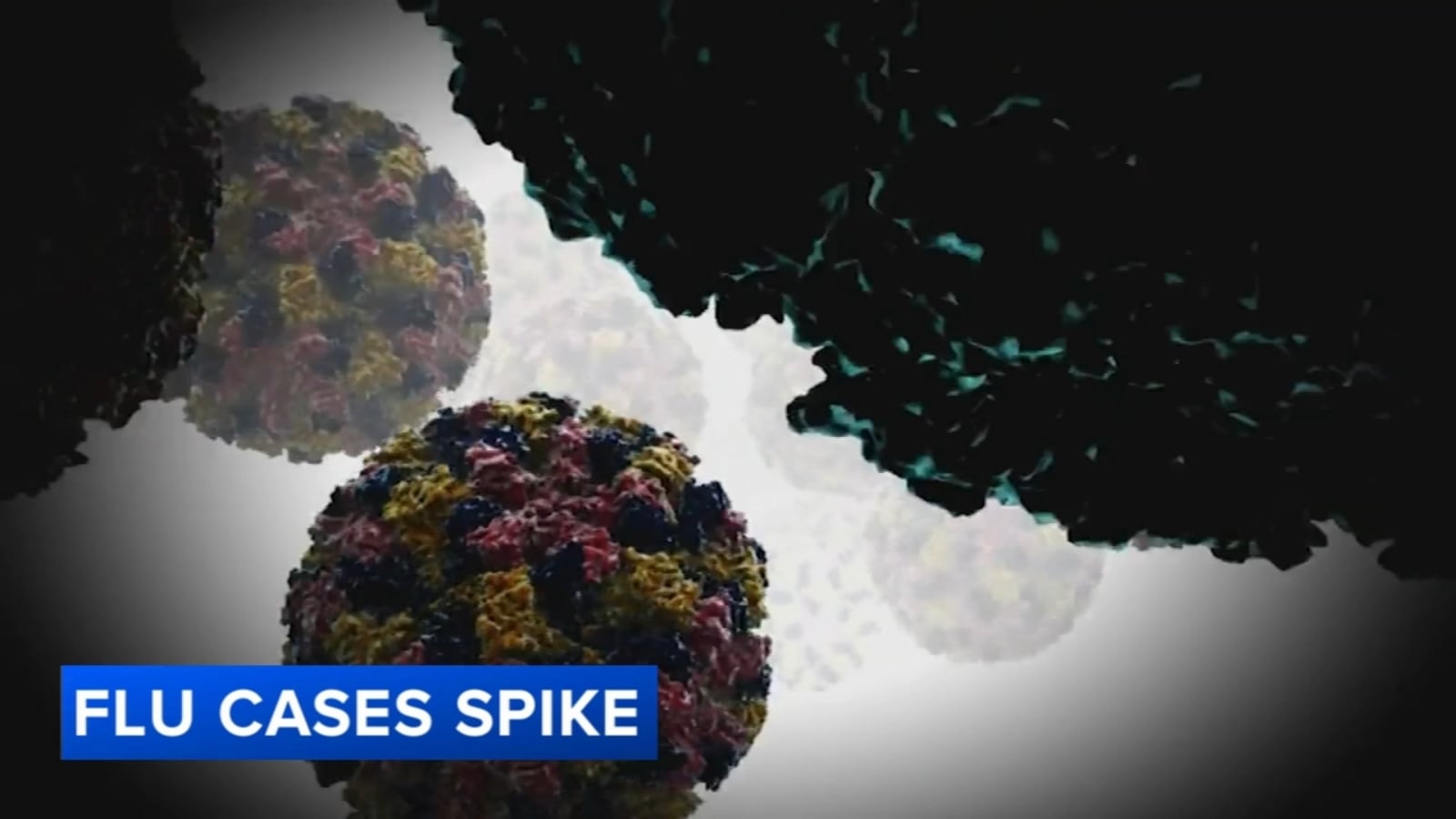
As holiday gatherings end, cases of flu, COVID-19, and norovirus are rising, with increased flu activity linked to travel and social events. Health experts recommend vaccination and good hygiene practices to prevent illness.
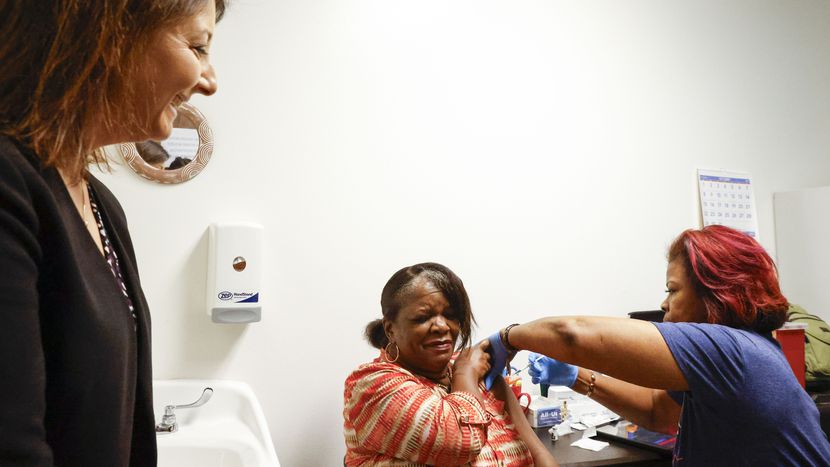
Low vaccination rates in North Carolina are raising concerns about the spread of respiratory viruses during holiday gatherings. The CDC reports that only a small percentage of children and adults have received their latest COVID-19 and flu vaccinations. Health officials emphasize the importance of vaccination to prevent severe illness, especially as people gather indoors with at-risk groups. The state's low vaccination rates also pose a risk for outbreaks of highly contagious viruses like measles. Preventative measures such as handwashing and staying home when sick are recommended to reduce virus transmission.
Gaslighting, a form of emotional abuse that causes individuals to question their perceptions and memories, can mar family holiday gatherings. It often stems from power struggles, unresolved issues, or cultural expectations within families. To counteract gaslighting, individuals can prepare by identifying potential triggers and limiting interactions with those who may engage in such behavior. During gatherings, it's important to remain calm, pivot conversations, and remember that others' behavior is not your responsibility. Reflecting on these interactions afterward can help improve future family experiences.
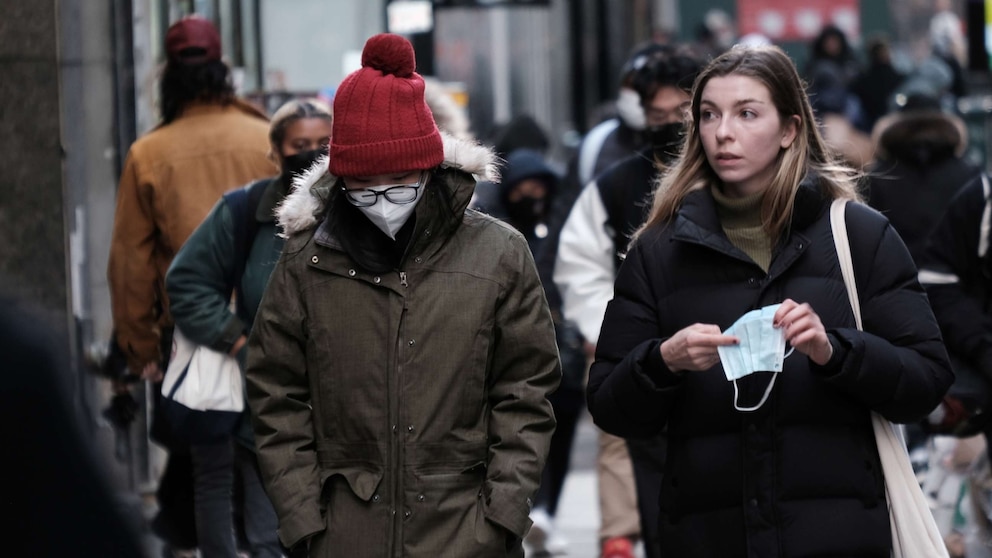
Respiratory viruses, including flu and COVID-19, are on the rise in the United States as Americans prepare to gather for the holidays. Emergency department visits and hospitalizations are increasing, while vaccination rates remain low. Respiratory syncytial virus (RSV) levels are still elevated in many areas, although they appear to be trending down. The emergence of the new JN.1 COVID variant, combined with holiday travel and gatherings, poses a risk for additional illness. Some health systems are reinstating mask mandates due to the surge in respiratory viruses. Hospitals have become better equipped to handle potential surges, but individuals are advised to follow mitigation measures such as hand hygiene, vaccination, ventilation, and masking based on personal risk levels to reduce the spread of respiratory pathogens during holiday gatherings.
As families and friends gather for holiday celebrations in North Texas, there has been a rise in both influenza and COVID-19 cases. COVID-19 hospitalizations have increased from fewer than 300 patients in early November to 533 patients on Tuesday, while positive flu tests in Dallas County have also been steadily rising. Experts are urging people to take extra precautions to prevent further spread of COVID-19, such as practicing good health hygiene and getting vaccinated. RSV cases, however, appear to be on the decline after weeks of climbing cases.
Flu cases are expected to increase in northeast Indiana as the flu season peaks during the Christmas and New Year holidays. The Allen County Health Commissioner advises people to take precautions such as washing hands, maintaining distance, and coughing into arms to avoid spreading germs. Staying home when feeling ill is strongly recommended to prevent further transmission. Additionally, getting enough sleep and eating a healthy diet can help strengthen the body's immune system.
The emergence of the new COVID-19 variant, JN.1, is causing concern among experts as it threatens holiday plans. While the 2023-2024 COVID-19 vaccine appears to be effective against this variant, the low vaccination rate, with less than 16% of U.S. adults vaccinated, is worrisome. Experts are urging the CDC to encourage the public to get vaccinated before the festivities begin. JN.1, a subvariant of Omicron, has been detected in the U.S. and is believed to be more infectious than previous variants. The variant's rise is contributing to an increase in COVID-19 hospitalizations. Mitigation measures, such as getting vaccinated, improving indoor ventilation, and wearing masks in public transportation, are recommended to reduce the spread of the variant.