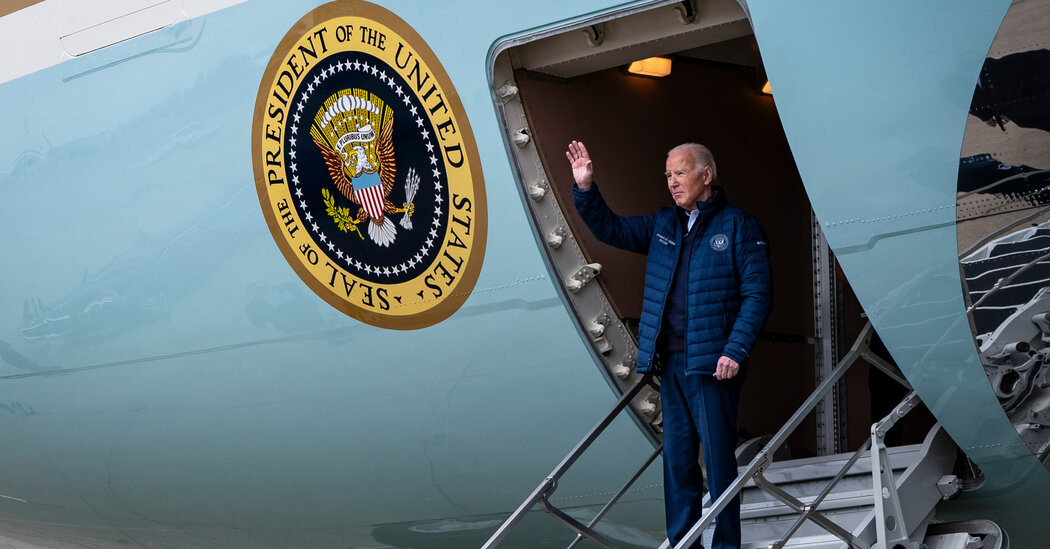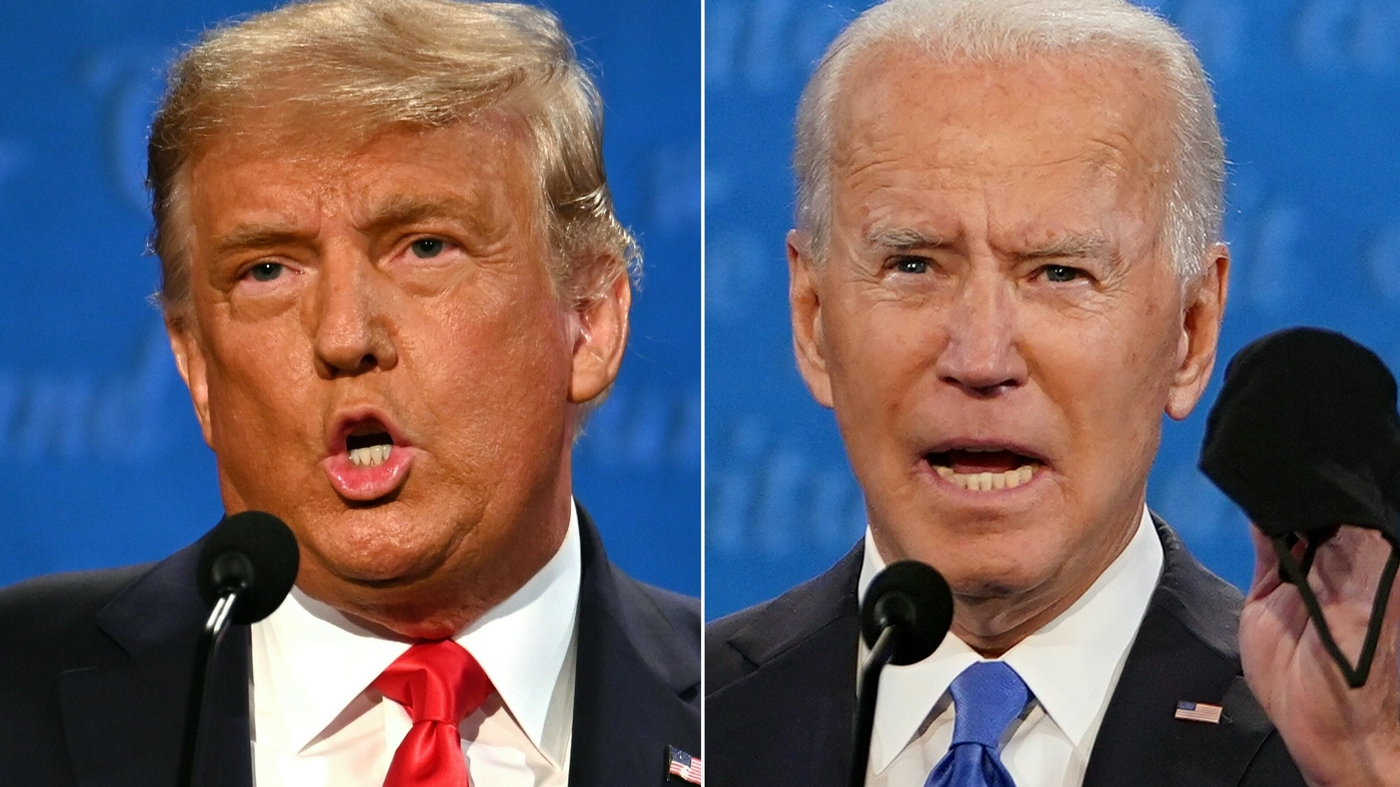
In a survey of 154 historians and presidential experts, President Biden is rated in the top third of U.S. presidents, while former President Trump ranks last. Biden's overall rating places him 14th, just ahead of Woodrow Wilson and Ronald Reagan, while Trump comes in at 45th. The survey reveals partisan divides in rankings, with Republicans and Conservatives ranking George Washington as the greatest president, while Democrats, moderates, and independents place him in second or third place. The survey's goal is to provide historians and experts with an opportunity to assess today's leaders in a broader context.
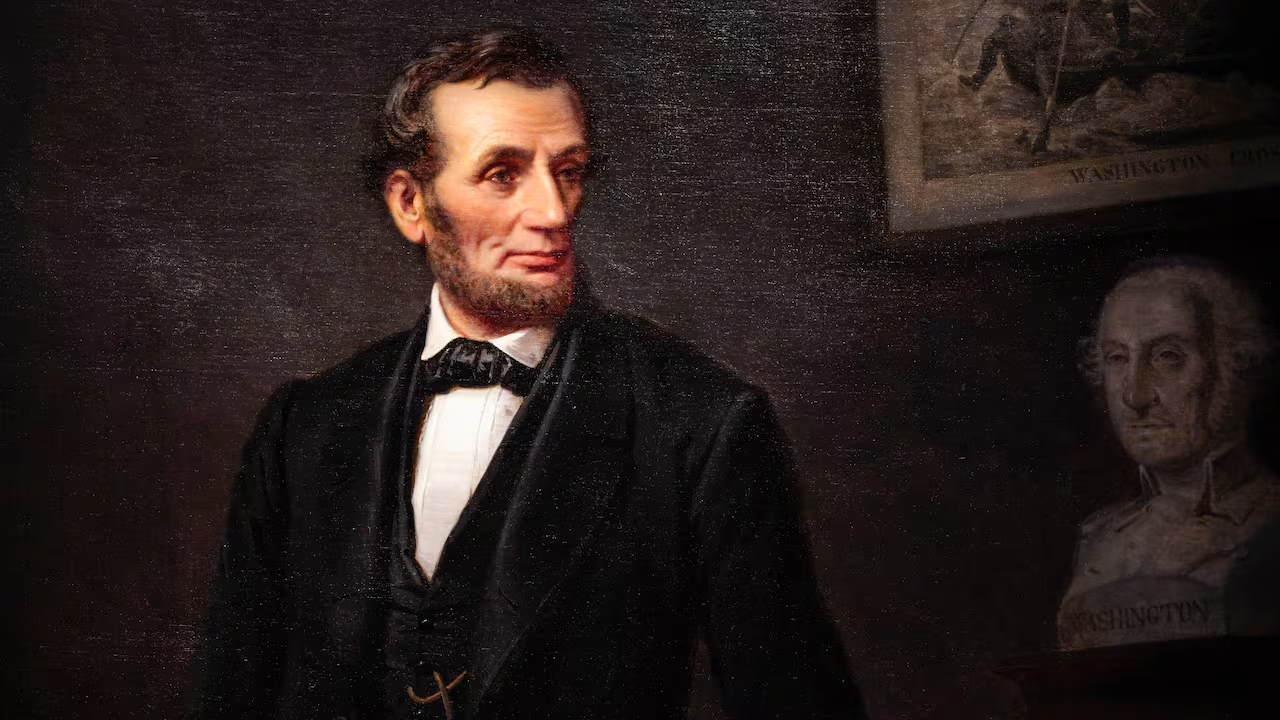
A survey of historians ranks Abraham Lincoln as the best U.S. president ever, with Franklin D. Roosevelt, George Washington, Teddy Roosevelt, and Thomas Jefferson following closely behind. Donald Trump was ranked as the worst president, finishing last behind James Buchanan and Andrew Johnson. Barack Obama jumped nine spots to No. 7, while Joe Biden is at No. 14. Ulysses S. Grant is the highest-ranking president from Ohio, finishing at No. 19.
A poll of historians ranks President Biden as the 14th-best president in American history, just ahead of Woodrow Wilson, Ronald Reagan, and Ulysses S. Grant, with his signature accomplishment being evicting Donald J. Trump from the Oval Office. In contrast, Trump ranks last as the worst president ever, even among self-identified Republican historians, highlighting the divisive nature of evaluating modern-day presidents.
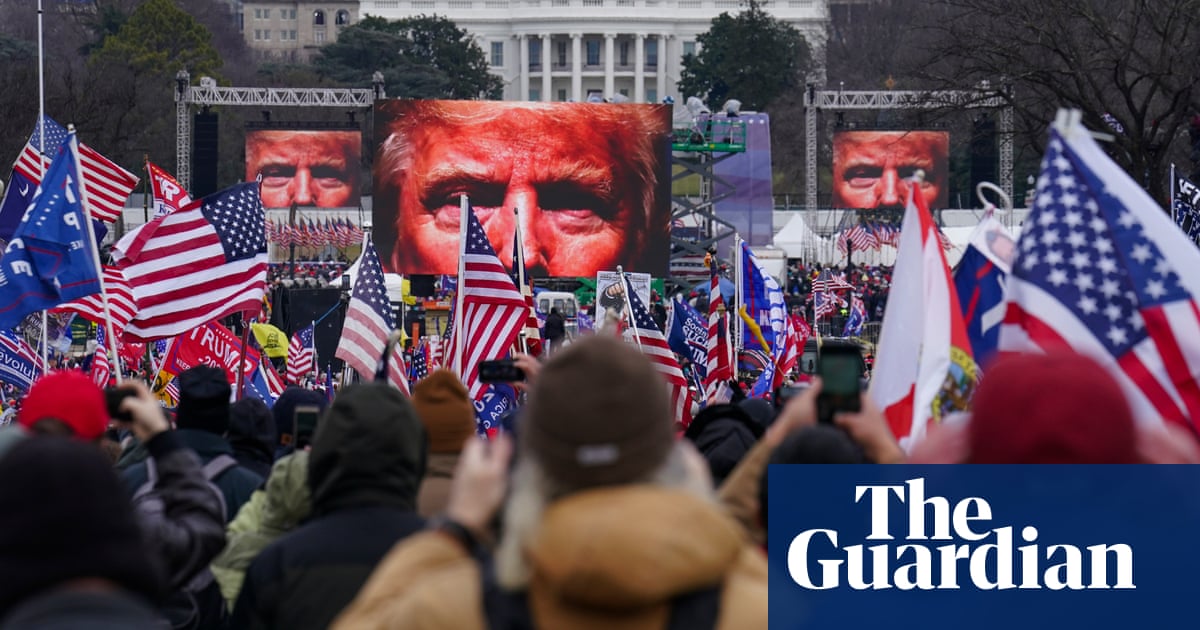
Twenty-five historians filed a US supreme court brief supporting Colorado's attempt to remove Donald Trump from the ballot under the 14th amendment, citing evidence from the 1860s congressional debate and arguing that the amendment covers the president and requires no additional action from Congress. Trump's lawyers argue that only congressional action can stop someone from running, and that Trump did not incite an insurrection. The historians' brief presents a historical perspective on the 14th amendment's intent and its self-executing nature, while some political and legal observers argue that Trump should be allowed to run regardless of the constitution. Eminent historian Sean Wilentz criticizes such arguments and suggests that the conservative members of the supreme court face a choice between disqualifying Trump or shredding the foundation of their judicial methodology.
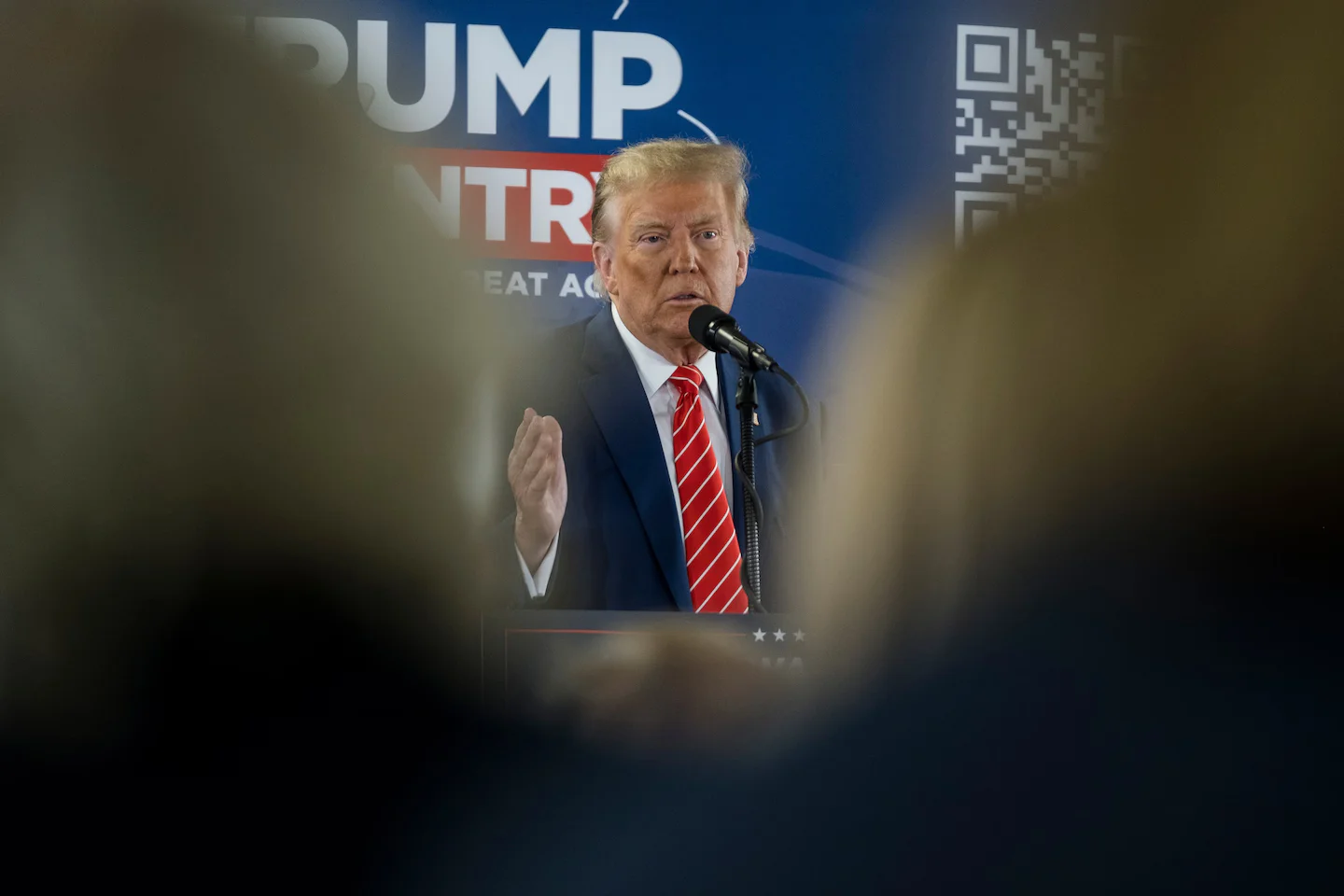
Former President Donald Trump suggested at a campaign event in Iowa that the U.S. Civil War "could have been negotiated," drawing criticism from historians and political opponents. Historians disagreed with Trump's statements, emphasizing that the war over slavery could not have been negotiated or compromised. Trump's comments about the Civil War came before he repeated a claim about his relationship with Russian President Vladimir Putin potentially preventing the war in Ukraine. This is not the first time Trump has suggested that the Civil War's outcome could have been different, drawing criticism from historians and political figures.
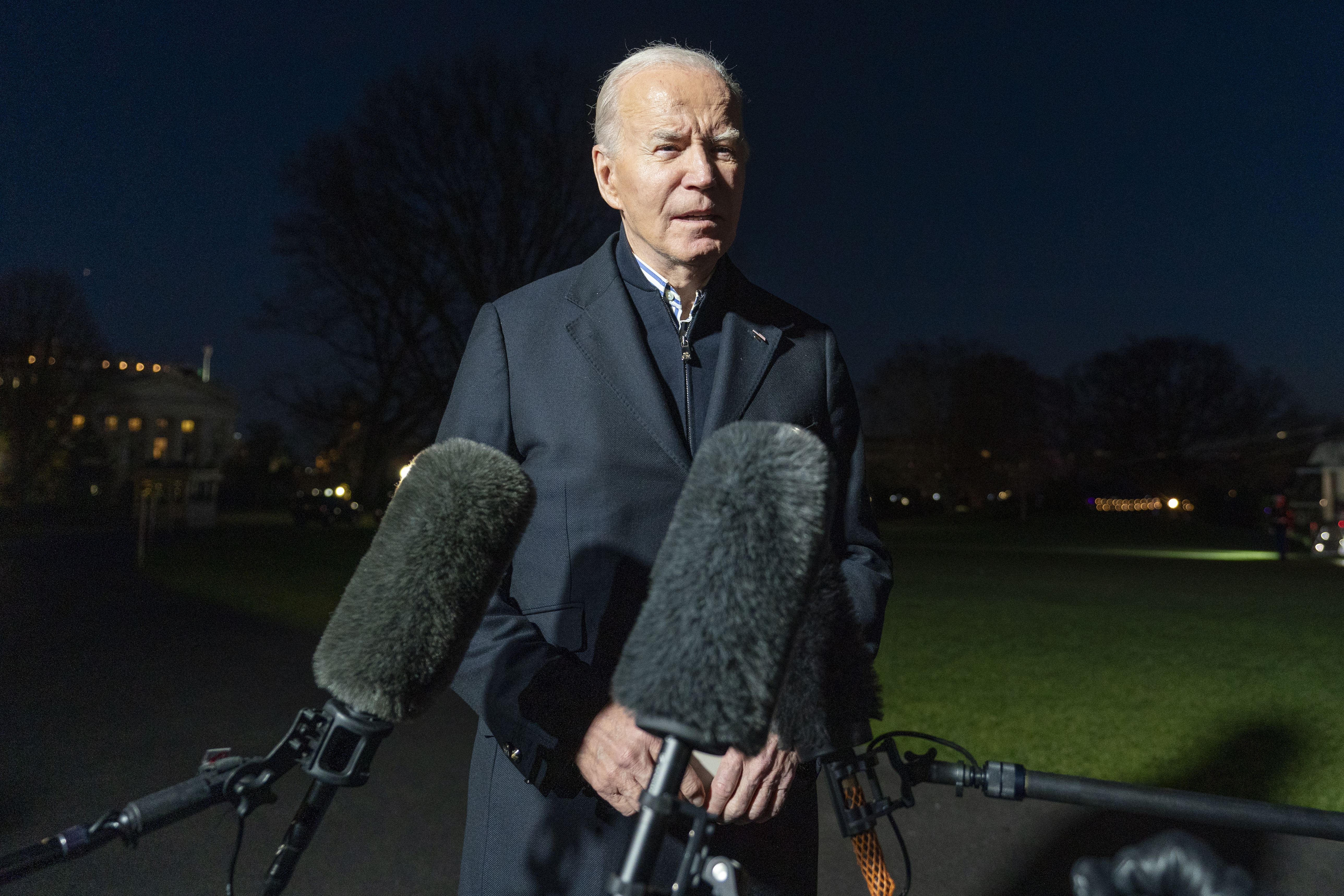
President Joe Biden met with prominent historians at the White House to discuss the state of democracy and the challenges it faces both in the U.S. and globally. The scholars encouraged Biden to more forcefully address these issues. This meeting precedes a speech Biden will give at Valley Forge, marking the third anniversary of the January 6 Capitol attack, where he is expected to frame the upcoming election as a crucial moment for democracy. Biden has a history of consulting with historians on matters of national importance and legacy throughout his presidency.
This opinion piece argues that despite President Biden's remarkable performance, historians are unlikely to give him credit for his achievements. The author believes that this is due to a biased historical narrative that often overlooks the accomplishments of Democratic presidents.
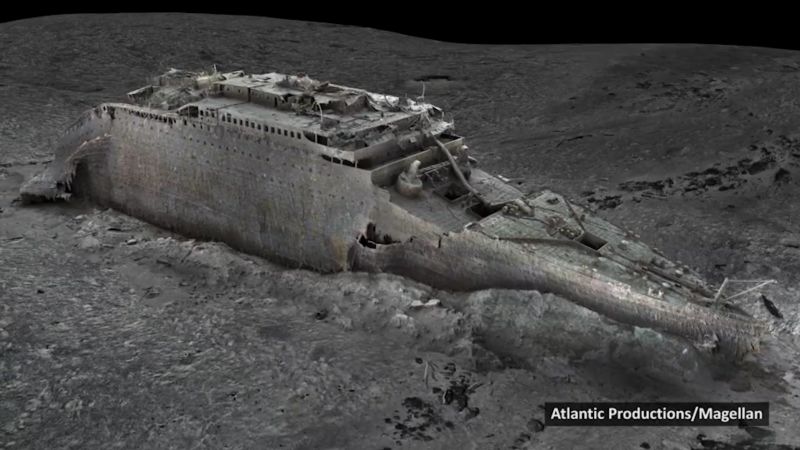
A team of scientists has used deep sea mapping to create "an exact 'Digital Twin' of the Titanic wreck for the first time," according to a press release from deep sea investigators Magellan and filmmakers Atlantic Productions. The project used 700,000 images to reconstruct the wreckage and historians believe it may provide some answers to the mysterious 1912 sinking of the luxury passenger liner that killed more than 1,500 people.