
Tag

Heat Action Plans

All articles tagged with #heat action plans

climate-change2 years ago

Global Hotspots: Where Extreme Heat Will Devastate in the Coming Years

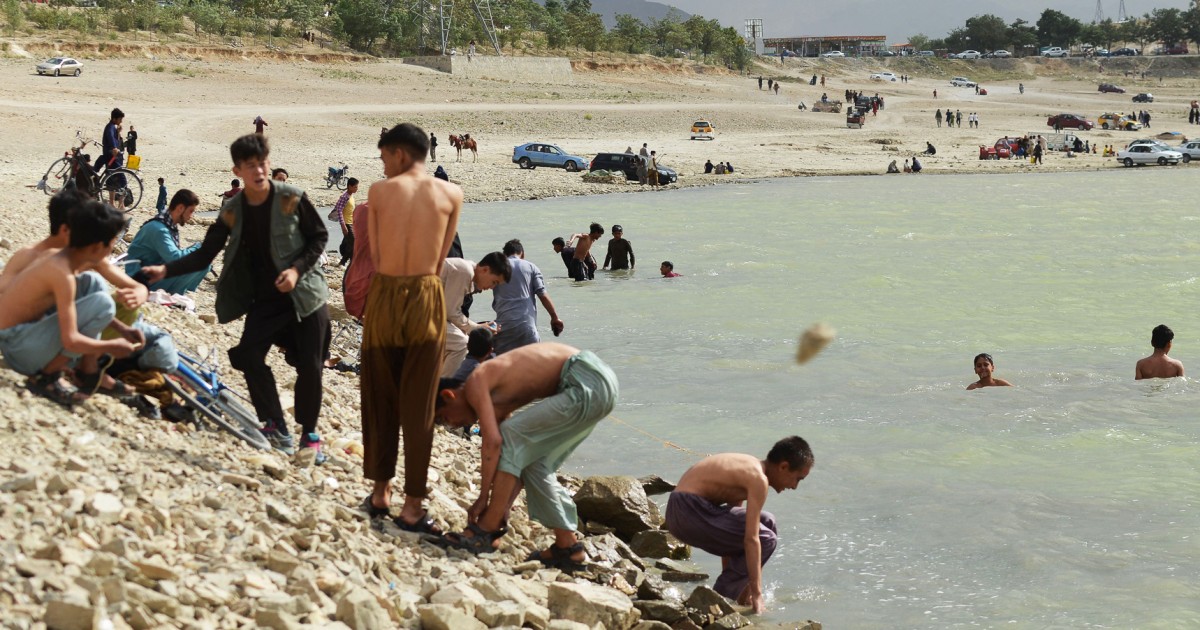
Parts of Asia, Europe, and Central America are at risk of record-breaking heat waves, yet are likely the least prepared to deal with such punishing extremes, according to a new study. The research identified regions where heat waves intensified by climate change, combined with existing socioeconomic issues, will create potentially devastating vulnerabilities. The study focused on parts of the world that are likely to experience brutal heat waves but have not yet suffered through extreme temperatures. These areas likely do not have the resources in place to cope with sweltering conditions. The researchers hope the findings will spur governments to do more to prepare for heat waves, particularly for populations that could be disproportionately affected by extreme temperatures.
climate-change2 years ago

India's Heat Wave Reaches Dangerous "Wet-Bulb" Threshold

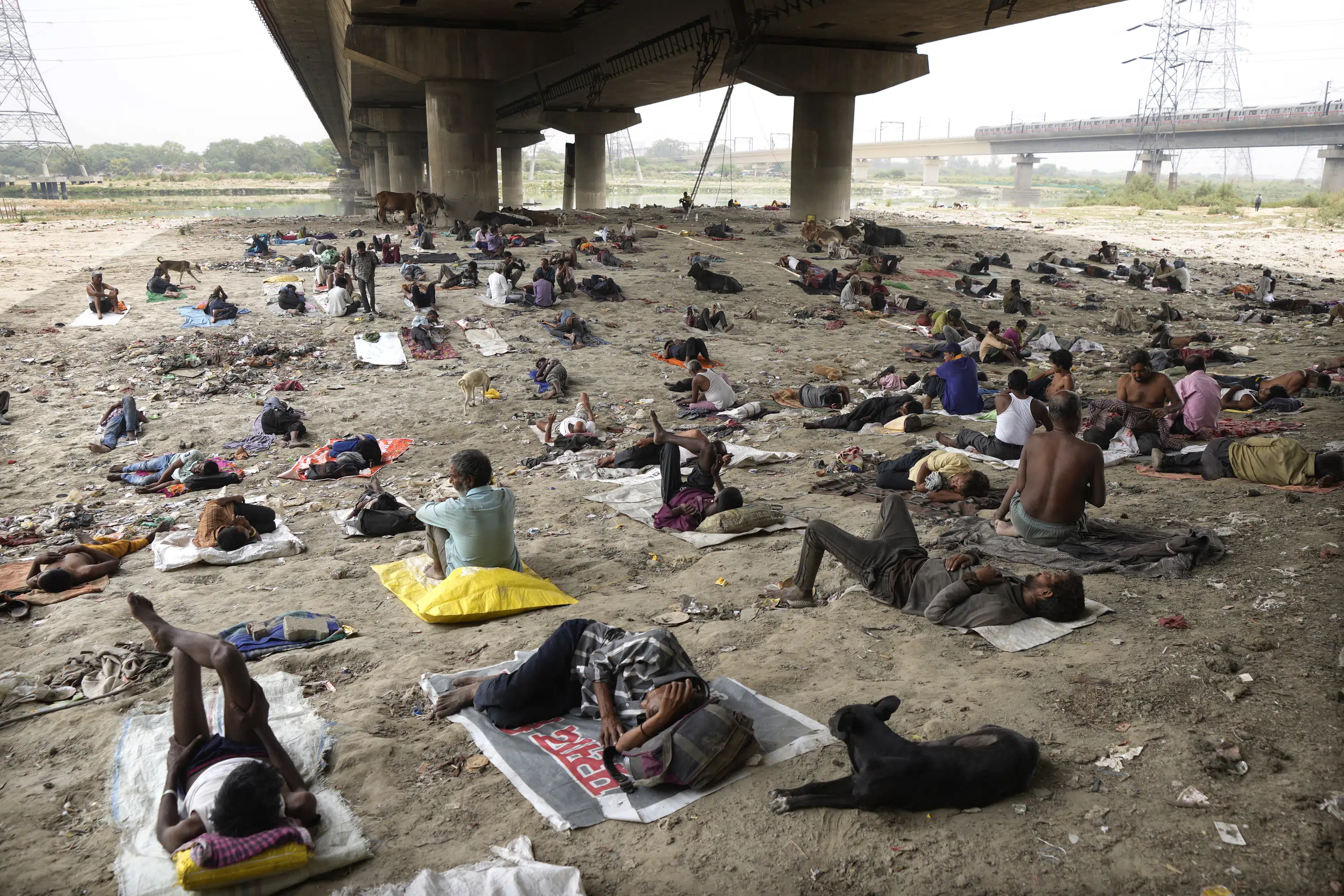
Rising temperatures in India are pushing the country towards the deadly "wet bulb" threshold, which could lead to increased fatalities if human body temperatures exceed 35°C. A Lancet study found a 55% spike in fatalities in India between 2000-2004 and 2017-2021 due to extreme heat. India's heat action plans (HAPs) do not consider the threats posed by humid heat, and only two of the 37 HAPs across 18 states have explicitly targeted vulnerable groups. The rest only have broad categories such as the elderly, outdoor workers, and pregnant women.

climate-and-environment2 years ago

India's Struggle with Heat Waves and Human Survival Limits

Indian authorities need more resources and better preparation to deal with searing heat, particularly for the most vulnerable communities around the country, a New Delhi-based think tank said. At least 26,000 people have died due to heat in the last 30 years in India alone. The Centre for Policy Research found that the heat action plans are not updated regularly, don’t have separate budgets in most cases, have no legal support to implement them and the most vulnerable populations in any given region are not identified in the plans.