Global life expectancy has returned to pre-pandemic levels at around 76.3 years for women and 71.5 for men, but rising death rates among adolescents and young adults, along with persistent health inequities and preventable risk factors, highlight urgent global health challenges that require strategic policy responses.

Global life expectancy has returned to pre-pandemic levels, but rising death rates among teens and young adults, driven by factors like suicide, drug overdose, and infectious diseases, highlight ongoing health disparities and emerging crises, especially in low-income regions. The study emphasizes the need for expanded health policies and international aid to address preventable risks and health inequities worldwide.
A study published in JAMA reveals a 62% decrease in cervical cancer deaths among U.S. women under 25 from 2013-2015 to 2019-2021, attributed to HPV vaccination. The vaccine, introduced in 2006, prevents high-risk HPV infections, the primary cause of cervical cancer. Despite increased vaccination rates, they remain below the 80% target. The study highlights the importance of improving vaccination rates to further reduce cervical cancer cases and deaths, especially in low- and middle-income countries where most deaths occur.
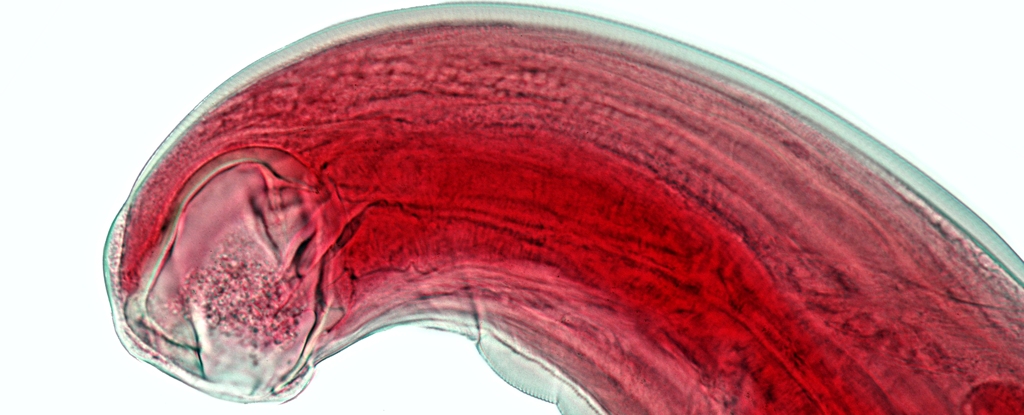
Intestinal infections caused by parasites and bacteria are prevalent in low-income, mostly Black communities in the US due to inadequate sanitation systems and limited access to medical care. Recent studies found that up to 73% of adults in these communities have elevated intestinal inflammation, which can lead to poor health outcomes. The Biden administration's recent ruling against Alabama's public health department for discriminating against Black residents by denying access to adequate sanitation systems is a step towards addressing this issue. However, a nationwide effort to update and maintain sanitation systems is needed to halt infection transmission and support health equity across the US.