The United Nations is set to sign a landmark cybercrime treaty in Hanoi with around 60 countries, aiming to enhance international cooperation against cyber offenses like phishing, ransomware, and online trafficking. The treaty, which requires ratification by 40 nations to take effect, has faced criticism over potential human rights abuses and vague definitions of crimes. While it seeks to strengthen global cyber defenses, concerns remain about privacy, surveillance, and the implications for human rights, especially given Vietnam's controversial record on online censorship and dissent.

Vietnam celebrated its 80th independence anniversary with its largest military parade in decades, showcasing advanced military equipment and involving thousands of troops from multiple countries, alongside unprecedented cash handouts and the release of nearly 14,000 prisoners, amid strong displays of nationalism in Hanoi.
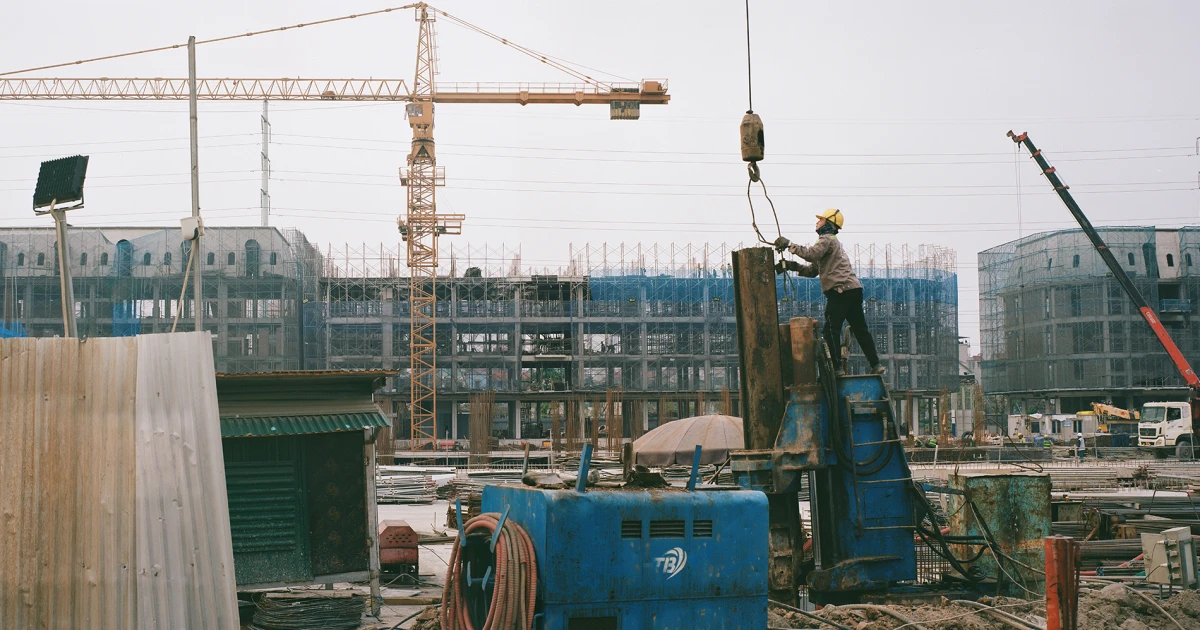
Hanoi, Vietnam's rapidly growing capital, has become the world's most polluted city due to intense urbanization, industrial activity, and construction, with air quality often reaching hazardous levels, primarily caused by vehicle emissions, cement production, and dust from construction zones, despite government efforts to implement stricter environmental policies.
A massive fire broke out in a nine-story apartment building in Hanoi, Vietnam, killing at least 56 people, including four children, and injuring 37 others. The fire started in the parking area of the building, which had no emergency exit, and rescue operations were hindered by the building's location at the end of a narrow alley. Many of the victims suffered from smoke inhalation and injuries sustained while trying to escape. The cause of the fire is under investigation, and the building's owner has been detained. Vietnamese Prime Minister Phạm Minh Chinh expressed condolences and emphasized the need for improved fire prevention and firefighting measures.