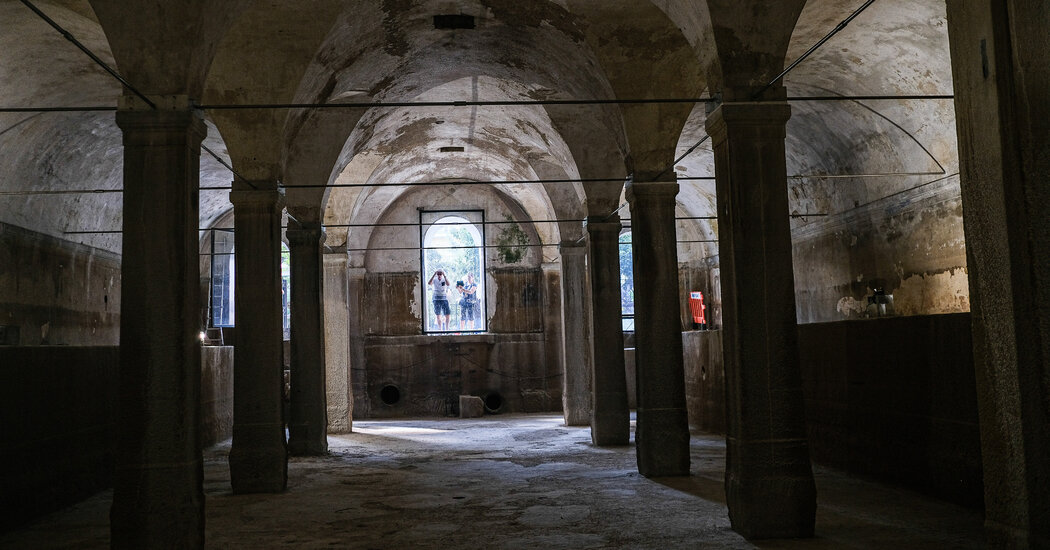
Athens is revitalizing Hadrian's Aqueduct, an ancient Roman water system, to address modern water shortages. This initiative aims to enhance the city's water management and sustainability efforts by integrating historical infrastructure with contemporary needs.
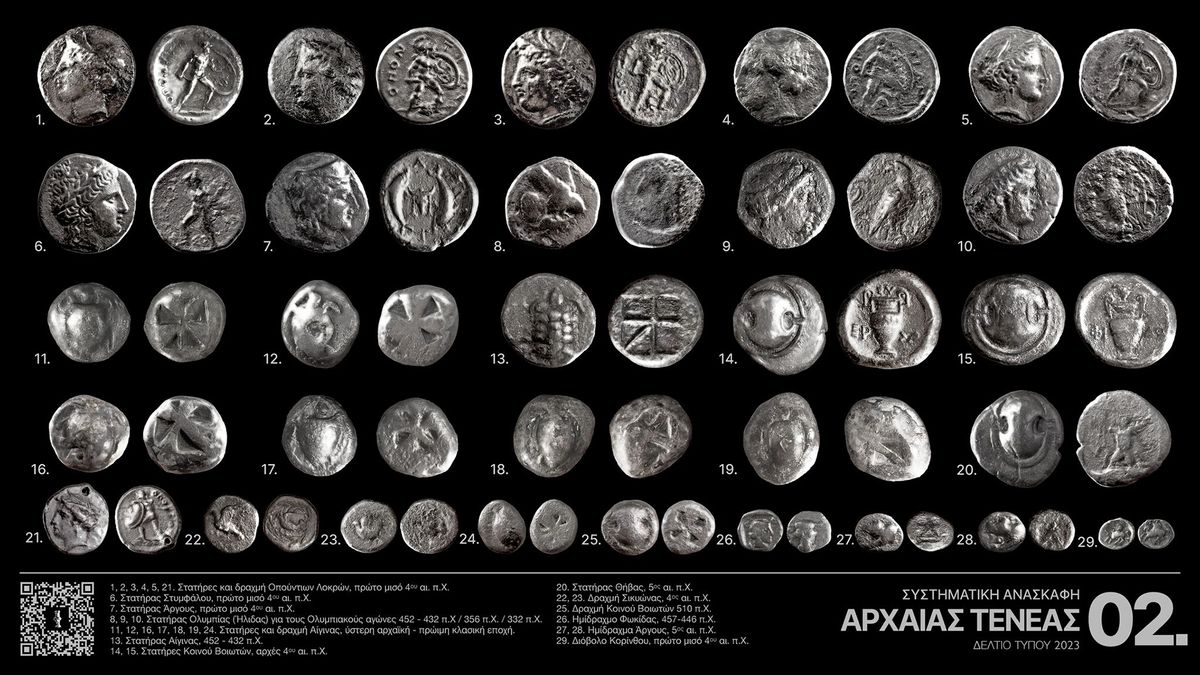
Archaeologists in Greece have uncovered part of a massive aqueduct built by Roman emperor Hadrian to supply water to Corinth, along with rare Greek coins and the remains of an ancient settlement. The aqueduct, over 100 feet long, was part of a monumental hydraulic project and is just one of the discoveries at the Tenea archaeological site, which also include a building complex dating back to the Archaic and Hellenistic periods, a Roman-era cemetery, and prehistoric settlement remains. The rare silver coins found at the site, dating to the late sixth century B.C., were used in religious worship, shedding light on the site's ancient significance.