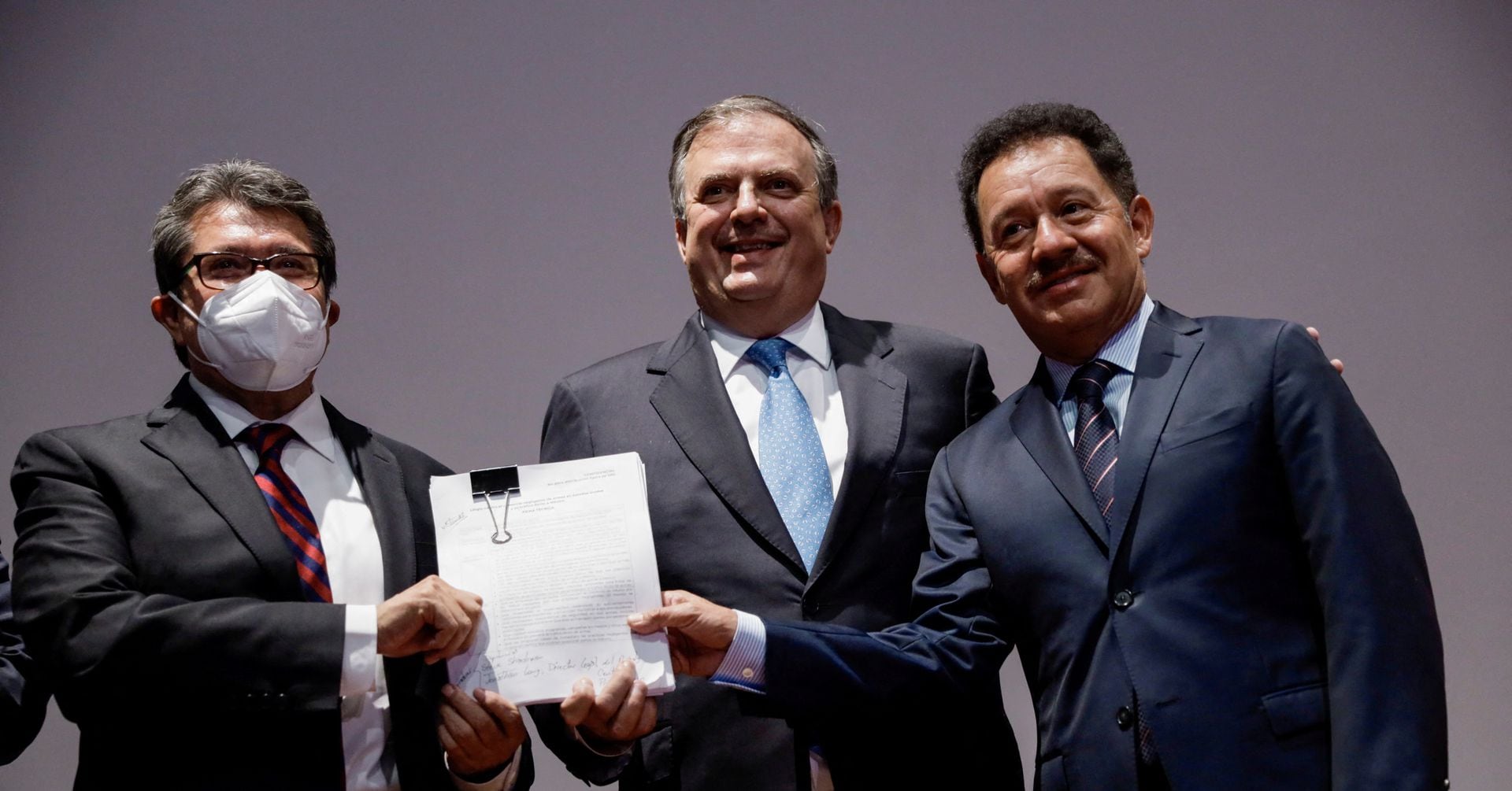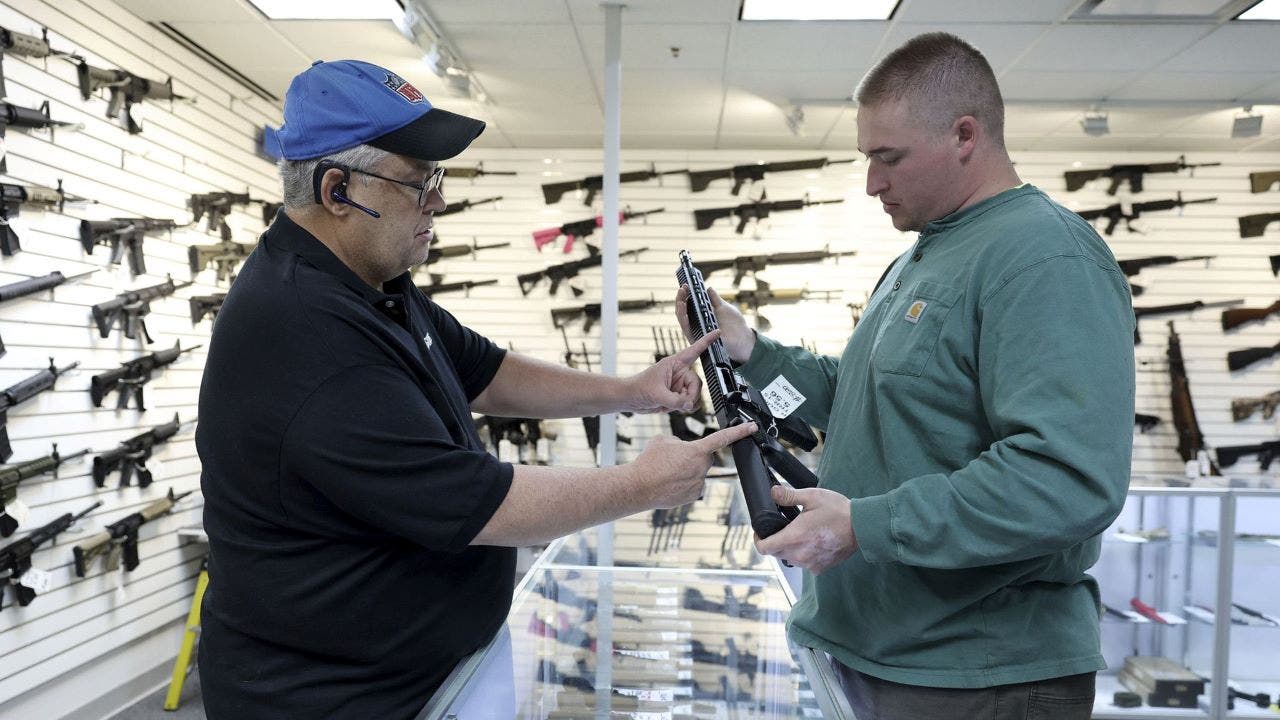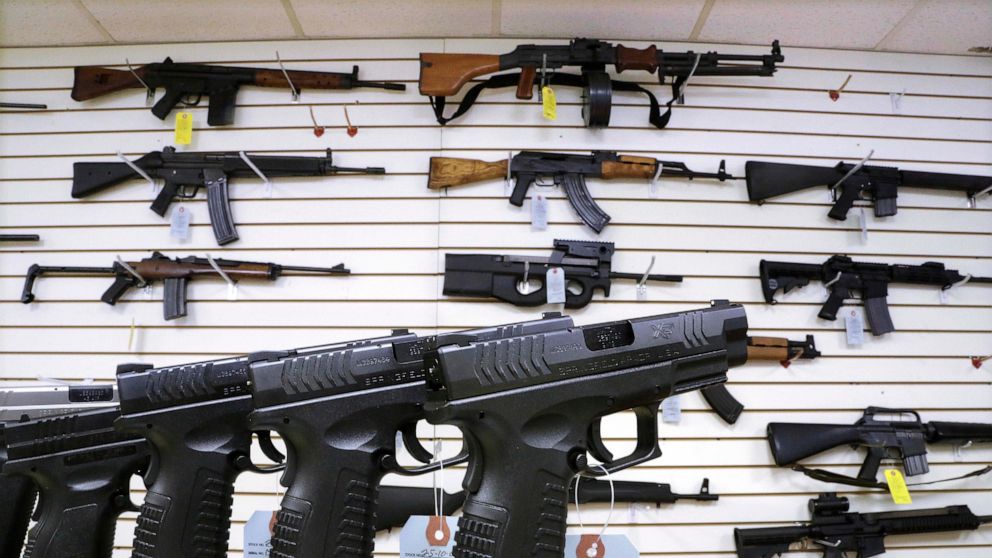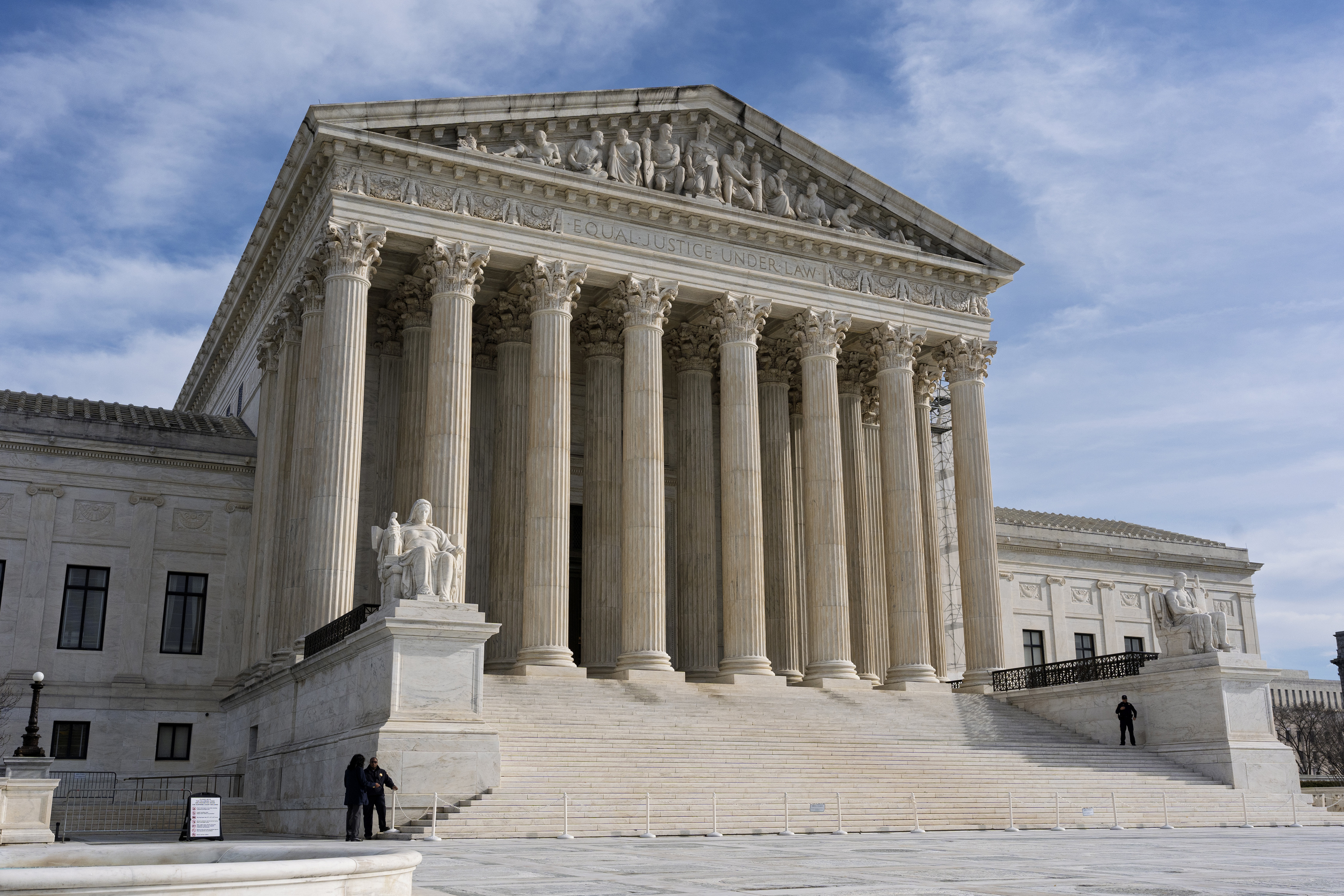
The U.S. Supreme Court unanimously ruled that Mexico's lawsuit against American gun makers, accusing them of aiding illegal sales that fueled violence in Mexico, was too tenuous to proceed, citing lack of direct evidence of aiding and abetting and emphasizing the legal protections for gun manufacturers under the 2005 law.

Despite the potential of magazine disconnects to prevent accidental gun deaths, most firearms lack this safety feature due to legal protections for gun manufacturers and changing consumer preferences. The 2005 federal liability shield limits lawsuits against gunmakers, reducing pressure to adopt safety features. While some states like California mandate such features, legal challenges and industry resistance persist. Cases like the Gustafsons' lawsuit against Springfield Armory highlight ongoing debates over manufacturer responsibility and gun safety regulations.
Shares in gun manufacturers Smith & Wesson and Sturm, Ruger & Co. surged following an assassination attempt on former President Donald Trump, reflecting a common market reaction to events perceived as increasing domestic risk or potential firearm ownership crackdowns. However, experts caution that these stock movements may be short-lived and ultimately depend on the companies' long-term financial performance.
A US appeals court has revived Mexico's $10 billion lawsuit against American gun manufacturers, alleging that they facilitated the trafficking of weapons to Mexican drug cartels. The court overturned a lower-court judge's decision, stating that the federal Protection of Lawful Commerce in Arms Act does not shield the manufacturers from liability over the trafficking of guns to Mexican criminals. Mexico claims that over 500,000 guns are trafficked annually from the US into Mexico, and the lawsuit seeks to hold the gun industry accountable for contributing to gun violence across borders.
Liberal activist shareholders are preparing to sue Smith & Wesson, one of the largest gun manufacturers in the US, alleging that the company violated its fiduciary duty by selling and promoting AR-15 rifles. The lawsuit claims that the company's board failed to exercise oversight, exposing shareholders to unnecessary liability. This legal action is part of a broader movement known as environmental, social, and governance (ESG), which aims to pressure investors to be more socially conscious. Critics argue that ESG investments prioritize political agendas over financial returns, while proponents argue that it helps identify riskier companies and promotes safer returns.
Illinois Governor J.B. Pritzker has signed a law banning firearms advertising that officials determine produces a public safety threat or appeals to children, militants, or others who might later use the weapons illegally. The law opens the door for lawsuits against firearms manufacturers or distributors and is part of ongoing efforts to eliminate gun violence. This comes after the deadliest six months of mass killings in the United States since at least 2006. Pritzker also signed a ban on semi-automatic weapons earlier this year, which is being challenged in federal court.
Tennessee lawmakers have passed a proposal that would protect gun and ammunition dealers, manufacturers and sellers against lawsuits, despite pushback from Democratic lawmakers saying their GOP counterparts are trying to shield gun companies just weeks after the Nashville school shooting that killed six people, including three 9-year-olds. The bill spells out a half-dozen situations in which gun and ammo companies could be held civilly liable in state courts, exempting others. The firearm industry remains largely shielded from liability under federal law.