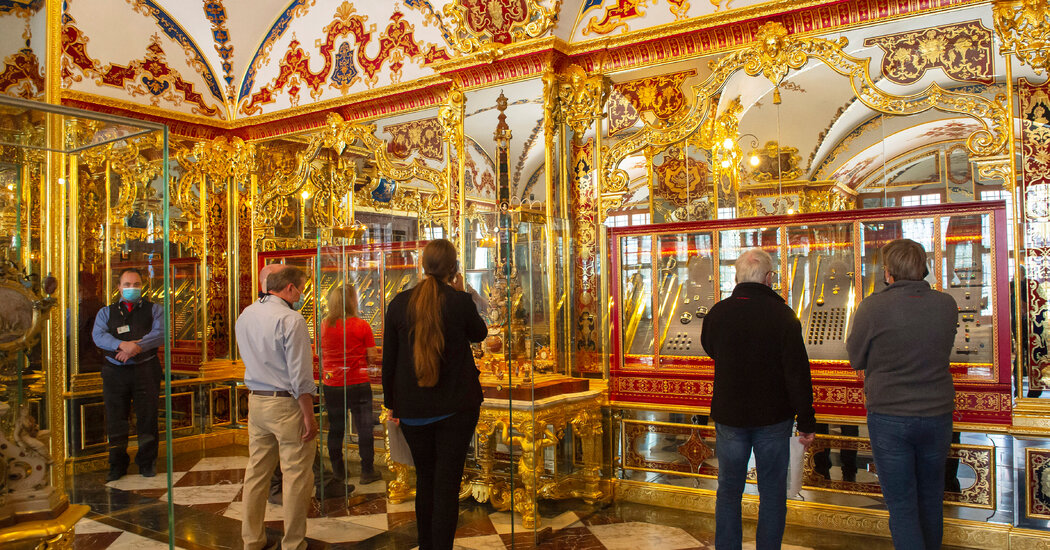
Five members of the "Remmo clan" have been sentenced to up to six years in prison for stealing priceless 18th-century jewels worth over $123 million from the Green Vault museum in Dresden in 2019. The gang members, who are known for their ties to organized crime, were charged with aggravated gang theft and serious arson. Most of the stolen jewels have been recovered, and a sixth family member was acquitted. The plea deal has been criticized for not requiring the defendants to reveal their accomplices. The Green Vault collection was assembled by Augustus the Strong and survived World War II before being returned to Dresden in 1958.
Five men from the notorious Remmo Clan in Berlin have been convicted and sentenced for their role in the 2019 heist of a hundred-million dollar royal jewelry collection from the Green Vault in Dresden, Germany. The men were sentenced to prison time ranging from 4 years and 4 months to 6 years and 3 months. The trial lasted 15 months and shed light on a German justice system that failed to stop determined criminals. The Remmo family is known for their loyalty and unwillingness to deal with authorities, making the plea deal in the Green Vault case striking.
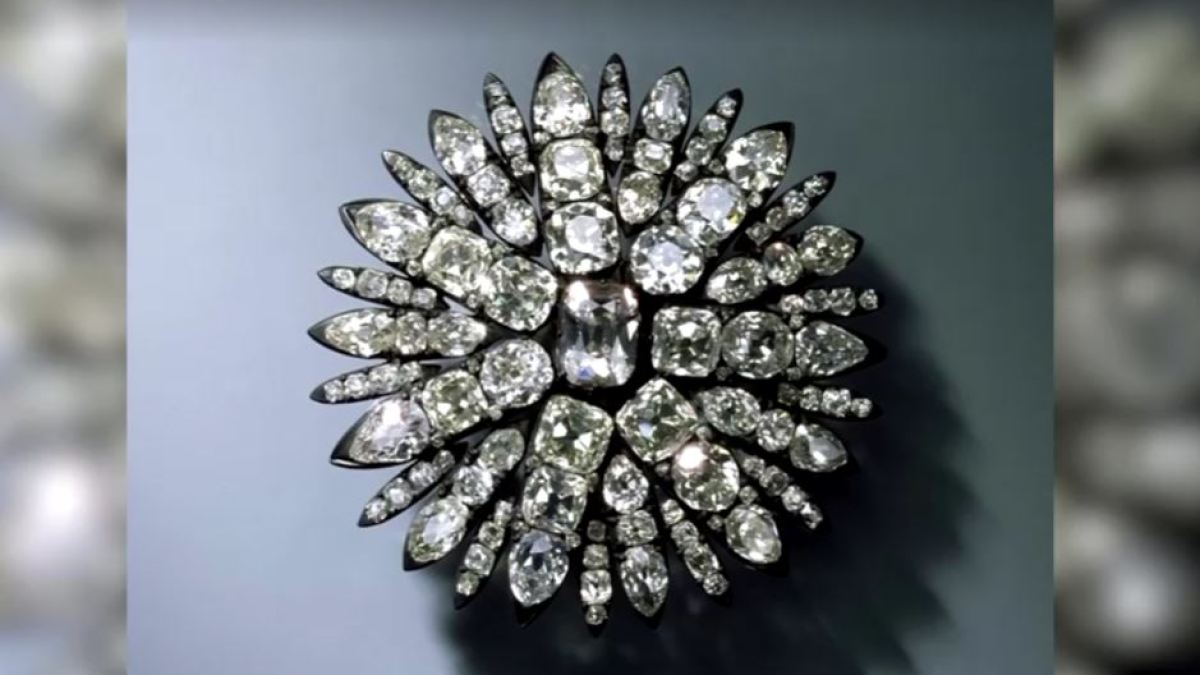
Five men from the notorious Remmo Clan in Berlin have been convicted and sentenced for their role in the 2019 heist of a hundred-million dollar royal jewelry collection from the Green Vault in Dresden, Germany. The men used a pneumatic Jaws of Life tool to break into the museum and stole 21 lavish pieces, including a ceremonial sword, brooches, pendants, headwear, necklaces, buttons, and two diamond-encrusted epaulets. Most of the loot was returned, but some pieces are still missing or damaged. The men were sentenced to prison time ranging from 4 years and 4 months to 6 years and 3 months, and the state is seeking nearly €89 million in damages.
Five men have been sentenced to prison for their involvement in the $123 million jewelry heist at the Green Vault in Dresden, Germany in 2019. The heist included the theft of 21 diamond-studded artifacts, some of which have been returned. The defendants received lighter sentences due to partial confessions and returning some of the loot. One defendant was acquitted. The stolen artifacts were made during the rule of Frederick Augustus III and have significant historical and cultural importance.