US Treasury Secretary Janet Yellen has stated that the US will take steps to protect its green technology industry from competition with China, emphasizing the importance of maintaining a technological edge in this critical sector.
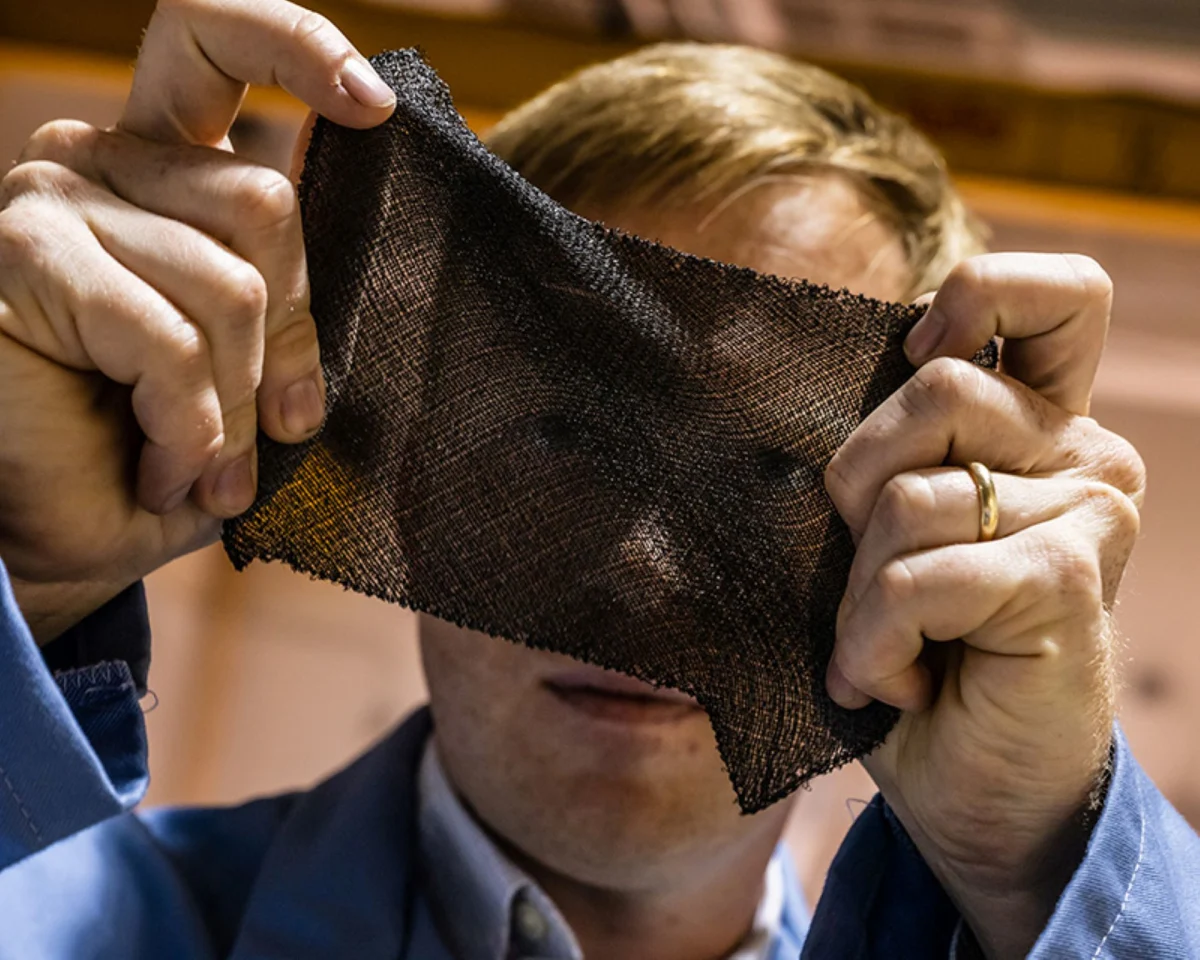
Scientists have developed a new material called Galvorn, which is stronger than steel, lighter than aluminum, and has the conductivity of copper. The material, inspired by J.R.R. Tolkien's "Lord of the Rings," has the potential to revolutionize the green tech landscape by replacing rare and expensive metals like copper in electronics. Galvorn, made through a high-tech process that splits hydrocarbons, can be used in various forms such as tape, yarn, thread, or mesh. Its applications include lighter and faster vehicles, wind-turbine blades, improved battery conductivity, and strengthening buildings and infrastructure. DexMat, the company behind Galvorn, aims to make carbon-heavy resources like copper obsolete and contribute to cleaner air and the advancement of green technology.
Scientists have developed a new material called Galvorn, which is stronger than steel, lighter than aluminum, and has the conductivity of copper. This "magical" material has the potential to revolutionize the green tech industry by replacing rare and expensive metals like copper, contributing to cleaner air, and advancing renewable energy storage. Galvorn, inspired by J.R.R. Tolkien's "Lord of the Rings," is already being used to de-ice plane wings and has applications in lighter vehicles, wind-turbine blades, and infrastructure. The clean manufacturing process of Galvorn locks carbon into long-term storage, making it an environmentally friendly alternative.
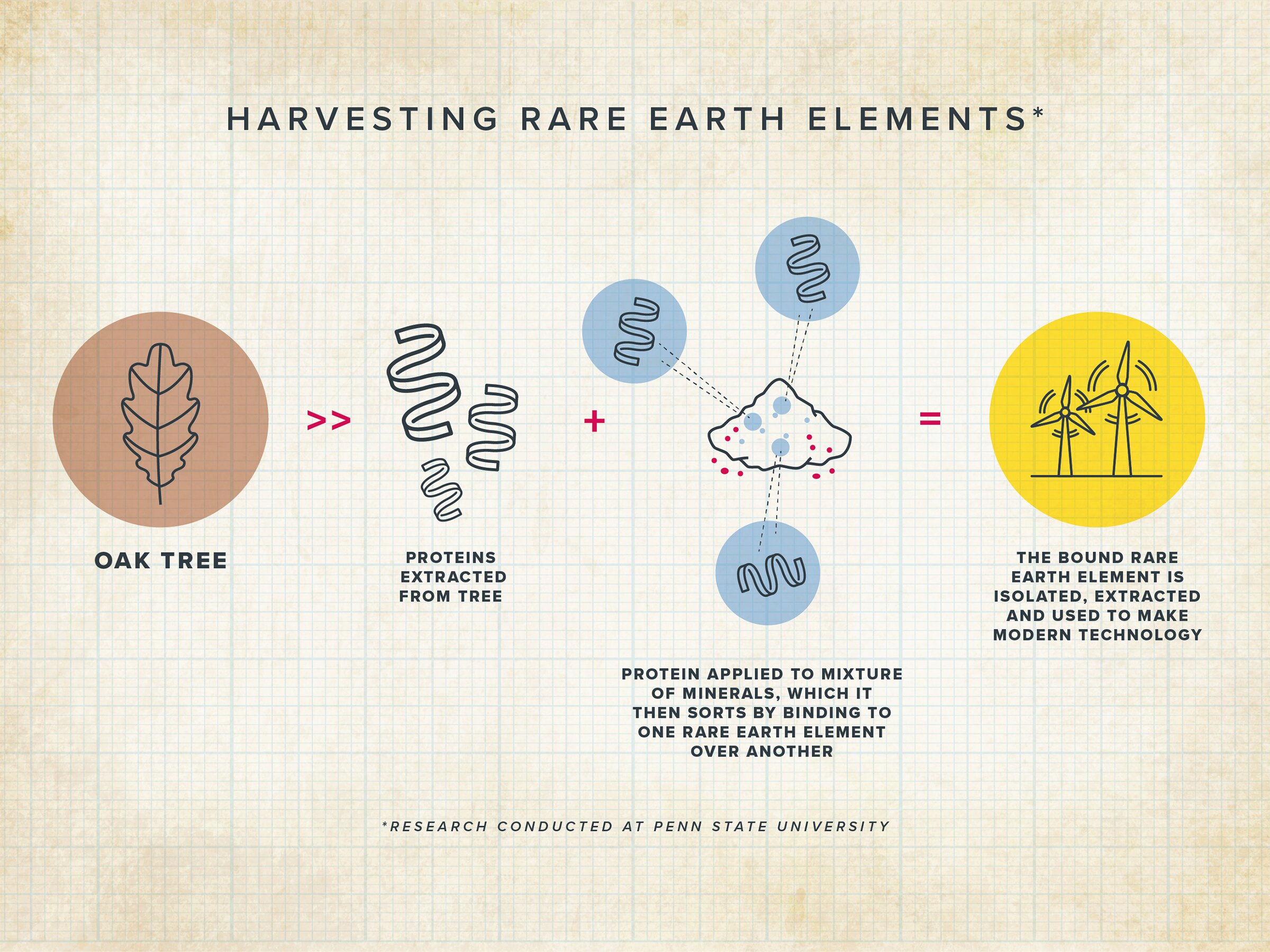
Scientists at Penn State have discovered a new mechanism by which bacteria can select between different rare earth elements, using the ability of a bacterial protein to bind to another unit of itself, or "dimerize," when it is bound to certain rare earths, but prefer to remain a single unit, or "monomer," when bound to others. By figuring out how this molecular handshake works at the atomic level, the researchers have found a way to separate these similar metals from one another quickly, efficiently, and under normal room temperature conditions. Harnessing this power could revolutionize all tech sectors by fundamentally changing how critical minerals like rare earths are harvested, leading to more efficient, greener mining and recycling practices.