The ongoing Democrat-led government shutdown has severely impacted the US air traffic control system, leaving 13,000 controllers unpaid and risking flight delays and cancellations, with concerns over recruitment and safety as the shutdown continues to be used as political leverage.
The Philadelphia region is preparing for another series of No Kings protests this weekend, part of a nationwide movement against the Trump administration's policies, including a government shutdown and military actions in Democratic cities. The main rally will start at City Hall with a march to Independence Mall, featuring speeches from local officials and participation from various advocacy groups. The protests are expected to cause road closures and traffic delays, coinciding with the Philadelphia Bike Ride event. The protests aim to send a message of equality and opposition to fear and force in government.
The article criticizes Democrats, including AOC and Bernie Sanders, for their role in the government shutdown, accusing them of hypocrisy and obstruction while highlighting President Trump's efforts to mitigate the impact on service members and low-income Americans.
Senate Democrats are debating how to respond to Senate Majority Leader Thune's plan to bring a defense funding bill to a vote, with internal disagreements on strategy amid looming government shutdown and partisan tensions, highlighting mistrust and strategic divisions within the Senate.
The article criticizes Chuck Schumer and Democrats for causing a government shutdown that is negatively impacting Americans, including service members, small business owners, federal workers, and tourists, leading to financial hardship and frustration, with many calling for the shutdown to end.
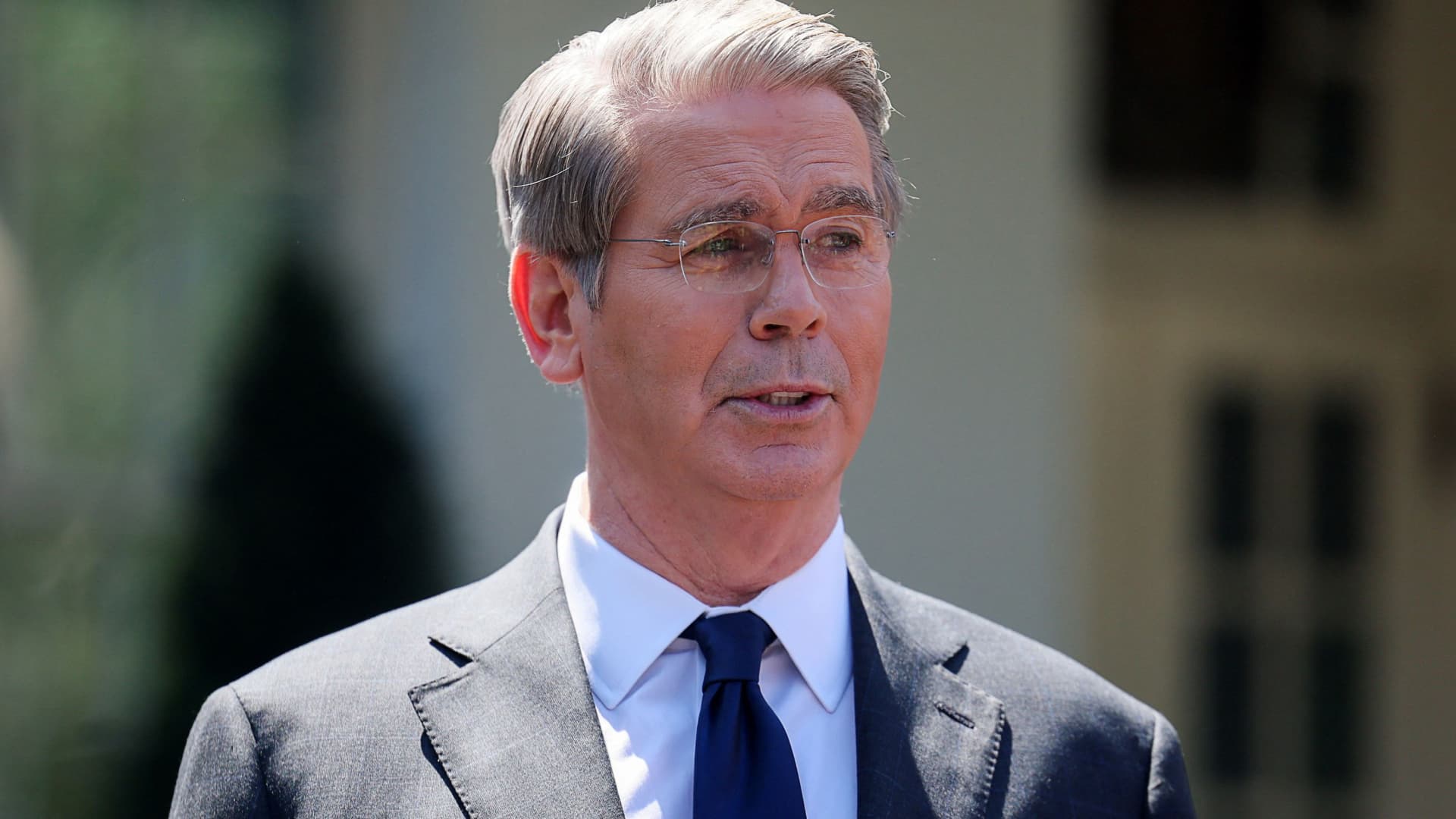
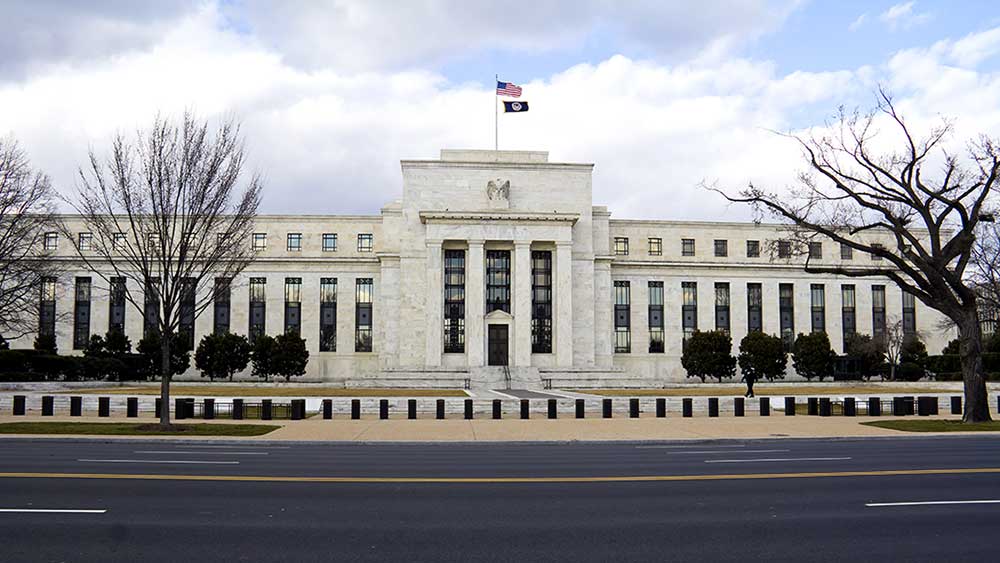
Treasury Secretary Scott Bessent warned that the ongoing US government shutdown could negatively impact economic growth, potentially causing a decline in GDP and affecting federal workers and the labor market, despite recent positive growth trends. He also mentioned upcoming support for farmers and ongoing discussions about replacing Fed Chair Jerome Powell.
The ADP report revealed a surprising private sector job loss in September amid the government shutdown, raising economic concerns and increasing the likelihood of a Fed rate cut on October 29. Stock markets declined slightly, and bond yields fell, reflecting investor caution. The shutdown's duration could further impact economic growth and federal employment, with market expectations now fully pricing in a rate cut.
Congressional leaders have reached a bipartisan agreement to avert a partial government shutdown by extending the deadline for funding the government through March 8 for six spending bills and March 22 for the remaining six. This move comes after struggles to meet previous deadlines due to policy disputes and logistical challenges. President Biden has emphasized the need to avoid a shutdown and provide aid to Ukraine, while some lawmakers are considering leveraging automatic cuts to control government spending.
Congressional leaders have reached a tentative agreement to prevent a government shutdown by temporarily funding federal agencies through March 8 and March 22, while working on legislation to fund the government for the rest of the budget year. However, there is no immediate plan to approve the $95 billion emergency national security funds for Ukraine, Israel, and other allies. The deal comes as the House and Senate need to vote and approve the temporary funds before Friday's deadline, and President Biden has urged leaders to avoid a shutdown.
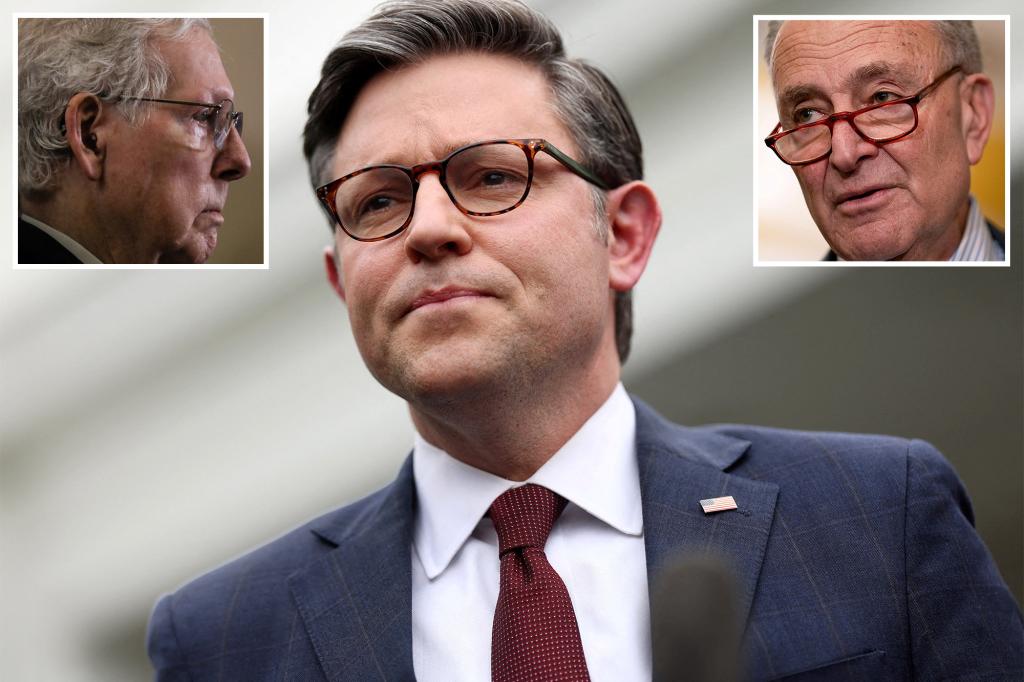
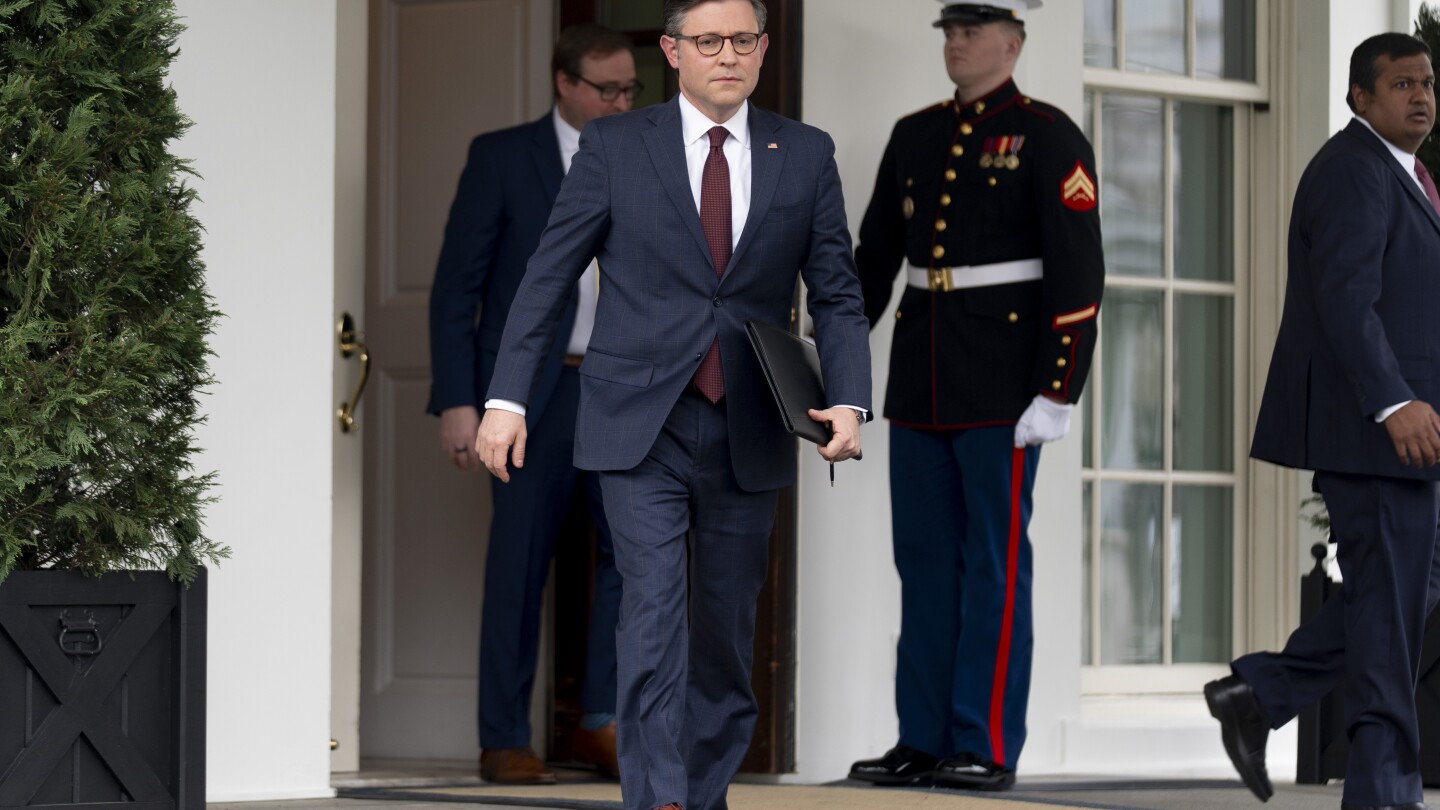
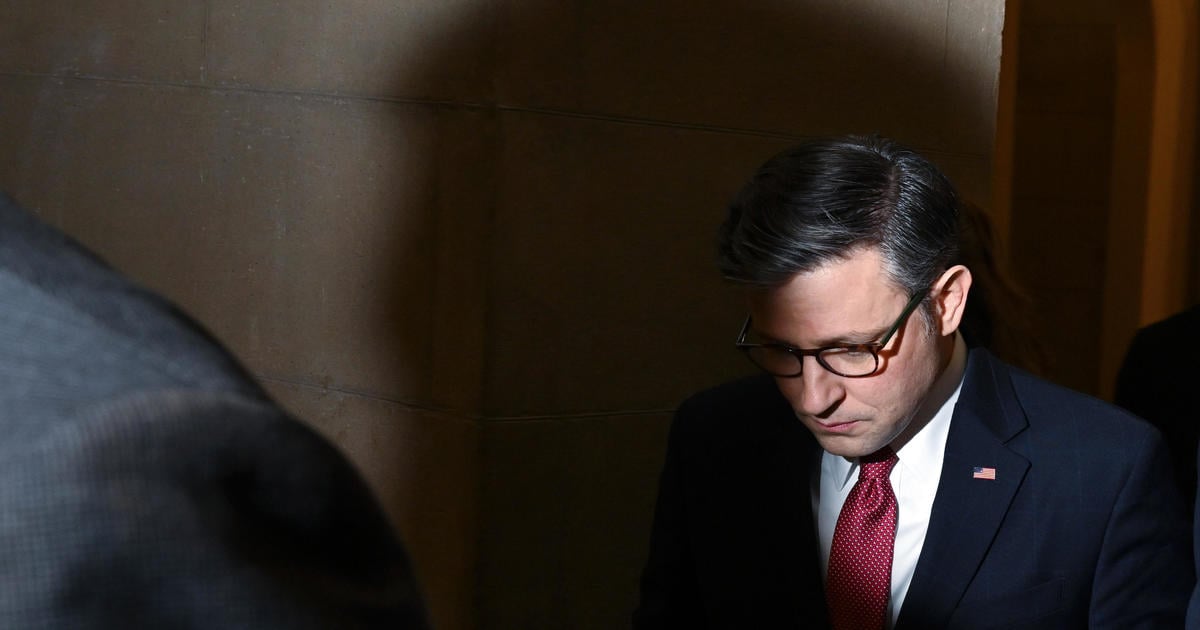
House Speaker Mike Johnson is working to pass the first four spending bills to avoid a government shutdown next week, but he expressed concern about disunity among House Republicans giving leverage to Democrats. He aims to secure GOP priorities in the bills but faces challenges due to the need for overwhelming support from Democrats and disagreements within his party. Johnson is optimistic about meeting the deadline but acknowledges the possibility of a partial government shutdown. Negotiations are ongoing, with a potential short-term funding extension being considered to buy more time for discussions on the remaining spending bills.
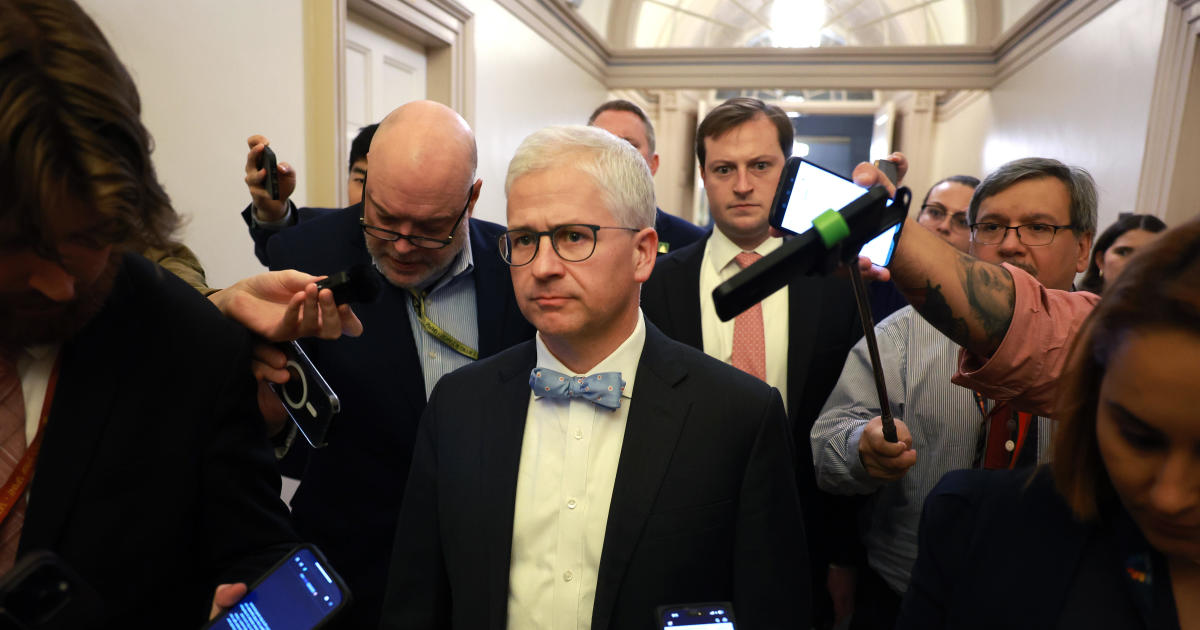
As Congress returns from recess, the threat of a government shutdown looms with deadlines approaching to pass funding bills and avert a partial shutdown after March 1. House GOP dysfunction and infighting over foreign aid and border security have complicated the path forward, with tensions high and odds of a shutdown at least even, according to Rep. Patrick McHenry. Despite a $1.66 trillion funding agreement, disagreements persist, including on policy riders and spending cuts, as lawmakers aim to avoid another short-term solution. Speaker Mike Johnson faces challenges in maneuvering a razor-thin GOP majority and must navigate the funding process carefully to prevent a shutdown.
House Financial Services Chairman Patrick McHenry warns of a potential government shutdown in early March, attributing it to House Speaker Mike Johnson's fear of being ousted. The House is facing a "nuclear" war over funding for Ukraine, with McHenry urging Johnson to allow the Appropriations Committee to reach a deal to avoid a shutdown. Johnson's reluctance to pass national security funding, including aid for Ukraine, is causing gridlock, and McHenry criticizes the disorganization within the House GOP following former Speaker Kevin McCarthy's departure. Additionally, McHenry rejects comparisons between former President Trump's legal challenges and the persecution faced by Russian opposition leader Alexey Navalny, and expresses disappointment in the state of Congress.
Lawmakers are set to announce a temporary funding bill to avert a government shutdown until March, with funding for various agencies set to expire soon. House Speaker Mike Johnson faces pressure from ultraconservative House Republicans over the spending deal, but he is not backing out. If the temporary measure isn't passed before Friday at midnight, a government shutdown could lead to furloughs for federal employees and impact various government services.
Senator James Lankford, a Republican from Oklahoma, has indicated that progress is being made in Senate negotiations on immigration and border policy, with a potential deal expected to be released this week. The bipartisan talks, which also involve Senators Chris Murphy and Kyrsten Sinema, aim to toughen asylum laws and address House Republicans' demands for stricter migration restrictions. The negotiations are crucial for passing new aid to Ukraine and avoiding a government shutdown, with both chambers of Congress and the White House needing to agree on the legislation. House Speaker Mike Johnson has expressed optimism about reaching a deal to prevent a shutdown, while emphasizing the House's commitment to its own border bill, H.R. 2.
House Speaker Mike Johnson has dismissed concerns of a government shutdown over border spending, despite Rep. Chip Roy's threat to withhold funding until border security and asylum reforms are enacted. Johnson clarified that Roy did not intend to suggest a shutdown, despite Roy's letter stating that government funding should be contingent on the President signing H.R. 2 or its equivalent. This comes amidst other Republicans, like Sen. Mike Lee, also threatening to withhold funding over border security, and after a legislative session that ended without significant achievements, partly attributed to GOP extremism by Senate Majority Leader Chuck Schumer.