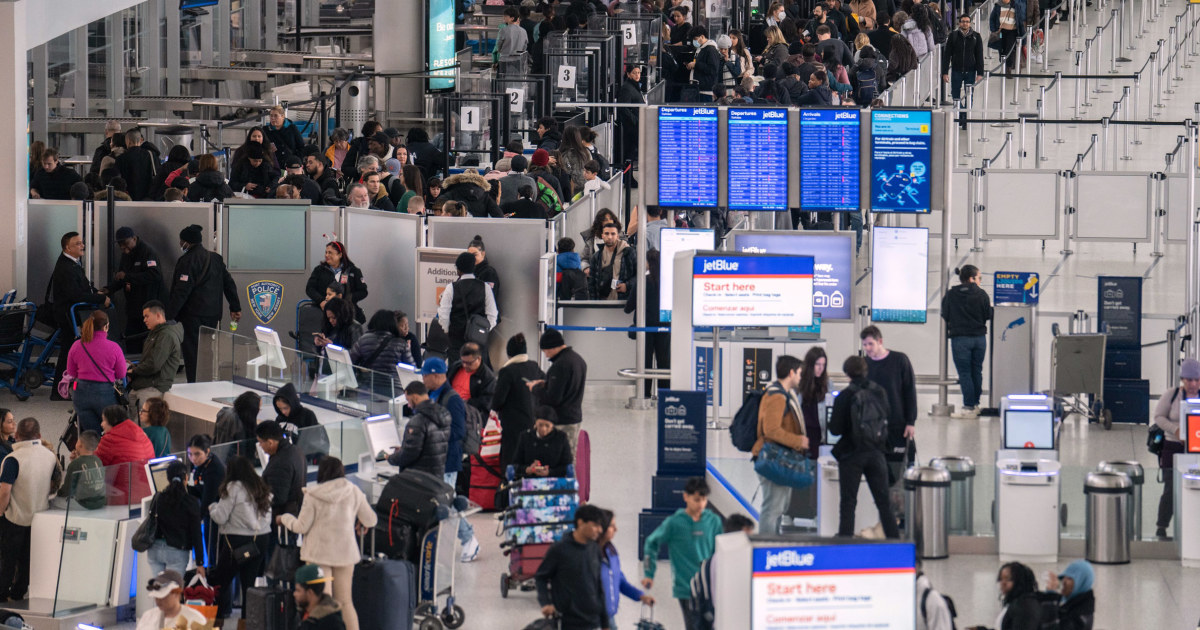
The ongoing Democrat-led government shutdown has severely impacted the US air traffic control system, leaving 13,000 controllers unpaid and risking flight delays and cancellations, with concerns over recruitment and safety as the shutdown continues to be used as political leverage.
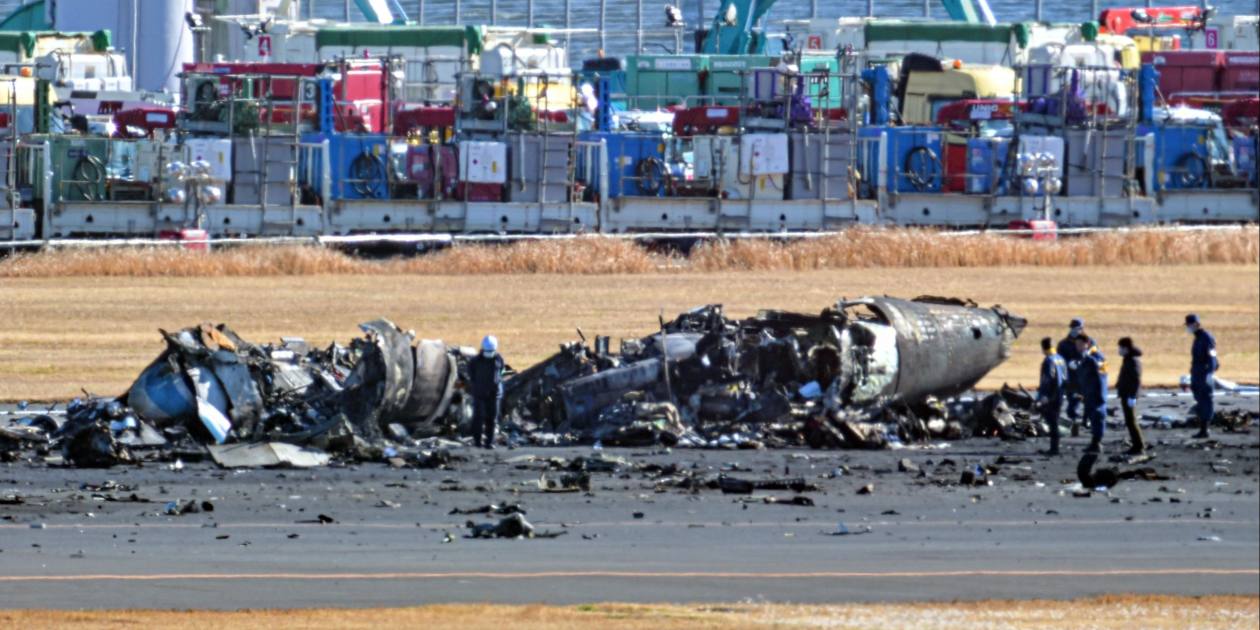
Both the captain and co-pilot of a Japan Coast Guard plane heard the instructions from air traffic control before their aircraft collided with a passenger jet at Tokyo's Haneda Airport. This information suggests that there may have been a misinterpretation of the directions by both officers. The Japan Transport Safety Board is conducting interviews with air traffic controllers and has retrieved the voice recorder from the Japan Airlines plane to investigate the crash further.
At Tokyo's Haneda Airport, air traffic controllers failed to notice a Japan Coast Guard aircraft entering the runway, leading to a fatal collision despite a functioning warning system. The oversight resulted in a crash that claimed the lives of five coast guard members. An investigation is ongoing to determine the specifics of the incident and the reasons behind the missed alert by the air traffic control team.
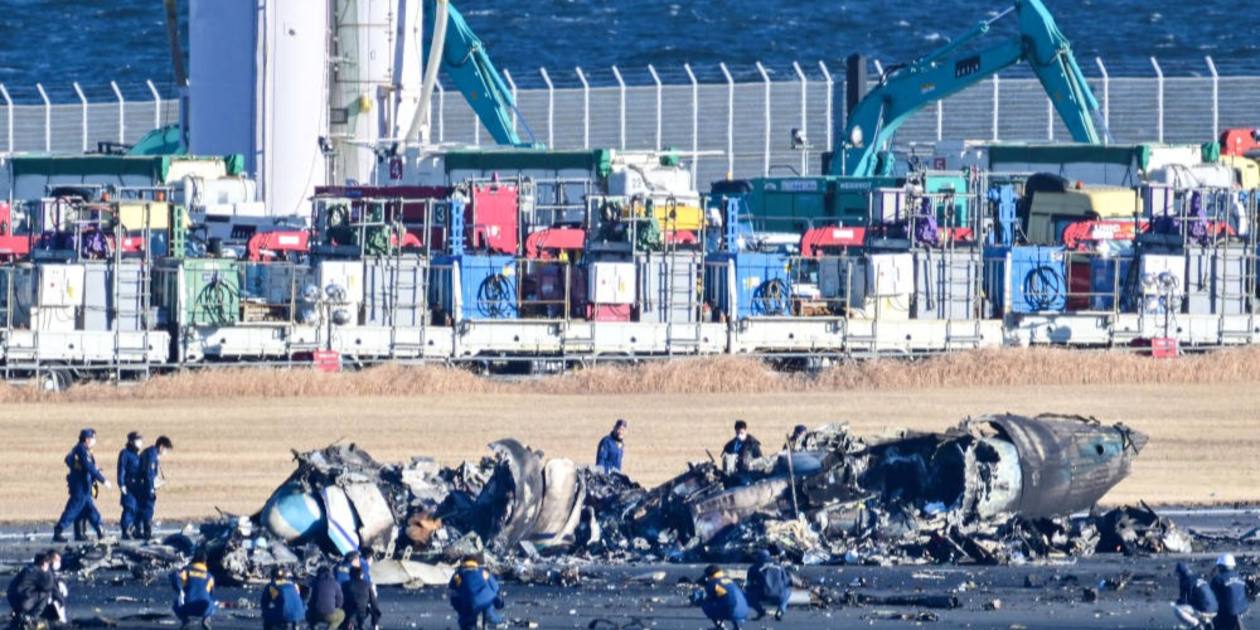
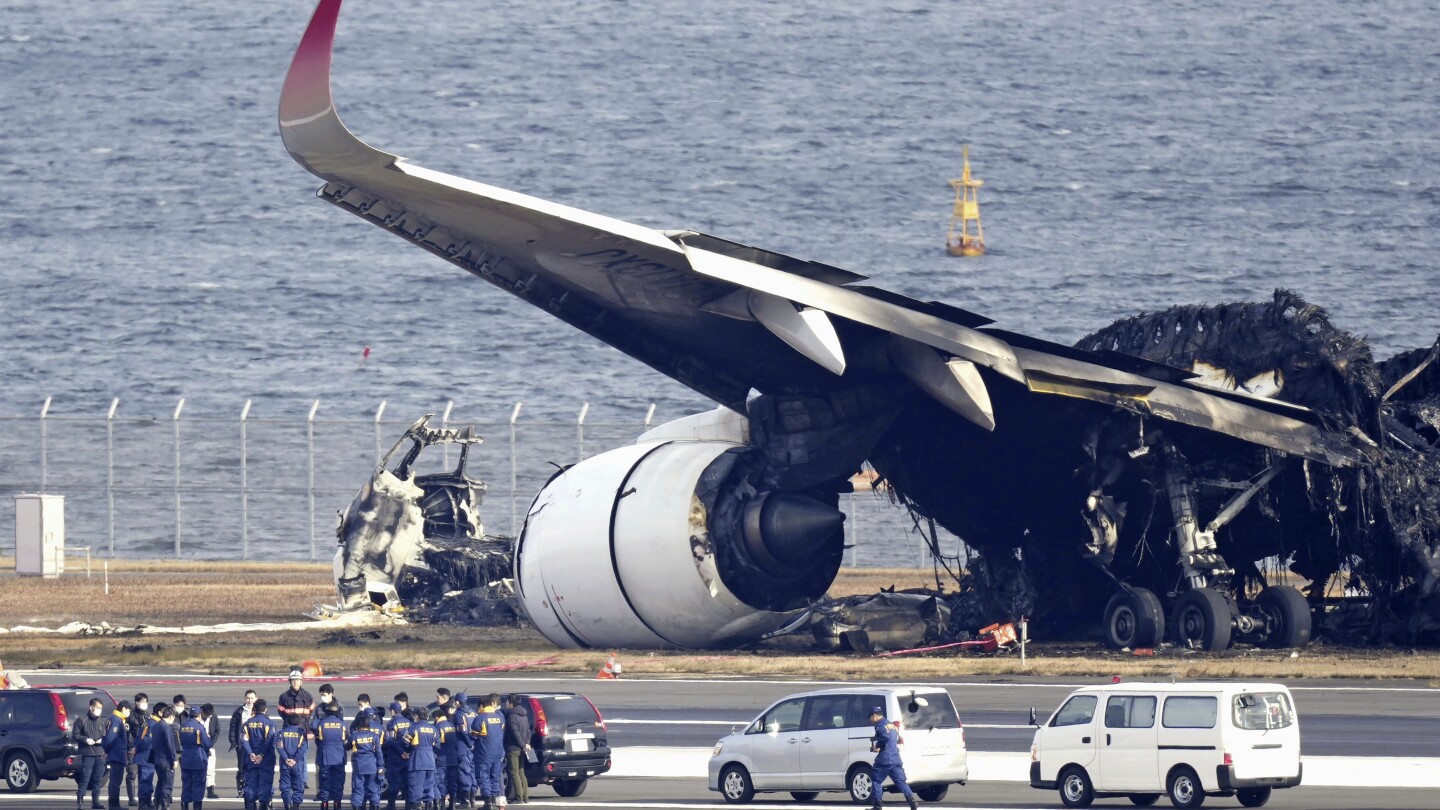
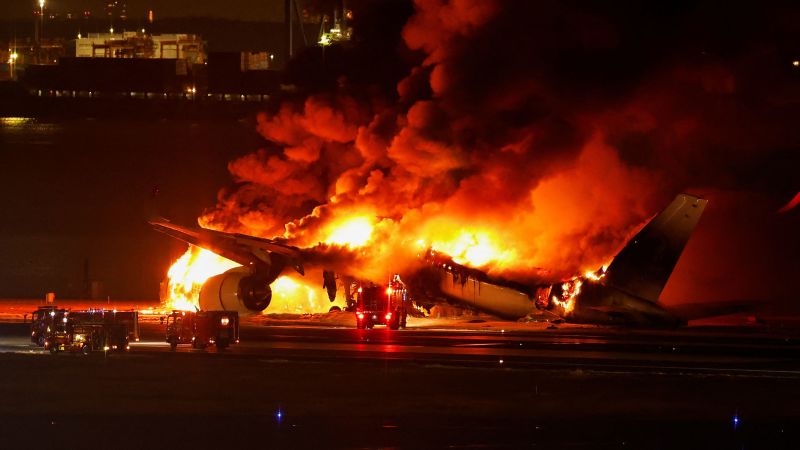
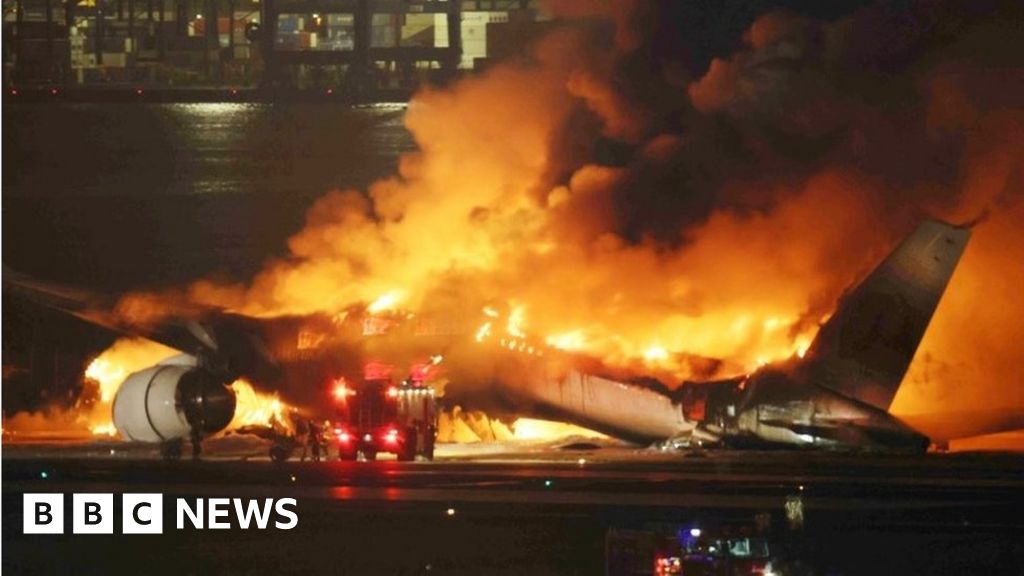
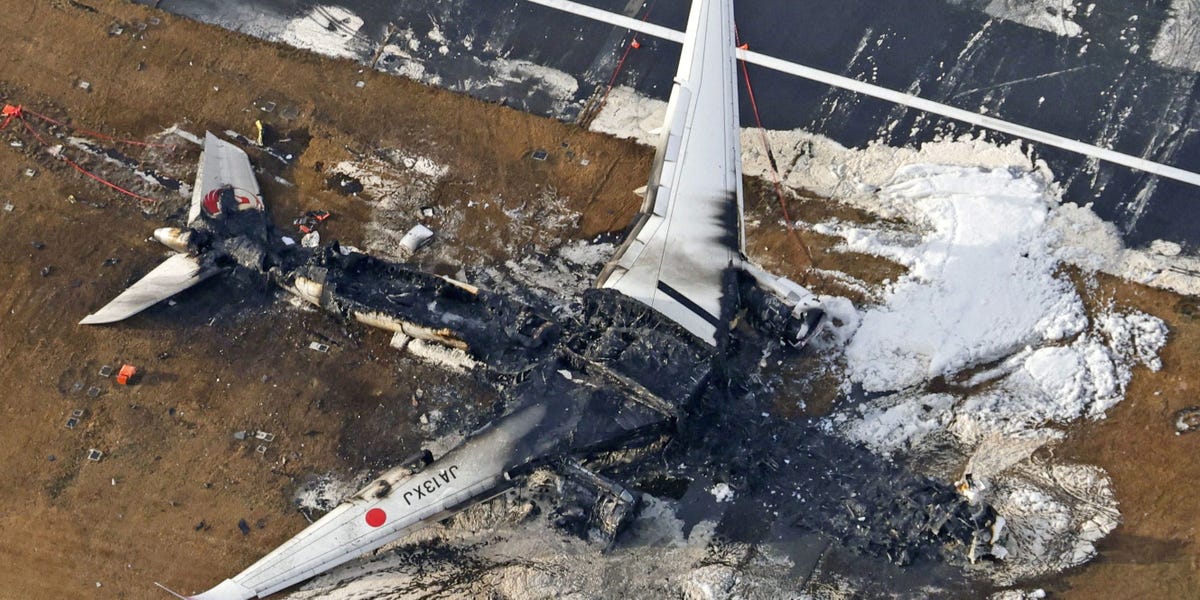
A collision at Tokyo's Haneda Airport between a Japan Airlines passenger flight and a coast guard plane resulted in a fiery crash, with the JAL flight engulfed in flames upon landing. All 379 passengers and crew on the JAL flight survived, while the coast guard plane's crash led to five fatalities and one injury. A transcript revealed that air traffic control had only cleared the JAL flight for landing, with no clear takeoff approval for the coast guard plane. Investigations are underway to determine the cause of the miscommunication and subsequent collision.
A Japanese coast guard aircraft was involved in a fatal collision with a Japan Airlines passenger plane at Tokyo's Haneda International Airport after the coast guard plane was instructed to taxi to a holding point but not cleared for takeoff. The crash resulted in the death of five coast guard crew members, while all 379 passengers on the JAL plane were safely evacuated. An investigation is underway, focusing on air traffic control communications and the potential role of out-of-service runway warning lights.
A Japan Coastguard aircraft collided with a Japan Airlines passenger jet on the runway at Tokyo's Haneda Airport, resulting in a fatal crash and a fire. Air traffic control transcripts revealed that the coastguard plane, which was involved in earthquake relief efforts, was not cleared for take-off at the time of the accident. The JAL Airbus A350 had been cleared to land, and all 379 passengers and crew were safely evacuated, with some sustaining minor injuries. The collision contradicts the surviving coastguard captain's claim of having received take-off clearance. An investigation is underway, with Airbus sending specialists to assist.
A transcript from air traffic control reveals that a Japanese coast-guard aircraft involved in a collision with a Japan Airlines passenger jet at Tokyo's Haneda Airport was not cleared for takeoff, contradicting the surviving coast-guard captain's claim. The passenger jet had permission to land, and all 379 passengers evacuated safely despite a broken intercom and inoperative emergency exits. The Japan Safety Transport Board is investigating the crash with assistance from British and French agencies, as the Airbus plane and its Rolls-Royce engines were manufactured in France and the UK, respectively.
Major U.S. passenger airlines, through the group Airlines for America, have called on transportation officials to mitigate flight delays and cancellations by managing the balance between commercial and private flights and addressing air traffic controller staffing shortages. The FAA is actively working to recruit and train more controllers, as current staffing is below optimal levels, contributing to flight disruptions. Transportation Secretary Pete Buttigieg and FAA chief Michael Whitaker are prioritizing the increase of air traffic control staffing, amidst reports of controllers working overtime and a recent panel being named to address controller fatigue.