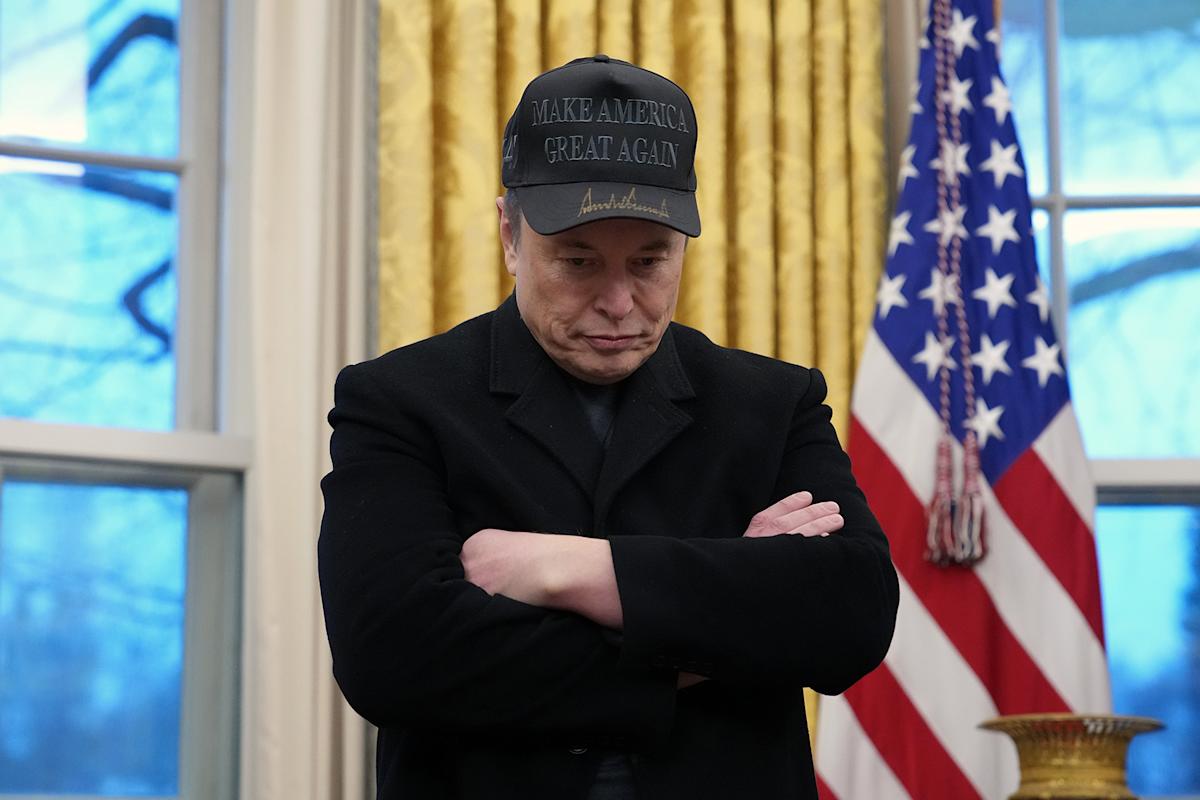
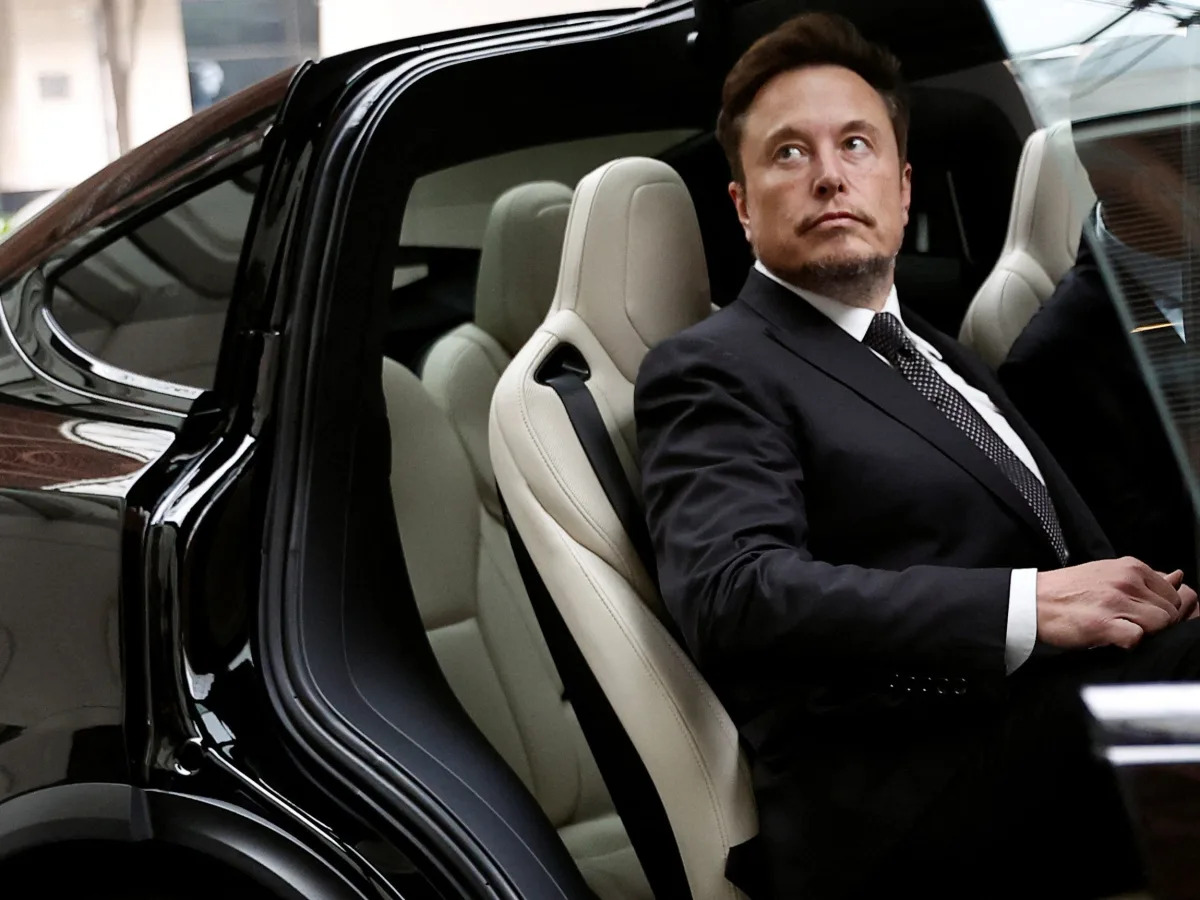
A Senate report by Elizabeth Warren details how Elon Musk leveraged his access to the Trump administration to benefit his businesses and family, raising concerns about corruption, conflicts of interest, and undue influence over government agencies and policies.
Politicians from both parties have been leveraging their relationships with social media companies to influence content moderation decisions, a practice known as "jawboning." The Supreme Court is set to decide whether such attempts violate the First Amendment in a landmark case, Murthy v. Missouri. The case was initiated by Republican attorneys general, alleging that the Biden administration's communications with platforms urging the removal of posts containing misinformation about the pandemic and elections amounted to illegal censorship. The case has sparked debate about the constitutional bounds of government influence on social media content and the need for clearer rules around government actors' interactions with tech companies.
The U.S. Court of Appeals for the 5th Circuit has ruled that the Biden White House, CDC, and FBI likely violated the First Amendment by improperly influencing tech companies' decisions to remove or suppress posts on COVID-19 and elections. The court found that the White House coerced and significantly encouraged social media platforms to make moderation decisions, violating free speech rights. The ruling limits the government institutions affected by the decision and has implications for how the federal government communicates with the public and social media companies on public health issues and elections. The case is part of a conservative effort to limit coordination between the government and tech platforms, alleging bias in content moderation.
Errol Musk, father of Tesla CEO Elon Musk, expressed concerns that his billionaire son could be assassinated following a report in The New Yorker about his influence on government decisions. The article highlighted Elon Musk's attitude towards Vladimir Putin and the role of SpaceX's Starlink satellites in the war in Ukraine. Errol Musk criticized the article as a "hit job" and referred to it as the "softening up of the enemy before the actual attack." Elon Musk has previously spoken about his security concerns, including his private jet being tracked and incidents of being followed.
Elon Musk's father, Errol Musk, expressed concerns that the Tesla CEO could be assassinated following a report in The New Yorker that examined his influence on government decisions regarding the war in Ukraine. The article described Musk as being treated like an "unelected official" by Pentagon officials and raised concerns about his conversation with Vladimir Putin. Errol Musk criticized the article as a "hit job" and referred to it as a "shadow government-sponsored opening salvo on Elon." Elon Musk has previously spoken about his security concerns, including his private jet being tracked, and has a strained relationship with his father.
Elon Musk's father, Errol Musk, expressed concerns that the Tesla CEO could be assassinated following a report in The New Yorker about his influence on government decisions. The article highlighted Pentagon officials' concerns about Musk's attitude towards Vladimir Putin and the role of SpaceX's Starlink satellites in the war in Ukraine. Errol Musk criticized the article as a "hit job" and described it as a "softening up" before an attack. Elon Musk has previously spoken about his security concerns, including his private jet being tracked and incidents involving stalkers.