politics-and-technology1.17 min read
GOP Senators Clash Over Trump’s Controversial Legislation and Gaza Aid
9 months ago•Source: The New York Times

The latest politics and technology stories, summarized by AI

Florida Gov. Ron DeSantis signed a bill banning children under 14 from having social media accounts, requiring parental consent for 14- and 15-year-olds, and directing companies to delete accounts of those under 14. The law, effective January 2025, aims to protect children's mental health and online safety, but faces legal challenges over First Amendment concerns. Advocates argue it addresses addictive features, while opponents claim it violates freedoms. Similar laws in other states have been challenged, and tech executives have reaffirmed their commitment to child safety amid growing concerns about online platforms' impact on minors.


House Judiciary Committee Chairman Jim Jordan and House Republicans are demanding Google's parent company, Alphabet, to explain the potential influence of the Biden administration on its controversial Gemini AI program, citing concerns about bias and censorship. The committee is investigating the extent to which the Executive Branch may have coerced or colluded with Big Tech to censor speech, particularly after reports suggested alignment with the Biden White House's Executive Order on AI. Gemini has faced backlash for showing historical figures inaccurately and exhibiting bias, prompting calls for transparency and accountability from Google.
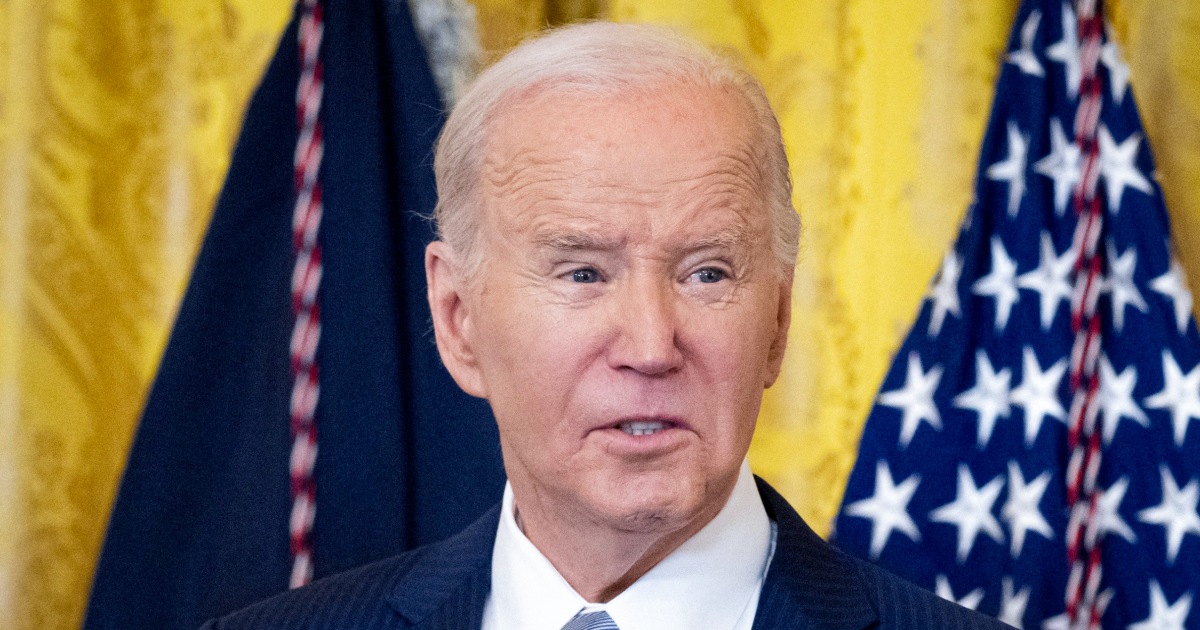
President Biden is set to issue an executive order aimed at protecting Americans' personal data from being sold to countries deemed hostile, particularly China. The order focuses on safeguarding sensitive information such as genomic, biometric, health, geolocation, and financial data from being misused for tracking, surveillance, and intelligence gathering. It directs the Department of Justice and Homeland Security to set high security standards and assess foreign participation in U.S. telecommunications services to prevent access to Americans' data. This move aligns with the U.S.' commitment to data privacy and national security, following concerns about potential privacy risks posed by the data-broker industry and the cybersecurity of U.S. ports.
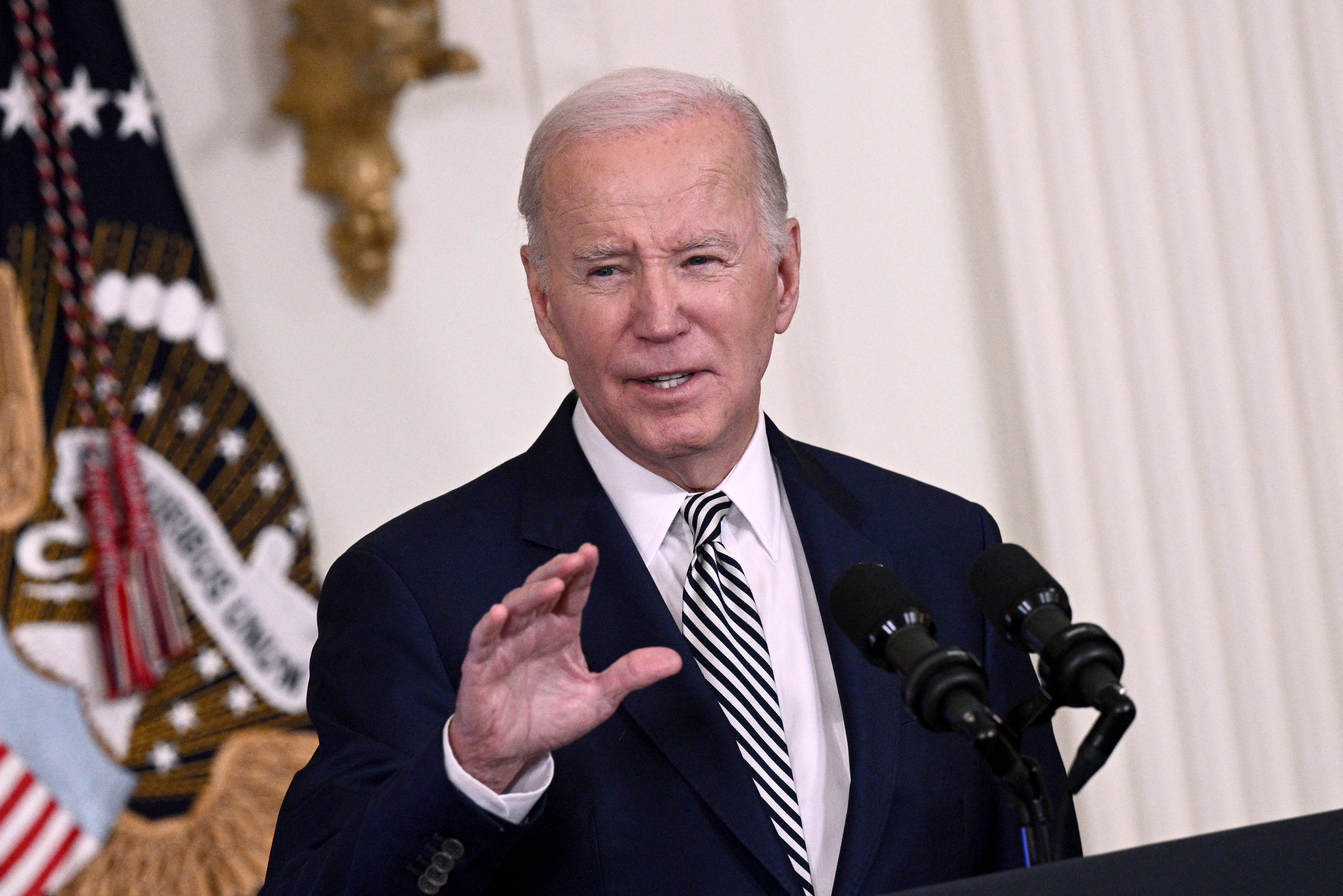
The Biden administration's executive order on AI, utilizing the Defense Production Act to compel tech companies to provide information, is facing opposition from the tech lobby, GOP lawmakers, and conservative activists who argue that it constitutes executive overreach. Critics are pushing for reforms to the Defense Production Act and have raised legal challenges against the new reporting requirements, while also seeking to slow down AI regulation in Congress. The use of emergency powers to regulate AI is sparking broader political disagreements over the regulation of private enterprise, with the Supreme Court also considering a related lawsuit that could impact federal agencies' regulatory authority.
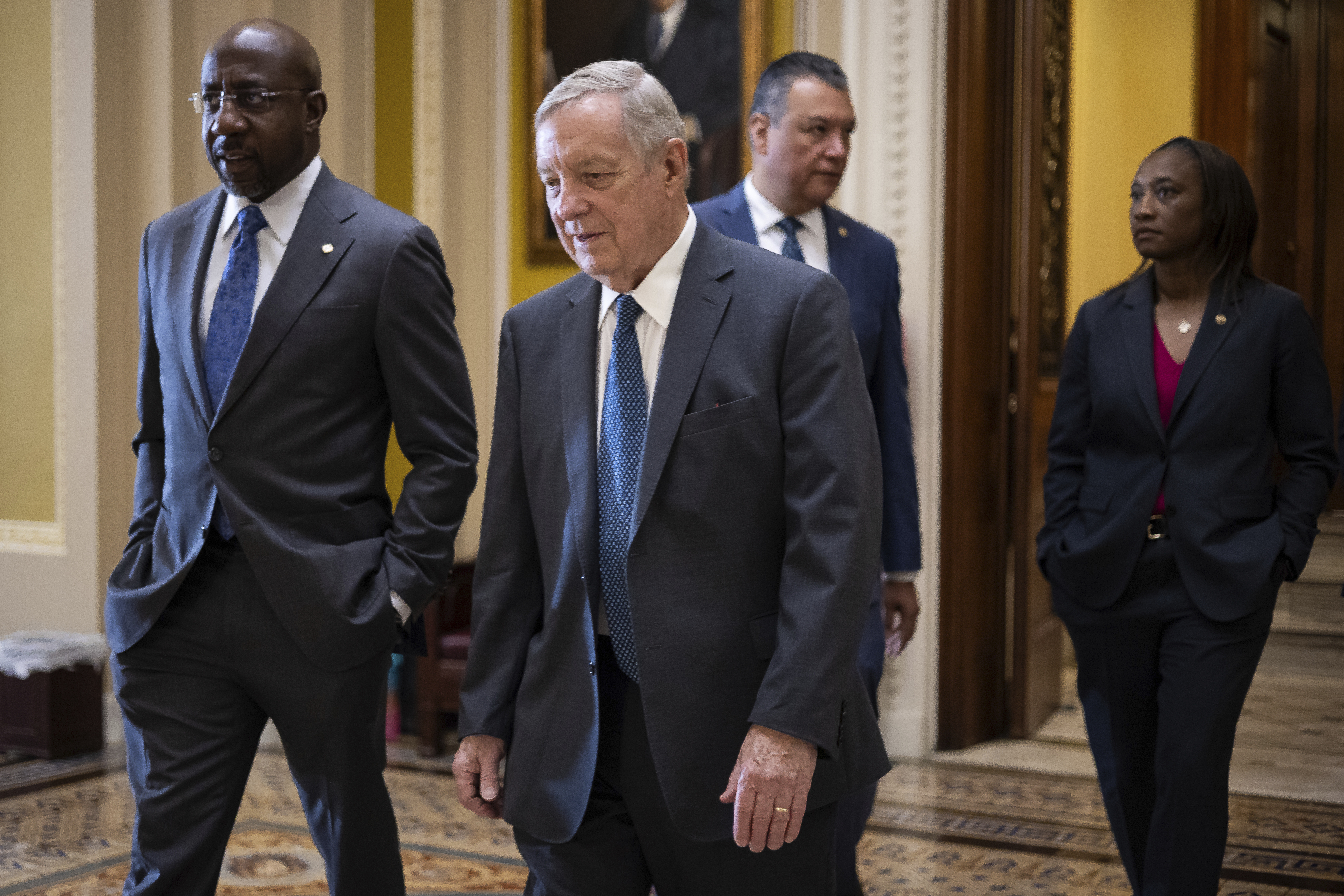
Democratic senators are pressuring the Justice Department to examine the use of facial recognition technology by law enforcement agencies and its potential violation of civil rights laws. This comes amid growing concerns about the technology's accuracy, bias, and potential for misuse. The National Academies has called for federal oversight of facial recognition systems, while the FTC has taken action against private companies for using the technology. Despite bipartisan concerns in the past, legislative efforts to regulate facial recognition have been led by Democrats, and the lack of bipartisan participation could make it difficult for Congress to act.