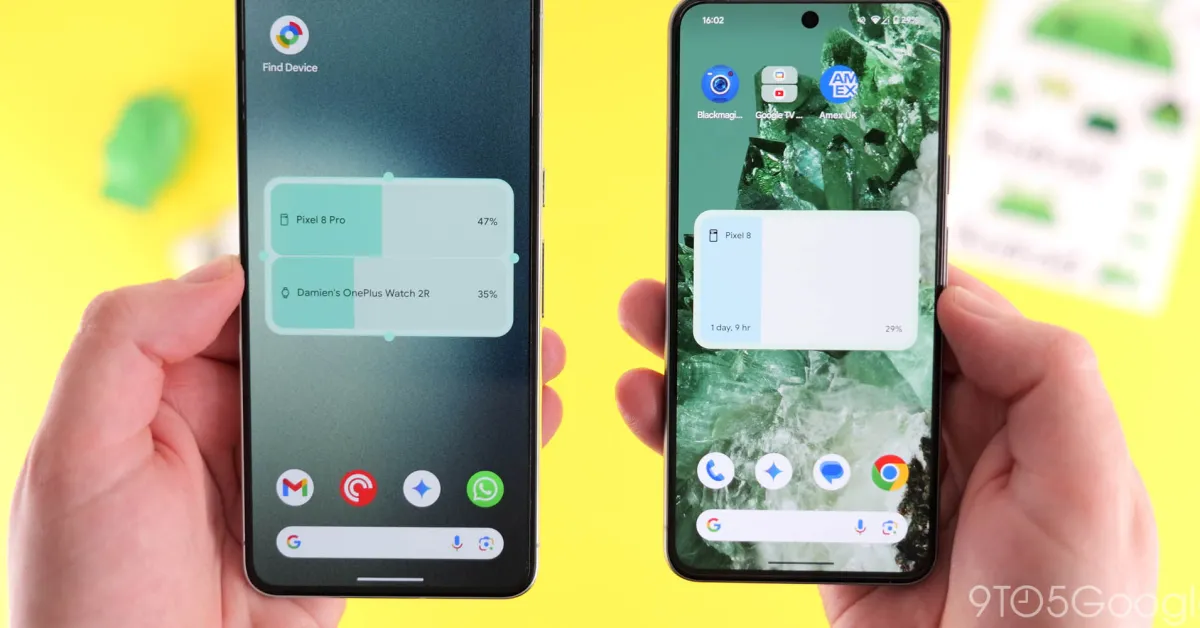
Google Play to Warn Users About Battery-Draining Apps
Google Play will soon warn users about apps that excessively drain battery by holding wake locks, with new thresholds and developer tools, starting March 1, 2026.

All articles tagged with #google play
Google Play will soon warn users about apps that excessively drain battery by holding wake locks, with new thresholds and developer tools, starting March 1, 2026.
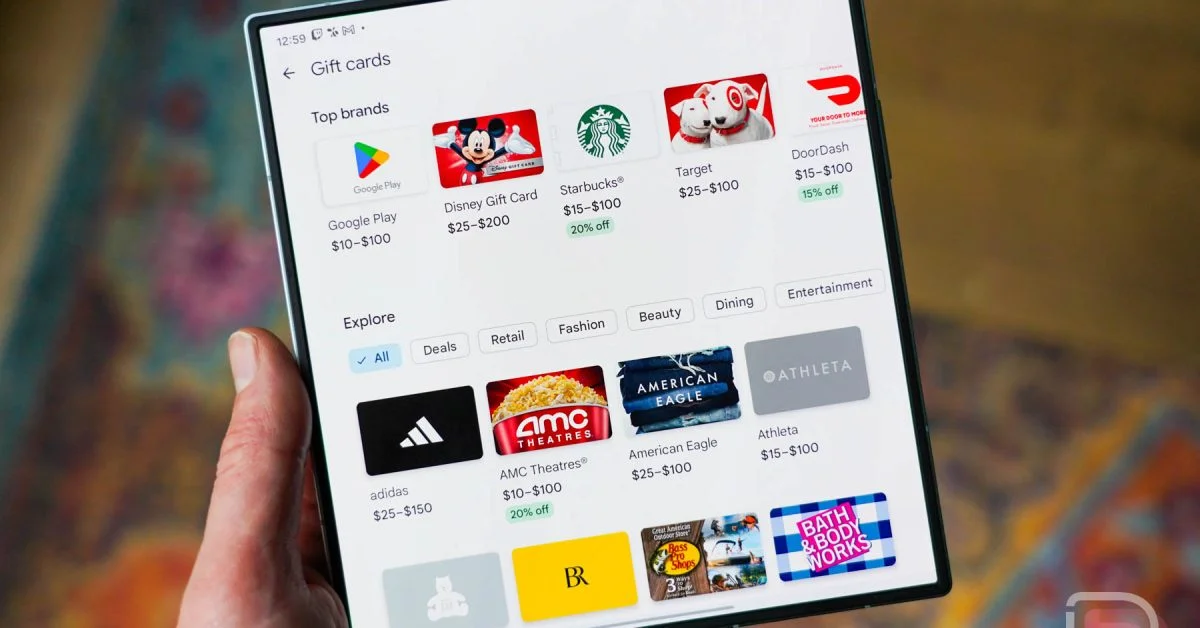
Google Play has launched a new digital gift card shop, allowing users to send gift cards for various brands like Disney, Adidas, and AMC directly through the app, making gifting more convenient within the platform.
The author defends the right to install software on devices, criticizes Google's restrictions on sideloading via ADB, and discusses broader issues of software freedom, market practices, and the impact of subscription models and proprietary ecosystems. They emphasize that 'sideloading' is a standard, non-deviant activity, and express concern over Google's efforts to limit it, which could threaten user control and open source communities like F-Droid.

The US Supreme Court declined to block a court order requiring Google to change its app store practices, giving Google until October 22, 2025, to comply with rules allowing alternative payment methods and linking outside downloads, while it continues to appeal the case.
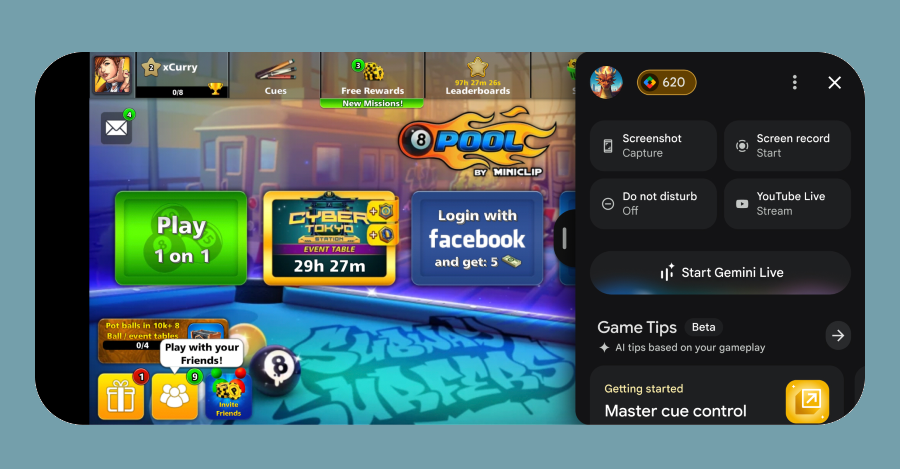
Google is introducing Gemini AI integration within a new in-game overlay for select mobile games, allowing players to ask for hints and receive tailored assistance without leaving the game. The feature, similar to Microsoft's Gaming Copilot, will also provide details about rewards and achievements, and is part of Google's broader effort to expand Google Play Games to PC and enhance the gaming experience on its platform.
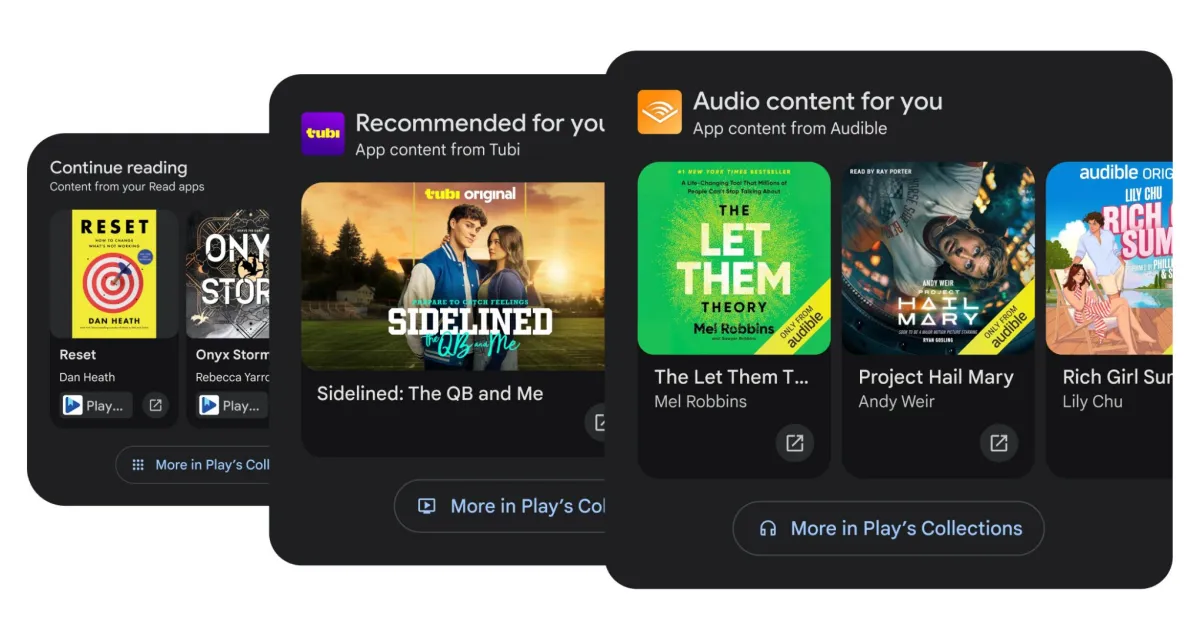
Google Play is introducing a new centralized 'You' tab that offers personalized content recommendations, including gaming, audiobooks, and podcasts, along with a dashboard for account info and rewards, starting rollout in select markets this week and expanding in October.
Google disrupted the 'SlopAds' ad fraud campaign involving 224 malicious Android apps that generated 2.3 billion fraudulent ad requests daily, employing sophisticated obfuscation and steganography techniques to evade detection. The campaign was widespread, with apps downloaded over 38 million times across 228 countries, and used hidden malware modules to simulate legitimate ad interactions, generating significant revenue for attackers. Google has removed the apps and updated protections, but experts warn the threat may re-emerge with new tactics.
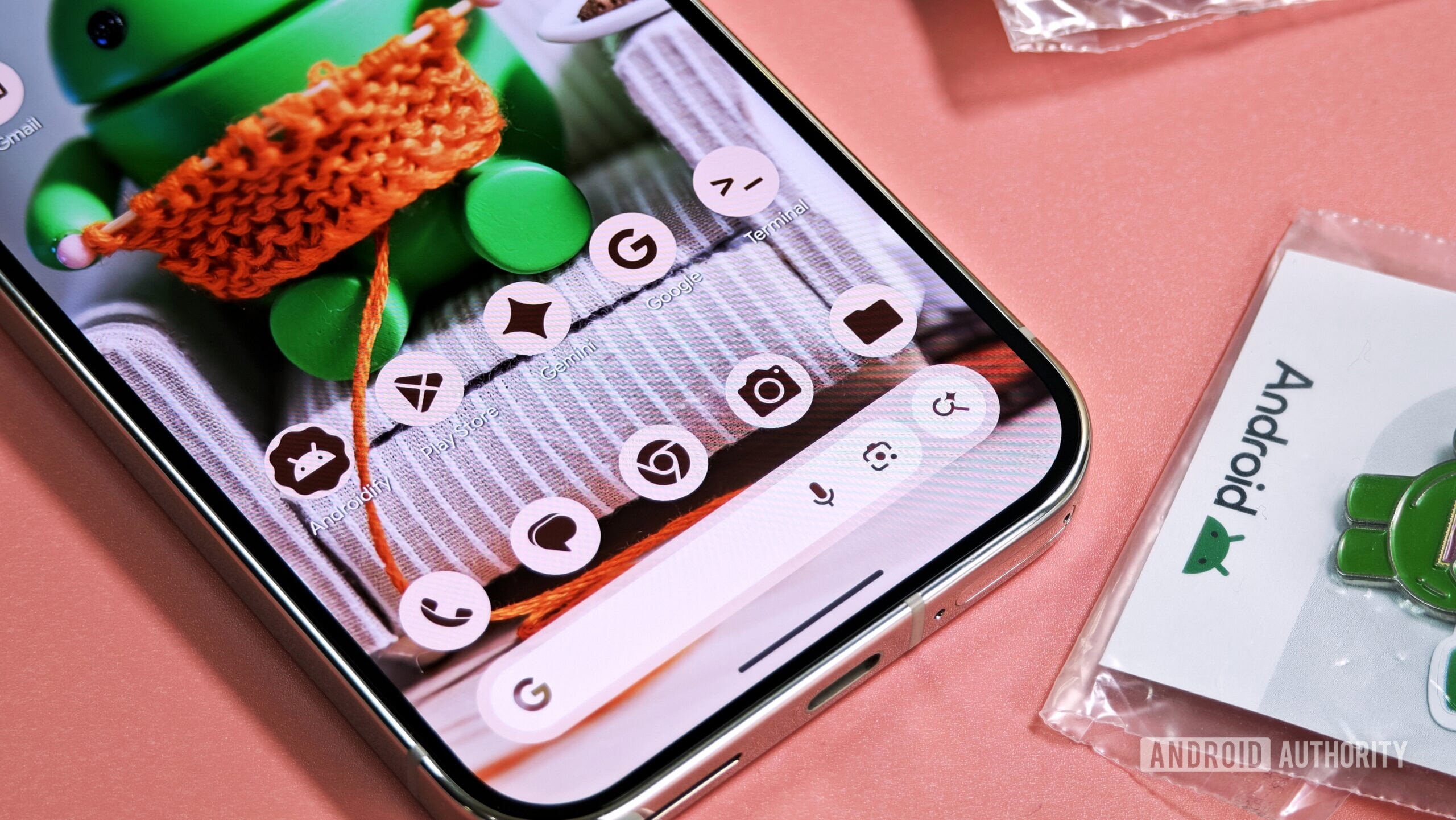
Google is making themed icons mandatory for Android apps by automatically generating them for apps that don't provide one, and has updated its Play Store policy to require developers to allow users to modify app icons, addressing branding concerns and home screen consistency.
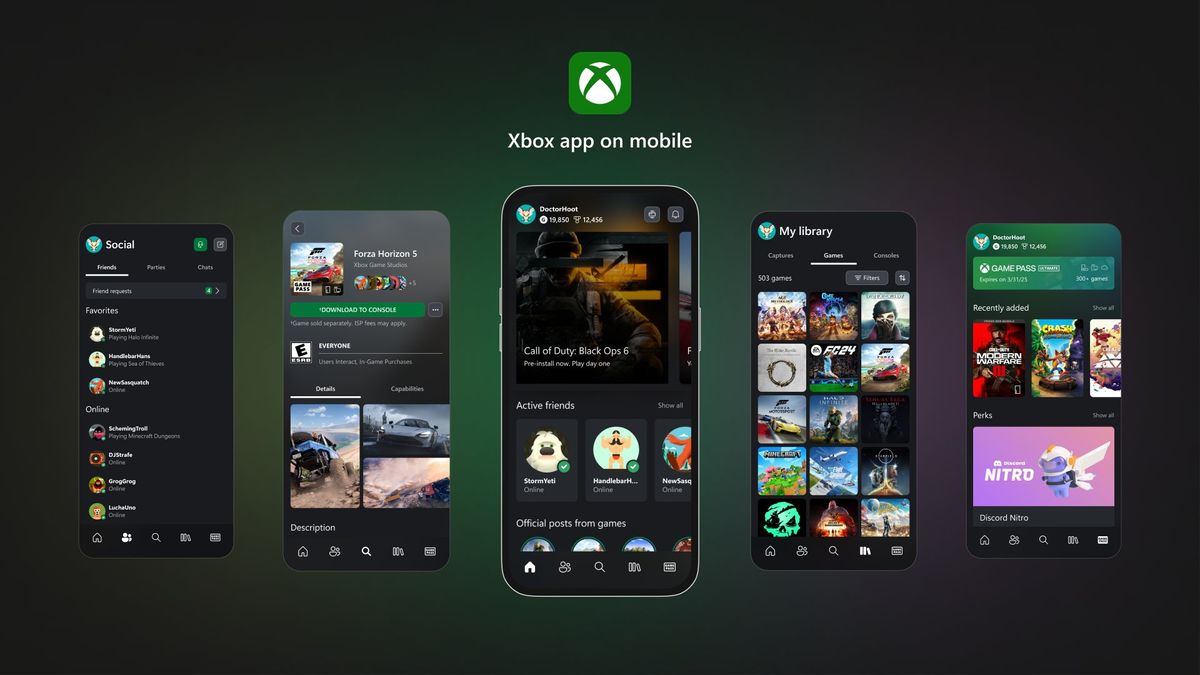
Microsoft has delayed the launch of new features for its Xbox app on Android, which would allow users to purchase and play games directly through the app, due to a temporary administrative stay by U.S. courts. This delay follows a court order for Google to open its app store to third-party rivals. Xbox president Sarah Bond expressed eagerness to implement these features once the court decision is finalized, as part of Microsoft's broader strategy to expand its gaming ecosystem across multiple platforms.
Security experts at Zscaler have identified over 90 malicious apps in the Google Play store, including those containing the Anatsa malware, which steals banking information. These apps, disguised as practical tools like PDF and QR code readers, have been downloaded more than 5.5 million times. Google has since removed the malicious apps and recommends using Google Play Protect to safeguard devices.
Security experts at Zscaler have identified over 90 malicious apps on the Google Play store, including the Anatsa malware, which targets banking information. These apps, disguised as practical tools like PDF and QR code readers, have been downloaded more than 5.5 million times. Google has since removed the malicious apps and recommends using Google Play Protect to safeguard devices.
Over 90 Android apps on Google Play, including "PDF Reader & File Manager" and "QR Reader & File Manager," have been found to contain banking malware, posing as legitimate tools to steal user data and financial credentials. Despite their removal from the Play Store, these apps still threaten users who previously downloaded them. Cybersecurity firm Zscaler highlights that many malicious apps disguise themselves as tools or personalization apps, with notable malware families like Anatsa, Joker, Adware, Facestealer, and Coper being distributed through the platform.
Over 90 malicious Android apps, including the sophisticated Anatsa trojan, were discovered on Google Play, collectively installed over 5.5 million times. These apps, disguised as PDF and QR code readers, have been removed, but users are advised to check their devices for any installations.
The Antidot banking trojan is disguising itself as a Google Play update to trick Android users into downloading it. Once installed, it gains accessibility permissions to perform malicious activities, including stealing financial credentials through overlay attacks, keylogging, and screen recording. Users are advised to download apps only from trusted sources and be cautious about granting permissions.

A new Android malware named Antidot is posing as a Google Play update, capable of taking over devices and stealing personal data. It spreads through phishing messages and requires sideloading from a fake website. Users are advised to enable automatic updates and use antivirus apps to stay safe.