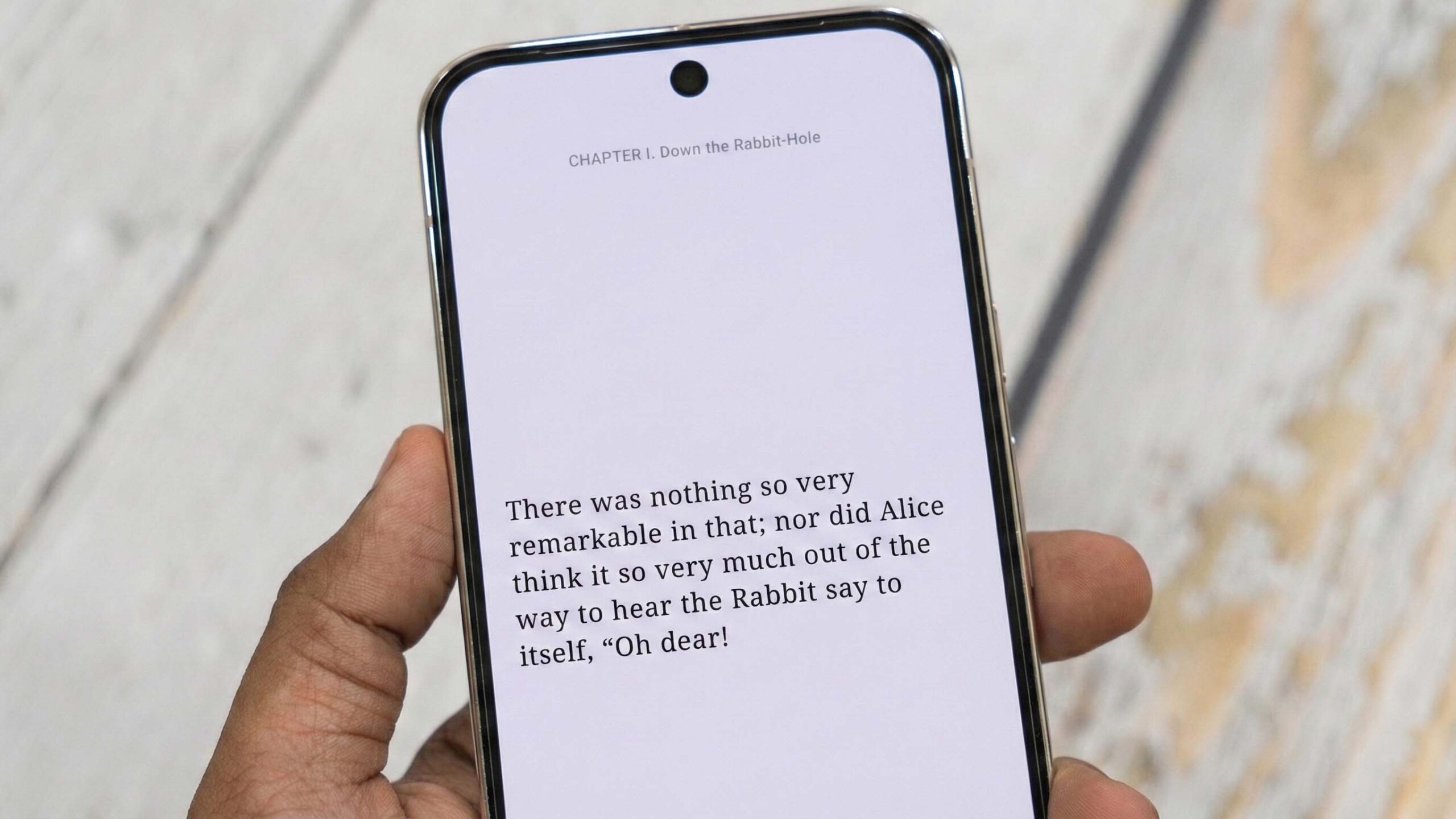
The article highlights five new Android apps and games for January 2026, including a book quote widget, an expansive open-world RPG set in 10th-century China, an innovative e-book reader that displays text sentence by sentence, a sleep sound app that works offline, and a port of the visual novel Doki Doki Literature Club! for Android, offering a diverse range of options for users.
The article highlights four underrated Android apps—Nintendo Music for game soundtracks, Apple TV for streaming content, Blackmagic Camera for advanced video shooting, and Steam for gaming management—that offer significant value and are worth exploring beyond more popular options.
Google Play will soon warn users about apps that excessively drain battery by holding wake locks, with new thresholds and developer tools, starting March 1, 2026.
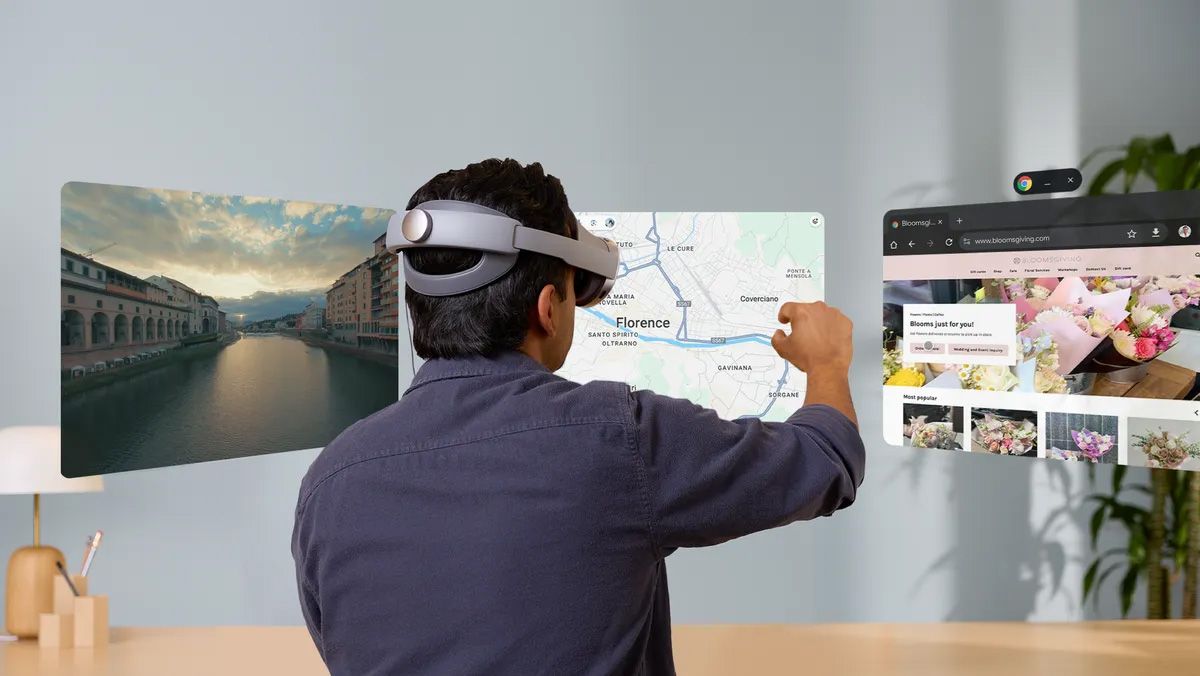
Samsung's Galaxy XR is a revolutionary standalone VR headset that replaces traditional monitors, TVs, and workstations by offering customizable virtual displays, seamless integration with Android and Windows, and versatile entertainment options, making it a powerful portable computing and entertainment device.
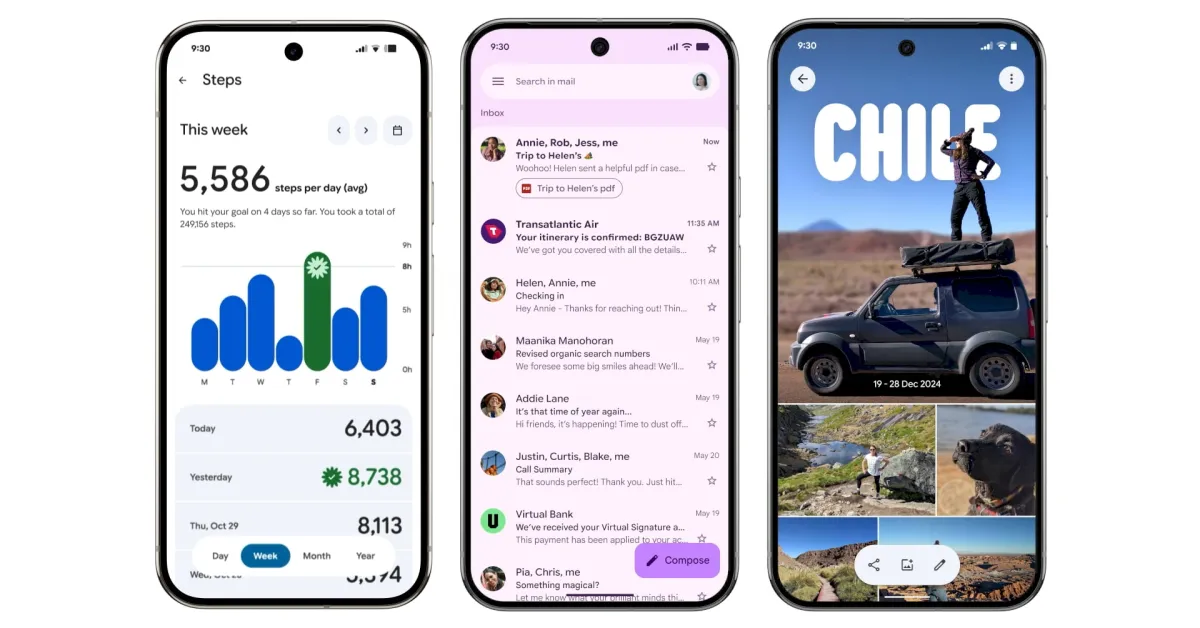
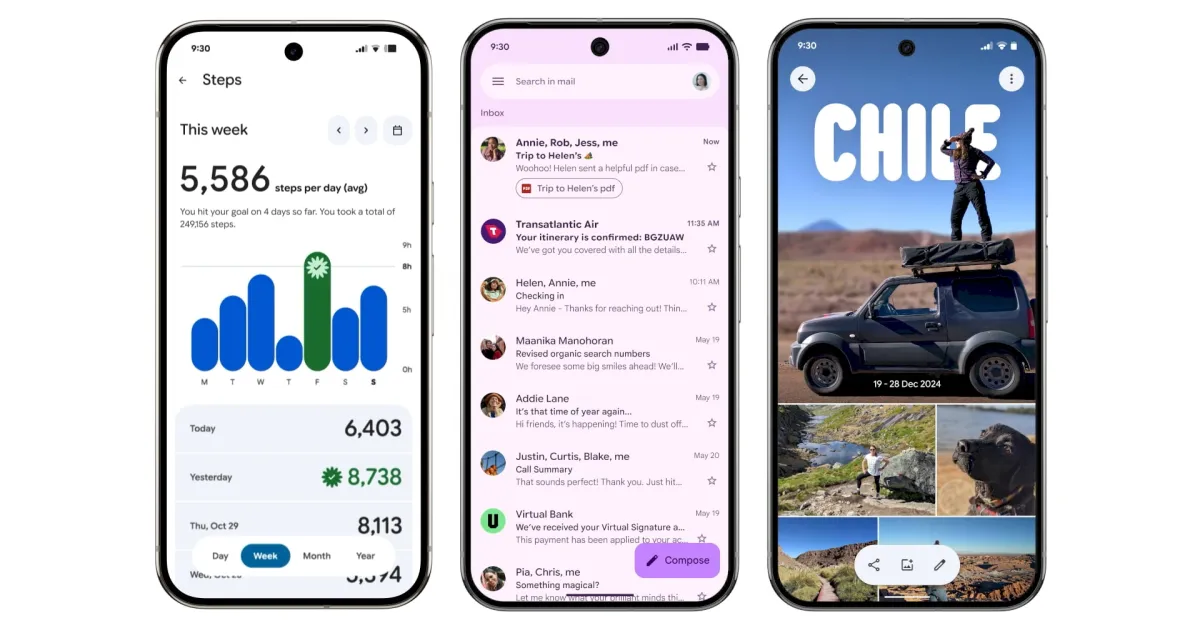
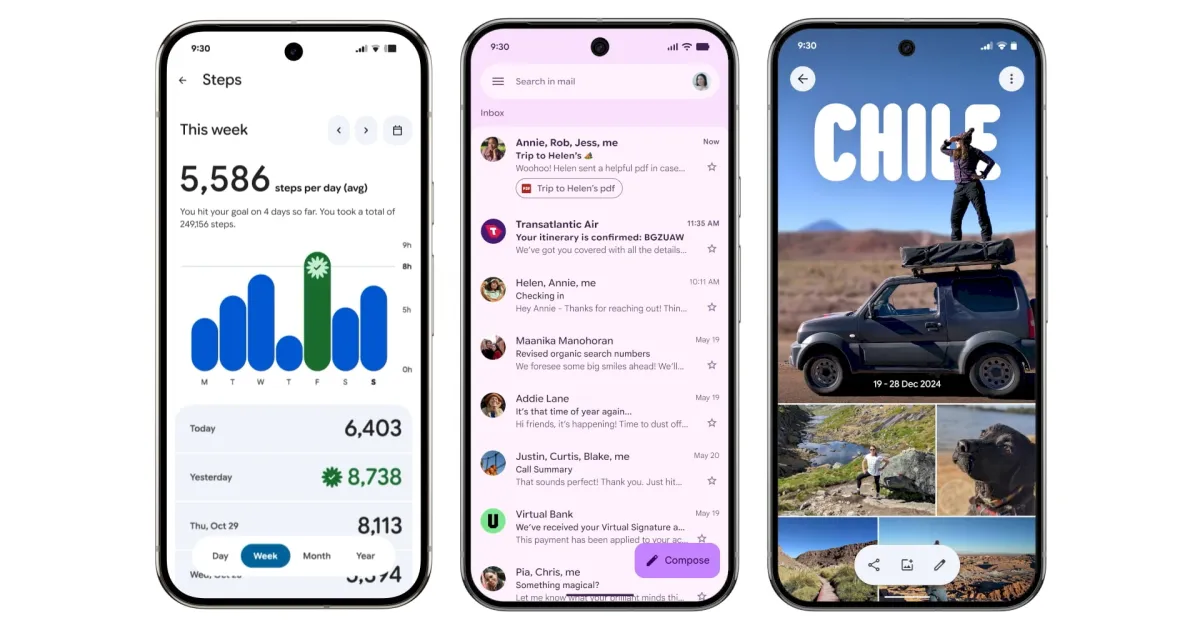
Google is rolling out its new Material 3 Expressive design language across various Android apps and devices, including recent launches like Pixel Watch II, Google Wallet, and Google Home, with many apps receiving updates to improve visual separation, containers, and animations, enhancing the overall user experience.
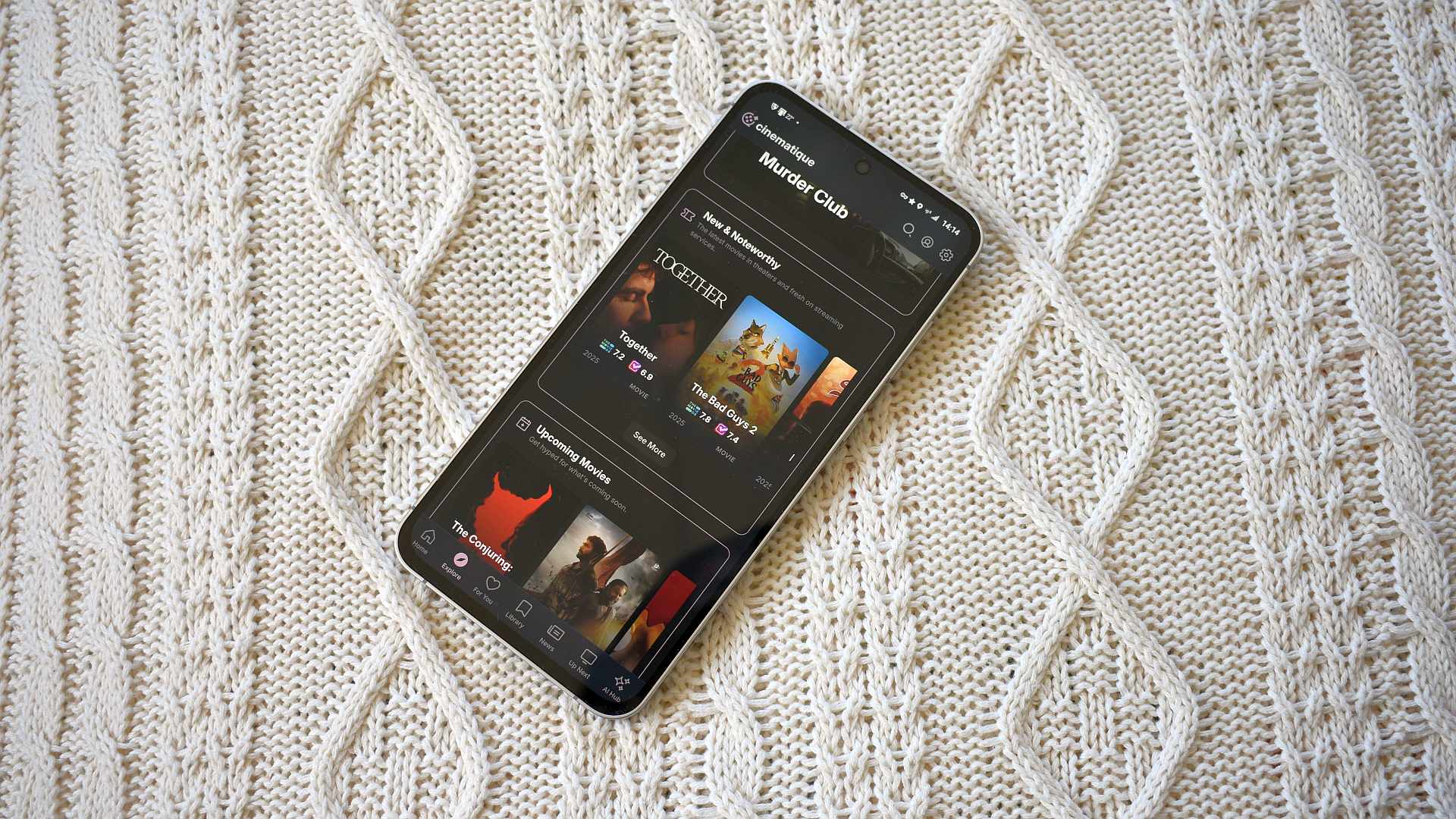
This article highlights five notable new Android apps and games for September 2025, including space news app Quasar, puzzle game Machinarium, media catalog Cinematique, diary app Google Journal, and adventure game Chants of Sennaar, each offering unique features for different interests.
Google is rolling out its Material 3 Expressive redesign across various Android apps, enhancing UI with containers, rounded shapes, and new features, starting with apps like Pixel Recorder, Weather, and Google TV, and updating others like Gmail, Google Photos, and Google Calendar to provide a more modern and cohesive user experience.
Microsoft is testing a new Windows 11 feature that allows users to resume Android apps, starting with Spotify, on their PC by linking their Android phone, with the feature gradually rolling out to Windows Insiders in the Dev and Beta Channels.
Google is rolling out its Material 3 Expressive redesign across various Android apps, including Gmail, Google Drive, Google Photos, and more, featuring new UI elements like containers, thicker shapes, and animated interactions to enhance user experience.
Google Keep is beginning to receive a Material 3 Expressive redesign, featuring visual updates to the search bar, toolbar, and search filters, giving the app a more modern look aligned with Android's new design language. The rollout is gradual and currently limited to some users, but it is expected to expand soon.
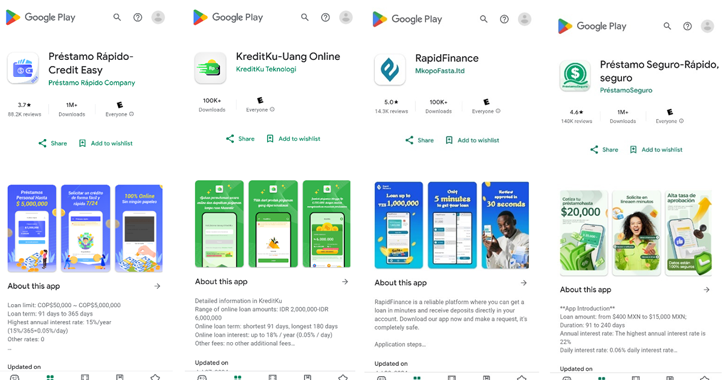
Over 8 million Android users have been affected by SpyLoan malware embedded in over a dozen loan apps on the Google Play Store, according to McAfee Labs. These apps, which target users in various countries by offering quick loans, use social engineering to extract sensitive information and permissions, leading to potential extortion and financial loss. Despite some apps being removed or modified to comply with Google Play policies, the threat persists as these apps share a common framework for data encryption and exfiltration. Users are advised to scrutinize app permissions and developer legitimacy to mitigate risks.
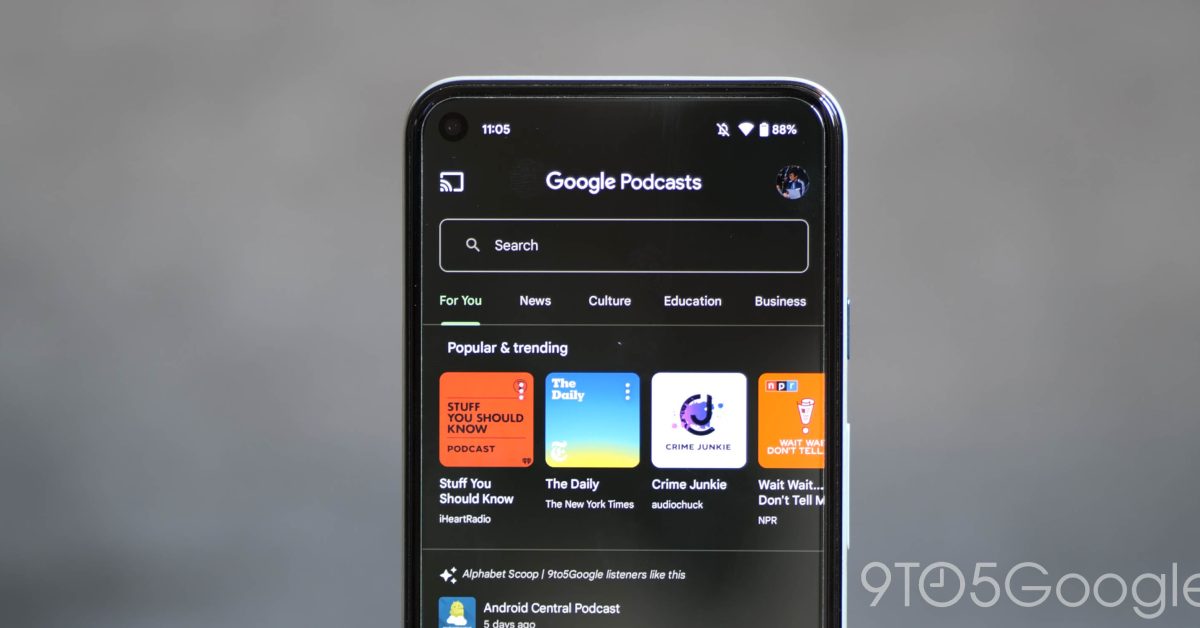
Google Podcasts is shutting down, prompting users to find alternative Android apps for podcasting. Pocket Casts is a top favorite, offering features like importing OPML files, listening stats, and a Discover tab for finding new shows. AntennaPod is another ad-free option with a clean design, but lacks robust discovery features. YouTube Music and Spotify are also mentioned as alternatives, with YouTube Music being the official replacement for Google Podcasts and Spotify offering a combination of podcasts and music.
Criminals are using thousands of home and office routers to anonymize illicit online activities through a variant of TheMoon malware, enrolling infected devices into a proxy service called Faceless. Additionally, 28 Android apps available in Google Play were found to unknowingly enroll users' devices into a residential proxy network for anonymizing and obfuscating Internet traffic. Users are advised to take precautions such as discontinuing the use of unsupported devices, installing security updates promptly, and researching the reputation of apps and app makers before installation to prevent their devices from being used in such networks.
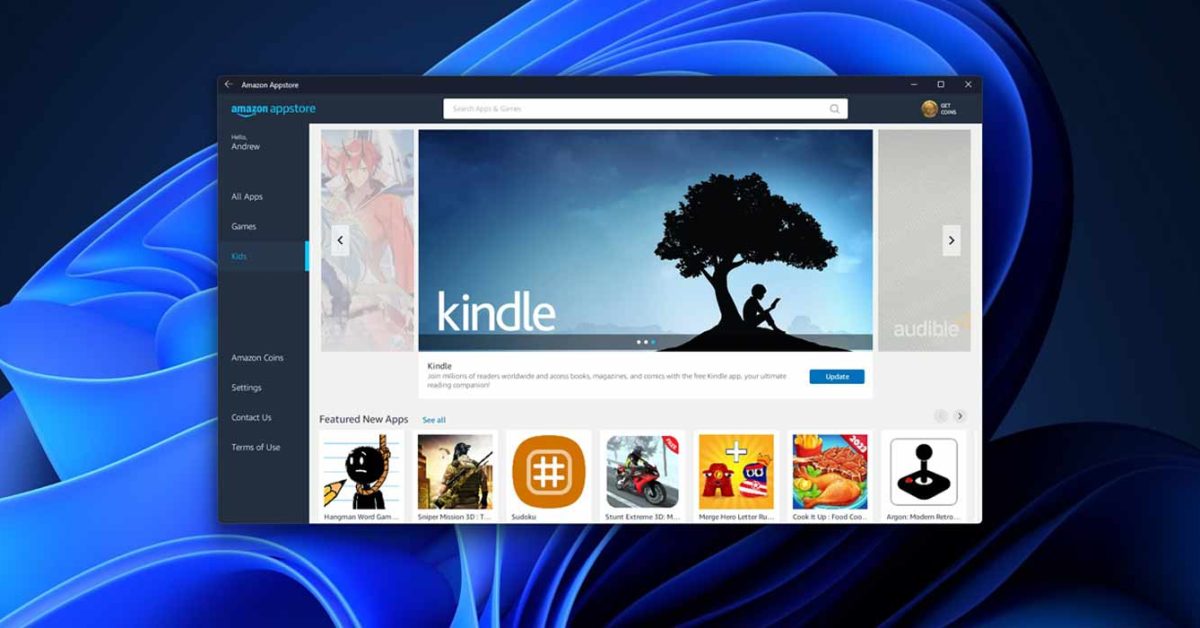
Microsoft is discontinuing the Windows Subsystem for Android in Windows 11 due to low usage and minimal income from the Amazon Appstore, which funded the dedicated support staff for the feature. The lack of apps in the store led to its demise, as it didn't generate enough revenue for Microsoft. Although Microsoft had hoped to bring Google apps to Windows, the odds of revisiting this feature seem minimal. Windows Subsystem for Android will shut down in March 2025.
Microsoft announced the deprecation of Windows Subsystem for Android (WSA) on Windows 11, effective March 5, 2025, rendering Amazon Appstore on Windows 11 and all WSA-reliant apps unsupported. Amazon has accelerated this by discontinuing Amazon Appstore for Windows 11 on March 6, 2024, a year ahead of WSA's end. Despite the lack of Google Play support, users can still use existing Amazon Appstore apps until 2025, but alternatives like BlueStacks may offer better options for running Android apps on Windows 11.