Tag

Gold Dust

All articles tagged with #gold dust

"Antarctica's Mount Erebus: Spewing Real Gold Dust and Unveiling Unknown Creatures"
science1 year ago

"Antarctica's Mount Erebus: Spewing Real Gold Dust and Unveiling Unknown Creatures"

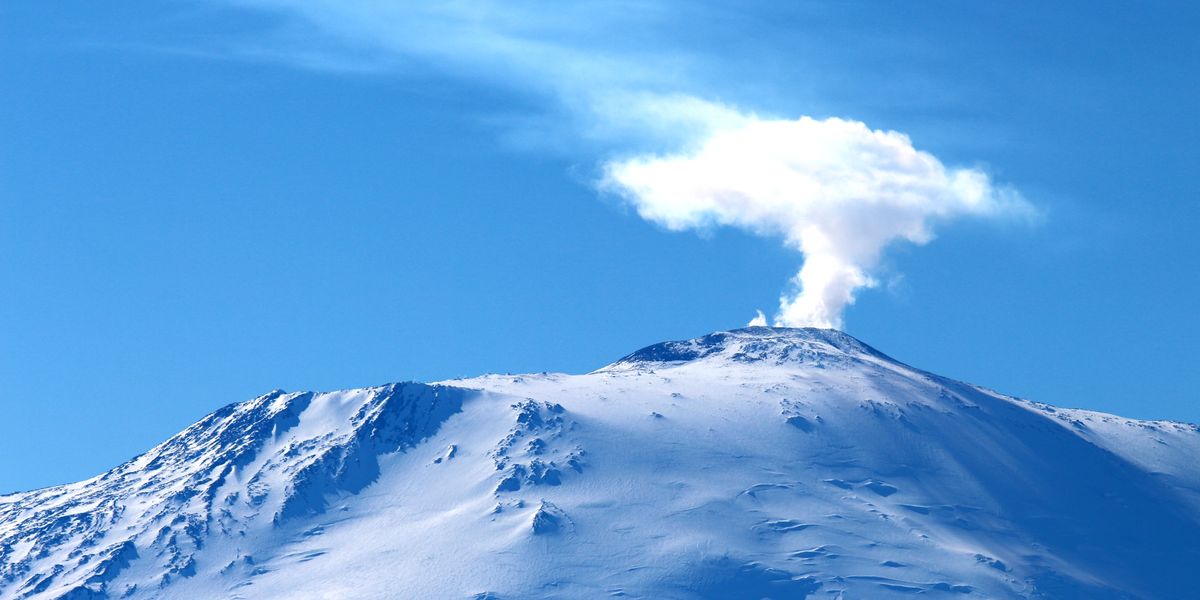
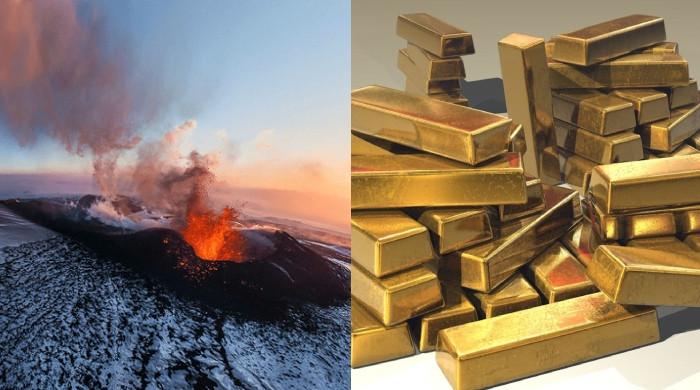
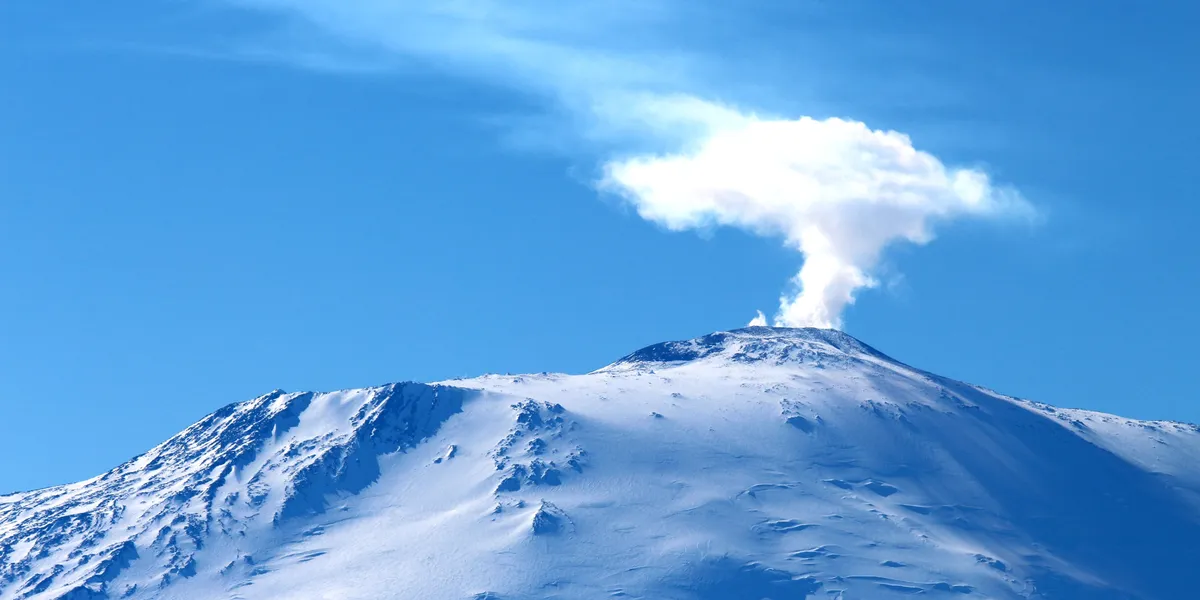
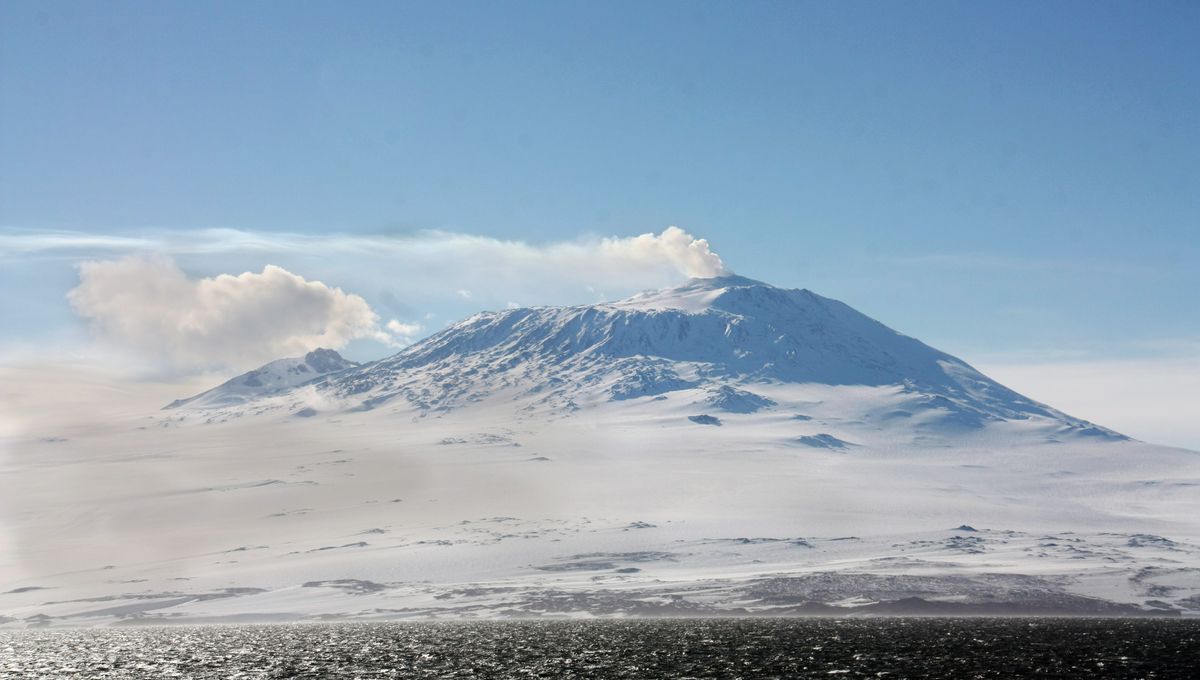
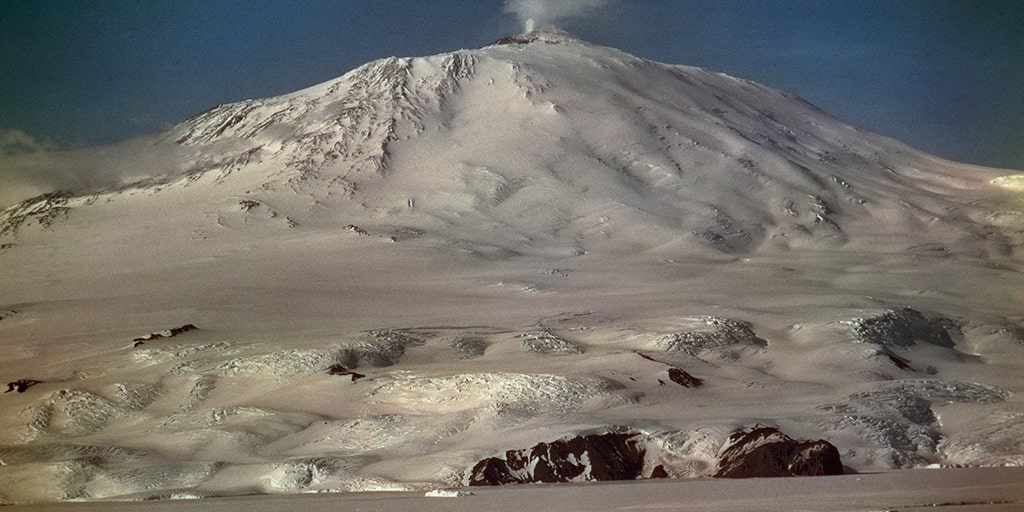
Antarctica's Mount Erebus, the southernmost active volcano on Earth, has been continuously erupting since 1972 and emits plumes of gas and steam containing tiny specks of gold. The volcano churns out around 80g of gold per day, which can travel through the air and be detected 1,000km away. While Antarctic volcanoes pose logistical and climatic challenges for monitoring and predicting eruptions, a study suggests that past eruptions may have impacted the environment, including contributing to the end of the last ice age.

"Antarctica's Mount Erebus: The Volcano Raining $6k Worth of Gold Daily"
science-and-environment1 year ago

"Antarctica's Mount Erebus: The Volcano Raining $6k Worth of Gold Daily"

Mount Erebus, an active volcano in Antarctica, spews approximately 80 grams of crystallized gold worth $6,000 daily, but its remote and inaccessible location makes it difficult to collect or investigate further. The volcano has been continuously erupting since 1972 and is known for containing a rare "lava lake" at one of its summit craters. However, due to the lack of consistent research and limited monitoring instruments in the region, there is still a lack of knowledge about volcanic activity in Antarctica and the potential events that could activate the remaining hundred-plus icy volcanoes.

"Antarctica's Mount Erebus Volcano: A Gold Dust Eruption"
scienceenvironment1 year ago

"Antarctica's Mount Erebus Volcano: A Gold Dust Eruption"

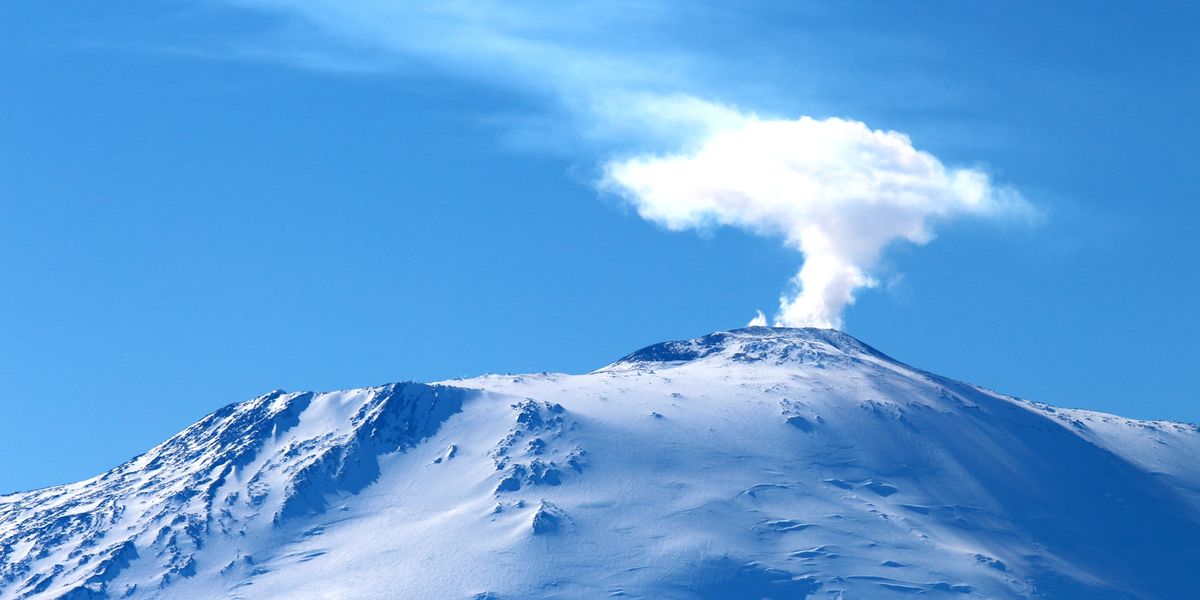
Antarctica's Mount Erebus, one of the continent's most famous active volcanoes, has been continuously erupting since 1972, emitting plumes of gas and steam along with tiny specks of gold dust. The volcano churns out around 80g of gold per day, which can travel through the air and be detected 1,000km away. While Antarctic volcanoes pose logistical and climatic challenges for monitoring and predicting eruptions, a study suggests that past eruptions may have impacted the environment, and the possibility of future eruptions from subglacial volcanoes remains.

"Antarctica's Mount Erebus: Spewing Gold Dust from the Southernmost Active Volcano"
scienceenvironment1 year ago

"Antarctica's Mount Erebus: Spewing Gold Dust from the Southernmost Active Volcano"

Antarctica's Mount Erebus, one of the continent's most famous active volcanoes, has been continuously erupting since 1972, emitting plumes of gas and steam along with tiny specks of gold dust. The volcano is estimated to produce around 80g of gold per day, which can travel through the air and be detected 1,000km away. While the environmental impact of these Antarctic volcanoes is uncertain, a study suggests that past eruptions may have contributed to ozone layer depletion and the end of the last ice age. However, the likelihood of such significant environmental impacts from future eruptions remains uncertain.

"Antarctica's Mount Erebus: Spewing Gold and Potential Eruptions"
science1 year ago

"Antarctica's Mount Erebus: Spewing Gold and Potential Eruptions"

Antarctica's Mount Erebus, the southernmost active volcano on Earth, has been continuously erupting since 1972, emitting plumes of gas and steam along with tiny specks of gold. The volcano churns out around 80g of gold per day, which can travel through the air and be detected 1,000km away. While Antarctic volcanoes pose logistical and climatic challenges for monitoring and predicting eruptions, a study suggests that past eruptions may have impacted the environment, including contributing to the end of the last ice age.

"Unveiling Antarctica's Active Volcanoes: A Golden Eruption"
science1 year ago

"Unveiling Antarctica's Active Volcanoes: A Golden Eruption"

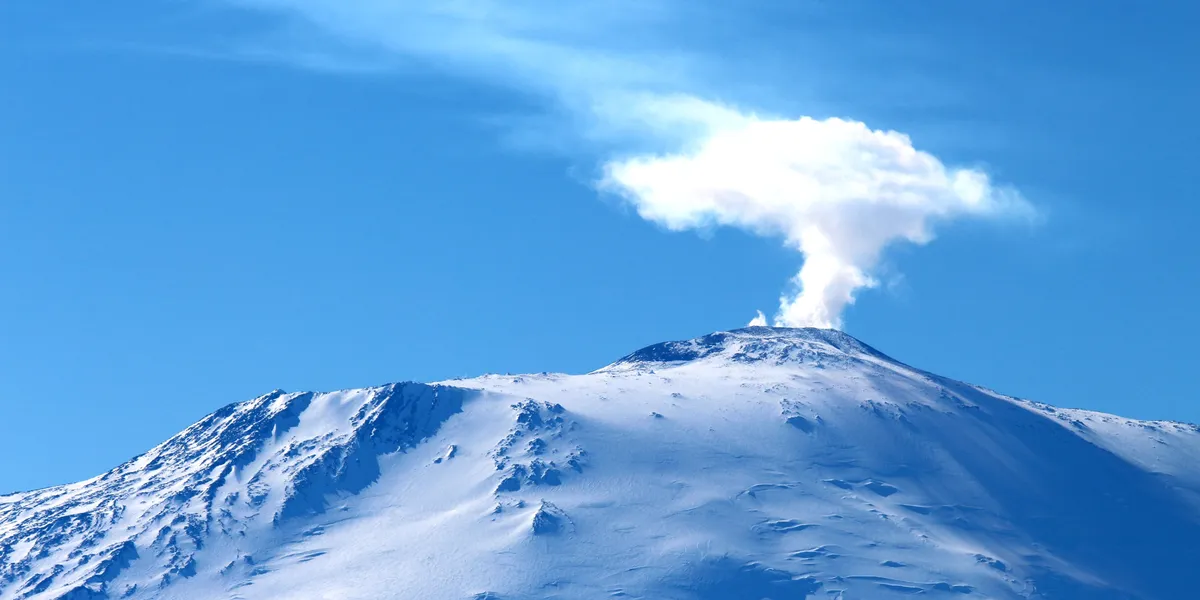
Mount Erebus, the southernmost active volcano in Antarctica, regularly emits gas and steam containing tiny metallic gold crystals, with an estimated 80 grams of gold spewed out daily. The volcano is notorious for the 1979 Air New Zealand Flight 901 disaster, where all 257 people onboard were killed after the plane crashed into the side of the volcano due to a "whiteout" caused by flat light, leading to the discontinuation of sightseeing flyovers of Antarctica by Air New Zealand.