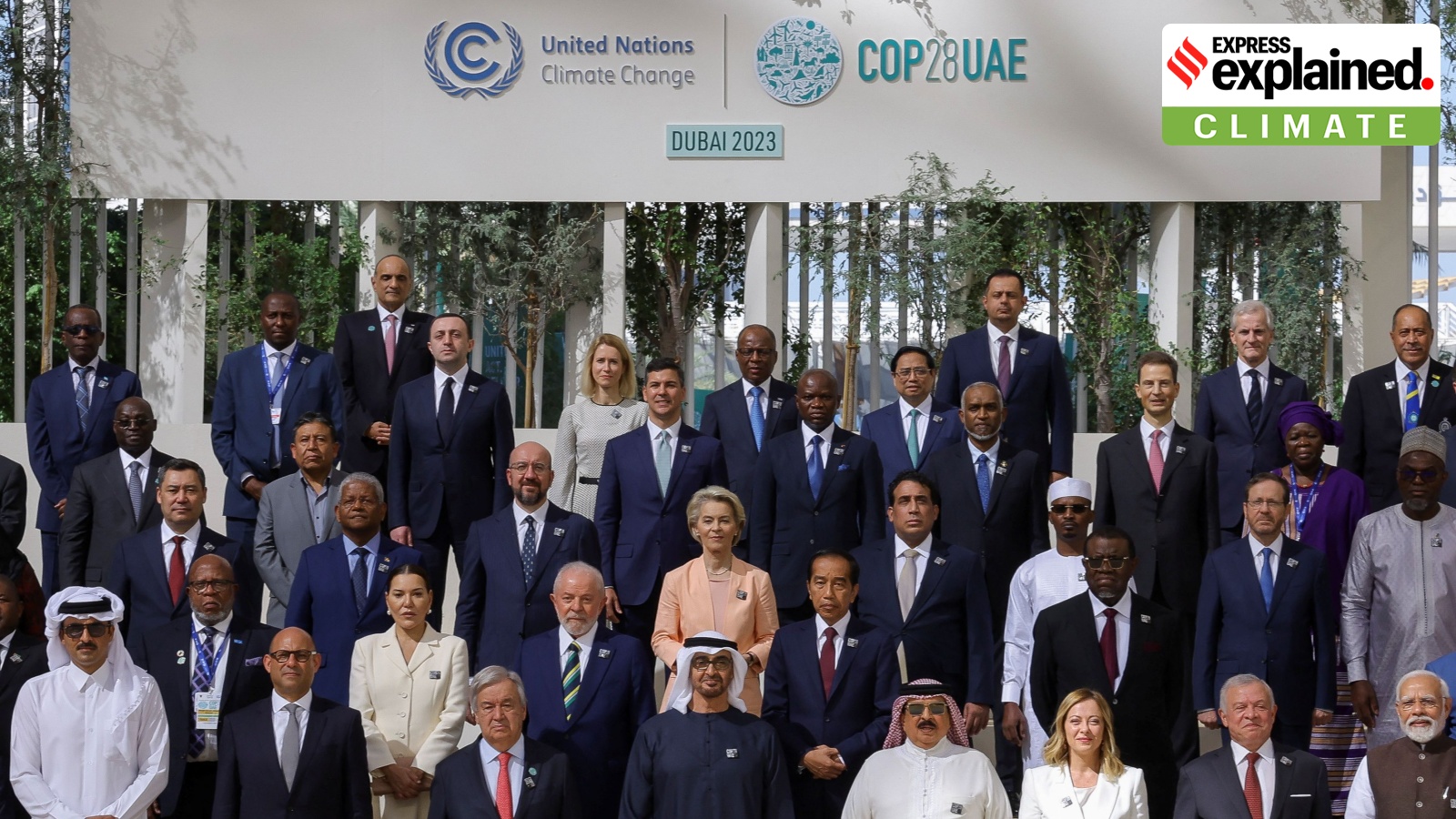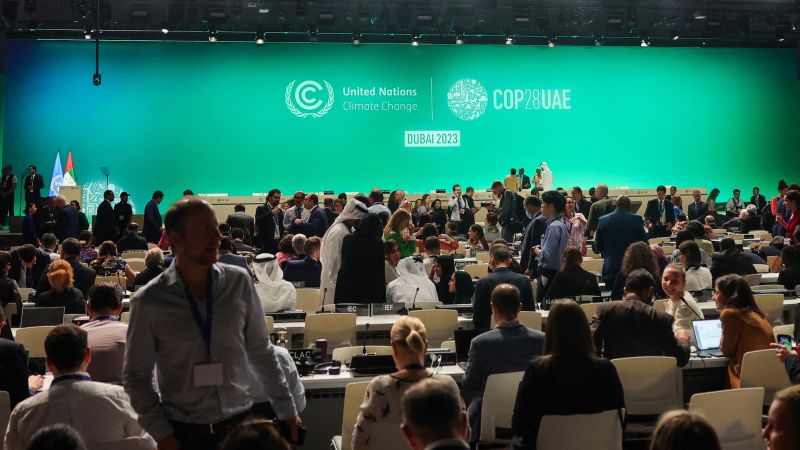
The world reached a new climate deal at the COP28 summit in Dubai, making an unprecedented call to transition away from fossil fuels. However, the agreement's vague language and "cavernous" loopholes could allow some countries to take minimal action. While some countries hailed the deal as the end of the fossil fuel era, more ambitious nations and climate advocates believe it falls short of reflecting the urgency of the climate crisis. The agreement does not require a "phase-out" of oil, coal, and gas, but instead "calls on" countries to contribute to global efforts to reduce carbon pollution in ways they see fit. Concerns have been raised about the influence of oil interests on the talks and the inclusion of unproven technologies like carbon capture and storage.
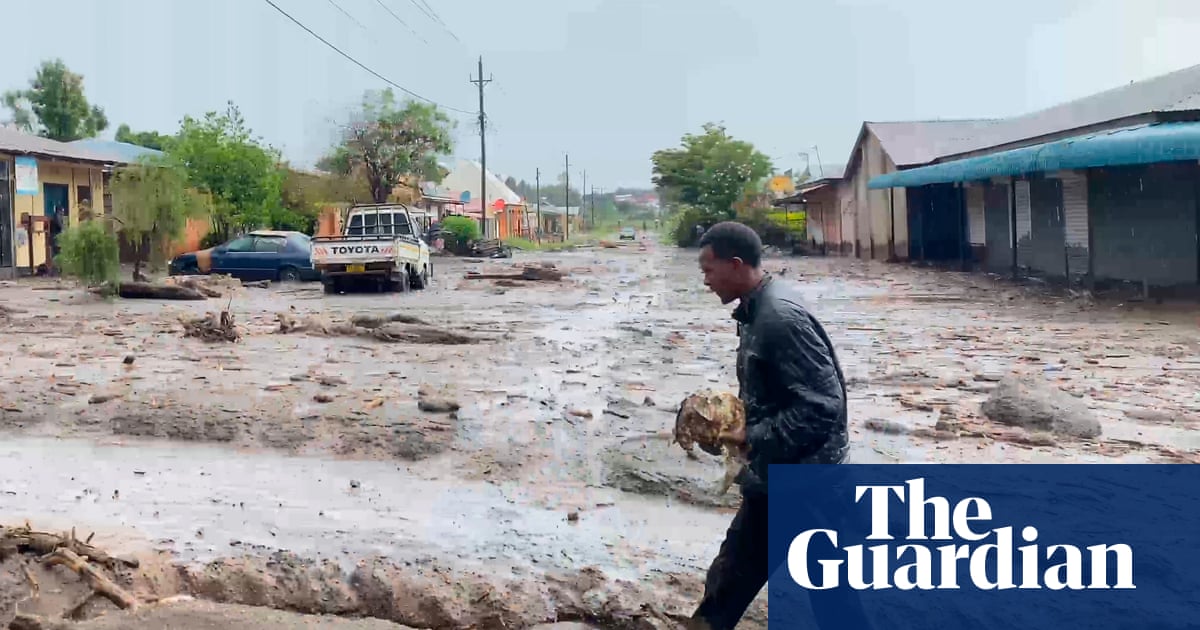
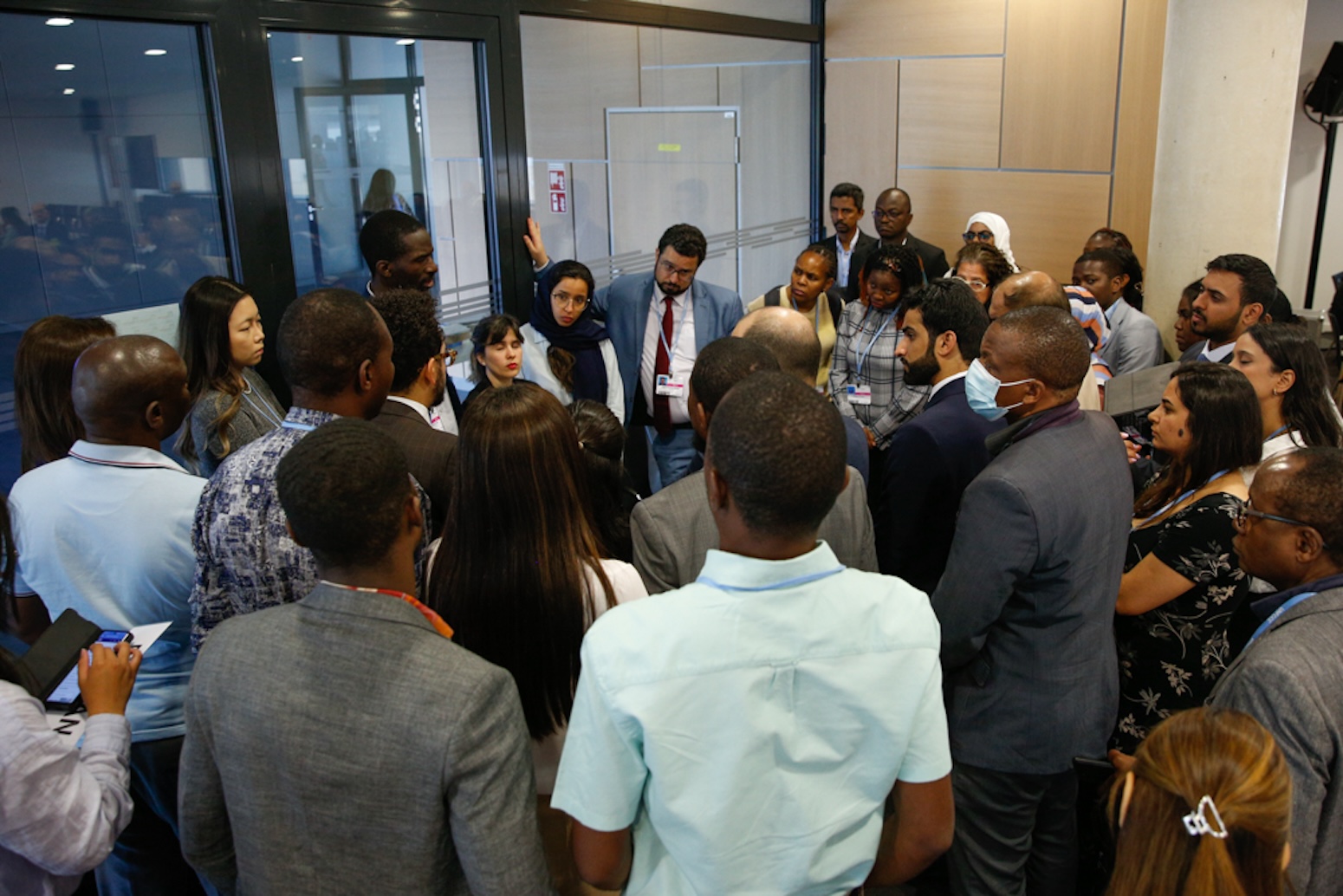
The African group has warned that the ongoing COP28 talks have failed to deliver fair and equitable finance for climate adaptation, which is crucial for the survival of the continent. Progress has been slow, with countries yet to agree on measurable targets, guidelines, and finance agreements that reflect the burden on developing countries, particularly in Africa. The African group is pushing for a workable framework and finance agreements that address the adaptation gap and ensure that Africans are not left behind. African countries are also advocating for fair and equitable decisions on mitigation, adaptation, loss and damage, and implementation, all of which require climate finance. They are calling for wider reform of global finance mechanisms that currently favor wealthier countries and for a just transition program that connects climate action and finance with sustainable development.
The COP28 climate summit in Dubai is conducting the first-ever Global Stocktake to assess countries' progress in curbing global warming since the Paris Agreement in 2015. The results will determine future actions, such as implementing stricter national policies, setting more ambitious goals, or providing financial support to poorer countries for transitioning to clean energy. The UN's initial report on the Global Stocktake highlighted the need for accelerated implementation and increased ambition to meet the goals of the Paris Agreement, as the global average temperature has already risen by almost 1.2 degrees Celsius since pre-industrial times.
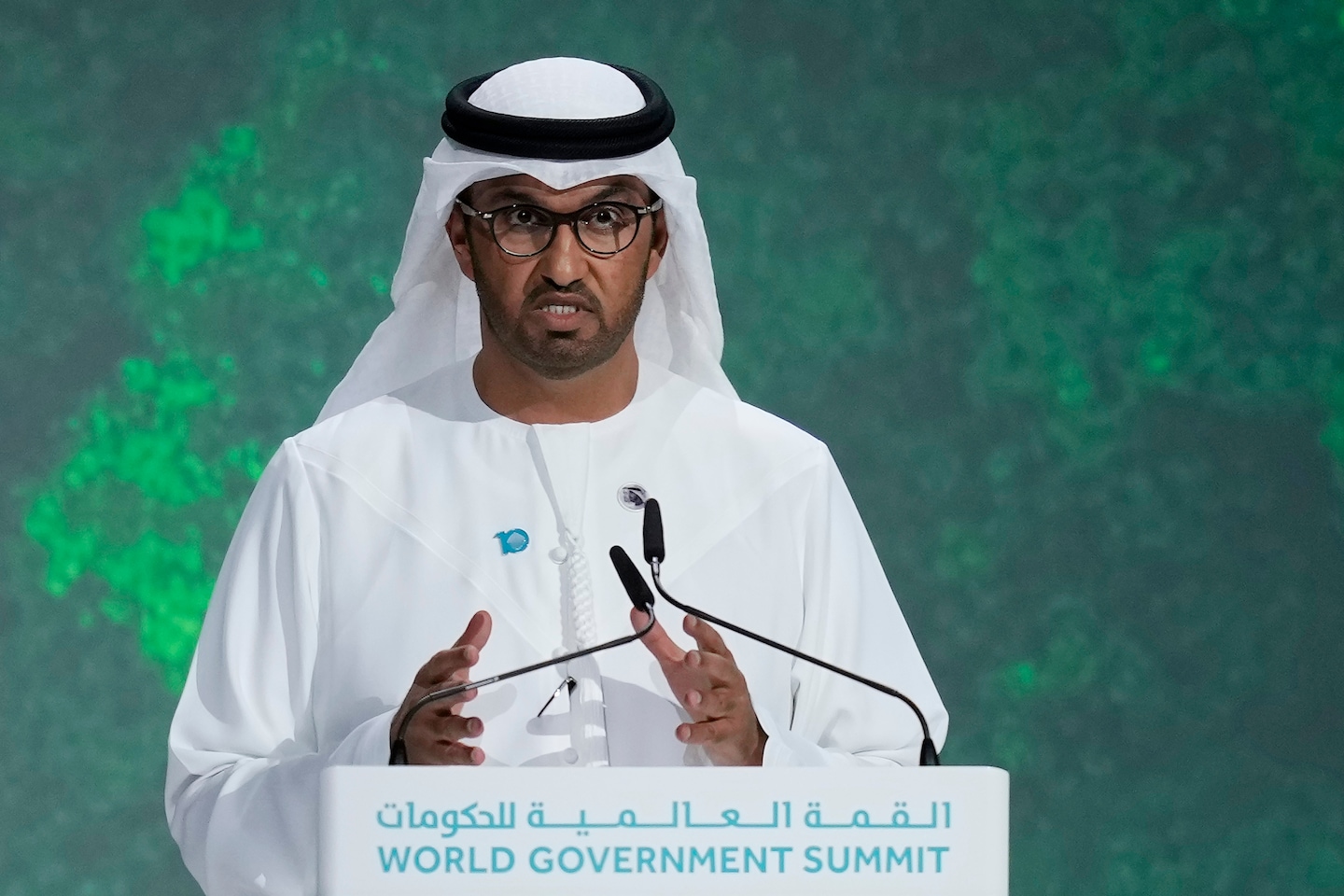
The United Arab Emirates, a major oil producer, is hosting the annual United Nations Climate Change Conference, known as COP28, in Dubai. The conference will focus on assessing the progress of countries in meeting the goals of the Paris Agreement and negotiating a new fund to compensate poor countries for the impacts of climate change. The host country plays a crucial role in facilitating consensus among nearly 200 nations. However, the next host for COP29 has not been announced due to geopolitical tensions. Despite criticism of past COPs for not achieving climate targets, supporters argue that these summits provide an important platform for global leaders to discuss climate change and accelerate emissions reduction efforts.
The upcoming COP28 climate change summit in Dubai will address several key issues, including the conclusion of the global stocktake under the Paris Agreement, the establishment of a fund for climate change-induced "loss and damage," and the discussion of energy targets such as phasing out fossil fuels and tripling renewable energy capacity. Other topics on the agenda include the operationalization of the loss-and-damage fund, the adoption of a framework for achieving the global goal on adaptation, and the ongoing work on climate finance and Article 6 carbon markets.
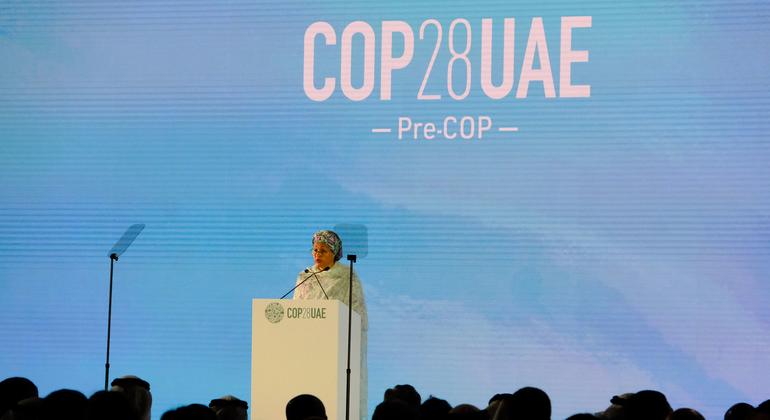
The upcoming COP28 summit, set to take place in the UAE, must address the gaps in global climate action, according to Deputy-Secretary-General Amina Mohamed. The summit's main focus will be the Global Stocktake, which will assess progress towards the goals of the 2015 Paris Agreement. The Pre-COP meeting in Abu Dhabi is a crucial opportunity for countries to lay the groundwork for negotiations at COP28, and UNFCCC Executive Secretary Simon Stiell emphasized the need for clear and decisive action to combat climate change.
The Bonn Climate Change Conference ended with negotiators expressing frustration over the lack of progress on climate finance and carbon pollution cuts. The conference was designed to prepare decisions for adoption at the COP28 summit in the United Arab Emirates later this year. The lack of progress on climate finance was a major issue, with low-income countries left deeply frustrated that funds pledged to them to implement their climate plans had not yet materialized. The Dubai summit will see the U.N. publish a global stocktake on tackling the climate emergency — the first since the Paris accord in 2015.