Nearly 200 countries are gathering in Belém, Brazil for COP30 to discuss climate change, but the U.S. will not participate actively, reflecting the Trump administration's rollback of climate policies and reduced support for climate science, which could impact global efforts to limit warming.
EU ministers are close to agreeing on a watered-down 2040 climate target, with some countries pushing for weaker goals if forests do not absorb enough CO2, amid ongoing negotiations ahead of the COP30 summit. Top officials warn against weakening the target, emphasizing the importance of maintaining strong climate commitments.
A record number of 2,456 fossil fuel lobbyists have been granted access to the Cop28 climate negotiations, raising concerns about the influence of the fossil fuel industry over the UN summit. The number of industry-affiliated lobbyists in Dubai is almost four times higher than the previous year, outnumbering official Indigenous representatives by seven to one. This highlights the prioritization of oil and gas industry profits over climate action and frontline communities. The presence of fossil fuel lobbyists exceeds the combined total of delegates from the 10 most climate vulnerable countries. The rise in industry lobbyists may be attributed to the host country's plan to promote deals for its national oil and gas companies. Campaigners are calling for a fossil fuel phase-out commitment at Cop28 and an end to the industry's influence in climate policy.
There is widespread anger and criticism after it was revealed that a record number of fossil fuel lobbyists have been granted access to Cop28, the UN climate summit. Climate Action Network highlights that there are more fossil fuel lobbyists than delegates from the 10 most climate-vulnerable countries combined, and more than seven times the number of fossil fuel lobbyists than official Indigenous representatives. Activists and climate justice advocates are calling for an end to the influence of the fossil fuel industry in climate negotiations and for stronger regulation of their activities. The presence of these lobbyists is seen as hindering progress in reaching strong agreements to address the climate crisis.
The health impacts of climate change are being discussed at the COP28 climate meeting in Dubai, marking a significant step forward in addressing the urgent need to address the intersection of climate change and public health. World leaders, health ministers, and health organizations are emphasizing the immediate and dramatic improvements in global wellbeing that can result from climate action. The inclusion of health in the climate meeting reflects the growing recognition of the current and future health risks posed by climate change, including extreme heat, damage to health infrastructure, food security issues, increased disease risks, and air pollution. Advocates are calling for a swift and complete phase-out of fossil fuel use, as well as increased financial support for countries dealing with climate change impacts.
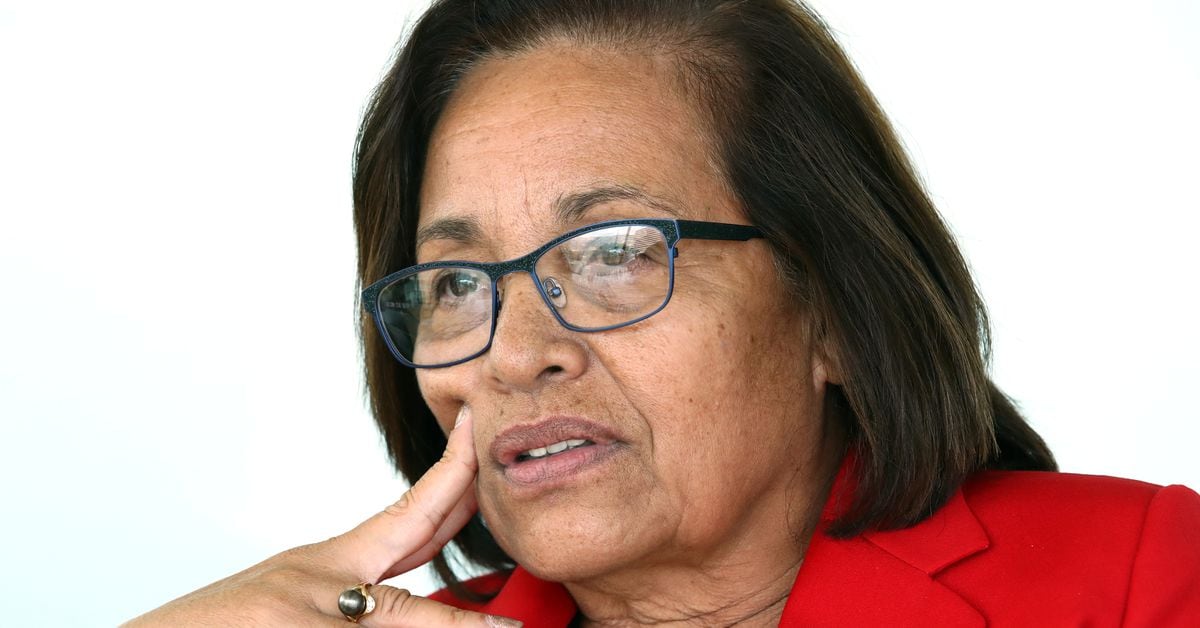
A member of the advisory board for the COP28 climate summit, Hilda Heine, has resigned over reports that the UAE presidency planned to use the meeting to secure oil and gas deals. Heine, former president of the Marshall Islands, expressed disappointment and stated that such actions undermine the integrity of the COP presidency and the negotiation process. She called on COP President Sultan al-Jaber to demonstrate commitment to phasing out fossil fuels. The COP28 presidency expressed extreme disappointment with Heine's resignation and highlighted the adoption of a fund to support vulnerable island states and those affected by climate impacts.
Pressure is mounting on the CEO of the United Arab Emirates national oil company, Sultan al-Jaber, who also serves as the president of the United Nations climate talks (COP28), as revelations emerged that the company was pushing fossil fuel sales while al-Jaber was working to curb climate change. The disclosure has raised concerns about a conflict of interest and has intensified calls to phase out fossil fuels. Despite the controversy, negotiators unanimously approved plans to launch a program to compensate poorer nations affected by climate extremes. The COP28 president faces increased scrutiny and pressure to deliver a stronger agreement to eliminate fossil fuels.
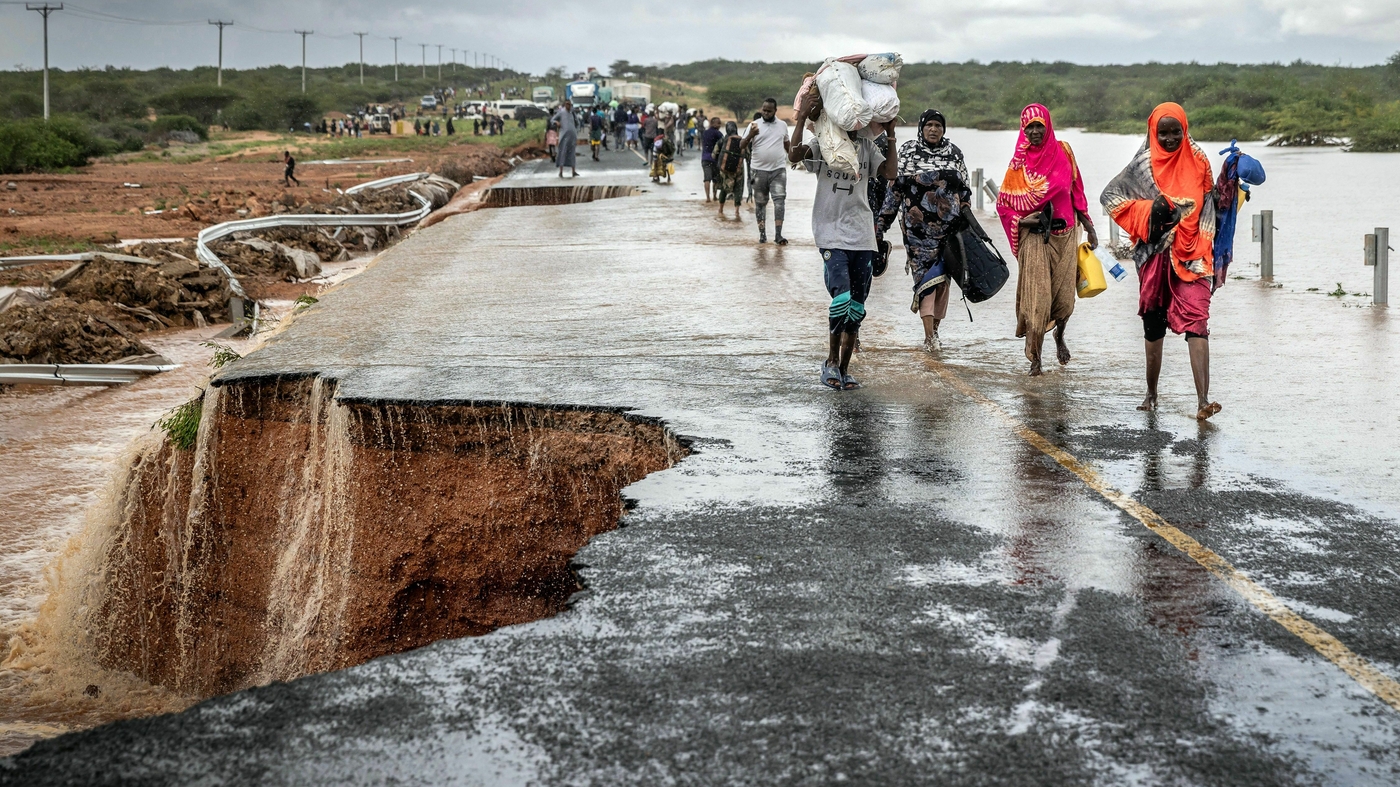
World leaders are gathering at the COP28 conference to address the critical issue of limiting global warming to 2.7 degrees Fahrenheit (1.5 degrees Celsius) above pre-industrial levels. The difference between this target and a 3.6 degrees Fahrenheit (2 degrees Celsius) rise could have significant consequences for the planet, including sea level rise, extreme weather events, and heatwaves. The urgency to reduce carbon emissions is highlighted by the fact that humanity has only about six years to prevent a 50% chance of surpassing the threshold. The COP28 negotiations will focus on lowering carbon emissions and taking decisive action to combat climate change.
The upcoming COP28 climate change summit in Dubai will address several key issues, including the conclusion of the global stocktake under the Paris Agreement, the establishment of a fund for climate change-induced "loss and damage," and the discussion of energy targets such as phasing out fossil fuels and tripling renewable energy capacity. Other topics on the agenda include the operationalization of the loss-and-damage fund, the adoption of a framework for achieving the global goal on adaptation, and the ongoing work on climate finance and Article 6 carbon markets.
The upcoming COP28 climate summit in Dubai will bring together a diverse group of influential figures, including Sultan al-Jaber, the controversial president of the summit and CEO of the UAE's national oil company; John Kerry, the US climate envoy; Simon Stiell, the UN climate chief; Madeleine Diouf Sarr, chair of the group representing the world's least-developed countries; and Pope Francis, who will deliver a speech on the ethical case for climate action. Other key figures include Bill Gates, Vanessa Nakate, Khalid al-Mehaid, Wopke Hoekstra, Teresa Ribera, Kate Hampton, Luiz Inácio Lula da Silva, Mohamed Nasr, Mia Mottley, Jennifer Morgan, and King Charles III.
COP28, the upcoming United Nations climate conference, is facing a significant communication challenge as experts highlight the need for effective messaging and engagement to mobilize global action on climate change. The conference will require clear and compelling communication strategies to bridge the gap between scientific knowledge and public understanding, ensuring that the urgency of the climate crisis is effectively conveyed to policymakers and the general public.
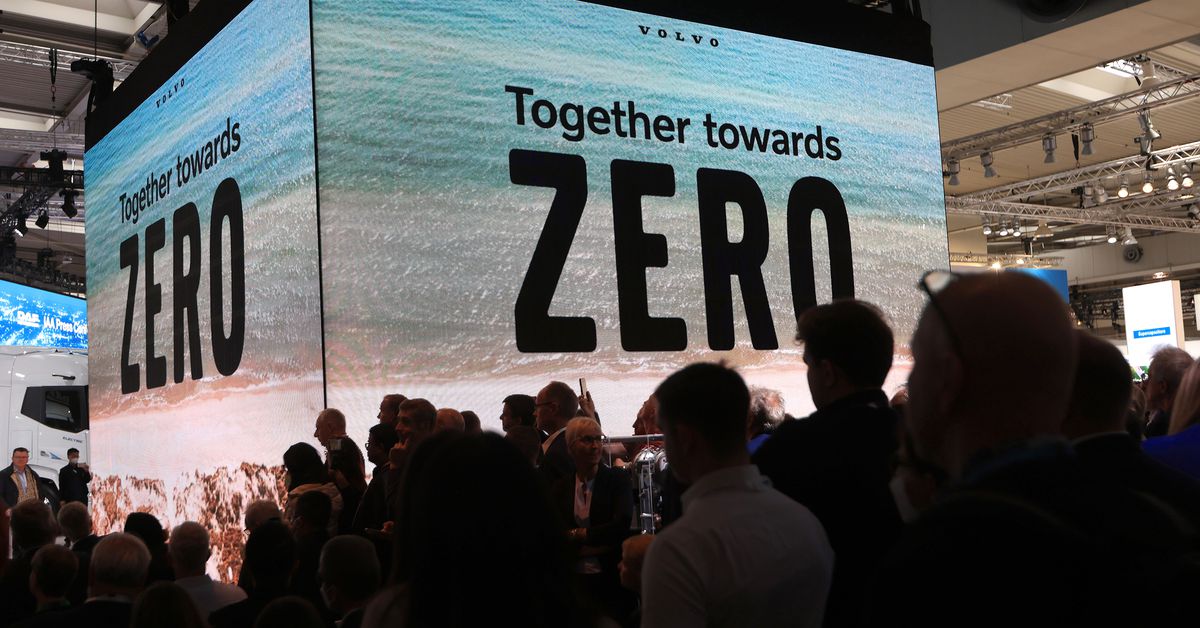
More than 130 companies, including Volvo Cars, Ikea, Unilever, Nestlé, and AstraZeneca, have signed a letter urging governments to adopt a global plan to phase out fossil fuels without carbon capture during upcoming international climate negotiations. Coordinated by the We Mean Business Coalition, the signatories represent close to $1 trillion in global annual revenue and are calling for policies that accelerate the deployment of renewable energy. The letter also asks for wealthy countries to provide financial support to less affluent nations for transitioning to clean energy and to establish fees for carbon pollution. Notably absent from the list of signatories are tech giants Apple, Google, and Amazon.
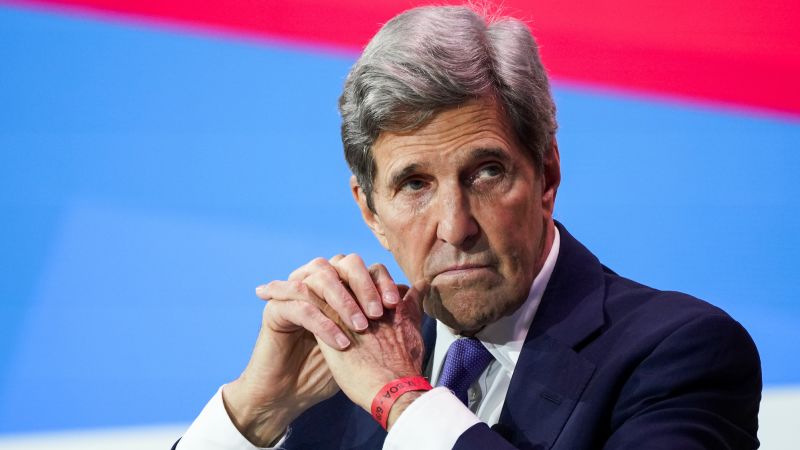
John Kerry, US climate envoy, is confident that the Biden administration's climate policies and clean energy trajectory cannot be reversed by a Republican president due to the power of the marketplace. Kerry is optimistic about cooperation with China on cutting emissions of super-polluting methane, moving away from coal, and working together on deforestation. However, Kerry believes that nations are way off-track on their goal to limit warming to 1.5 degrees Celsius. Despite Biden's significant climate wins in Congress, he has taken a hit among young voters for approving the controversial Willow oil drilling project in Alaska earlier this year.