Tag

Gj 9827d

All articles tagged with #gj 9827d

"Hubble Discovers Water Vapor in Atmosphere of Distant Exoplanet"
astronomy2 years ago

"Hubble Discovers Water Vapor in Atmosphere of Distant Exoplanet"

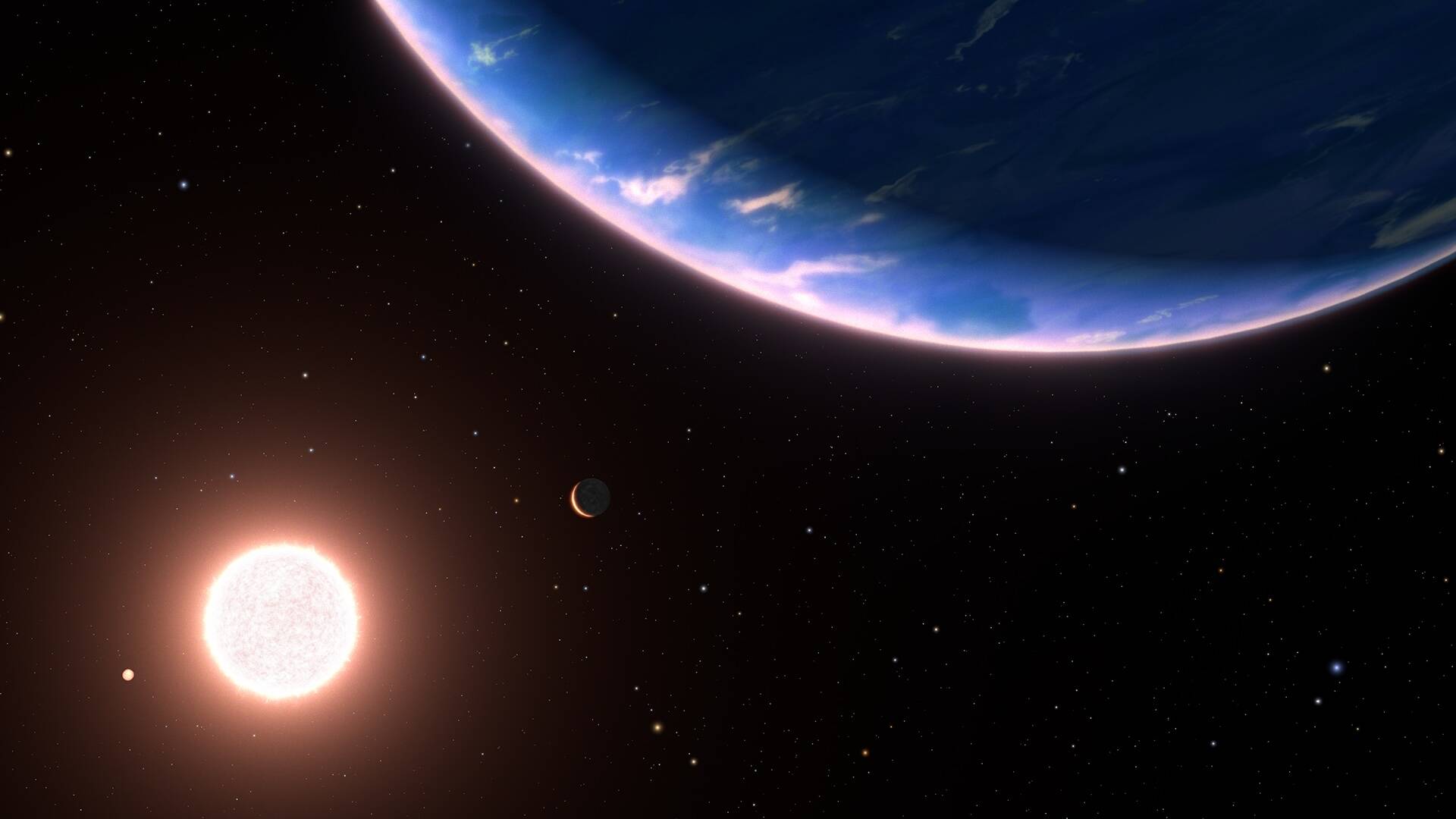
NASA's Hubble Space Telescope has detected water vapor in the atmosphere of exoplanet GJ 9827d, a significant milestone in exoplanet research. While the planet's harsh conditions make it inhospitable to life, this finding expands our understanding of where and how planets with water-rich environments can exist, bringing us closer to identifying Earth-like worlds. The discovery challenges and deepens our knowledge of exoplanetary atmospheres, providing valuable insights into the diversity and nature of planetary systems in the cosmos.
"Hubble Discovers Water Vapor in Atmosphere of Tiny Exoplanet"
astronomy2 years ago

"Hubble Discovers Water Vapor in Atmosphere of Tiny Exoplanet"

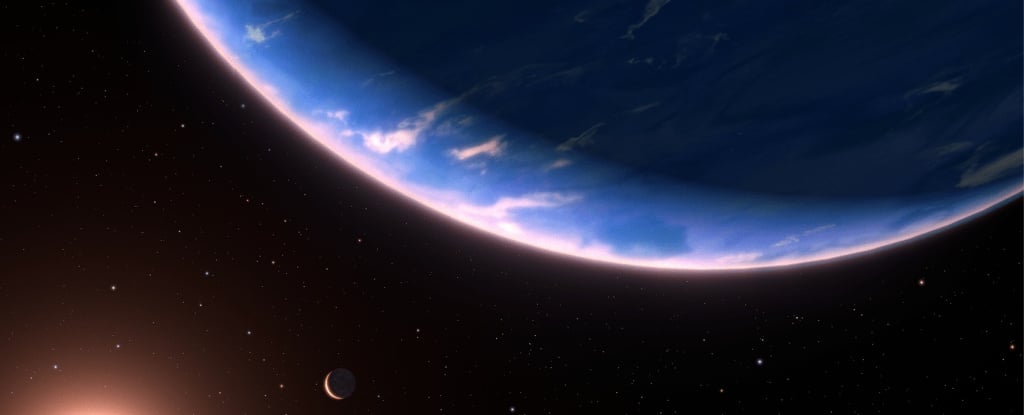
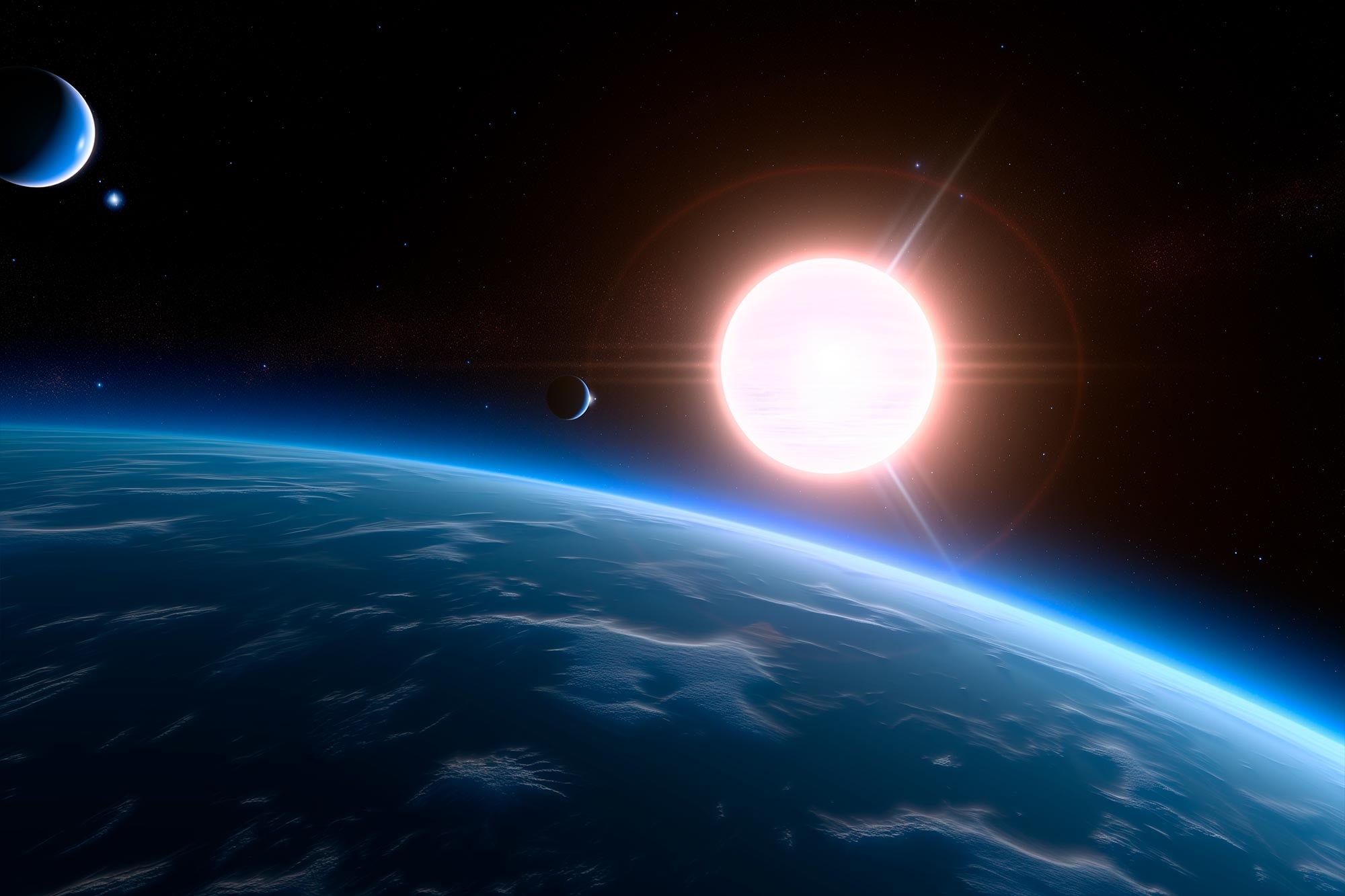
The Hubble Space Telescope has detected water vapor in the atmosphere of exoplanet GJ 9827d, the smallest planet outside our solar system to exhibit this feature. This "landmark discovery" brings astronomers closer to characterizing Earth-like worlds. The planet, about twice Earth's diameter, orbits a red dwarf star 97 light-years away and may be a "mini-Neptune" with a hydrogen-rich atmosphere containing water. The finding opens the door to future study of similar planets, especially by the James Webb Space Telescope, and has been published in The Astrophysical Journal Letters.

"NASA's Hubble Telescope Discovers Water World in Exoplanet's Atmosphere"
astronomy2 years ago

"NASA's Hubble Telescope Discovers Water World in Exoplanet's Atmosphere"

Astronomers using the Hubble Space Telescope have detected water vapor in the atmosphere of GJ 9827d, a small exoplanet, indicating the presence of water-rich atmospheres on similar planets. This discovery is a significant step in understanding the composition and evolution of exoplanetary atmospheres, and it could provide insights into the prevalence and diversity of atmospheres on rocky planets. The planet, about twice the size of Earth, is as hot as Venus, making it a steamy world, and its atmosphere may be a mix of water and hydrogen or a warmer version of Jupiter's moon Europa. This finding opens the door to future studies of similar planets by the James Webb Space Telescope.

"Hubble Telescope Discovers Smallest Water-Rich Planet in Orbit"
science-and-technology2 years ago

"Hubble Telescope Discovers Smallest Water-Rich Planet in Orbit"

The Hubble Space Telescope has discovered evidence of water vapor in the atmosphere of GJ 9827d, the smallest exoplanet known to have such a feature. This finding is significant in the search for Earth-like worlds and the prevalence of water-rich atmospheres around other stars. The planet's characteristics and potential as a water world or a miniature Neptune-like gas planet are still under investigation, with hopes that the James Webb Space Telescope will provide further insights into its composition and formation.

"Hubble Discovers Water Vapor in Atmosphere of Tiny Exoplanet"
astronomy2 years ago

"Hubble Discovers Water Vapor in Atmosphere of Tiny Exoplanet"

Astronomers using the Hubble Space Telescope have discovered water vapor in the atmosphere of a small exoplanet named GJ 9827d, located 97 light-years from Earth. Despite its potential for hosting life, the planet's searing temperatures make it inhospitable. The findings pave the way for further investigation into the origins of planets beyond our solar system, and the discovery is a significant step toward understanding the prevalence and diversity of atmospheres on rocky planets. The research team is now using the James Webb Space Telescope to gather more data and hopes to settle the question of water worlds once and for all.

NASA's Hubble Telescope Discovers Water Vapor on Small Exoplanet
astronomy2 years ago

NASA's Hubble Telescope Discovers Water Vapor on Small Exoplanet

NASA's Hubble Space Telescope has detected water vapour in the atmosphere of the exoplanet GJ 9827d, which is approximately twice the size of Earth and as hot as Venus. This discovery could indicate the presence of water-rich atmospheres on other planets in our galaxy. The planet, located 97 light years from Earth, completes an orbit around a red dwarf star every 6.2 days. Scientists are considering whether the planet could be a mini-Neptune with a hydrogen-rich envelope or a warmer version of Jupiter's moon Europa. NASA's focus now turns to understanding the total inventory of elements on the planet to compare with its host star and comprehend its formation.

"Hubble telescope detects water on hot exoplanet in groundbreaking find"
astronomy2 years ago

"Hubble telescope detects water on hot exoplanet in groundbreaking find"

The Hubble Space Telescope has detected water vapor in the atmosphere of GJ 9827d, a small, hot exoplanet with Venus-like temperatures. This marks the smallest exoplanet where an atmosphere has been detected, bringing scientists closer to characterizing Earth-like worlds. The nature of GJ 9827d remains uncertain, with possibilities ranging from a water world to a hydrogen-rich mini-Neptune. Further observations with the James Webb Space Telescope are underway to learn more about its atmospheric composition and settle the question of water worlds.