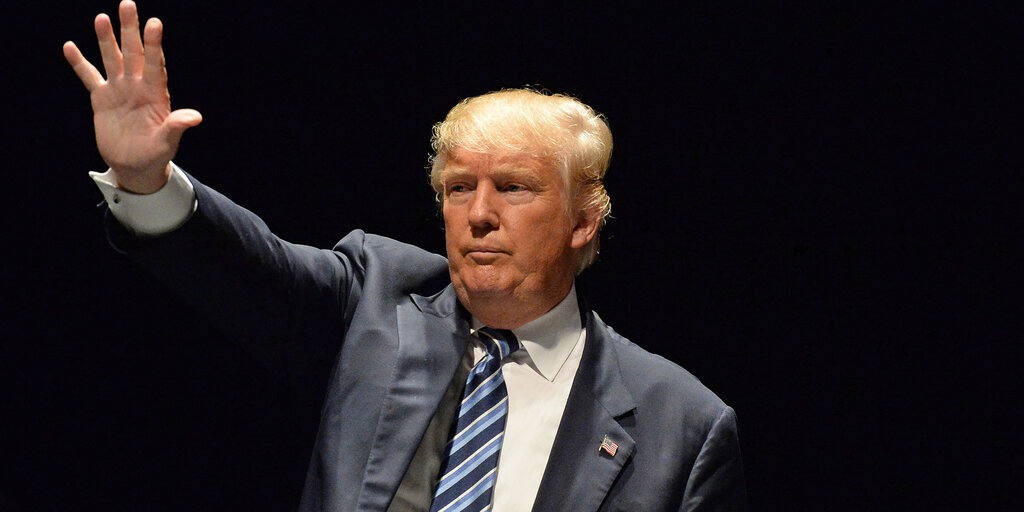
Former President Donald Trump survived an assassination attempt, leading to a surge in support from business leaders and a spike in Bitcoin prices. Meanwhile, the German government sold off its Bitcoin holdings, causing temporary market fluctuations. The Republican party embraced pro-crypto policies, while the House failed to override President Biden's veto on a bill allowing banks to hold crypto. Despite partisan divides, a bipartisan roundtable on crypto policy offered some hope for future consensus.
The German government has agreed to provide guarantees worth €7.5 billion ($8.1 billion) to Siemens Energy as part of a deal to support the troubled energy company and help fulfill its order book. The guarantees are part of a larger package totaling €15 billion, which includes guarantees from private banks and other stakeholders. Siemens Energy, which makes gas and wind turbines, is seen as a vital player in Germany's transition to renewable energy. The government's support reflects its view of the company's importance. The guarantees will not involve cash, but rather counter guarantees to private banks.
Siemens Energy shares plummeted by over 32% after the company sought support from the German government, citing a rising need for guarantees for long-term projects. The company is evaluating measures to strengthen its balance sheet and is in preliminary talks with stakeholders, including banking partners and the government. Siemens Energy previously scrapped its profit forecast and warned of ongoing challenges at wind turbine subsidiary Siemens Gamesa.
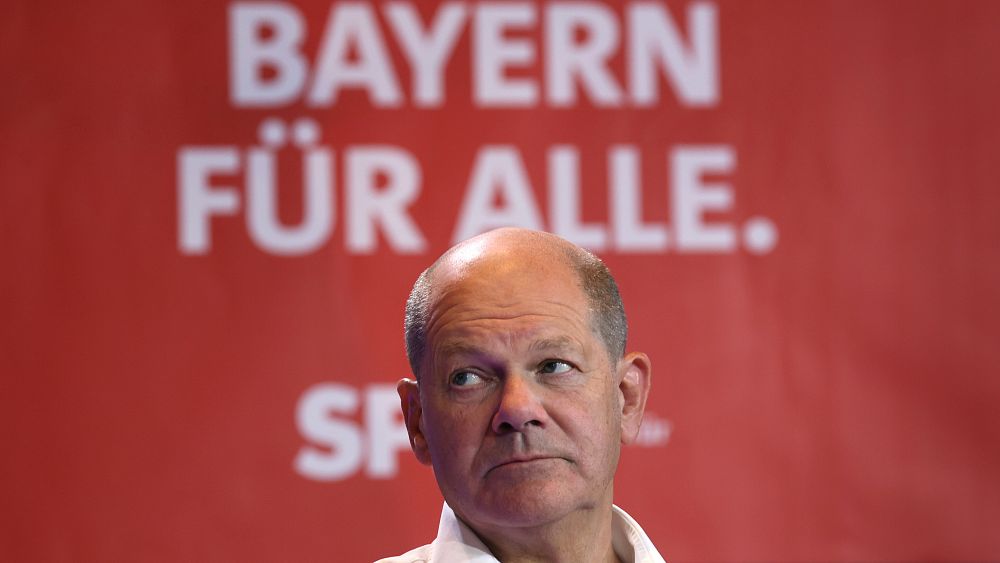
German Chancellor Olaf Scholz vows to resolve the dispute over child benefits within his coalition government, which has been plagued by infighting. The coalition, consisting of the Social Democrats, Greens, and Free Democrats, has struggled to find common ground on economic and other issues. Scholz urges the government to focus on highlighting its successes and conduct internal discussions rather than engaging in public arguments. Despite the conflicts, the Cabinet has recently approved social reform measures, including changes to citizenship rules and cannabis regulations.
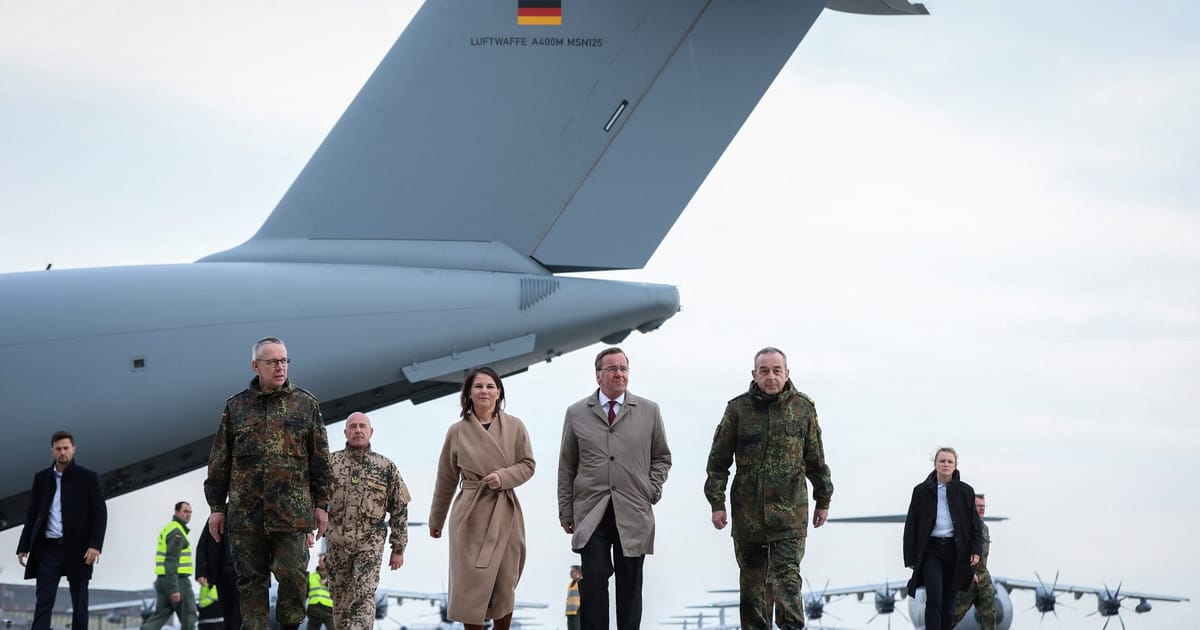
The German government has a history of encountering embarrassing technical difficulties with its government planes during diplomatic trips. Examples include cracked windows, broken landing gear, exploding tires, rats chewing cables, and computer system failures. Ministers and officials have been stranded, forced to take commercial flights, or make emergency landings. These incidents have resulted in last-minute changes, delays, and inconveniences for top officials, highlighting the patchy track record of the German government's use of planes for official travel.
Rheinmetall will supply 20 more Marder infantry fighting vehicles to Ukraine in the summer at the request of the German government. The order is worth a figure in the lower-two-digit million-euro range. The Marder infantry fighting vehicle developed for the Bundeswehr is one of the most reliable weapons systems of its kind.