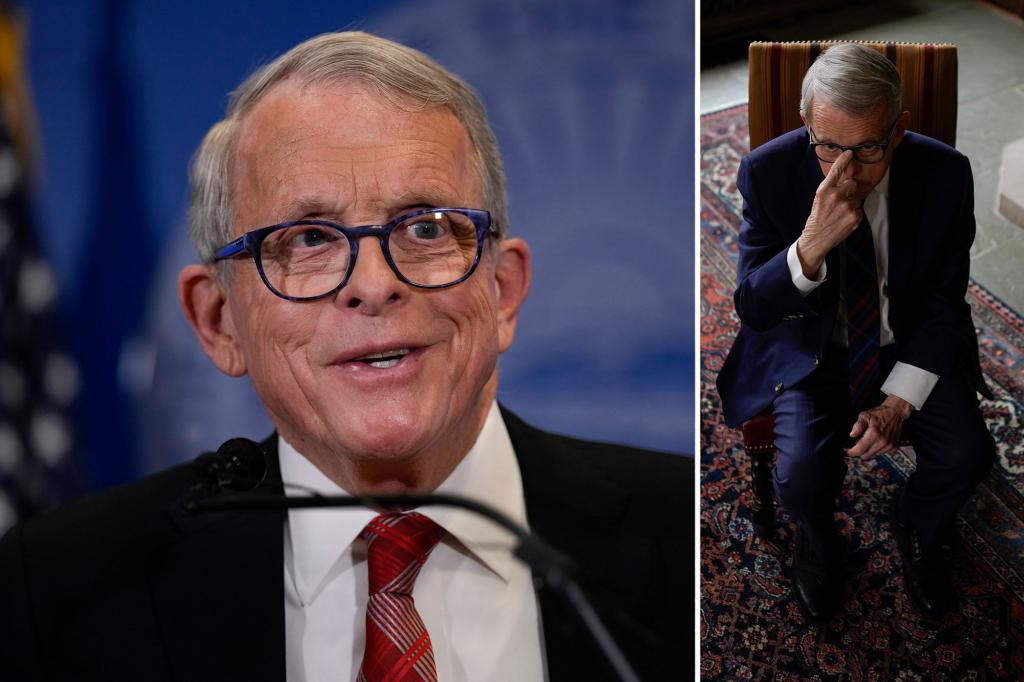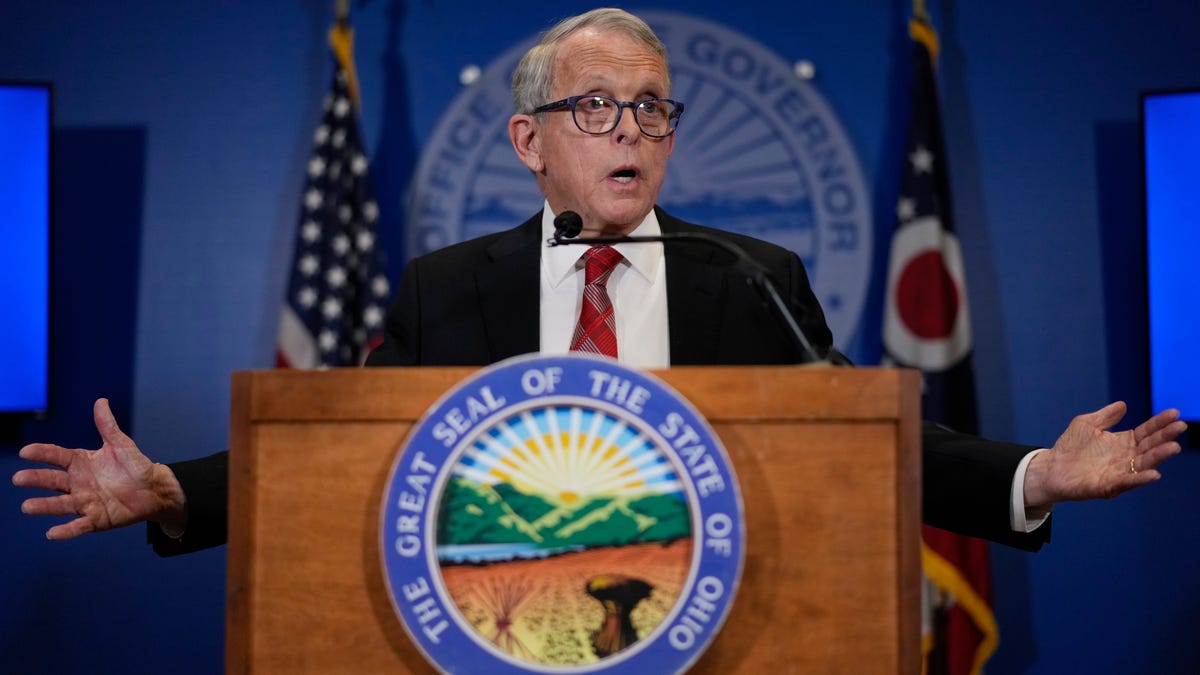
Ohio Governor Mike DeWine issued an executive order immediately banning gender-transition surgeries for minors, a week after vetoing a broader bill that would have restricted transgender youth from receiving various forms of gender-affirming care. DeWine believes that medical decisions for children should be made by parents, not the government. The order comes amid a wave of anti-LGBTQ legislation in various states, contrasting with protective measures in Democratic-led states. The Ohio Department of Health and the Department of Mental Health and Addiction Services will establish new rules for transition-related care after a public comment period.
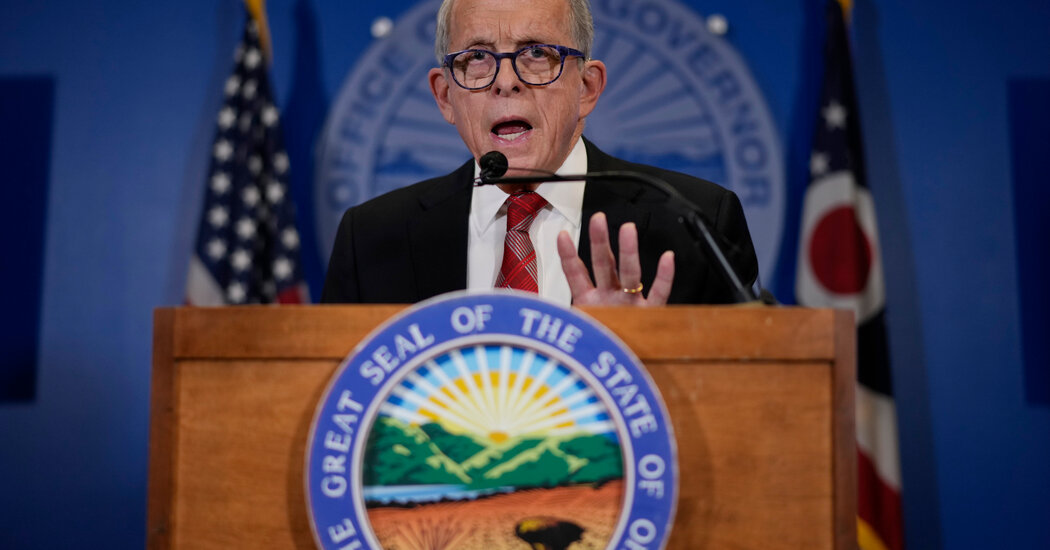
Ohio Governor Mike DeWine, after vetoing a bill that would have banned gender-affirming care for minors, has issued an executive order prohibiting gender-transition surgeries for minors at state-run medical facilities and has directed health agencies to draft rules mandating a comprehensive medical team's involvement in prescribing such care. This move, which includes parental consent requirements and reporting of treatments, seems to be a compromise with Republican lawmakers and adds new restrictions to both minor and adult transgender care. The Ohio House is set to consider overriding the governor's veto in a special session.
Ohio Governor Mike DeWine has signed an executive order banning gender reassignment surgery for minors, effective immediately. This follows his veto of a broader bill that would have also restricted hormone treatments and participation in sports for transgender individuals. DeWine's order comes with new rules to collect data on transgender medical treatments and to ensure mental health counseling is provided. The state legislature may attempt to override his veto of the comprehensive bill, but it is uncertain if they have the necessary votes.
Ohio Governor Mike DeWine signed an executive order banning gender transition surgeries for minors and announced plans to file new rules for public comment regarding transgender care. These rules, developed with health departments, emphasize a multi-disciplinary approach and informed consent. This follows his veto of House Bill 68, which sought to ban gender-affirming care for minors and restrict sports participation. Despite the veto, Ohio House Republicans aim to override it in the upcoming session.
Ohio Governor Mike DeWine has introduced new administrative rules to restrict access to gender-affirming care for transgender adults, requiring a multidisciplinary team for treatment and comprehensive care plans with mental health counseling. Additionally, he signed an executive order banning gender-affirming surgeries for minors and mandated the reporting of de-identified data on gender dysphoria treatments. This follows his veto of a bill that would have banned all gender-affirming care for minors and prevented transgender women and girls from competing in female school sports teams. The state House is expected to attempt to override the veto.
Ohio Governor Mike DeWine signed an executive order banning transition-related surgeries for minors, following his veto of a broader bill that would have restricted all gender-affirming care for minors. DeWine emphasized the role of parents in making healthcare decisions for their children and announced new administrative rules to ensure informed consent and mandatory psychological counseling before transition-related care for both minors and adults. Ohio becomes the second state after Arizona to specifically ban such surgeries for minors, while the Ohio General Assembly could potentially override the governor's veto. Major medical associations oppose state bans on gender-affirming care for minors.
Ohio Governor Mike DeWine issued an executive order prohibiting transgender transition surgeries for minors, emphasizing the role of parents in medical decisions over government. This follows his veto of House Bill 68, which sought to ban gender-affirming care for transgender youth and enforce single-sex sports teams. DeWine's order also introduces rules for transgender health care that aim to ensure quality care and comprehensive mental health counseling. The rules are open for public comment and address concerns about "fly-by-night" providers. Despite the veto, the Republican-controlled legislature has the power to override it before the end of the year.
Ohio Governor Mike DeWine vetoed House Bill 68, which would have banned transgender girls from female sports and restricted gender-affirming medical care for trans minors. DeWine emphasized the importance of parental judgment over state mandates in medical decisions for their children. This move goes against a wave of anti-trans legislation across the United States, with the ACLU reporting over 500 anti-trans bills in 2023. DeWine's decision is seen as a moment of empathy and reason, highlighting the ongoing struggle for transgender rights and the importance of recognizing trans individuals as human beings deserving of respect and dignity.
Ohio Governor Mike DeWine faced severe criticism from conservatives after vetoing the Save Adolescents from Experimentation (SAFE) Act, which aimed to restrict transgender women and girls from participating in female sports and prohibit gender reassignment treatments for minors. DeWine defended his decision by emphasizing parental rights and medical expertise over state intervention. Despite the backlash, including from prominent figures like Senator JD Vance and GOP presidential candidate Vivek Ramaswamy, some Republicans like state Rep. Gary Click suggested the conversation is not over. The Ohio legislature, with a Republican supermajority, has the potential to override the veto.
Ohio's Republican Governor Mike DeWine vetoed a bill that would have restricted access to gender-affirming care for trans and nonbinary minors and barred transgender girls and women from participating in sports as their chosen gender. DeWine argued that the state should not interfere with parental rights to make medical decisions for their children. The article reflects on the broader implications of this decision, suggesting that it aligns with core American values of individual freedom and self-determination, and contrasts with the trend of anti-trans legislation in other states. The author, Lydia Polgreen, draws parallels with her Midwestern Republican grandparents' beliefs in limited government and individual rights, and expresses hope that DeWine's stance may signal a return to these principles within the Republican Party.
Ohio Governor Mike DeWine, a Republican, vetoed a bill that would have prohibited transgender youth from accessing gender-affirming care, diverging from the legislative efforts of some GOP-led states to restrict transgender rights. The specific reasons behind his decision were not detailed in the provided text, but his action reflects a significant stance on a highly contentious issue within the political and social landscape.
Ohio Governor Mike DeWine vetoed House Bill 68, which would have prohibited gender-affirming health care for transgender youth and their participation in school sports. DeWine emphasized the importance of parental rights and informed medical advice in making such decisions, although he plans to pursue regulations against gender-affirming surgery for minors. The veto has sparked criticism from some Republicans, who are urging the legislature to override it. DeWine joins a small group of Republican governors who have vetoed similar legislation, despite a trend in GOP-led states to pass laws restricting transgender youths' access to gender-affirming care and sports participation.