Tag

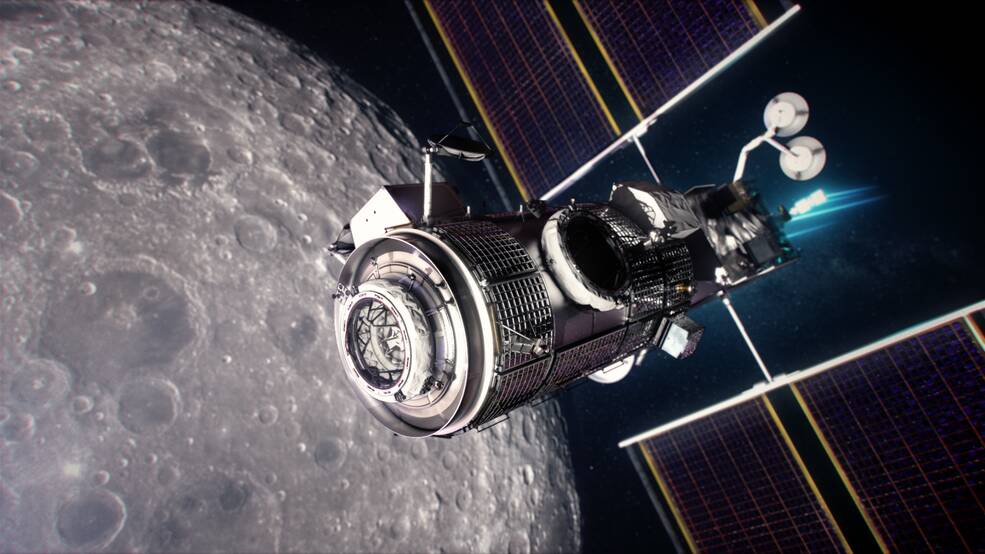
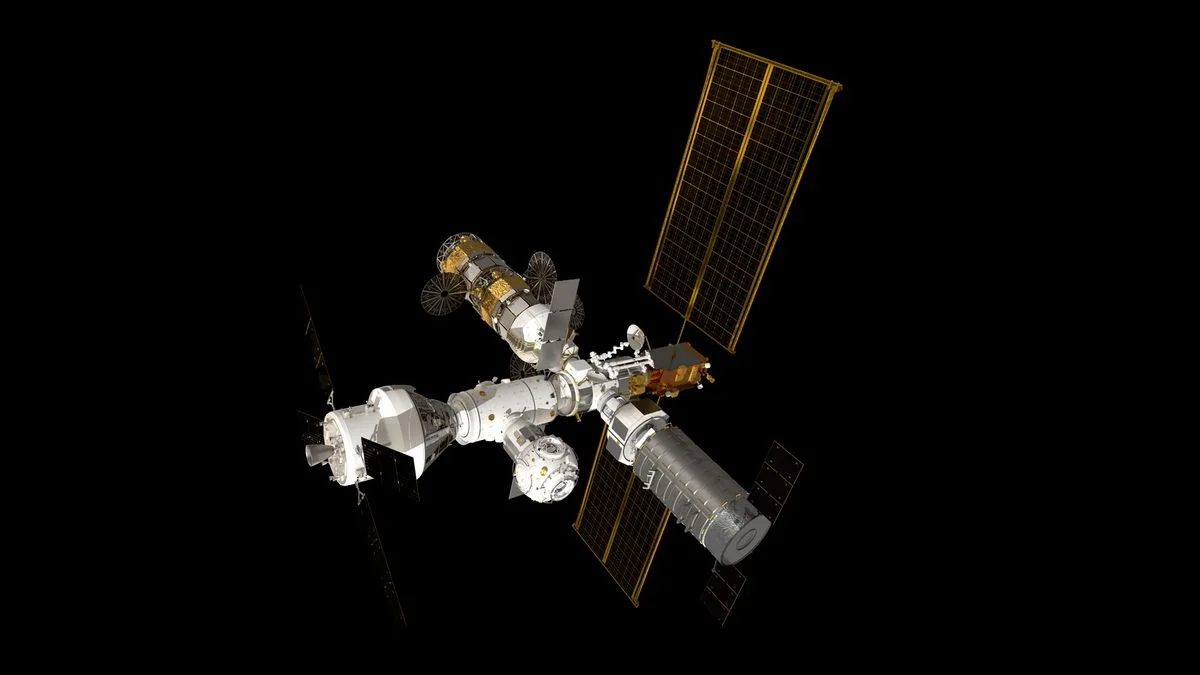
Gateway Space Station

All articles tagged with #gateway space station

space2 years ago

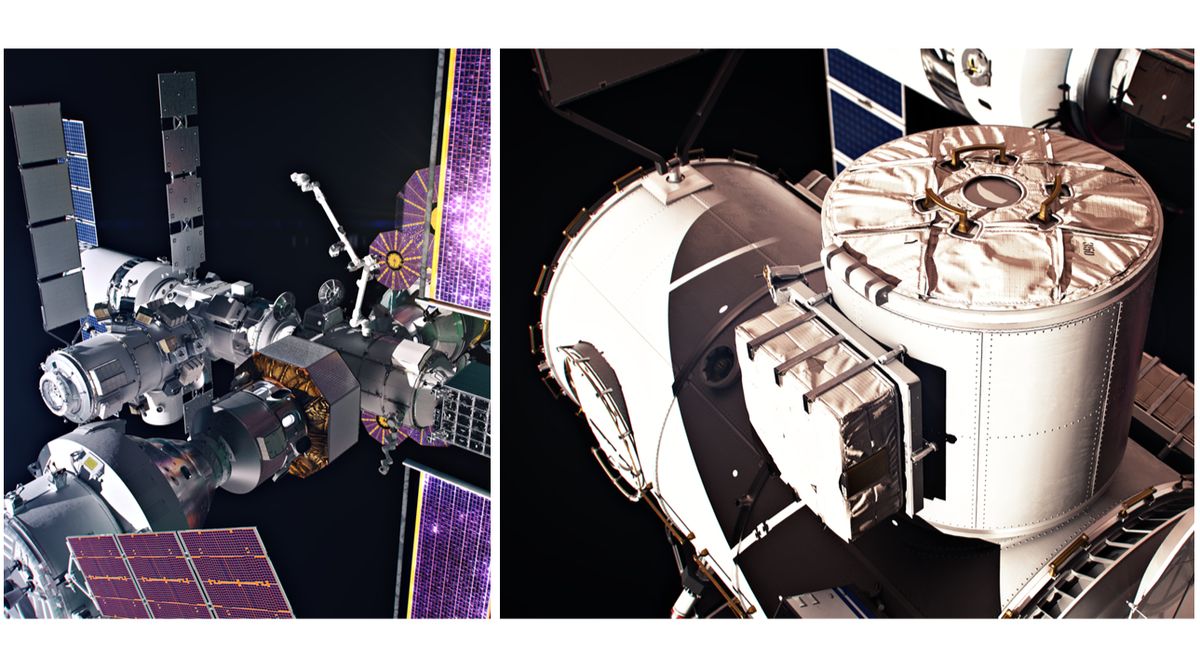
"UAE's Contribution to NASA's Lunar Gateway Station"

The United Arab Emirates (UAE) has partnered with NASA to provide an airlock module for the lunar Gateway space station, as part of the Artemis moon program. In exchange, a UAE astronaut will fly to the Gateway on a future mission. This collaboration reflects the UAE's growing involvement in space exploration, including signing on to the Artemis Accords and participating in other lunar exploration initiatives.
space2 years ago

NASA's Moon-Orbiting Gateway Space Station Successfully Tests Powerful New Thrusters

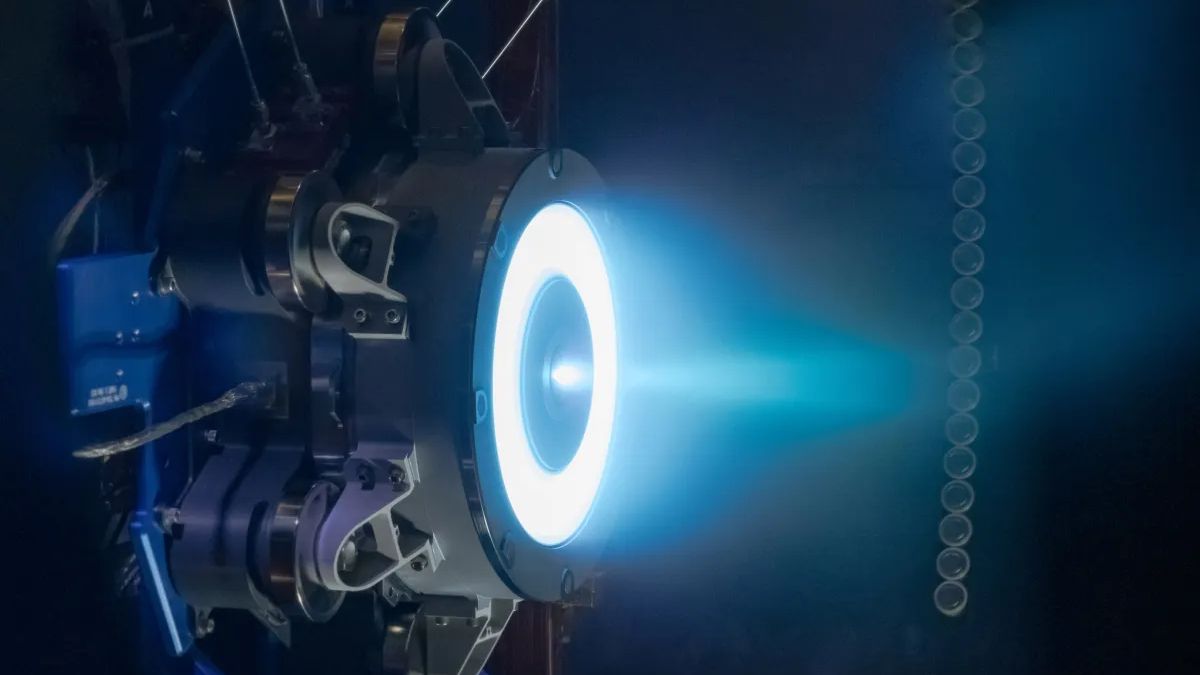
NASA and Aerojet Rocketdyne are testing a new ion propulsion engine called the Advanced Electric Propulsion System (AEPS) at NASA's Glenn Research Center. The AEPS, a powerful Hall effect thruster, uses solar-generated electricity to create a stream of ionized xenon gas, producing efficient thrust. It is over two times more powerful than current electric propulsion thrusters and will be crucial for future lunar exploration missions. The thrusters will be used on NASA's Gateway space station, and a dedicated Xenon Transfer System is being developed to replenish the xenon gas. NASA plans to test a second thruster in 2024 and launch the Power and Propulsion Element (PPE) of Gateway in November 2025.

space2 years ago

NASA's Moon-Orbiting Gateway Space Station Successfully Tests Powerful New Thrusters

NASA and Aerojet Rocketdyne are conducting qualification testing for the Advanced Electric Propulsion System (AEPS), a powerful ion propulsion engine that will be used to power lunar exploration. The AEPS, a Hall effect thruster, uses solar-generated electricity to create a stream of ionized xenon gas, producing efficient thrust. This 12-kilowatt thruster is the most powerful electric propulsion thruster in production and will be critical for future moon and space exploration missions. The thrusters will be used on the Power and Propulsion Element (PPE) of NASA's Gateway space station, and a second thruster qualification article will be tested in 2024.

space-technology2 years ago

"Groundbreaking Test Proves Ion Engine as Most Powerful Ever"

Aerojet Rocketdyne, in collaboration with NASA, has successfully completed qualification testing for the Advanced Electric Propulsion System (AEPS), the most powerful ion engine currently in production. The 12-kilowatt ion propulsion thruster, designed for long-term space missions, represents a significant advancement in electric propulsion technology. The engine's increased power allows for longer space flights, making it ideal for NASA's Gateway space station and future deep space missions. The AEPS will be used on the Gateway station, which is set for a 2025 launch and will support NASA's Artemis missions to the Moon. This breakthrough in ion engine power opens up new possibilities for space exploration and inspires future generations.

space-technology2 years ago

"Groundbreaking Test Proves Ion Engine as Most Powerful Ever"

Aerojet Rocketdyne, in collaboration with NASA, has successfully completed qualification testing for the Advanced Electric Propulsion System (AEPS), the most powerful ion engine currently in production. The 12-kilowatt ion propulsion thruster, designed for long-term space missions, represents a significant advancement in electric propulsion technology. The engine's increased power allows for longer space flights, making it ideal for NASA's Gateway space station and future deep space missions. The AEPS will be used on the Gateway station, which is set for a 2025 launch and will support NASA's Artemis missions to the Moon. This breakthrough in ion engine power opens up new possibilities for space exploration and inspires future generations.

space2 years ago

NASA's Artemis Program: Paving the Way for Lunar Living and Global Competition

NASA plans to send the Artemis IV crew to the Moon-orbiting Gateway space station in 2028 as part of their goal to colonize the Moon and establish infrastructure for further exploration. The Gateway will be humanity's first extraterrestrial space station and will be constructed with the help of international space agencies and private companies. The first module, the Habitation and Logistics Outpost (HALO), is set to launch in November 2025. The Artemis V crew is scheduled to launch in September 2029, adding a refueling module and a second habitat module to the Gateway. The Gateway will operate autonomously for up to three years and provide constant data flows back to Earth.

space2 years ago

Artemis 4 Astronauts Prepare for Lunar Mission Aboard NASA's Gateway

NASA's Artemis 4 mission, scheduled for 2028, will be the first to utilize the moon-orbiting Gateway space station as part of the agency's Artemis moon program. The astronauts of Artemis 4 will live and work in the small lunar outpost, while the first crewed mission to the station is expected to arrive in 2025 or 2026. The Gateway will serve as a compact home for astronauts and is being designed to operate autonomously for up to three years between missions. The European Space Agency (ESA) and Japan will provide a refueling module and a second habitat module for the lunar outpost, and European astronauts will have three flight opportunities to work on the outpost and land on the moon. Gateway's unique position around the moon will enable science experiments to study radiation risks and inform future long-term missions to the moon and Mars.