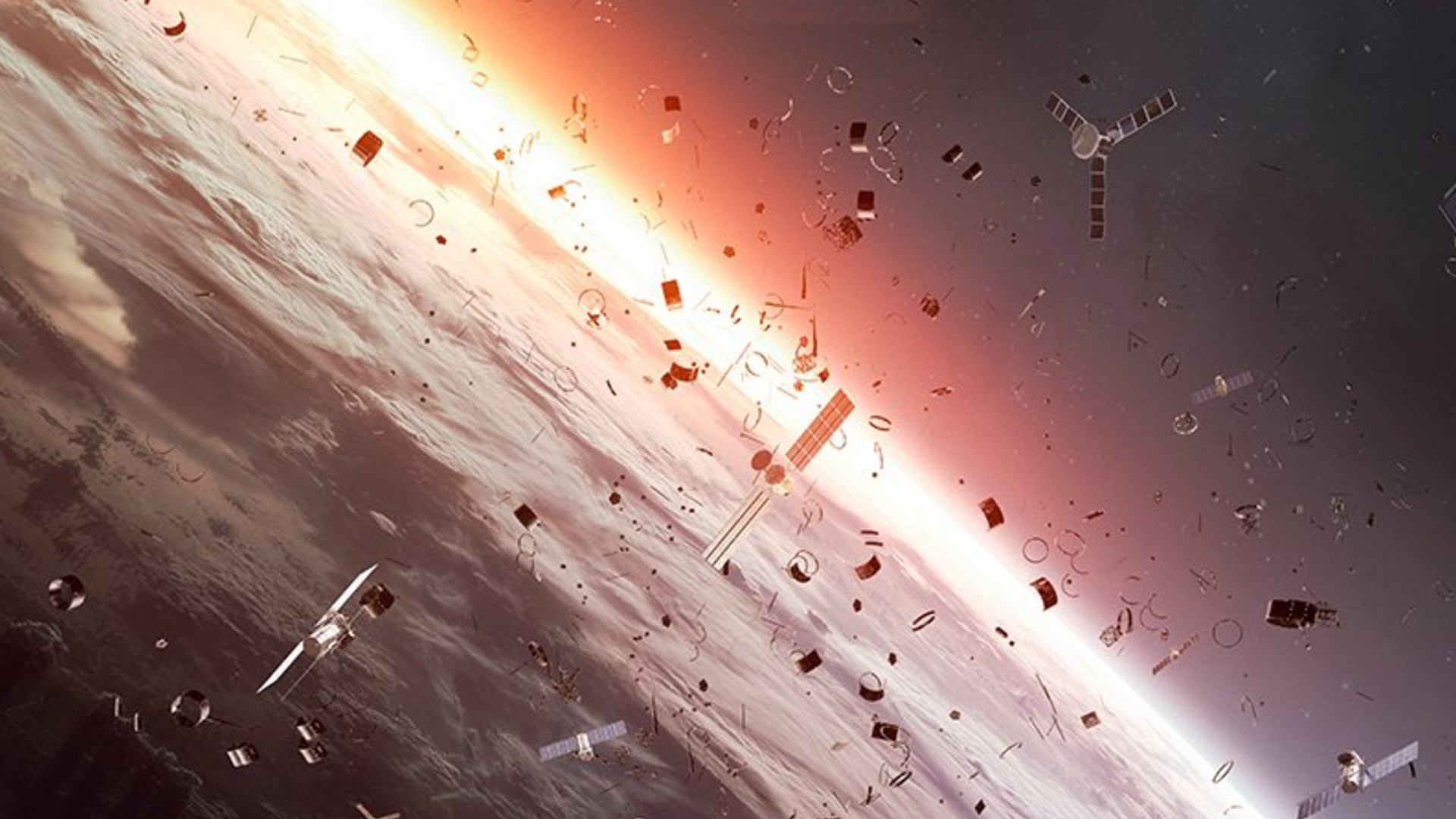
A new method for removing space debris involves using a bidirectional plasma ejection system from an ion engine to push space junk into Earth's atmosphere for safe burn-up, offering a safer and potentially more effective solution to the growing problem of space debris in low-Earth orbit.
Aerojet Rocketdyne, in collaboration with NASA, has successfully completed qualification testing for the Advanced Electric Propulsion System (AEPS), the most powerful ion engine currently in production. The 12-kilowatt ion propulsion thruster, designed for long-term space missions, represents a significant advancement in electric propulsion technology. The engine's increased power allows for longer space flights, making it ideal for NASA's Gateway space station and future deep space missions. The AEPS will be used on the Gateway station, which is set for a 2025 launch and will support NASA's Artemis missions to the Moon. This breakthrough in ion engine power opens up new possibilities for space exploration and inspires future generations.
Aerojet Rocketdyne, in collaboration with NASA, has successfully completed qualification testing for the Advanced Electric Propulsion System (AEPS), the most powerful ion engine currently in production. The 12-kilowatt ion propulsion thruster, designed for long-term space missions, represents a significant advancement in electric propulsion technology. The engine's increased power allows for longer space flights, making it ideal for NASA's Gateway space station and future deep space missions. The AEPS will be used on the Gateway station, which is set for a 2025 launch and will support NASA's Artemis missions to the Moon. This breakthrough in ion engine power opens up new possibilities for space exploration and inspires future generations.
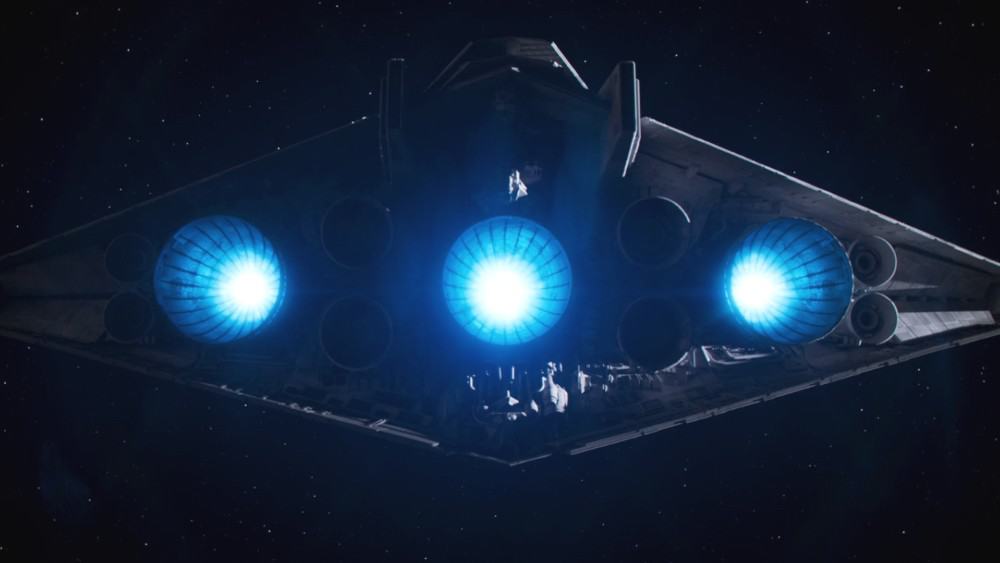
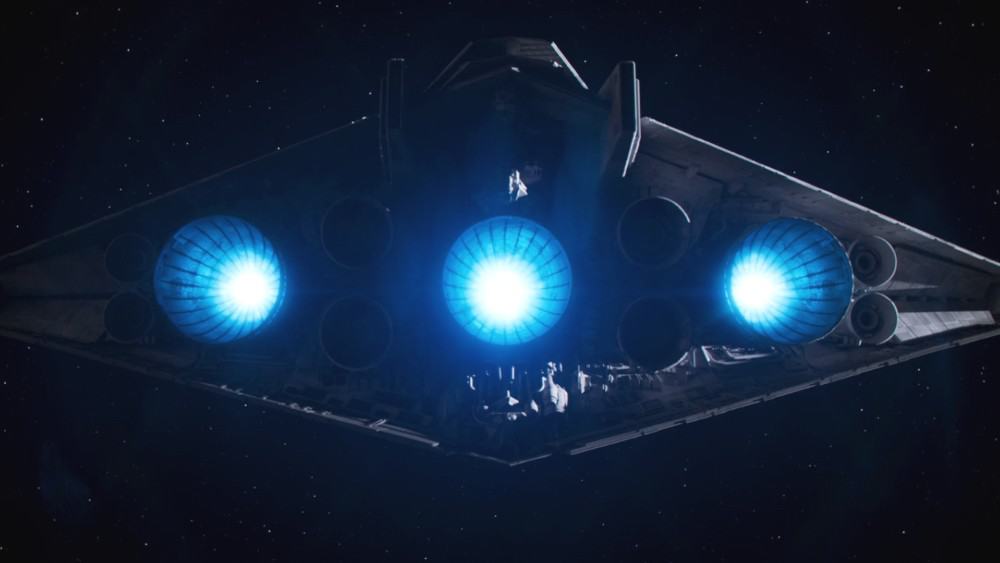
A full-sized Star Wars TIE Fighter made an appearance at the ESA Open Days in the Netherlands, attracting over 8,000 visitors. The TIE Fighter was showcased in the Hertz radio-frequency test chamber, typically used for testing satellite radio performance. The chamber's walls are lined with radio-absorbing foam pyramids, allowing for accurate radio-frequency testing. The TIE Fighter appearance was part of the event's "Science Fiction Gets Real" theme, highlighting the connection between science fiction and real-life technology, such as ESA's use of ion engine technology in missions like BepiColombo.