A study suggests that the Gates Foundation has influenced the global health agenda following the US retreat from certain international commitments, raising concerns about shifts in priorities and influence.
The Gates Foundation has partnered with an Indian manufacturer to reduce costs and expand access to a groundbreaking HIV prevention tool, aiming to benefit millions and improve global health outcomes.
The Gates Foundation announced a $2.5 billion investment by 2030 to address neglected women's health issues worldwide, focusing on research, product development, and equitable access across key areas like obstetric care, gynecological health, and contraception, aiming to fill critical gaps in understanding and treatment.
The Gates Foundation announced a $2.5 billion investment by 2030 to address neglected women's health issues globally, focusing on research, product development, and equitable access across key areas like obstetric care, menstrual health, and contraception, aiming to combat underfunding and bias in the field.
The Gates Foundation has joined forces with other national philanthropies to create an initiative aimed at advancing economic mobility and increasing access to opportunities across America.
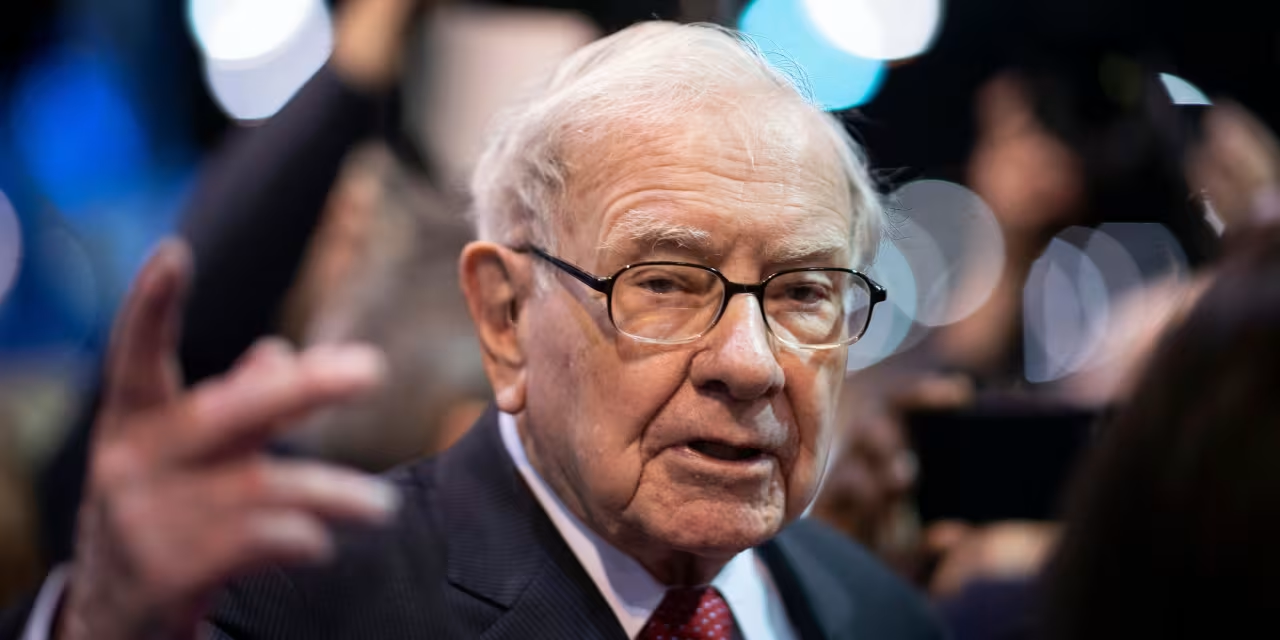
Warren Buffett donated $6 billion in Berkshire Hathaway stock to five charities, primarily the Gates Foundation, as part of his annual philanthropic giving, with the majority of his wealth now directed towards these causes and his estate planned for further charitable use.
Warren Buffett has donated over $1.1 billion in Berkshire Hathaway stock to his family's foundations, continuing his tradition of philanthropy. He outlined plans for his $147 billion fortune to be distributed by his children over a decade after his death, with successors named in case they predecease him. Buffett, who has given $55 billion to the Gates Foundation, plans to cease those donations posthumously, entrusting his children with future philanthropic efforts. Despite his wealth, Buffett has lived modestly, emphasizing the importance of not creating dynastic wealth.
Warren Buffett has donated over $1.1 billion in Berkshire Hathaway stock to his family's foundations, continuing his tradition of philanthropy. He plans for his $147 billion fortune to be distributed by his children over a decade after his death, with successors in place if needed. Buffett, who has given $55 billion to the Gates Foundation, will cease donations to it posthumously, entrusting his children with future philanthropic efforts. Despite his wealth, Buffett has lived modestly, emphasizing the importance of not creating dynastic wealth.
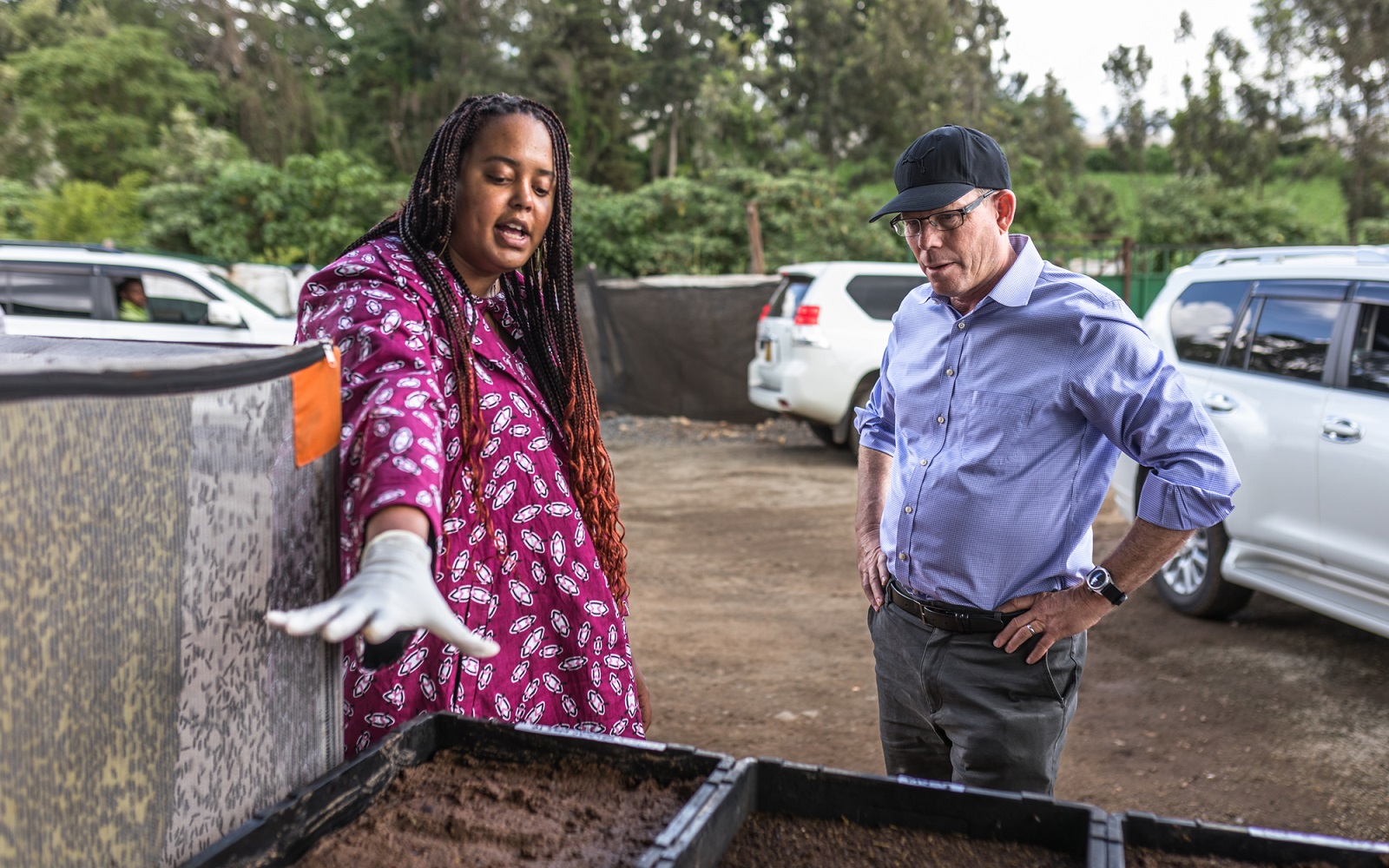
The Gates Foundation is expanding its efforts in Africa, with a focus on health, agriculture, and economic empowerment, particularly for women and smallholder farmers. Bill Gates pledged $7 billion to tackle poverty, hunger, and inequality, with health being the top priority, including polio eradication and vaccine development for diseases like tuberculosis. The foundation is also addressing malnutrition through agricultural productivity and food fortification. Additionally, it supports local vaccine manufacturing to reduce dependency on imports. A new regional office in Nairobi will enhance the foundation's impact in East Africa.
The 2024 Gates Foundation Annual Letter, written by CEO Mark Suzman, highlights philanthropy's once-in-a-generation opportunity and emphasizes the importance of global health, gender equality, and education.
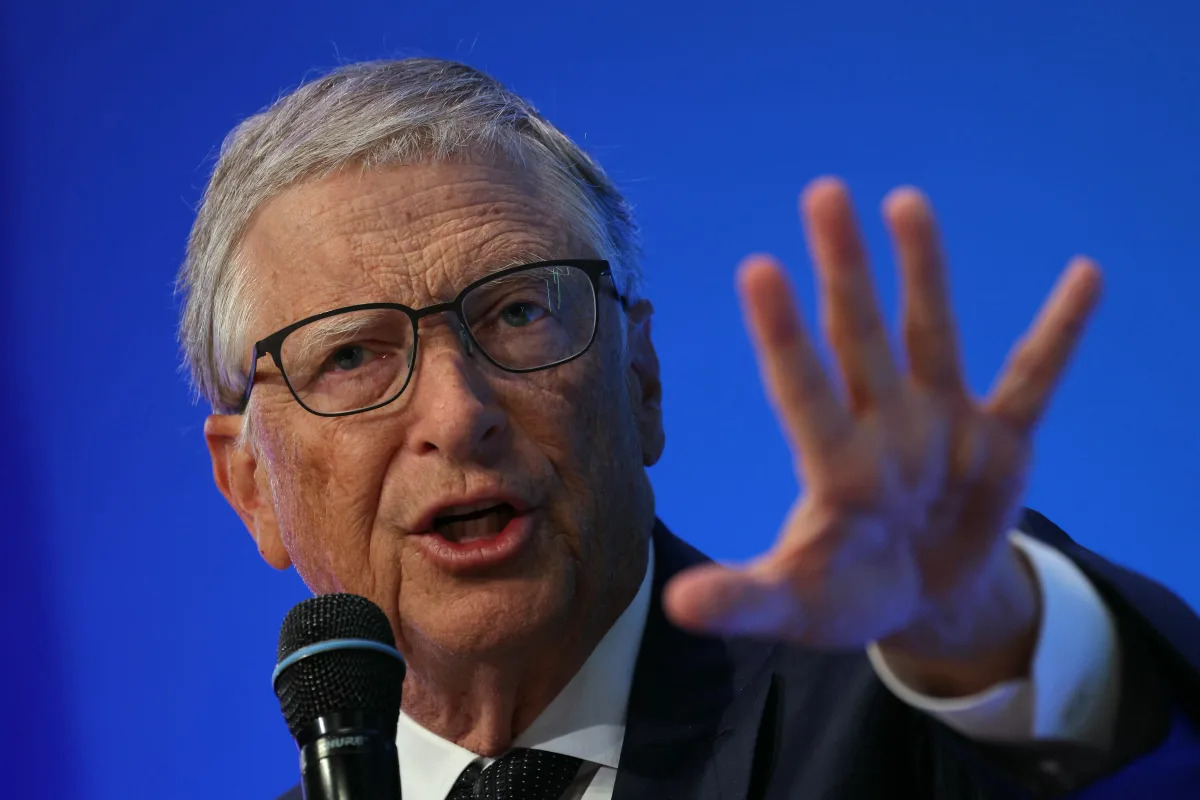
Microsoft co-founder Bill Gates expressed concern about declining healthcare spending globally, particularly on child mortality, during an interview at the World Economic Forum. Despite this trend, the Gates Foundation announced its largest annual budget of $8.6 billion for 2024, with a commitment to increase spending to $9 billion by 2026. The foundation's focus remains on reducing health inequities and combating infectious diseases, with significant progress made in reducing child deaths, malaria, HIV, and polio cases. Gates emphasized the plateau in healthcare progress during the pandemic, highlighting the ongoing challenges in the sector.
The Bill & Melinda Gates Foundation plans to allocate a record $8.6 billion in 2024, a 4% increase from last year, as global health funding for the lowest income countries stagnates post-COVID-19. Despite facing criticism, the foundation aims to address declining global health budgets and stagnant contributions to health in low-income countries. The increased budget will focus on innovation in healthcare, aiming to provide access to new technologies for vulnerable populations and prioritize tackling infectious disease threats and child mortality. Bill Gates emphasizes the importance of addressing health disparities and plans to showcase simple health products at the World Economic Forum, including vaccine patches and AI-enabled ultrasound tools.
The Bill & Melinda Gates Foundation has announced a $40 million investment to support the development of messenger RNA (mRNA) vaccines in Africa. The funding will help African manufacturers produce mRNA vaccines on the continent, aiming to improve vaccine equity. While it may take three more years for the vaccines to be approved and available, this investment marks an important step forward. The Institut Pasteur in Senegal and Biovac in South Africa will use an mRNA research and manufacturing platform developed by Quantoom Biosciences in Belgium. The goal is to build vaccine self-reliance in Africa and enable the continent to produce its own vaccines for diseases like Lassa fever and Rift Valley fever.
The Bill & Melinda Gates Foundation has awarded $100,000 each to 48 research groups in low and middle-income countries to develop AI-based applications using large language models. The projects aim to address healthcare and social issues, such as maternal healthcare, education, crop diseases, and gender-based violence. The initiative seeks to promote the development of generative AI globally and ensure more equitable access to the technology. The selected recipients will use models like ChatGPT, GPT-4, GPT 3.5, LaMDA, Bert, and mT5, and will have three months to complete their projects. The program aims to build an evidence base of generative AI use cases and determine how AI can benefit low-income communities.