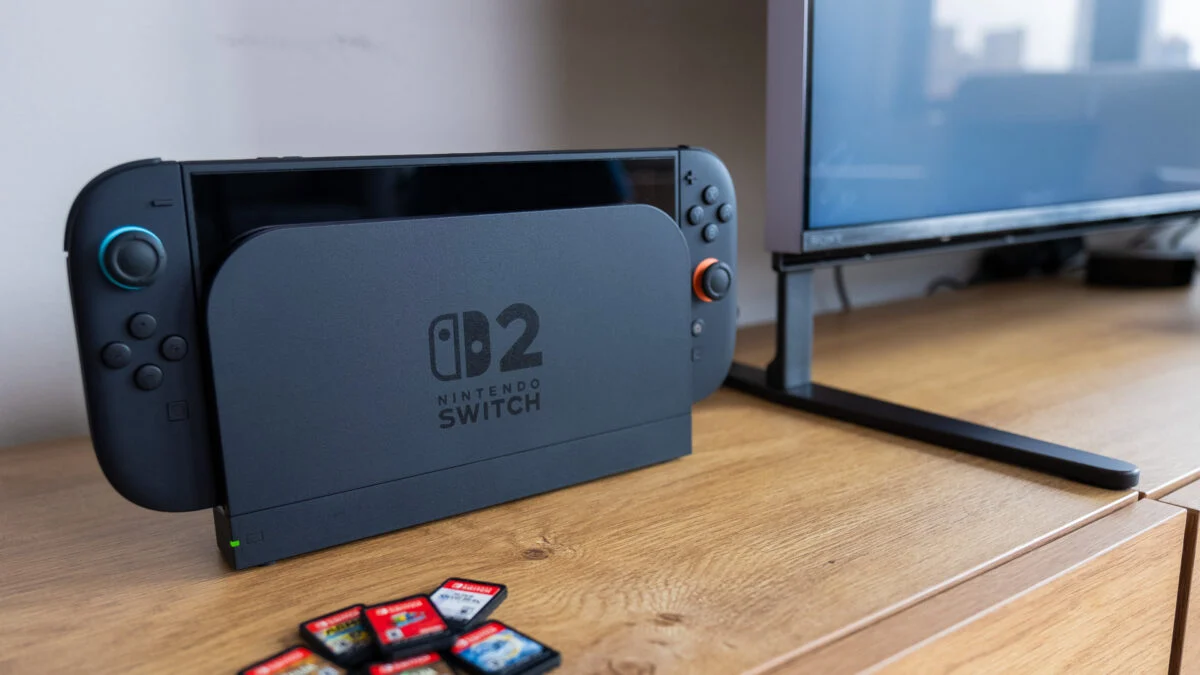
Nintendo's Switch 2 is introducing game-key cards that act as download links rather than full physical copies, raising concerns about game ownership, preservation, and DRM. Critics argue this shift favors digital control over true ownership, risking the loss of access if servers go offline or if physical tokens are lost, potentially marking the end of physical game ownership for many players.
Ubisoft's director of subscriptions, Philippe Tremblay, suggests that gamers need to get comfortable with not owning their games, as the industry shifts towards subscription services like Ubisoft+, Xbox Game Pass, and EA Play. While Ubisoft's subscription service has seen success, concerns about ownership arise as digital content can be removed, as seen with Sony's removal of purchased Discovery content. The decline of ownership is not unique to Ubisoft, as Steam also operates under a licensing model. The convenience of subscription services is undeniable, but the proliferation of individual services may lead to fragmented content and increased costs for consumers.
Ubisoft's director of subscriptions, Philippe Tremblay, believes that players need to become "comfortable" with the idea of not owning their games as the company rebrands its subscription service, Ubisoft+ Premium, and expands its offerings. Tremblay argues that gaming should follow the streaming trend seen in other entertainment sectors, emphasizing that players won't lose their progress and will have access to games when they want. The service currently offers access to new games on Xbox, PC, and Amazon Luna for a monthly fee, with plans for further expansion and inclusion of upcoming titles.
Ubisoft rebrands its subscription service to include a lower-priced "Classics" tier, aiming to make players comfortable with not owning their games. The company's director of subscriptions, Philippe Tremblay, envisions a consumer shift similar to the transition from physical media to streaming services for CDs and DVDs. Despite the appeal of accessing a range of Ubisoft games for a monthly fee, concerns arise about the longevity of the service and the potential loss of access to games in the future.