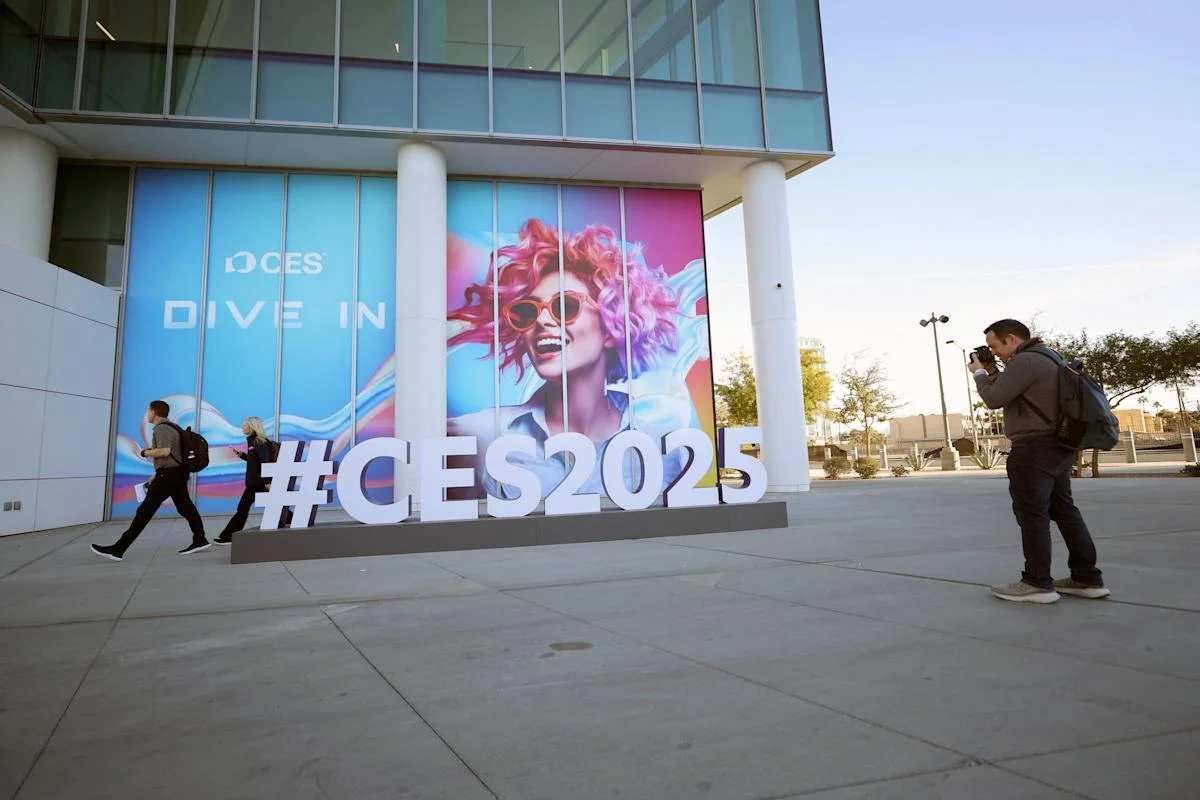
The article reviews the status of CES 2025 award-winning products, most of which are expected to be released in 2026, with some still in pre-order or development stages, highlighting the ongoing innovation and delays in tech product launches.
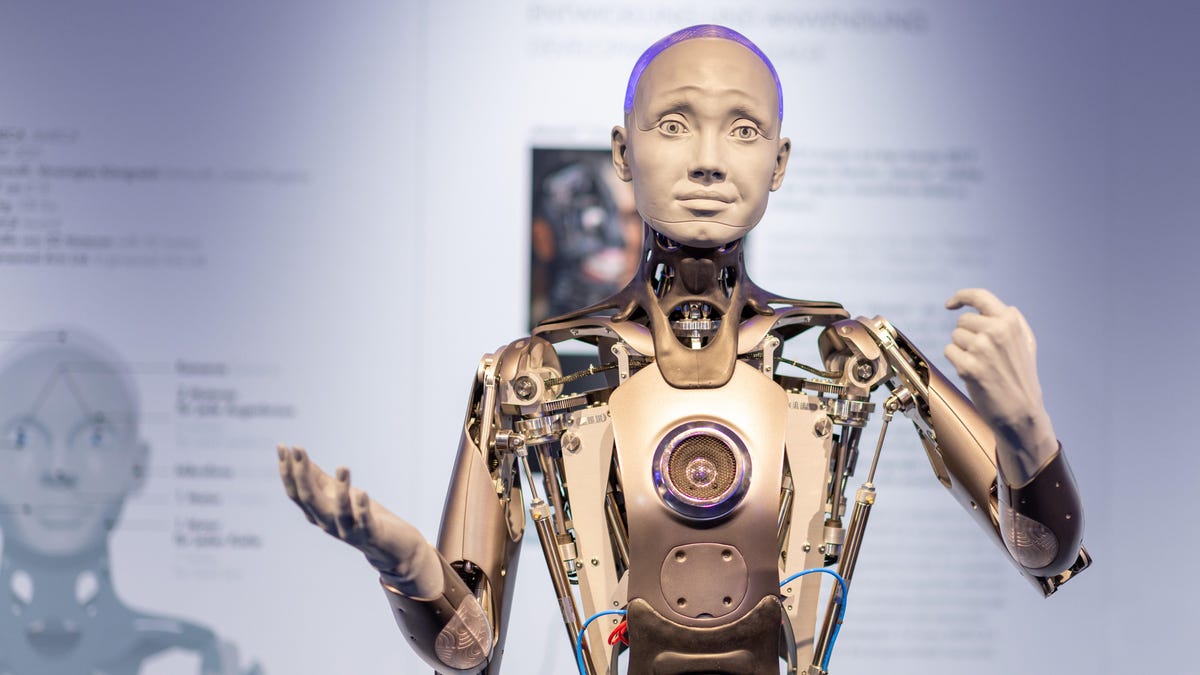
AI agents, which are AI models capable of performing tasks independently, are becoming a major focus for tech giants like Google, Microsoft, and OpenAI. These systems aim to handle digital actions autonomously, such as returning a pair of shoes or acting as virtual employees. While the technology holds great promise, it faces significant challenges, including decision-making complexity and the risk of over-automation. Despite these hurdles, advancements in AI agents could revolutionize everyday tasks and even extend to physical world applications, though achieving this remains a complex and ongoing effort.
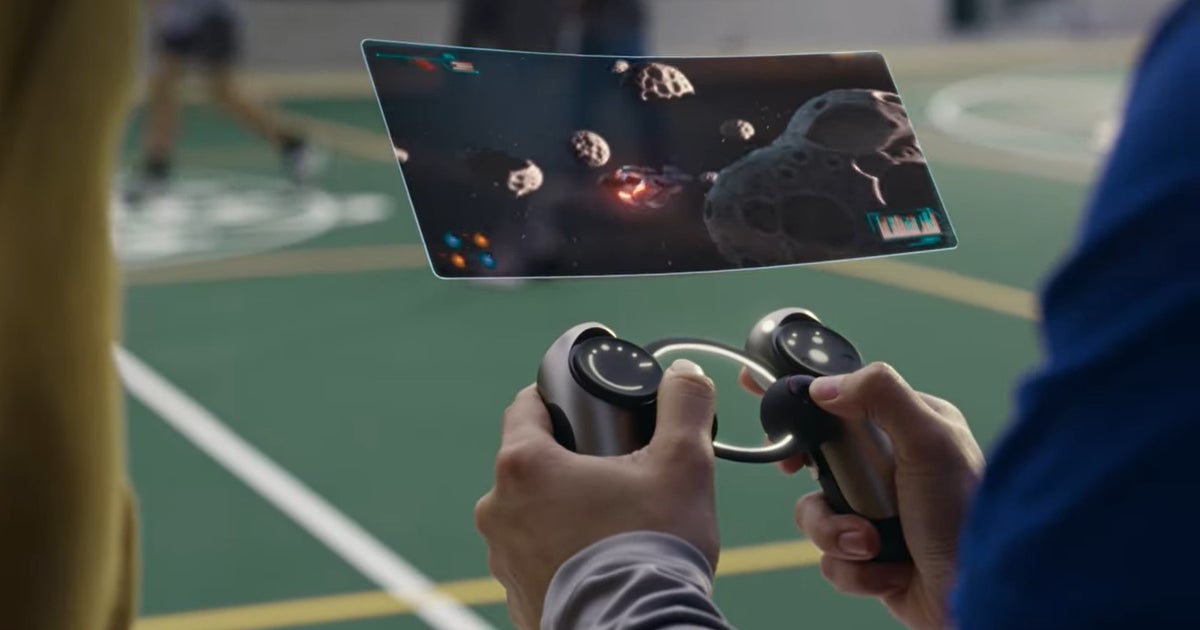
Sony showcased a video during its annual corporate strategy meeting, highlighting a prototyping exercise that imagines future products, including a PlayStation controller with a ring light, transparent smartphones, and augmented reality headsets. The company emphasized that these concepts are not directly related to any current products or services.
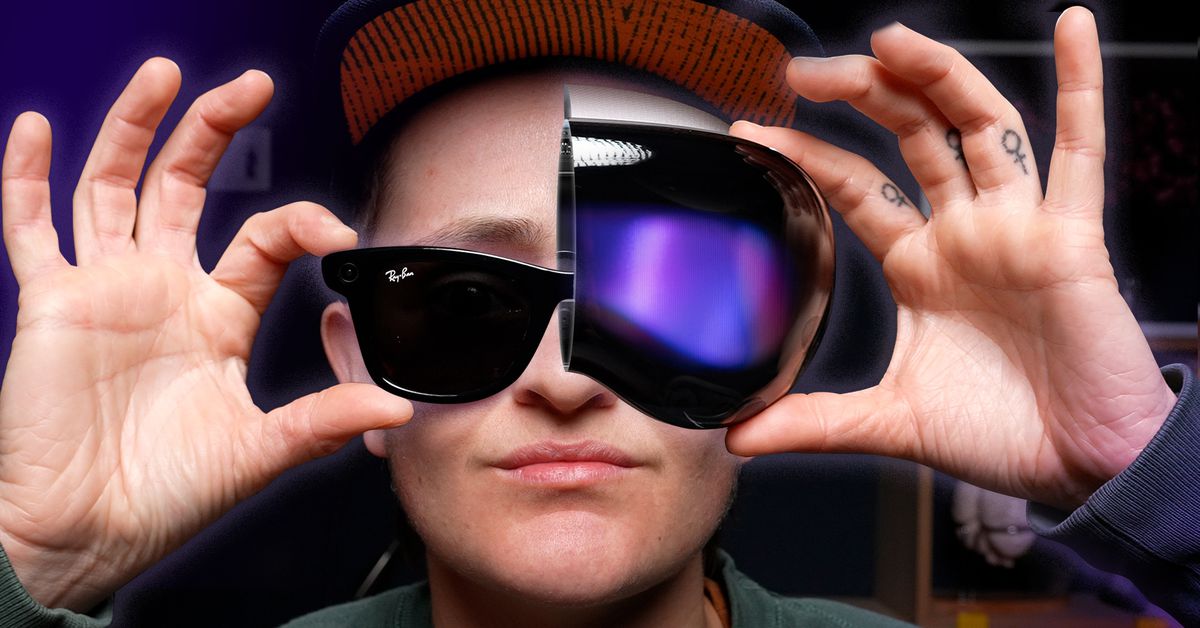
Smart glasses have a long history dating back to the 1990s, with the potential to revolutionize wearable technology by integrating computers into everyday eyewear. Despite challenges in making them aesthetically appealing, recent advancements suggest that smart glasses could soon bring about a more ambient future.
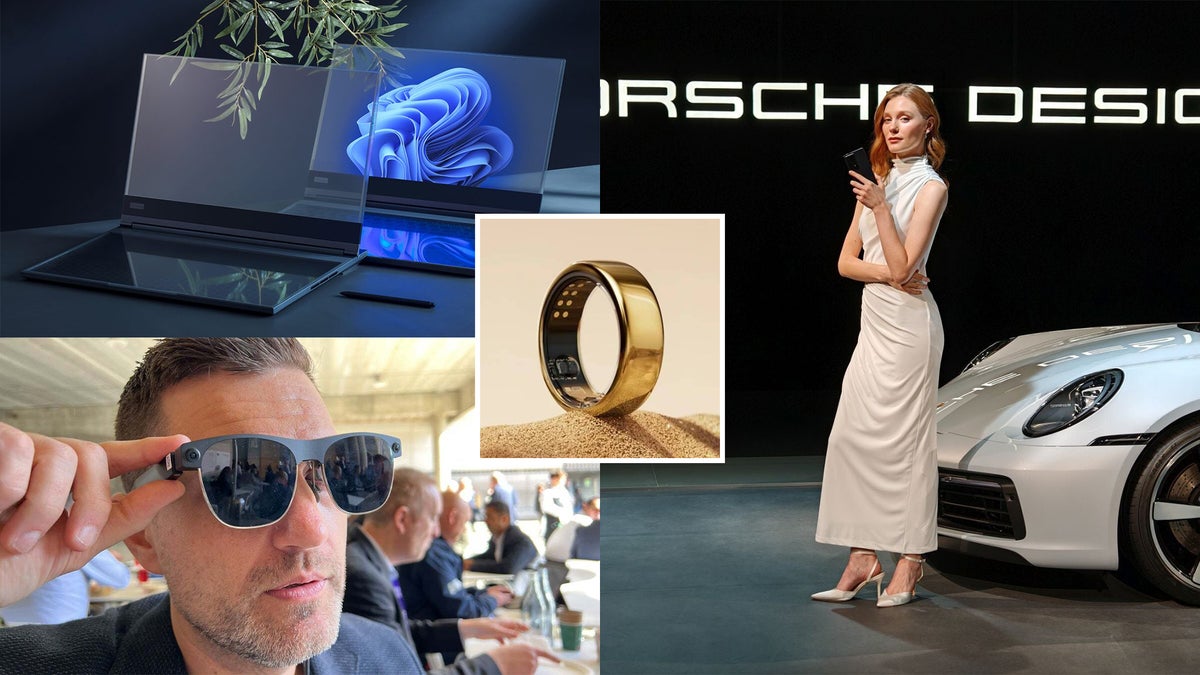
The Mobile World Congress 2024 showcased a range of futuristic tech, including the Honor Magic 6 Pro with a powerful battery and telephoto camera, Xiaomi's global launch of the 14 Ultra with a Photography Grip accessory, the OnePlus Watch 2 featuring two operating systems, Xreal Air 2 Ultra AR glasses with spatial computing, Motorola's concept of a smartphone that can be wrapped around the wrist, and Samsung's Galaxy Ring smart ring. Additionally, Lenovo displayed a transparent screen laptop, Xiaomi unveiled its SU7 Max car, and Energizer presented a smartphone with a massive 28,000 mAh battery. The Nothing Phone (2a) by Carl Pei's Nothing company was also teased, with a budget-friendly version expected to be revealed soon.
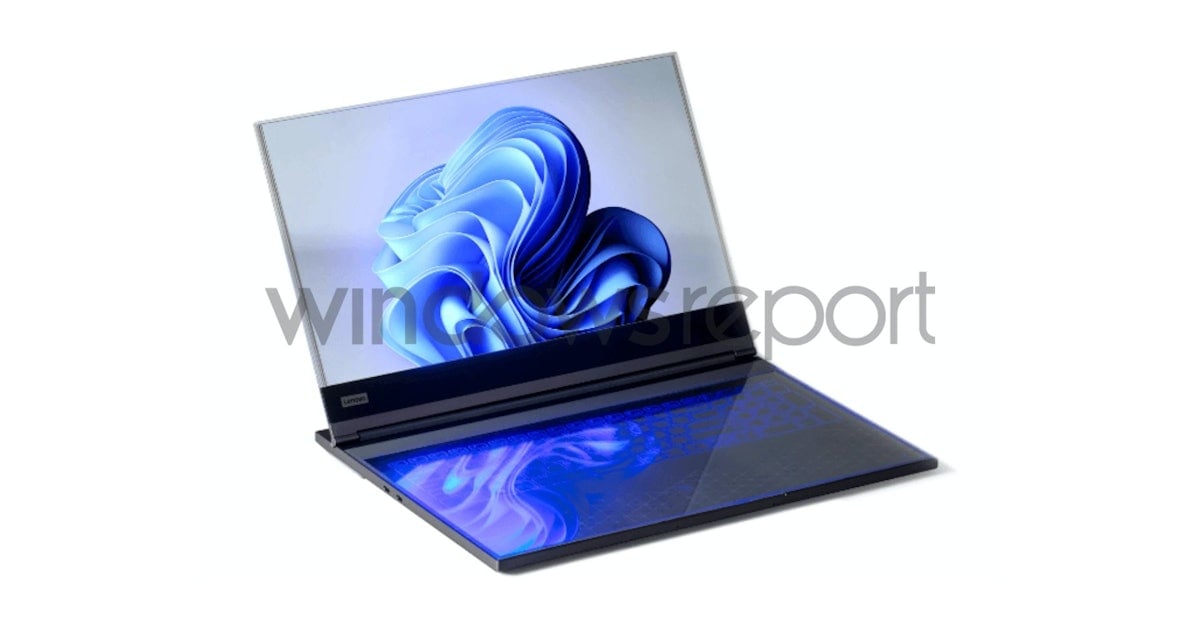
Leaked images of Lenovo's upcoming laptop with a transparent display have surfaced, sparking curiosity about its practicality and potential uses. Speculations suggest it could be suitable for 3D modeling and work-related collaborations, as well as augmented reality applications. The laptop, possibly part of the ThinkPad family, may debut at MWC 2024, but it remains uncertain whether this transparent display is a passing gimmick or a glimpse into the future of laptops.
The Rabbit R2 smartphone concept, designed by Shreyansh Onial, envisions the next logical step for the Rabbit brand and smartphones in general. It proposes a device that combines the traditional smartphone features with an advanced artificial general intelligence (AGI) system, essentially making it a virtual assistant that can handle complex tasks through verbal cues and intuition. This concept aims to revolutionize the smartphone industry by offering a device that is not just smarter, but also more integrated and capable than ever before.
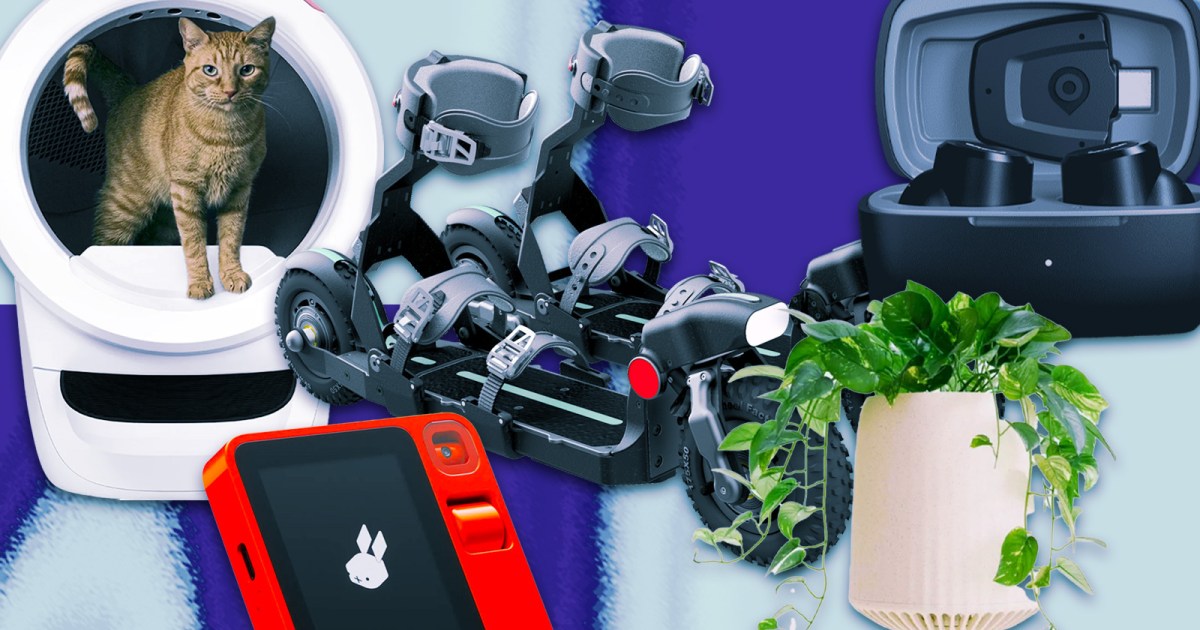
CES 2024 showcased a range of innovative technologies, including Rabbit's AI voice assistant R1, GyroGear's tremor-reducing glove for Parkinson's patients, BMW's Remote Valet feature, Whisker's litter-cleaning robot, Neoplants' air-purifying pothos, Skwheel's electric skis, Cappella's baby translator, Exeger's flexible solar cells, OrCam's AI-powered "ears," and HaptX's haptic gloves for virtual reality training. These cutting-edge gadgets and devices offer solutions for various needs, from personal convenience to healthcare and environmental impact.
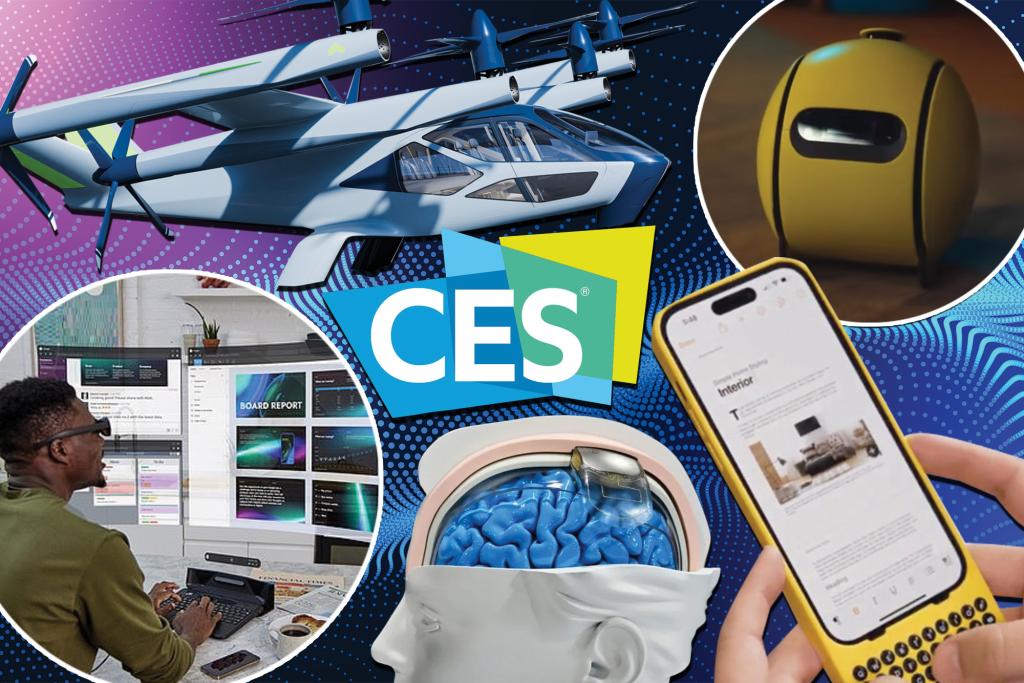
The Consumer Electronics Show in Las Vegas showcased groundbreaking innovations including a free 55-inch TV with permanent ads, Honda's sleek electric vehicles, an anti-snore pillow, a 100-inch laptop that fits in a backpack, a tongue-controlled computer mouse, a transparent TV, a smart mirror that detects sickness, a flying taxi, a home aid droid, a Blackberry-style keyboard for iPhones, and a bidet that pairs with smart devices.
Samsung Display has unveiled new OLED technologies, including a foldable OLED screen that can fold inwards and outwards, potentially eliminating the need for a separate cover screen in devices like smartphones and tablets. The company also showcased third-generation QD-OLED panels for TVs and monitors, as well as rollable and hybrid OLED panels for future devices. Additionally, Samsung Display is developing OLED panels for cars, and its UT (Ultra Thin) OLED panels for laptops are just 0.6mm thin, allowing for slimmer and more compact designs.
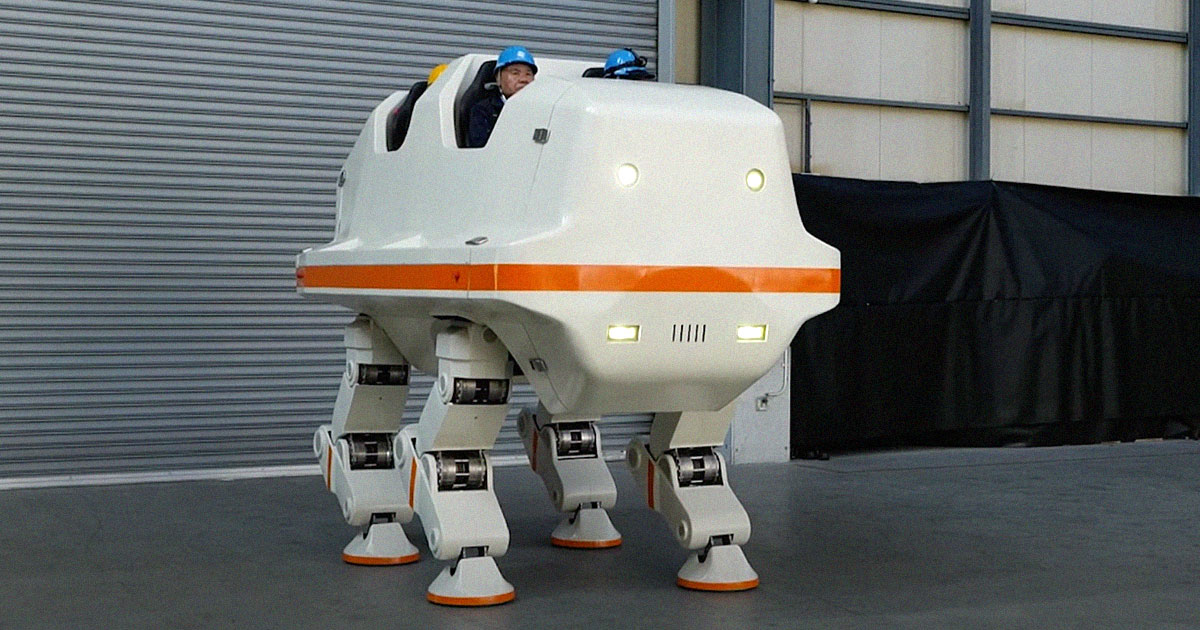
A Japanese manufacturer, Sansei Technologies, showcased a prototype of a rideable rhinoceros-like four-legged walking robot called SR-02 at the Japan Mobility Show. The robot, designed to be a ride at an amusement park, can carry up to four passengers and offers a unique dynamic motion experience. Alongside the SR-02, the expo featured other innovative gadgets such as electric excavators, delivery robots, and buggies designed for extraterrestrial environments. The availability of the SR-02 for amusement parks is still uncertain, but it could potentially be a popular attraction.
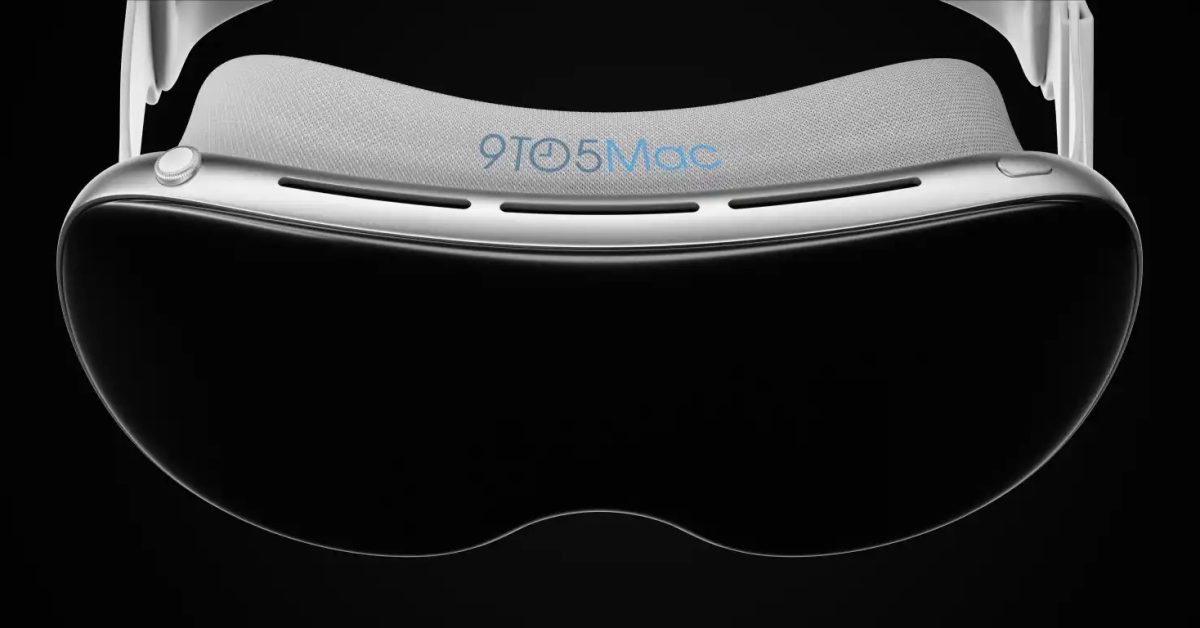
The author won't be buying the rumored Apple Reality Pro headset due to the anticipated price and lack of compelling use cases for augmented and virtual reality. However, they do see future potential for the technology, particularly in areas such as navigation and assisting those with certain conditions. The first model is expected to be geared towards developers, with a more affordable second version to follow. The author predicts they may consider purchasing a third-generation device when there are more apps available and the price is more reasonable.