Anthropic is raising about $5 billion at a $170 billion valuation and is restricting the use of special purpose vehicles (SPVs) in its latest funding round due to high demand and concerns over the proliferation of less desirable investment structures. The company is now more selective, favoring direct investments from tier-one VCs, as it benefits from increased leverage and investor interest in AI.
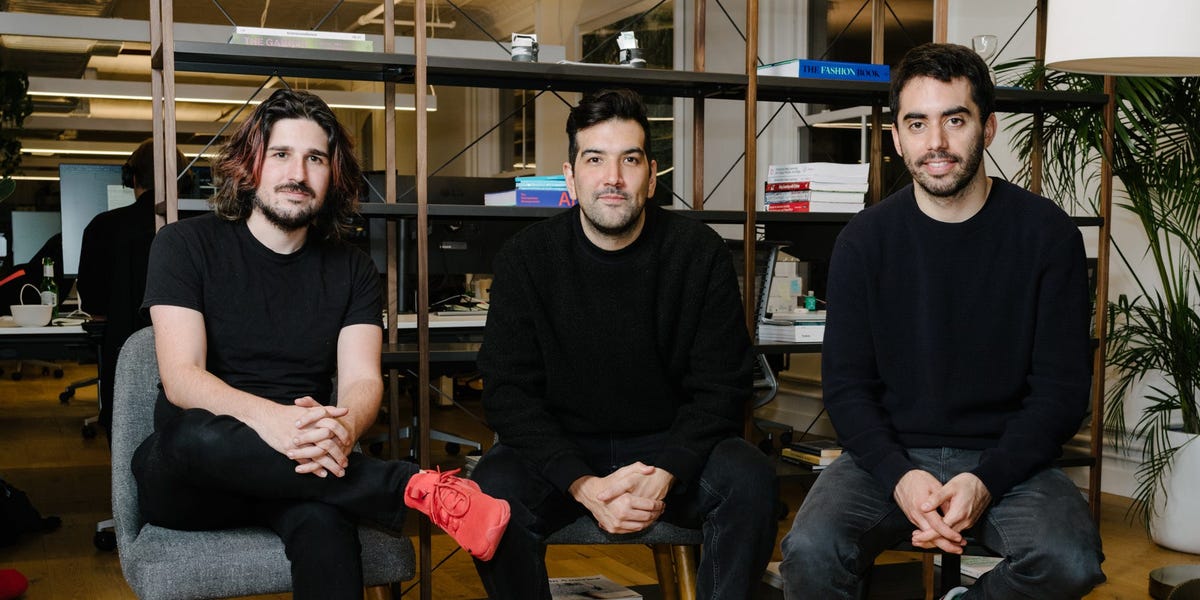
French startup Mistral AI has closed a funding round worth $415 million, led by Andreessen Horowitz and Lightspeed Ventures, bringing its total funding to $528 million. Mistral AI focuses on open-source technology for generative AI tools and aims to make its products available to the public in early 2024. The company was founded by former leads at Google's DeepMind and Meta, and it is valued at around $2 billion. Additional investors in the funding round included Salesforce, Bpifrance, and Eric Schmidt.
Paris-based startup Mistral AI has closed its Series A funding round, raising €385 million ($415 million) and valuing the company at approximately $2 billion. The company, which aims to be a European rival to OpenAI, is focused on developing foundational models with an open technology approach. Mistral AI has also released its developer platform in beta, allowing other companies to pay to use its models via APIs. The platform includes the Mistral 7B and Mixtral 8x7B models, with the latter using a router network to process input tokens more efficiently. Mistral AI's best model, Mistral-medium, is only accessible through the paid API platform.
French start-up Mistral AI, founded by researchers from Meta and Google, has raised €385 million ($415 million) in funding, valuing the company at $2 billion. Mistral builds technology for deploying chatbots and other AI-driven products and believes in sharing its technology as open-source software. This approach has drawn criticism from rivals like OpenAI and Google, who argue that it can be dangerous. Mistral's success is seen as an opportunity for France to challenge US tech giants, and other start-ups embracing the open-source approach are also attracting investment.
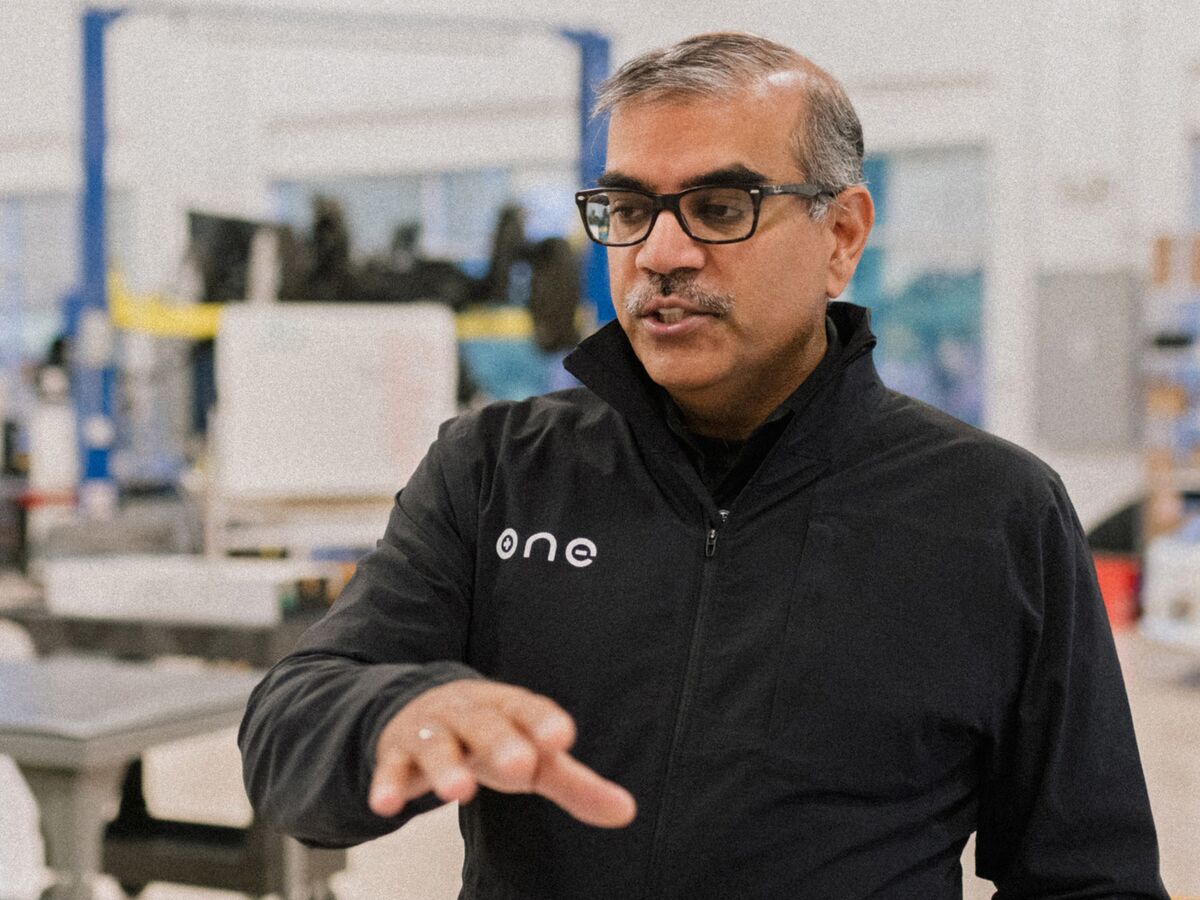
Battery startup ONE has demoted its founder and CEO, Mujeeb Ijaz, as the company faces a failed funding round and cash crunch. Board member Paul Humphries has been appointed as the new CEO. ONE, which aims to rival China in energy storage technology, will delay the full buildout of its battery plant pending demand.
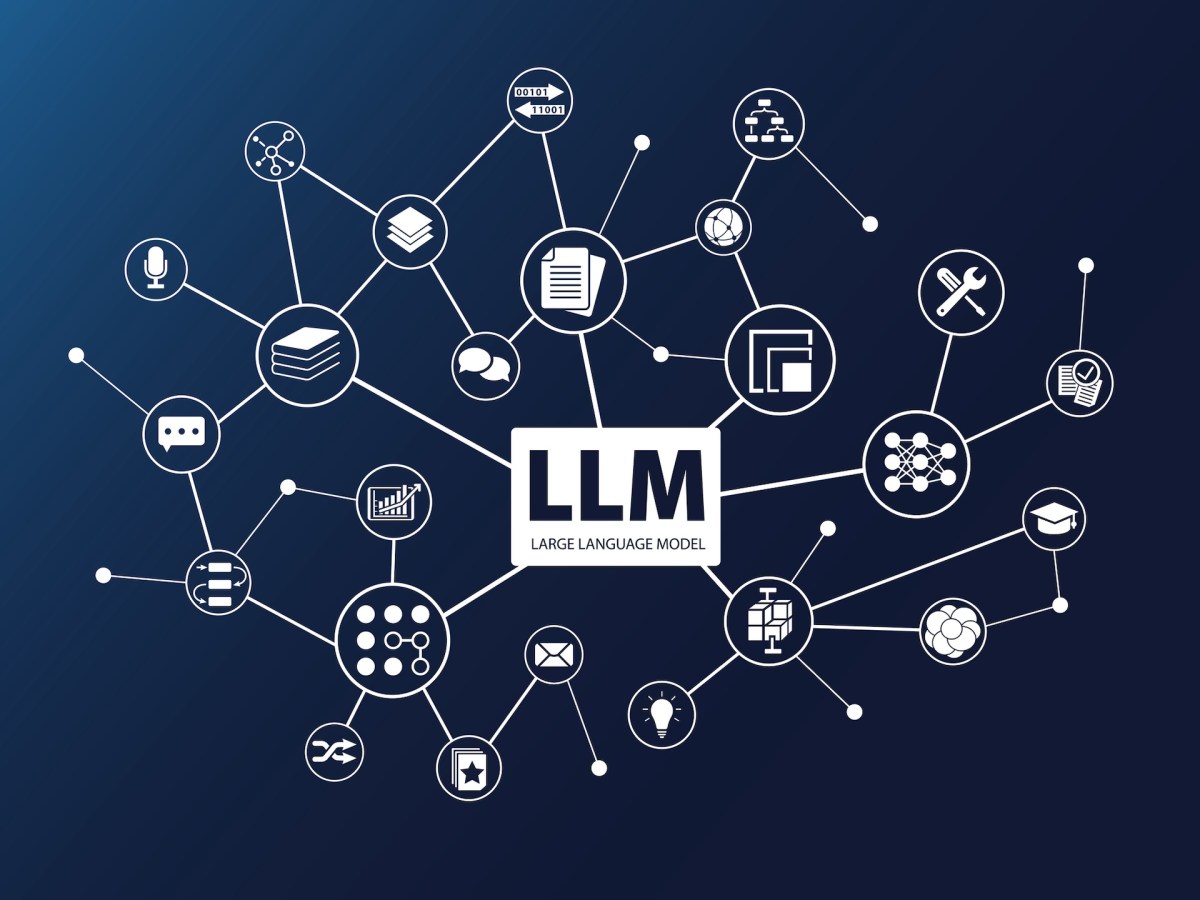
German startup Aleph Alpha has raised $500 million in a funding round backed by companies such as Bosch, SAP, and Hewlett Packard Enterprise. The company, which is competing with Microsoft-backed OpenAI, has developed its own large language models and aims to promote the concept of "data sovereignty" by ensuring that data used in AI models is grounded in Europe. The funding will be used for research, product development, and commercialization. Aleph Alpha's models can already communicate in multiple languages, including German, French, Spanish, Italian, and English. The investment highlights the growing interest in AI startups and the development of advanced AI models.
German AI startup Aleph Alpha has raised $500 million in a Series B funding round co-led by Lidl owner Schwarz Group and Bosch Ventures, along with five other new investors and existing institutional investors. The startup, which emphasizes client sovereignty over AI implementation, focuses on areas such as data protection and security, often working with governmental bodies and healthcare. With this funding, Aleph Alpha plans to expand its offerings while maintaining independence and flexibility for customers in infrastructure, cloud compatibility, on-premise support, and hybrid setups.
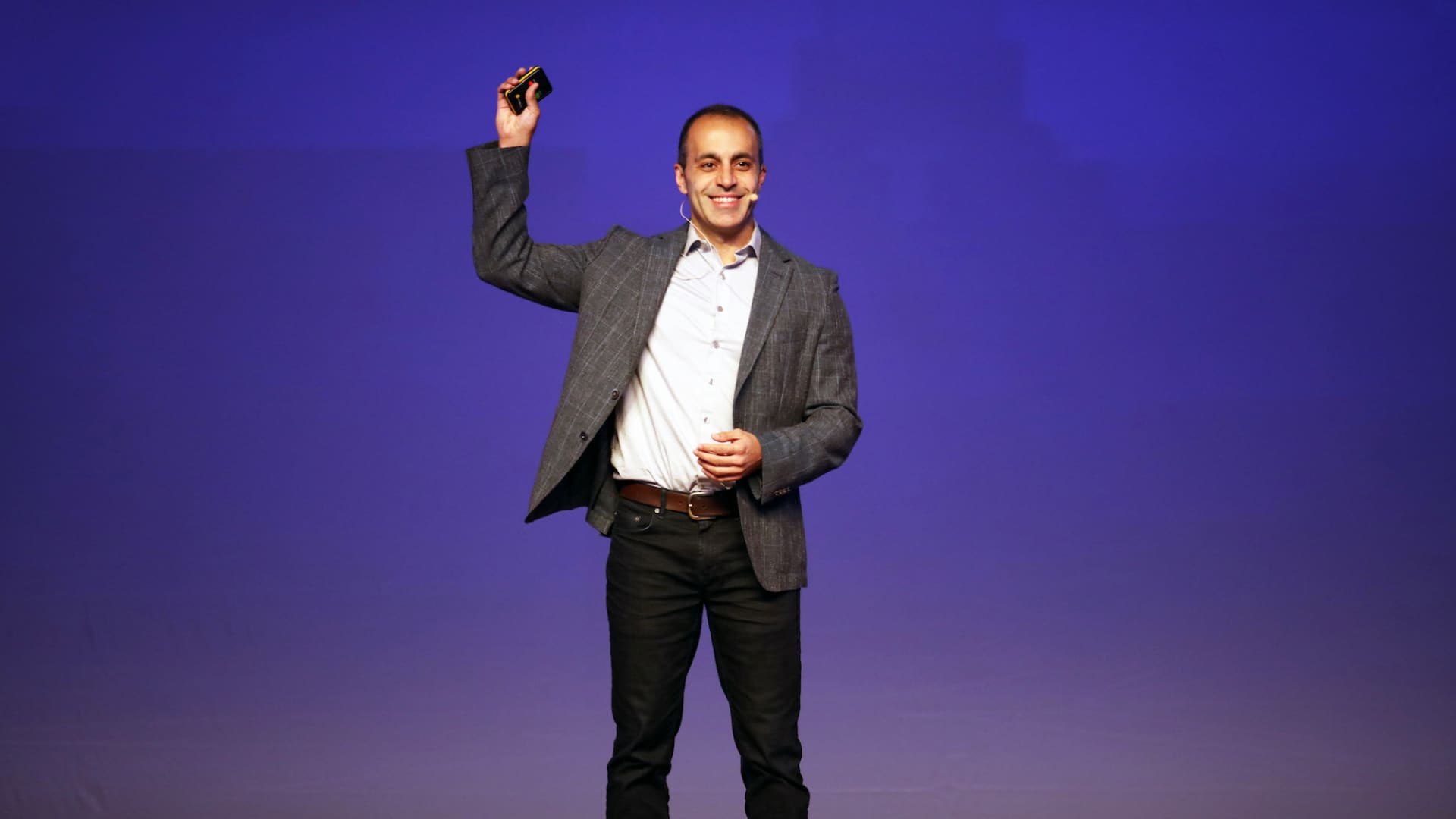
Data analytics software company Databricks has raised over $500 million in a funding round, valuing the company at $43 billion. The funding round saw participation from new investors Nvidia and Capital One, with Nvidia's involvement highlighting its focus on AI infrastructure startups. Databricks plans to use the funds to support its growth in the artificial intelligence sector. The company recently acquired MosaicML, a startup specializing in large language models. Databricks' ability to maintain its share price sets it apart from other software IPO candidates, such as Canva and Stripe. The company's CEO, Ali Ghodsi, stated that an IPO is still on the roadmap, but did not provide a timeline.
Inworld AI, the maker of an AI-based character engine for games, has raised $50 million in funding from Lightspeed Venture Partners, bringing its valuation to over $500 million. The funding round also included investments from Stanford University, Samsung Next, Microsoft's M12 fund, and others. Inworld AI aims to create non-player characters (NPCs) that are as smart as people, with the ability to understand the world, have long-term memory, and engage in realistic dialogue. The company plans to use the funding to accelerate research and development, hire top talent, invest in infrastructure, and launch an open-source version of its character engine.
SpaceX is offering to sell insider shares at a price that would value the company at around $150 billion, according to sources. The company was valued at $137 billion in January after raising $750 million in a funding round.
Generative AI startup Runway has raised at least $100 million in a Series D funding round from a cloud service provider, tripling its valuation to $1.5 billion from its last round just five months ago. Runway's AI models power image and video editing and generation tools that allow creators to generate full videos from text prompts. The latest funding round diverges from conventional tech fundraising efforts by raising capital from a cloud service provider rather than a traditional venture capital firm, a strategy becoming more popular for AI startups to gain access to cloud computing resources.