First Brands Group's financial situation has worsened significantly after funds were seized during a bank transfer, pushing the US auto parts supplier closer to bankruptcy. The company, which has amassed up to $10 billion in debt and off-balance-sheet funding, is negotiating a large rescue loan amid chaotic debt trading and scrutiny over its collateral and financing practices. The situation is further complicated by investigations and the involvement of major banks like Wells Fargo and Truist, with the company's owner, Patrick James, having a controversial history.

Chicago Public Schools is seeking $1.25 billion in tax-anticipation notes due to a cash shortage caused by delayed property tax collections, which have led to a negative cash position and increased reliance on short-term borrowing amid ongoing financial challenges and a declining credit rating.
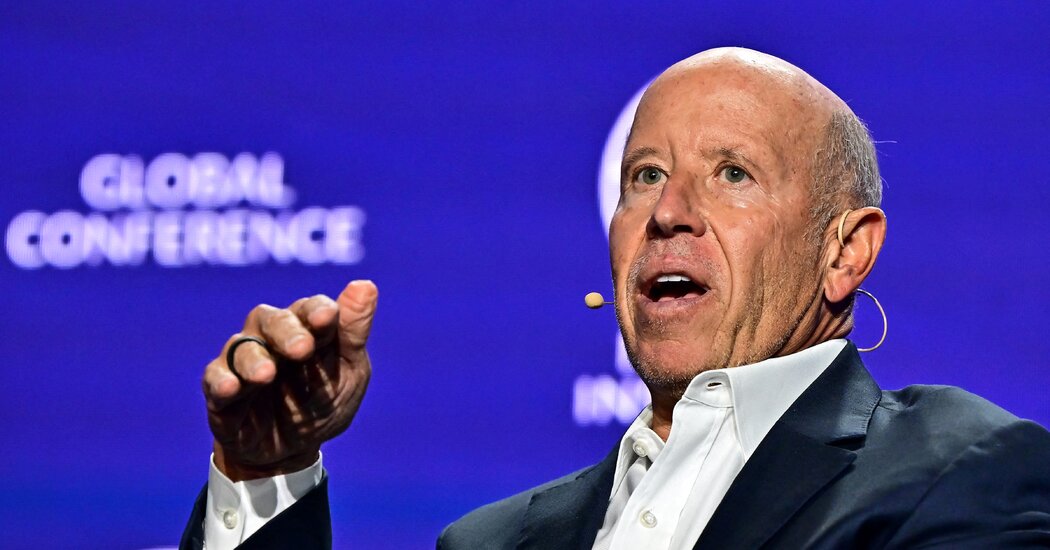
Starwood Real Estate Income Trust, managed by Barry Sternlicht's Starwood Capital Group, is limiting investor withdrawals to 1% of the fund's assets per quarter due to a potential cash crunch caused by high interest rates and declining commercial property values. This move aims to avoid selling properties at discounted prices and reflects the challenges faced by real estate investment trusts in the current market.
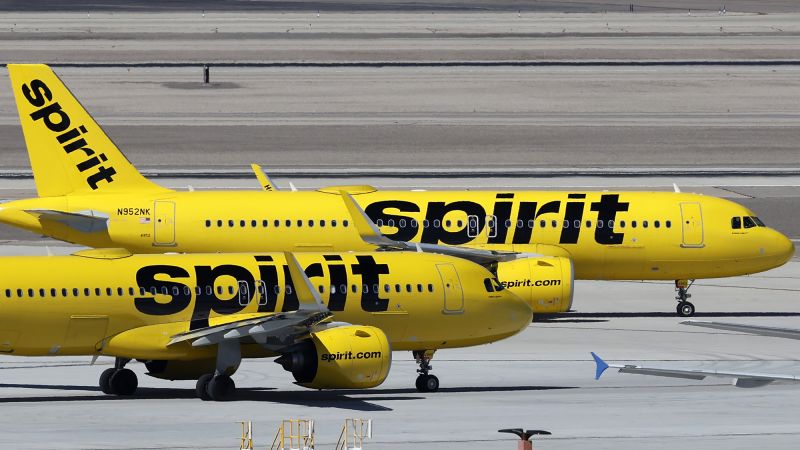
Spirit Airlines has struck a deal with Airbus to delay aircraft deliveries and plans to furlough around 260 pilots in an effort to save money. The company's decision to defer deliveries to 2030-2031 and the quality issues with engines from Pratt & Whitney have led to the furloughs, which are set to take effect on September 1. The move is expected to improve Spirit's liquidity by approximately $340 million over the next two years, but it comes as the airline grapples with financial challenges.
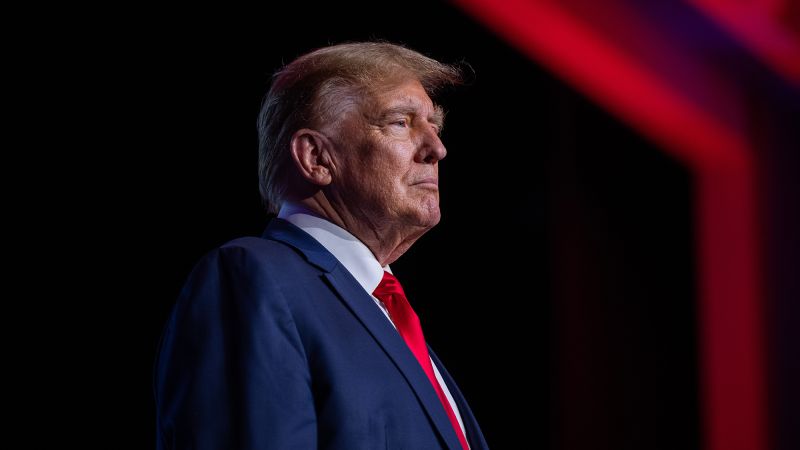
Donald Trump is facing a cash crunch as he seeks to raise over half a billion dollars to satisfy judgments against him. With deadlines looming, including an $83.3 million defamation case and a $454 million civil fraud case, Trump's lawyers are exploring options such as selling properties, tapping capital markets, or finding another source of cash. The former president's ability to raise funds is complicated by his legal and financial troubles, including four criminal indictments, and the reluctance of major banks to lend to him. Trump's attorneys are also considering the possibility of securing a bond, but the sheer size of the judgments presents practical challenges in coming up with the required cash.
Donald Trump faces imminent financial strain as two New York laws require him to front hundreds of millions of dollars to appeal civil judgments against him for bank fraud and defamation. With a high interest rate and limited access to his assets, Trump's credibility and financial ability to pay are in question, making it difficult for him to find surety companies and banks to guide him through the appeal. The looming financial burden, potential liquidation of assets, and difficulty in finding support are exacerbated by his status as a presidential candidate and the nature of the case.
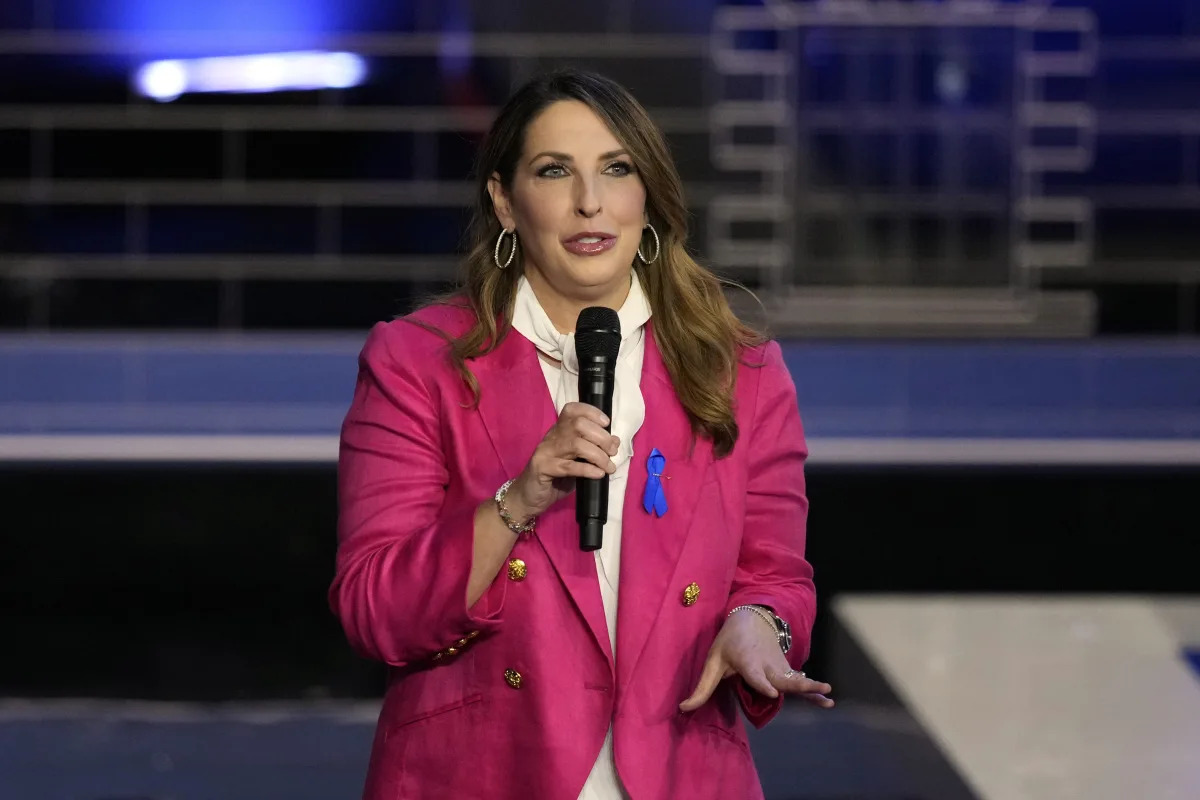
RNC Chairwoman Ronna McDaniel called for unity at the party's winter meeting in Las Vegas as the RNC faces a cash crunch and attacks from some Trump allies. The party is urged to unite behind the goal of defeating President Joe Biden, while facing criticism from far-right conservatives and a faction pushing for Trump's nomination. Campaign finance disclosures show the RNC with $8 million in the bank and $1 million in debt, while Biden's political operation reported raising $97.1 million in the final months of 2024. The RNC is also facing challenges from the group Turning Point, which has criticized the party's spending and aims to expand its influence within the party.
Battery startup ONE has demoted its founder and CEO, Mujeeb Ijaz, as the company faces a failed funding round and cash crunch. Board member Paul Humphries has been appointed as the new CEO. ONE, which aims to rival China in energy storage technology, will delay the full buildout of its battery plant pending demand.
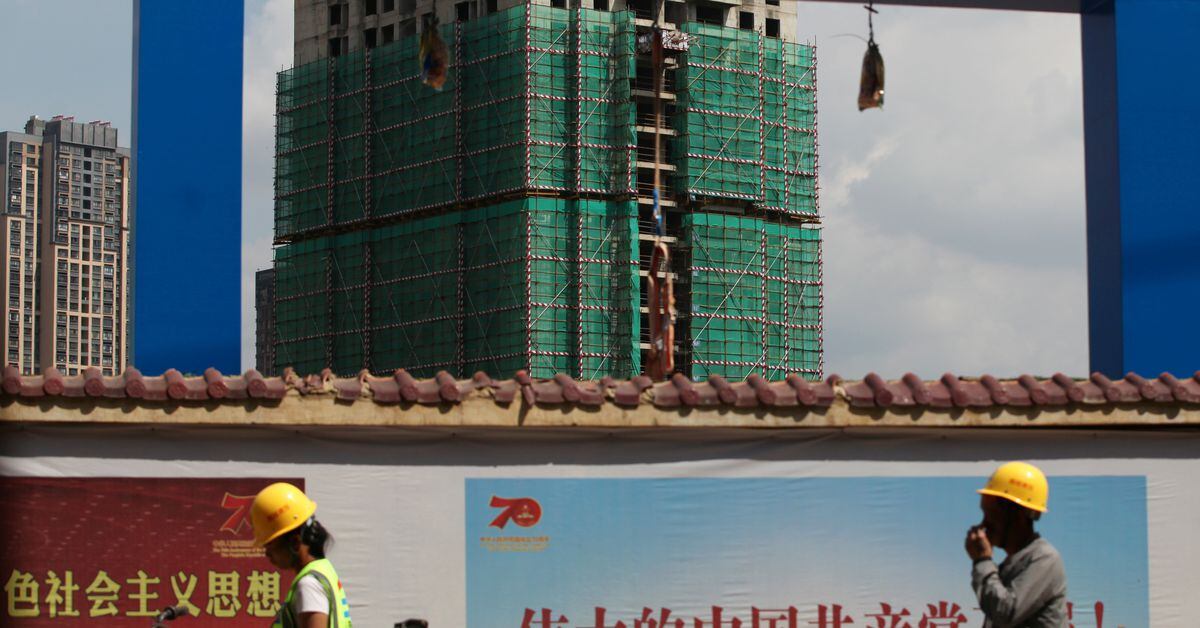
Stocks and bonds in China's real estate industry, including those of major developers Country Garden and Dalian Wanda, have fallen to eight-month lows, deepening concerns of a cash crunch and eroding confidence in the sector. The slump reflects the ongoing troubles in the industry, which began with China Evergrande two years ago and have now affected even the largest players. Property development has come to a standstill due to a government crackdown on debts and a lack of public confidence, leaving developers unable to sell apartments or refinance their dues. The latest market decline has raised fears of defaults similar to Evergrande's, as bond prices plummet and investors worry about repayment.