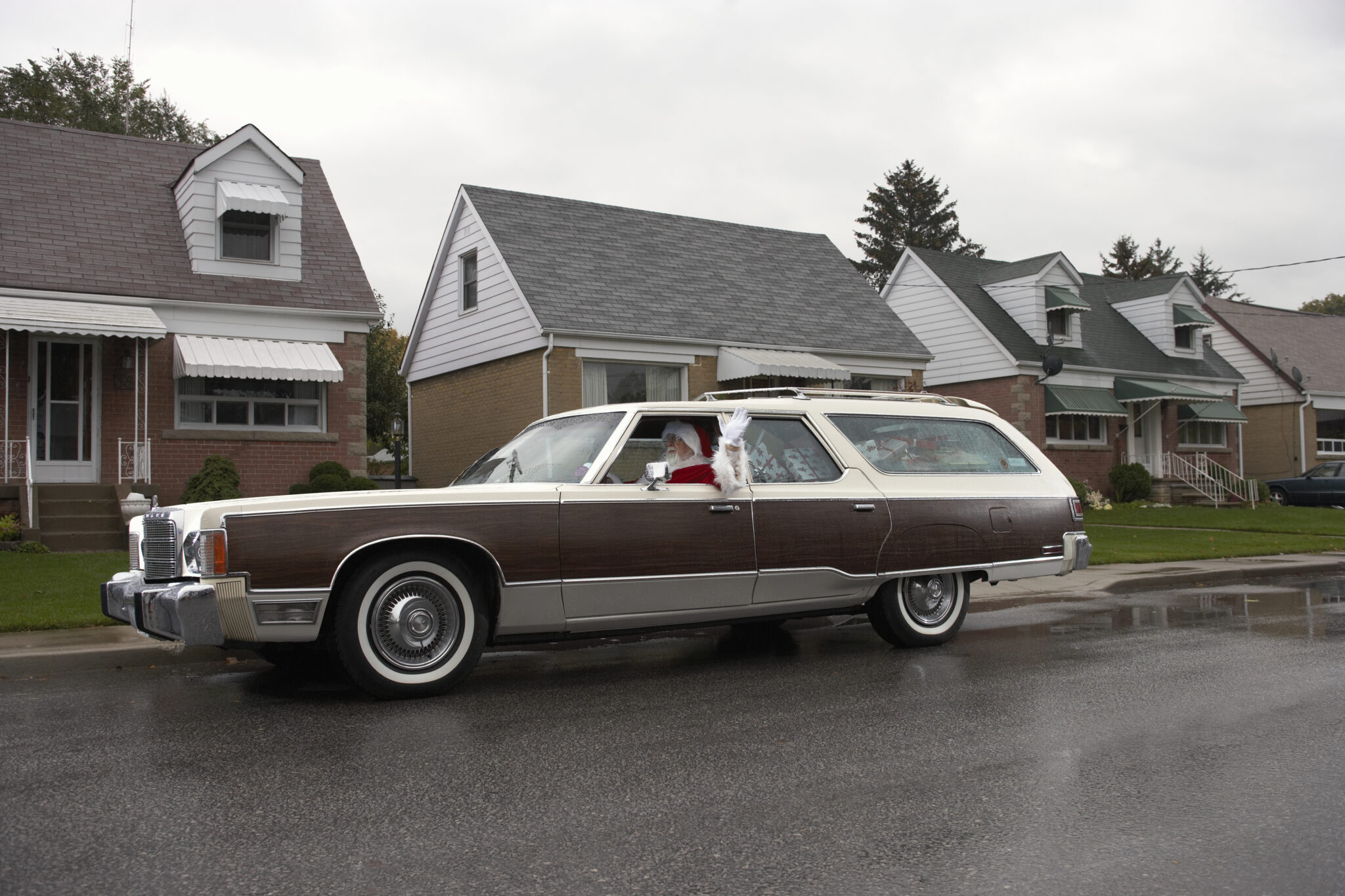
The Trump administration proposes rolling back Biden-era fuel economy standards, encouraging Detroit automakers to produce more gas-guzzling vehicles like station wagons and kei cars, while critics argue this will harm the environment and consumer costs. The move aims to boost automaker profits and vehicle affordability, but risks slowing EV adoption and environmental progress.
President Trump proposed rolling back fuel economy standards for 2022-2031 vehicles to make gas-powered cars more affordable and easier to sell, reversing Biden's stricter rules that aimed to promote electric vehicle adoption. The new proposal would lower costs for automakers but increase fuel consumption, emissions, and consumer fuel costs, while eliminating credit trading and potentially benefiting traditional automakers over EV manufacturers. Critics argue this move will lead to higher environmental and economic costs.
The Trump administration announced plans to roll back U.S. fuel economy standards, claiming it will save Americans up to $109 billion on vehicle costs, a move praised by automakers but condemned by environmental groups, amid ongoing debates over vehicle efficiency and electric vehicle adoption.
The Trump administration is set to announce plans to roll back the Biden-era fuel economy standards, which aimed for about 50 mpg by 2031, with the announcement scheduled for Wednesday from the Oval Office, signaling a potential shift away from support for electric vehicles and stricter efficiency regulations.
The US Transportation Department declared that the Biden administration exceeded its authority in setting strict fuel economy standards, leading to the publication of a final rule that loosens regulations and allows for easier sale of gas-powered vehicles, amid ongoing debates and legislative proposals to modify or eliminate penalties for automakers failing to meet fuel efficiency targets.
The Alliance for Automotive Innovation has expressed concerns that the NHTSA's proposed fuel economy standards for 2027-2032 model year vehicles could hinder the industry's transition to electric vehicles. The proposed standards, which call for a 2% per year fuel efficiency improvement for cars and a 4% per year improvement for light trucks, are deemed to exceed maximum feasibility by the Alliance. They also raise concerns about penalties for noncompliance and a pending rule at the US Department of Energy that could challenge automakers balancing their investments in electric vehicles and improving internal combustion engine vehicles. The Alliance fears that these factors could distract manufacturers from the EV transition. The NHTSA argues that the proposed standards will make cars more efficient, strengthen US energy independence, save money for Americans, and increase consumer choice.