A 79-year-old man's approach to frugality emphasizes values-driven spending, prioritizing time over money, investing in personal growth, avoiding debt, and practicing mindful resource use, illustrating that true wealth is about meaningful living rather than possessions.
The article shares outrageous and shocking stories of extreme penny-pinching behavior, highlighting how some people take frugality to absurd levels, from reusing items to charging friends for simple favors, often leaving others stunned or disgusted.
The article discusses the FIRE (Financial Independence, Retire Early) movement, highlighting stories like Nik and Adinah Johnson who achieved early retirement through frugal living and saving, inspired by figures like Mr. Money Mustache. It emphasizes the importance of intentional spending, saving 25 times expenses, and living a life aligned with personal values to attain financial independence and early retirement.
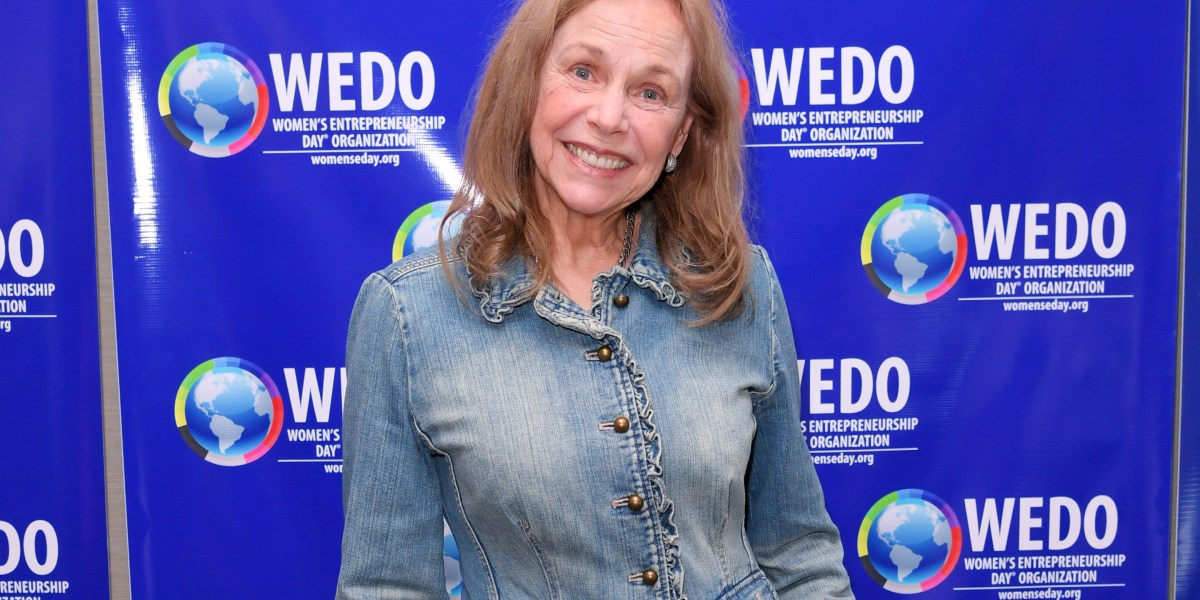
Mitzi Perdue, heiress of billion-dollar family businesses, lives a modest life despite her wealth, choosing to ride subways, wear second-hand clothes, and focus on philanthropy and meaningful work rather than luxury, emphasizing stewardship and giving back.
Warren Buffett, known for his frugal lifestyle and long-term investment strategy, used to gift his family $10,000 in cash each Christmas. However, noticing they spent it quickly, he switched to gifting them shares in companies like Coca-Cola and Wells Fargo, encouraging them to invest wisely. His approach reflects his belief in not overwhelming his children with wealth, while still being generous. Buffett's family gatherings often centered around discussions of investing, highlighting his lifelong focus on sensible money management.
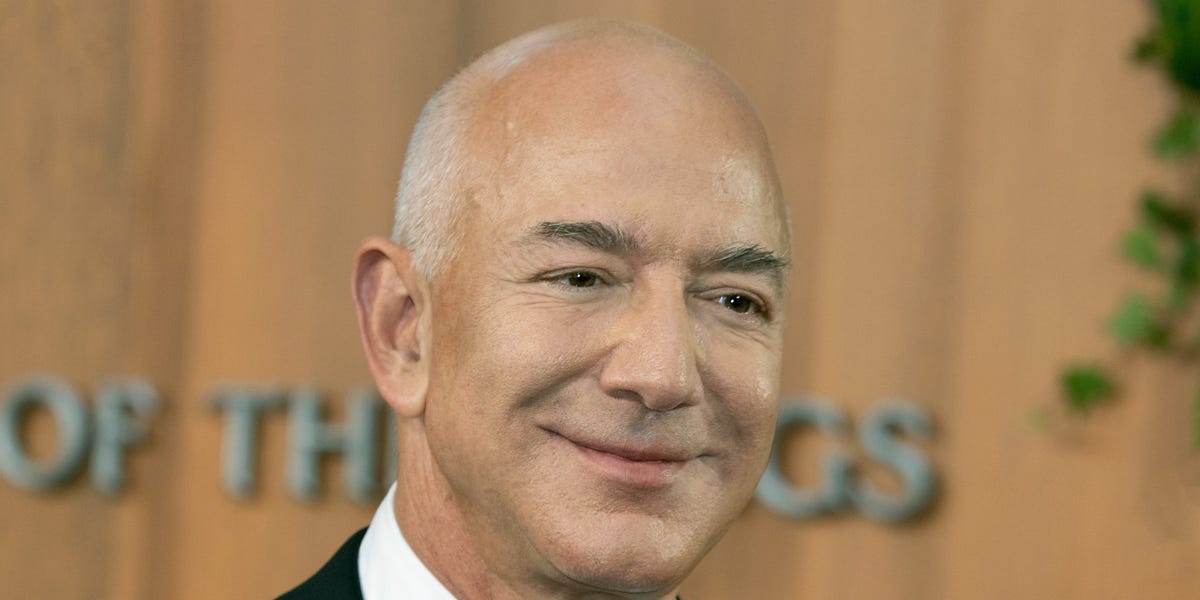
Jeff Bezos, the billionaire founder of Amazon, still uses a homemade door desk from the early days of the company, as shown in a recent photo posted by his fiancée. The door desk, a symbol of Amazon's frugal culture, was created in 1995 as a cost-effective solution and is still used across Amazon offices. Bezos' use of the makeshift desks reflects the company's core value of spending on things that affect customers, not on unnecessary expenses.
The "loud budgeting" trend, popularized on platforms like TikTok, emphasizes being candid about financial circumstances and living within one's means, in contrast to the previous trend of flaunting wealth. This shift reflects a rejection of overconsumption and consumer debt, particularly among Gen Z, who are facing financial challenges such as high interest rates and inflation. The trend encourages making mindful purchases and sacrifices to meet financial goals, signaling a departure from the pressure to keep up with lavish lifestyles showcased on social media.
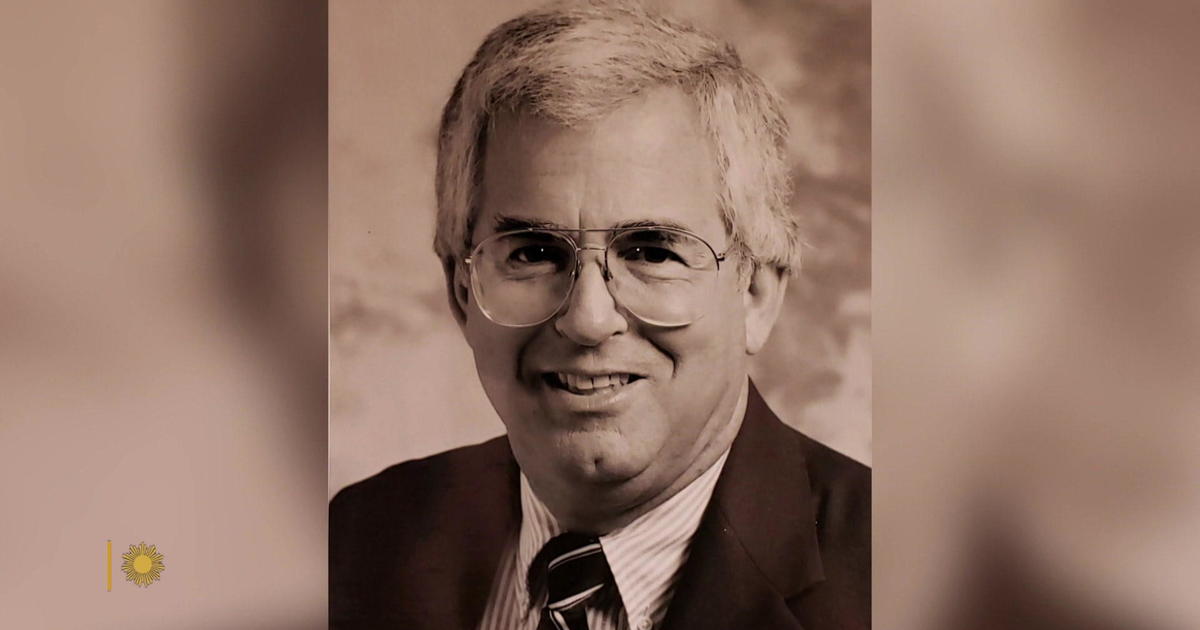
Terry Kahn, a frugal millionaire from South Indianapolis, left behind a $13 million estate to be directed towards charity after his death. With no immediate family, several non-profits received unexpected phone calls informing them of the generous donations.
Luca Netz, a 25-year-old self-made millionaire and CEO of Web3 NFT community Pudgy Penguins, reveals that his biggest financial regret is buying a Rolls-Royce Cullinan, which he describes as "the worst car" he has ever owned. Netz, who grew up homeless, values frugality and hard work, and regrets the unnecessary purchase due to its lack of functionality. Despite his success, he remains hesitant to spend substantial money on luxuries and believes in the importance of understanding the value of a dollar.
Luca Netz, the 25-year-old CEO of Web3 NFT community Pudgy Penguins, regrets buying a Rolls-Royce Cullinan, calling it the worst car he's ever owned. Despite being worth over $100 million, Netz values frugality and regrets the unnecessary purchase, emphasizing the importance of avoiding needless expenses. Growing up homeless, he developed a strong understanding of the value of money. While he indulges in some luxuries, he tries not to keep up with others and believes that the Joneses' life is not as good as it seems.
Geoffrey Holt, a reserved man from Hinsdale, New Hampshire, secretly amassed a $3.8 million fortune before his death and left it all to his beloved town. The money will be managed by the NH Charitable Foundation, and the town plans to use it for grants in health, education, culture, and recreation. They also aim to honor Holt's frugality by finding ways to help people save money through the town budget. Holt's friend and estate executor, Edwin "Smokey" Smith, revealed that Holt was a humble man who would be embarrassed by the attention he is receiving. Holt's fortune was the result of wise investments he made after receiving a cash settlement from his former employer.
Carly DeFelice, a 38-year-old community manager in Austin, Texas, has prioritized frugality and building wealth throughout her life. After experiencing financial setbacks during the 2008 recession, she paid off her debt and built a portfolio worth $100,000 by age 26. DeFelice continues to live below her means, owning an SUV and living in a 20-foot camper. She started her own financial crash course, Best Money Class Ever, and aims to reach $1 million in savings by age 45. DeFelice is passionate about helping others achieve financial independence and believes that anyone can turn their financial situation around.
Anne Scheiber, a former IRS auditor, turned a $5,000 nest egg into a $22 million fortune through three simple strategies. She lived frugally, saving 80% of her salary and spending very little on food. Scheiber invested in what she knew, holding long-term positions in companies like PepsiCo and Chrysler. She also employed tax-efficient strategies, such as avoiding capital gains taxes by holding onto her stocks and transferring dividends into tax-exempt bonds. Scheiber's estate was ultimately donated to education, benefiting financially and academically deserving Jewish women.
Bill Gates recalls a humorous incident in which his close friend Warren Buffett, known for his frugality, treated him to lunch at McDonald's and paid using coupons. Despite being billionaires, Buffett's simple lifestyle choices, including eating at fast food restaurants and driving older cars, reflect his commitment to frugality. Gates shares this anecdote to highlight Buffett's value for a good deal and his dedication to philanthropy, as he has pledged to donate over 99% of his fortune to charitable causes.
A woman wonders if her husband is the cheapest man in America as he avoids eating out, shopping at big-box stores, and rarely buys her gifts. Despite their comfortable life and good relationship, she wishes they did more together and that he would make her feel special occasionally. The writer admires her husband's frugality and independence but suggests open communication and surprising each other with acts of kindness to strengthen their relationship. The article also highlights the beauty of accepting and appreciating introverted partners in a social-media-driven world.