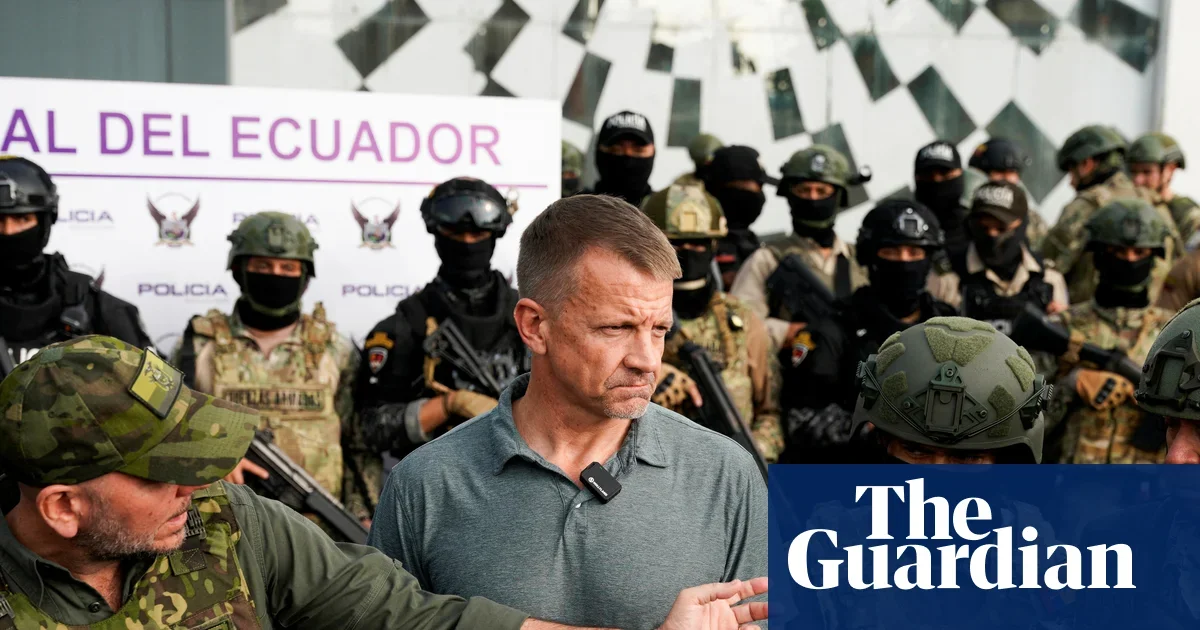
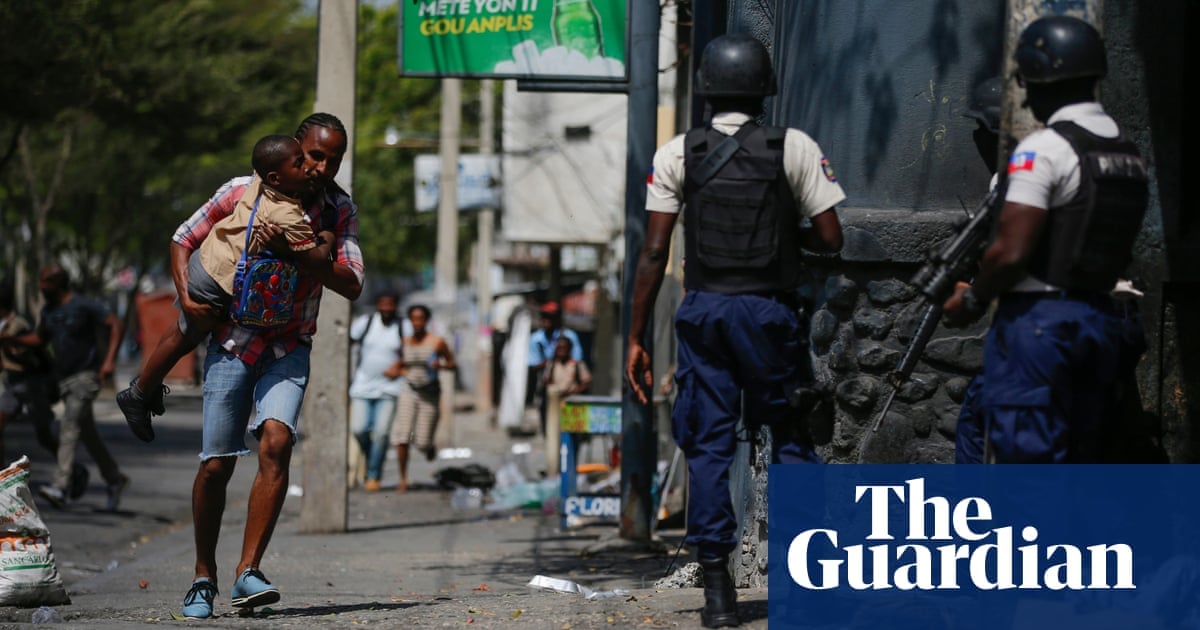
Blackwater founder Erik Prince's security firm Vectus Global plans to deploy hundreds of fighters to Haiti to combat gangs, marking a controversial move that raises concerns about outsourcing security and the effectiveness of private military contractors in addressing Haiti's ongoing crisis.
Abu Mohammad al-Julani, leader of the Syrian rebel group Hayat Tahrir al-Sham, addressed Israel for the first time, stating that with the departure of Iranian forces, there are no longer any justifications for foreign intervention in Syria. This marks a significant moment in the ongoing conflict, as al-Julani's comments suggest a shift in the dynamics of foreign involvement in the region.
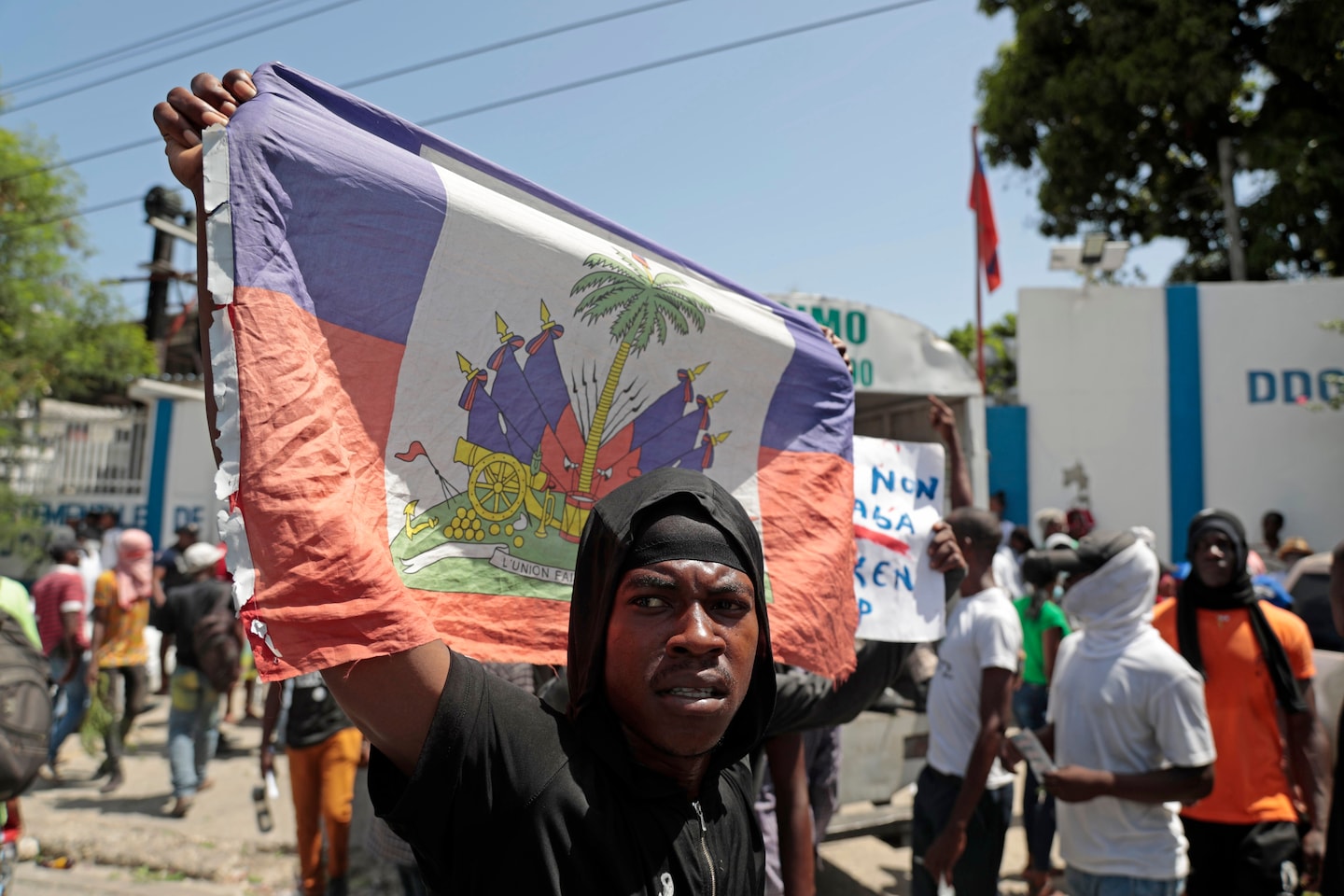
The ongoing violence and political turmoil in Haiti have sparked a debate among Haitians about the necessity of foreign intervention. While some, like Johnny Celestin, believe in Haiti's agency and are against foreign intervention, others, like Monique Clesca, acknowledge the need for international support but emphasize the importance of Haitians leading the efforts. The country's history of destructive foreign intervention, including from the U.S., has fueled skepticism among Haitians. As armed groups continue to escalate violence, the debate over foreign intervention remains contentious, with some advocating for collaboration with foreign actors on Haitian terms, while others, like Jemima Pierre, condemn foreign intervention as a source of Haiti's turmoil.
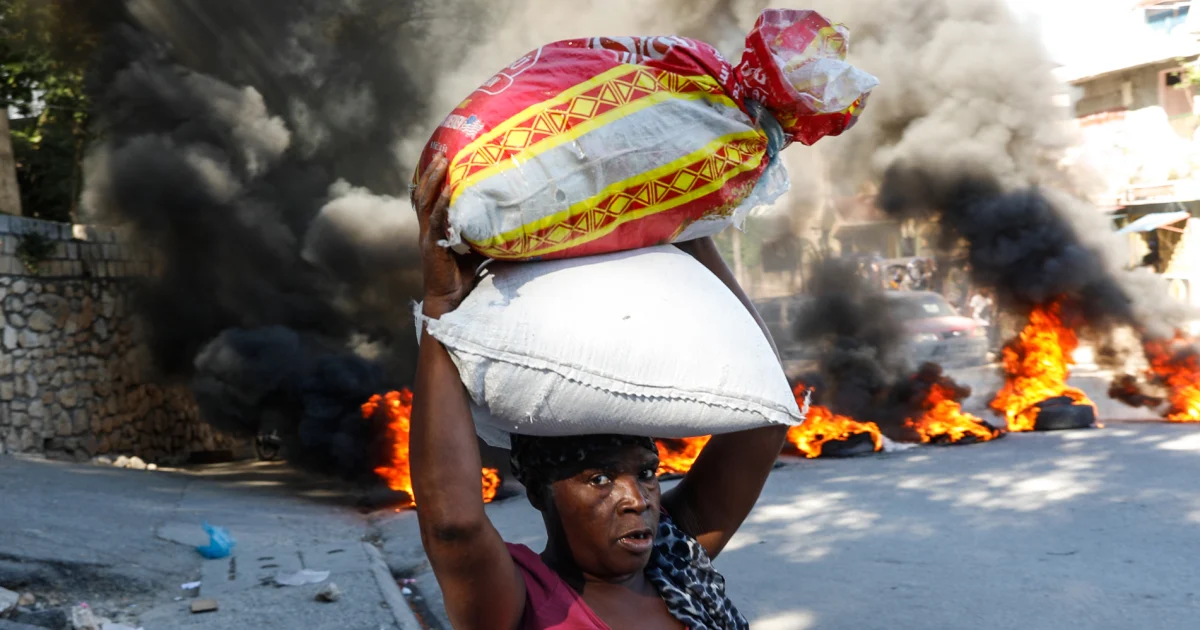
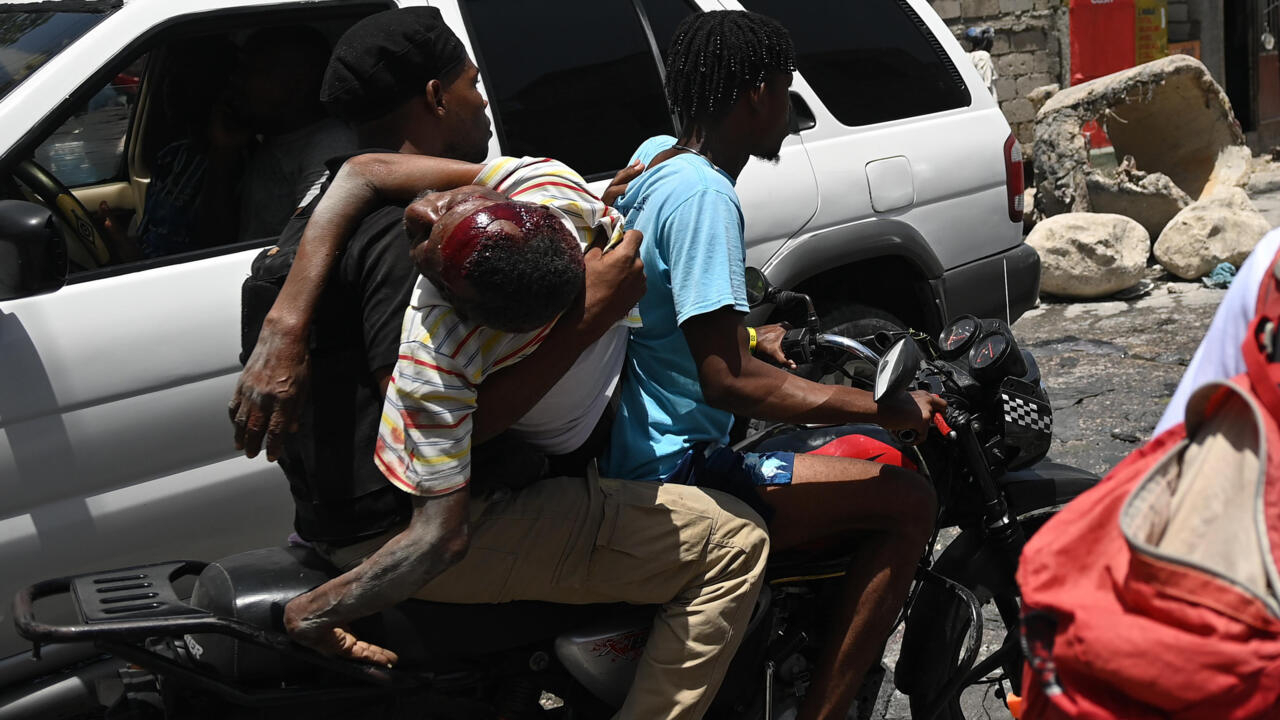
Haiti is engulfed in a crisis of violence, politics, and hunger, with armed groups controlling much of the capital and a de facto president stranded in Puerto Rico. The power vacuum following the assassination of President Jovenel Moïse has led to a surge in violence, kidnappings, and killings, with armed groups taking control of key institutions. The country's political leadership has crumbled, and foreign intervention, including from the U.S., is seen as partially to blame. The situation has led to a dire humanitarian emergency, with thousands displaced and food scarcity looming. Calls for Haitian-led solutions have been made, including a proposed two-year interim government to restore order and establish fair elections.
The United States has pledged to provide funding, training, and equipment to support a Multinational Security Support (MSS) mission in Haiti, aimed at combating rising gang violence and instability in the country. The mission, led by Kenya, has faced concerns and opposition both within Haiti and abroad due to the country's history of foreign intervention. The U.S. has a complex history of involvement in Haiti, including military interventions and allegations of covert meddling. The international effort to aid Haiti must adopt a holistic approach that addresses not only security issues but also long-term economic development. The underlying issues in Haiti, including political, institutional, and socio-economic instability, need to be addressed to achieve substantive change.
A UN-backed force, led by Kenya, is being deployed to Haiti to address the ongoing crisis caused by armed gangs, political instability, and economic challenges. However, experts are skeptical about the mission's success, citing the need to address underlying political issues for long-term stability. Previous foreign interventions, such as the United Nations Stabilisation Mission in Haiti (Minustah), have faced challenges and failed to gain the trust of the Haitian people. The Kenyan-led force may also face difficulties due to language and cultural barriers, as well as the lack of specialized training for police officers. The mission must be accompanied by an inclusive political process leading to free elections, but there are concerns that it could solidify the grip on power of Prime Minister Ariel Henry. Despite Haiti's troubled history, some experts argue that progress has been made at different times and that the international community should not view Haiti as a lost cause.
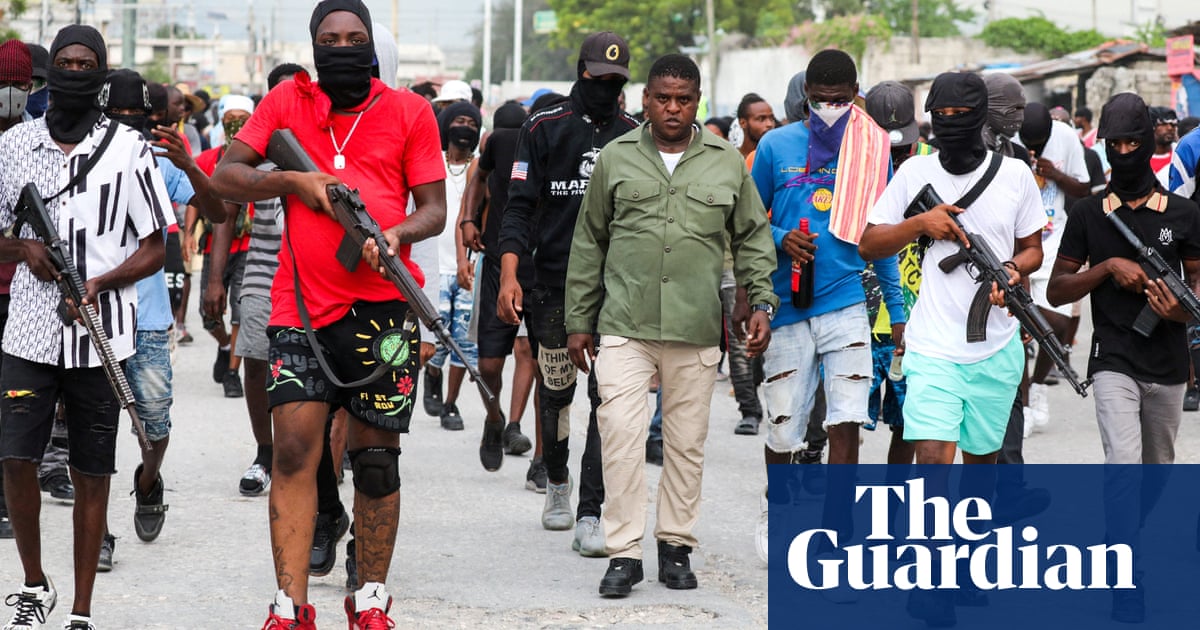
Haiti's most powerful gang boss, Jimmy Chérizier, has called for an armed uprising to overthrow the country's prime minister, Ariel Henry, amidst the escalating security crisis. Gangs have taken control of up to 90% of the capital, leading to widespread violence, killings, kidnappings, and sexual violence. The government's failure to address the crisis has prompted calls for foreign intervention, with the US reportedly seeking UN approval for a Kenya-led mission. However, there is skepticism among Haitians about the effectiveness of another intervention, as previous attempts have worsened the situation. Many believe that Haiti's problems can only be solved by Haitians themselves and that addressing the governance crisis is crucial to improving security.
Haiti is seeking foreign help to combat the escalating gang violence in the country, but concerns remain about the details of the proposed intervention. Prime Minister Ariel Henry has called for a specialized armed force, and Kenya is considering leading the mission, with diplomats drafting a resolution to present to the UN Security Council. However, there are debates about staffing and objectives, as well as fears of repeating past mistakes. Gangs in Haiti have grown more powerful and pose a significant challenge. The UN Secretary General has emphasized the need for a multinational force with robust capabilities. The United States supports the international force but is not contemplating a military mission. Critics in Haiti worry that an intervention will primarily serve to prop up the unelected prime minister and lack focus on protecting the population.
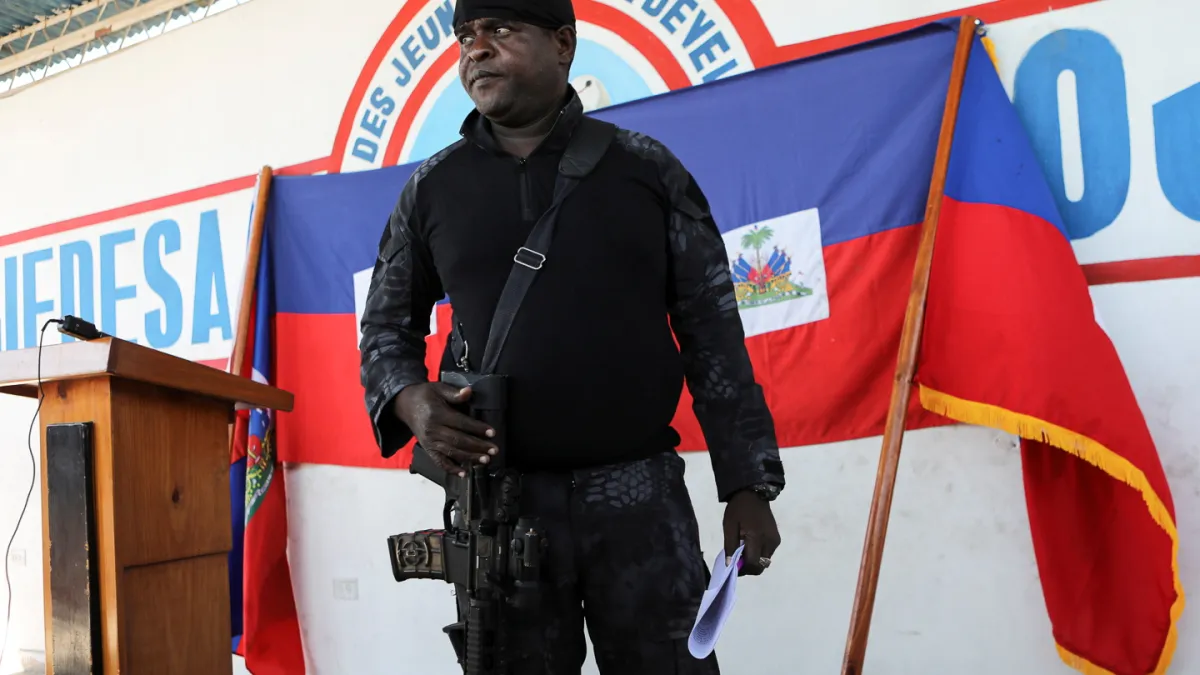
Haitian gang leader Jimmy "Barbecue" Cherizier has warned any potential foreign force sent to Haiti against committing human rights abuses, vowing to fight against them. The request for international intervention comes as violence escalates in Port-au-Prince, with Prime Minister Ariel Henry calling for a specialized armed force to address the surge in gang violence. While some Haitians believe outside help is necessary, civil society groups and watchdog organizations express skepticism due to past interventions causing more harm than good. Kenya has offered to lead a multinational force, but concerns have been raised about the human rights track record of Kenyan police. Cherizier, who has been sanctioned by the US, Canada, UK, and the UN, has presented himself as a revolutionary fighting inequality and corruption. The timing of a UN Security Council resolution for a foreign mission to Haiti remains uncertain.
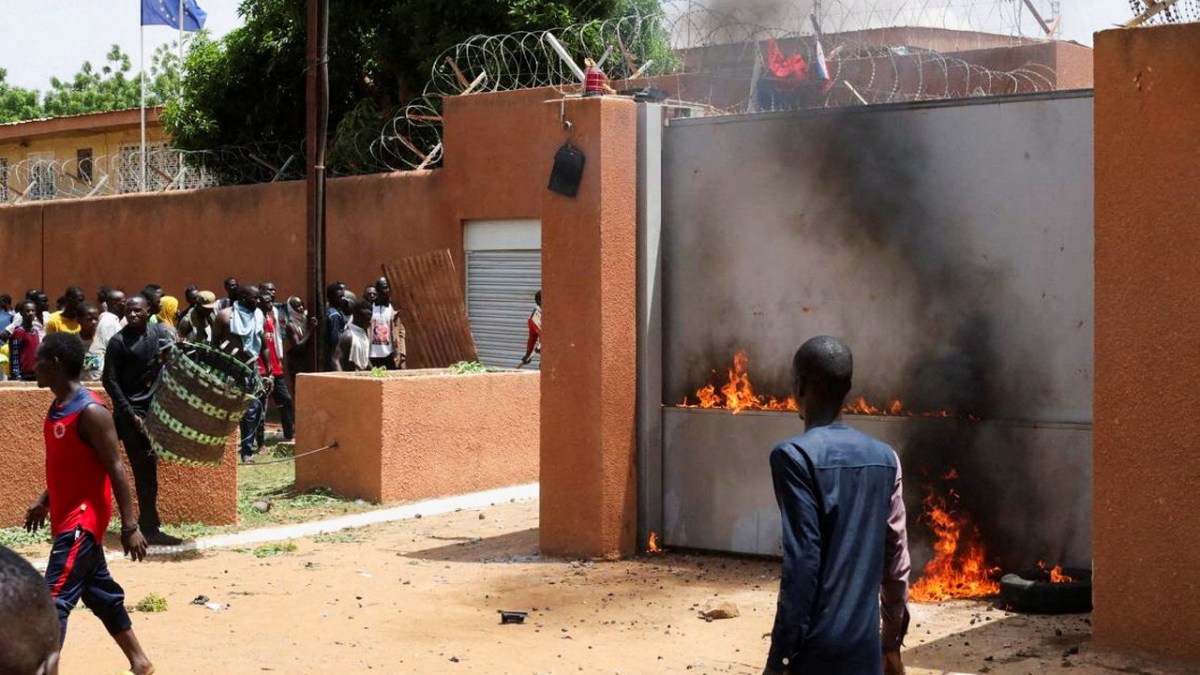
Burkina Faso and Mali have warned against any foreign intervention in Niger, stating that it would be considered a "declaration of war" against their countries. The warning comes after a military coup in Niger, which led to the removal of President Mohamed Bazoum. The Economic Community of West African States (ECOWAS) has threatened military intervention if Bazoum is not restored to power. Western governments, including the US and France, have suspended aid and cooperation with Niger following the coup. The coup leaders have received support from Guinea, while fears of instability have raised concerns about the involvement of private mercenary companies like the Wagner Group.
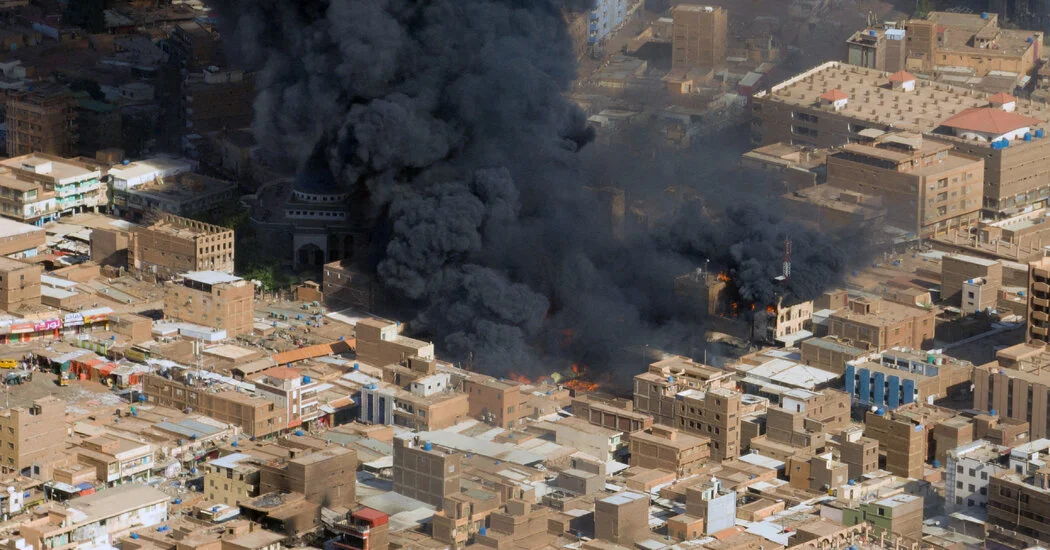
As American-led peace efforts flounder, Sudan risks spiraling into a state of anarchy akin to its most chaotic neighbors. Sudan experts warn that the conflict could metastasize into a full-blown civil war that not only shatters the country into pieces but also draws in foreign powers looking to back a winner. The article explores four possible scenarios for Sudan's future: military victory, R.S.F. victory, stalemate, and negotiated peace. However, experts agree that the immediate outlook is bleak, and Sudan is at a major crossroads, perhaps its most wrenching moment since independence in 1956.
The UN has called for the deployment of an international "specialized support force" to curb the escalating violence in Haiti, where over 530 people have been killed in gang-related incidents this year. The UN agency has reported 300 injuries and 277 kidnappings in the same period. The US is reportedly seeking to persuade Canada and Brazil to spearhead a security intervention aimed at stabilizing the violence-stricken Caribbean nation. However, the catastrophic track record of foreign interventions in Haiti has made many people wary of yet more international interference.