Tag

Foreign Businesses

All articles tagged with #foreign businesses

business-international-relations1 year ago

"China Urges Foreign Businesses to Address Investment Slump"

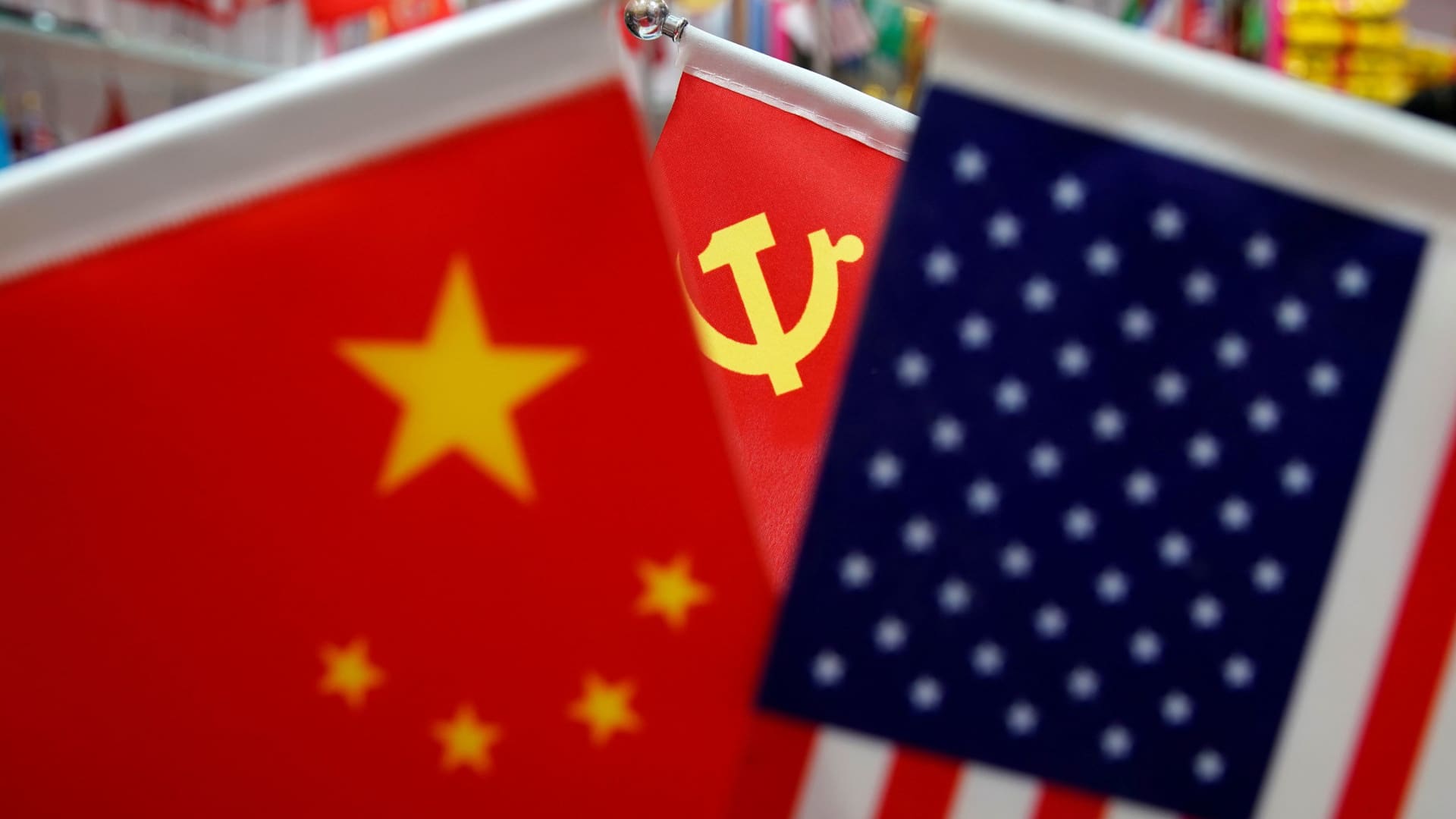
China's Ministry of Commerce met with foreign businesses to address operating challenges, but little progress was made on major issues such as data export rules and forced technology transfers. Foreign direct investment into China has fallen to its lowest level in three years amid geopolitical tensions and slowing growth. U.S.-China tensions have eased since President Biden and President Xi Jinping's meeting, with increased official and non-official visits between the two countries. China next week kicks off its annual parliamentary meetings to discuss economic and other policy.

businesspolitics1 year ago

"Foreign Firms in Hong Kong Face Uncertainty Amid National Security Law Plans"

Foreign businesses in Hong Kong are quietly expressing reservations about the potential impact of the city's proposed national security legislation, particularly concerning the enforcement of "state secrets" rules and the alignment with mainland China. The legislation, which faces little opposition in the city's legislature, builds on Beijing's 2020 national security law and has raised concerns about the city's competitiveness and ease of doing business. The muted opposition to the legislation reflects a shift in Hong Kong's political climate, with some fearing that the proposed law could directly impact businesses and lead to a loss of Hong Kong's historic openness, potentially prompting companies to redirect investment and hiring elsewhere.

international-relations2 years ago

"Japanese Businessman Formally Arrested in China on Espionage Charge"

China has formally arrested a Japanese man who was detained in March, causing concern among foreign businesses operating in China. The arrest comes amid a crackdown on international consulting firms on national security grounds. The Japanese man, reportedly an employee of a Tokyo-based pharmaceutical firm, was arrested on suspicion of violating China's criminal law and anti-espionage law. Foreign companies and investors have grown wary of rising risks in China, including raids and detentions, leading to a decline in foreign direct investment into the country.

business2 years ago

Chinese authorities raid Capvision in anti-spying crackdown.

Chinese authorities have conducted raids on the offices of Capvision, an international consultancy, to investigate alleged national security risks, intensifying fears that China’s foreign business community is being caught up in an espionage crackdown. The Chinese spy agency and market regulators “recently” launched a joint investigation into the actions of Capvision, conducting simultaneous raids in Shanghai, Beijing, Suzhou and Shenzhen, state media reported. The announcement late Monday about Capvision directly tied the probe to counterespionage and national security campaigns that have intensified and expanded under Xi Jinping, China’s powerful leader.

politics2 years ago

China's Expanded Counter-Espionage Law Raises Concerns for Foreign Businesses.

China has expanded its counter-espionage law to include any “documents, data, materials or items related to national security and interests,” which could create legal risks for foreign businesses, journalists, and academics. The lack of clarity around what could be considered relevant to national security poses major legal risks to those trying to gain a better understanding of China. The revision is likely to heighten concerns of foreign individuals and businesses about visiting or operating in China.

business2 years ago

Detentions and Questioning in Shanghai Under China's Spy Law

China's new espionage law expands state control over data and digital activities, raising concerns for foreign businesses operating in the country. The law's expanded scope and powers threaten to turn everyday interactions into national-security offenses, creating a hostile environment for foreign companies. The legislation allows Chinese security officials to require information from Western companies, increasing the risks for businesses operating in the world's second-largest economy.