OpenAI provides a quick and easy method to delete all ChatGPT conversations, enhancing privacy and performance by removing stored data through settings on both browser and mobile app, with a simple confirmation process.
ByteDance will retain ownership of TikTok's U.S. operations but will transfer control of user data, content, and algorithms to a new joint venture, while ByteDance continues to oversee revenue-generating activities like e-commerce and advertising, amid ongoing negotiations and regulatory scrutiny.
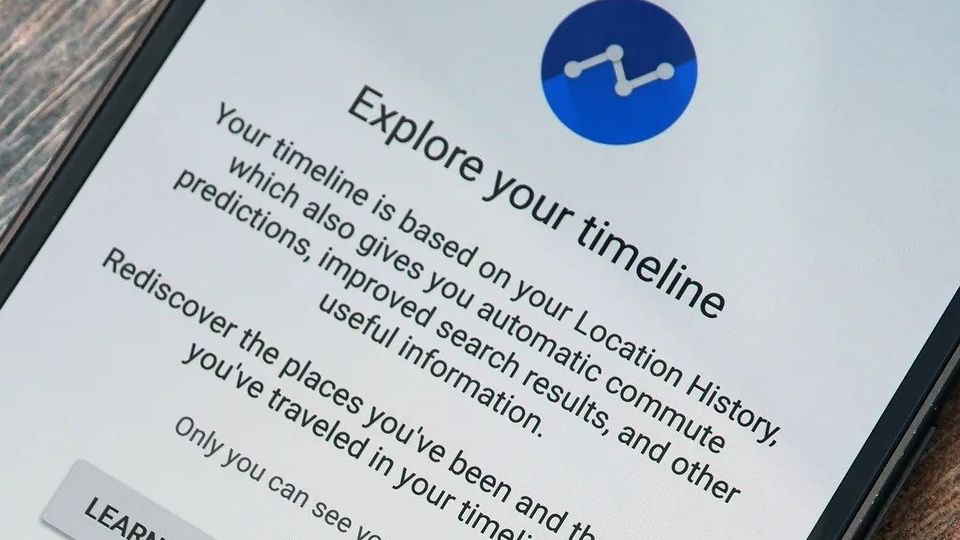
Google Maps is removing the Timeline feature from its web version, pushing users to access their location history via the mobile app instead. This change, effective from December 1, 2024, aims to give users more control over their data by storing it on their devices rather than Google's servers. Users must switch to the app to retain their Timeline data, or it will be auto-deleted. The transition has received mixed reactions from users.
Google Maps is introducing a privacy update that allows users to have more control over their information on the platform. Users will be able to view and delete their past searches, directions, and shares in one central location. The update also includes a settings menu for the Timeline and Location History features, where users can manage their data and location settings. Additionally, Google is planning to introduce a feature next year that will allow users to save their Timeline recording directly onto their device. The auto-delete function for Location History will also be changed to three months by default. The updates will be rolled out to Android and iOS phones in the coming weeks.
Google Maps is introducing new features to give users more control over their timeline, including on-device saves, encrypted cloud saves, and the ability to remove specific locations. Users will be able to enable Timeline and choose whether to back it up on the cloud with encryption. Auto-deletion controls will also be expanded beyond the previous 18-month limit. The new features aim to provide users with more privacy and data control.
Twitter users are reporting that deleted tweets and retweets are being restored, raising concerns about the platform's ability to allow users to control their own data. The cause of the bug is unclear, but it could be related to the tool used to delete tweets or Twitter's servers accidentally restoring data. This is just one of many recent glitches on the platform, highlighting its crumbling infrastructure. While this may seem trivial to some, it could have serious implications for activists and whistleblowers who rely on Twitter to protect their freedom of speech.
Google has announced a range of new privacy, safety, and security features at its annual developer conference, Google I/O. The new initiatives aim to protect users from cyber threats, including phishing attacks and malicious websites, while providing more control and transparency over their personal data. The features include improved data control and transparency, a Gmail Dark Web Scan Report, AI-powered Safe Browsing, Content Safety API Expansion, and Spam View in Google Drive. Google is also expanding its Content Safety API to flag child sexual abuse material (CSAM) in video content and debuting an "About This Image" tool that offers users more context to ensure reliable access to trustworthy information.
China's new espionage law expands state control over data and digital activities, raising concerns for foreign businesses operating in the country. The law's expanded scope and powers threaten to turn everyday interactions into national-security offenses, creating a hostile environment for foreign companies. The legislation allows Chinese security officials to require information from Western companies, increasing the risks for businesses operating in the world's second-largest economy.
OpenAI has introduced new controls for ChatGPT users that allow them to turn off chat history and opt-out of providing conversation history as data for training AI models. Users can also export chat history for local storage. OpenAI will retain conversations internally for 30 days and review them "only when needed to monitor for abuse" before permanently deleting them. OpenAI is also working on a new "ChatGPT Business" subscription that will opt users out of model training by default.