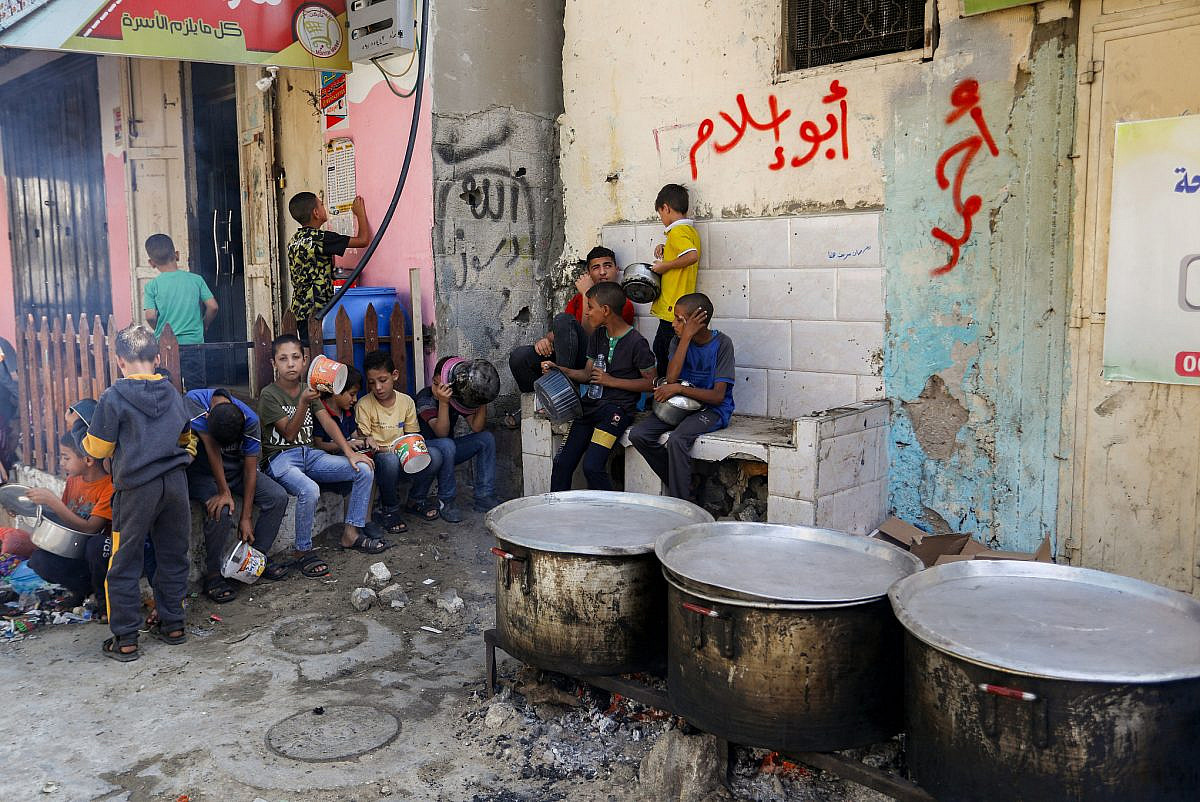
In Gaza, aid workers like George Anton are struggling to provide for those sheltering in the Holy Family Catholic Church amid ongoing conflict and food shortages, with supplies exhausted and the situation worsening due to recent violence.
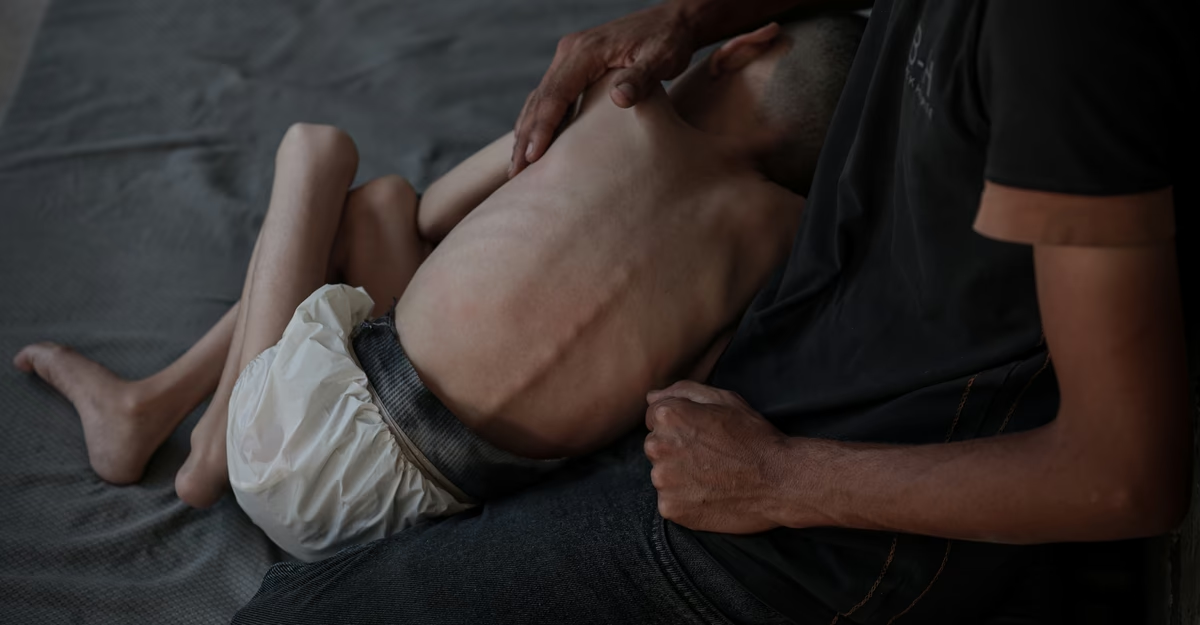
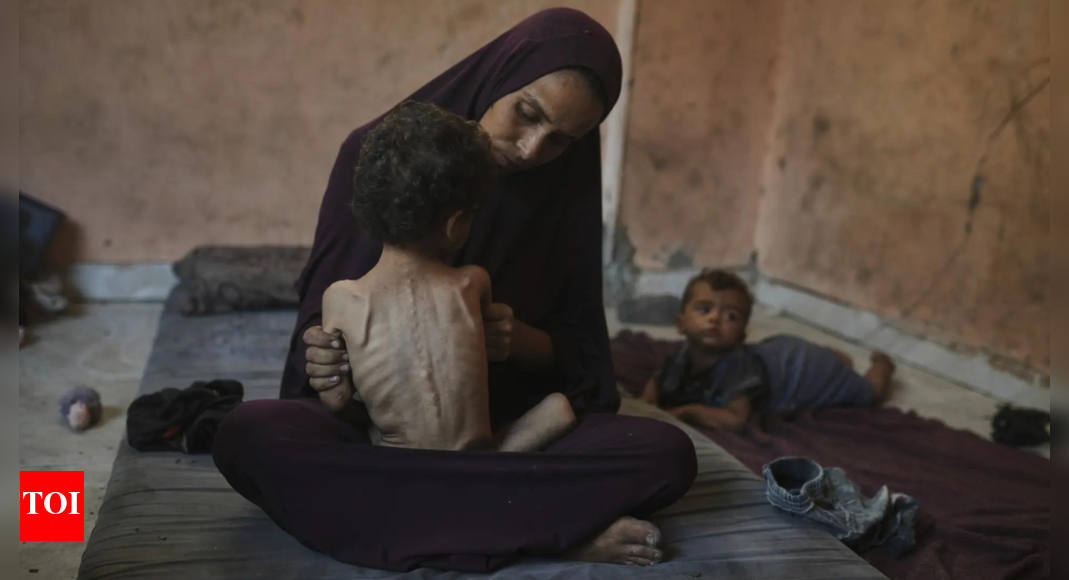
A severe humanitarian crisis in Gaza is causing widespread malnutrition and starvation, with images of underweight children going viral and UN agencies warning of man-made famine due to blockades and restricted aid access, prompting international calls for urgent intervention.
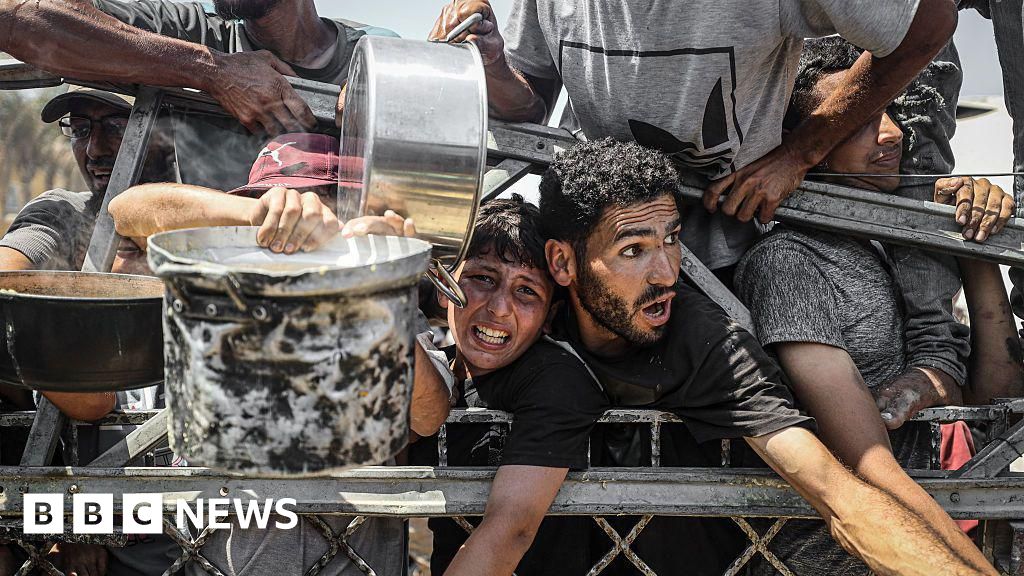
BBC's Gaza freelance journalists are struggling to feed their families amid severe food shortages and ongoing conflict, with many experiencing exhaustion, health issues, and inability to access basic necessities, highlighting a worsening humanitarian crisis in Gaza.
The Gaza Humanitarian Foundation (GHF) has offered to deliver 2,500 tons of food stuck at the Kerem Shalom crossing into Gaza, criticizing the UN for failing to deliver aid amid growing hunger and malnutrition in the region. GHF has already delivered over 41 truckloads and is ready to support the safe distribution of aid, highlighting issues of aid theft and delays by the UN and Palestinian groups. The situation remains critical as international warnings of famine increase.
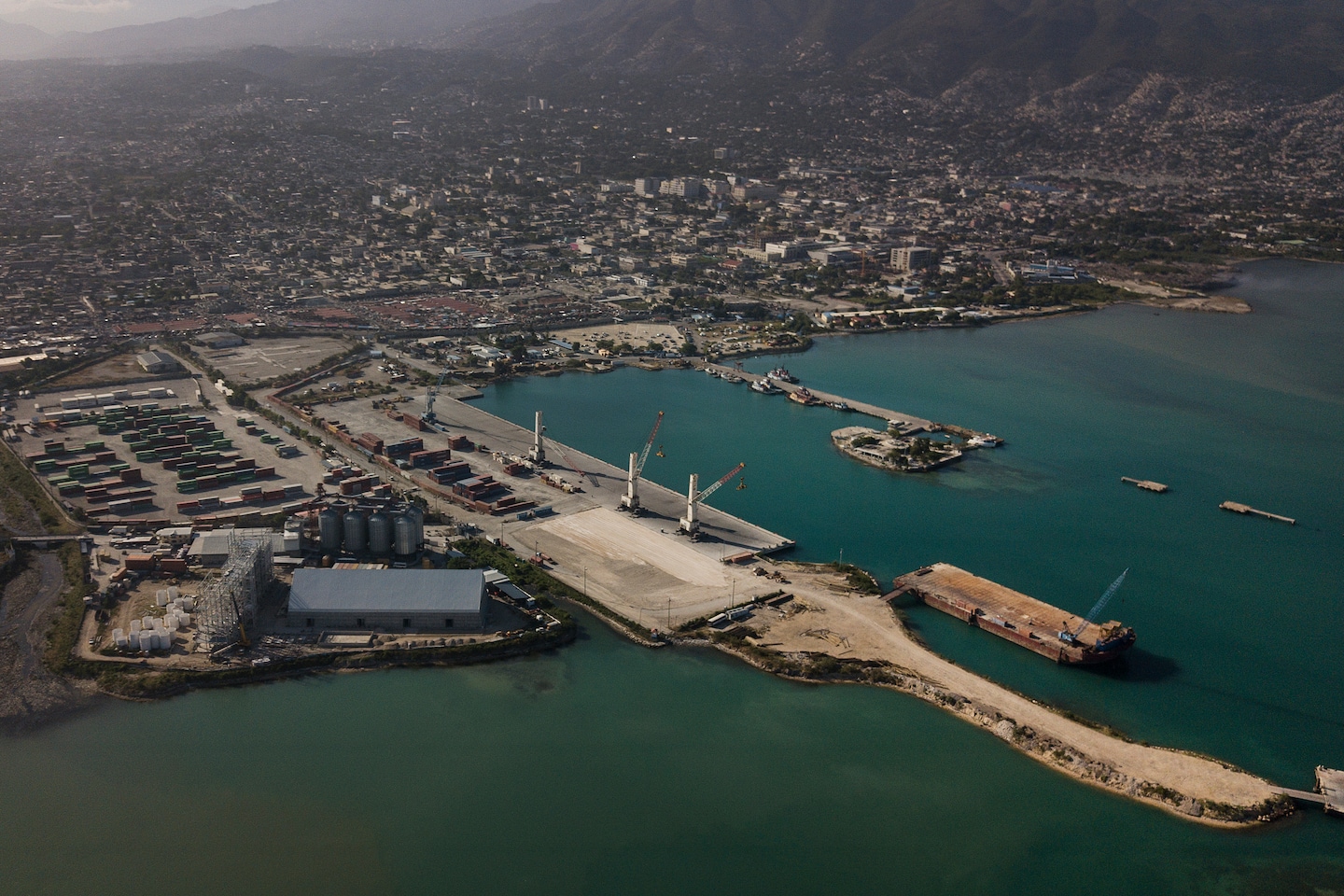
Gangs in Haiti have attacked the main port in Port-au-Prince, causing a suspension of operations and cutting off the capital from crucial food and medical supplies. With the airport and roads also under gang control, the country is facing a humanitarian crisis, as food shortages and lack of medical supplies loom. The gangs' actions have led to widespread fear and disruption, with the potential for dire consequences if the situation is not resolved urgently.
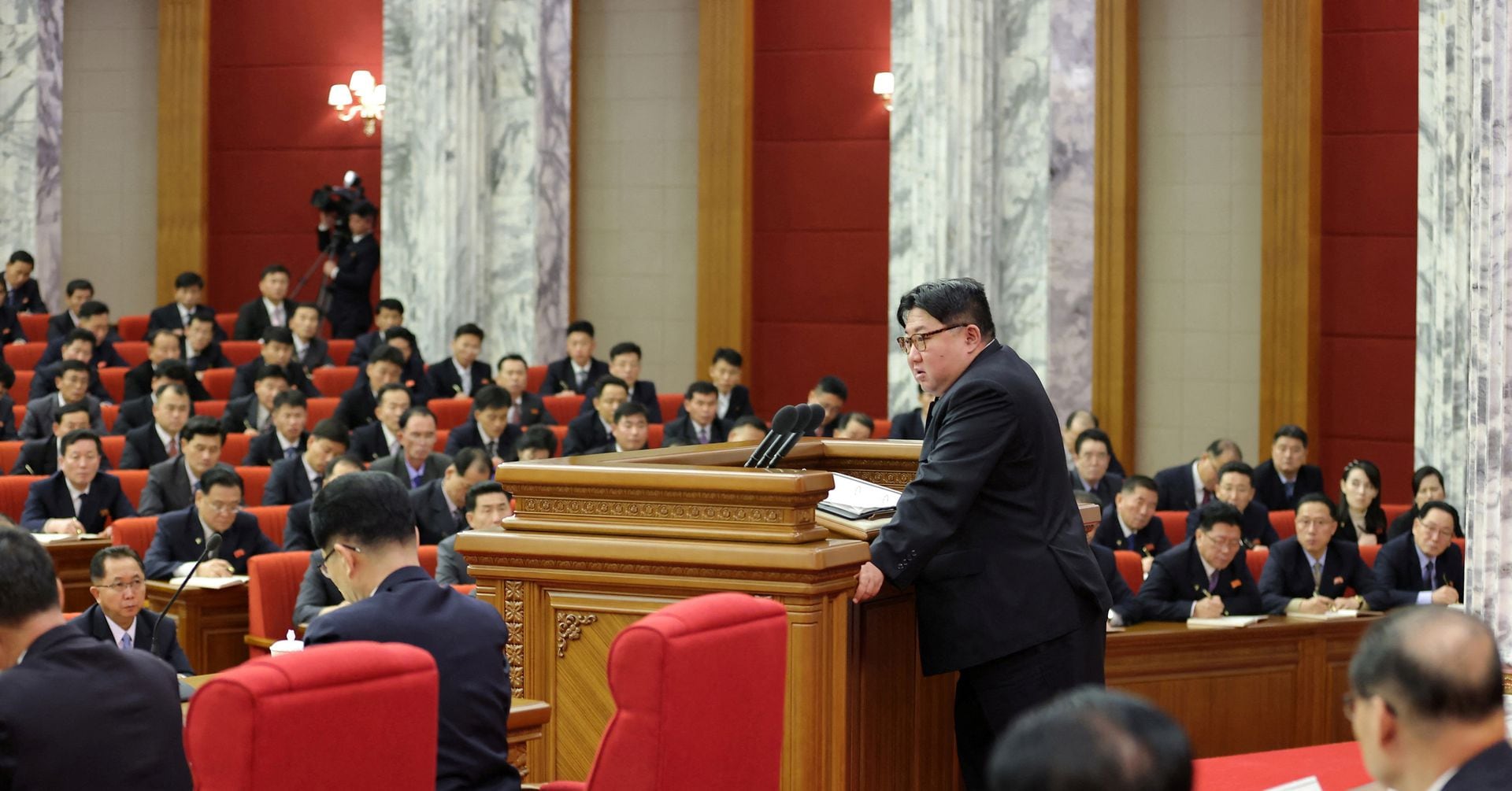
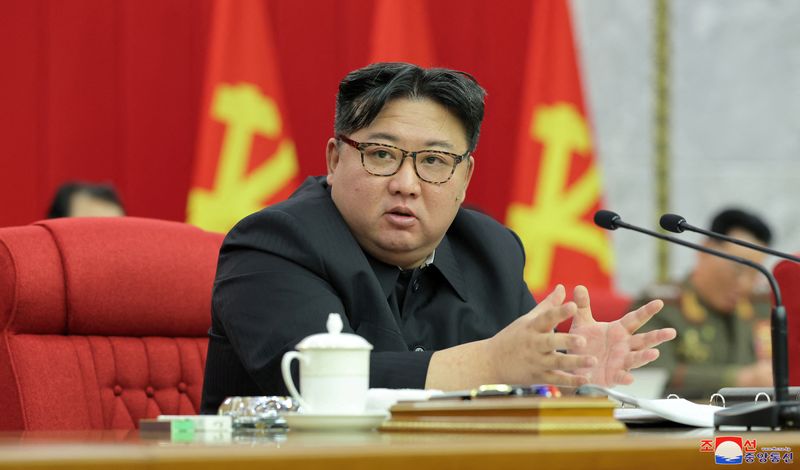
North Korean leader Kim Jong Un has emphasized the need to address the serious political issue of failing to provide people with basic living necessities, including food, during a speech at a political bureau meeting. He urged for improvements in economic development and regional policies to raise living standards and close the gaps between urban and rural areas, acknowledging the country's severe food shortages and economic challenges exacerbated by international sanctions and the pandemic.
North Korean leader Kim Jong Un has emphasized the need to address the country's food shortage as a "serious political issue" during a recent political bureau meeting, urging for improvements in economic development and living standards. Despite increased trade with China, the food situation in North Korea remains challenging. Kim also called for swift changes to narrow the gaps between urban and rural areas through a new regional development policy, as the country continues to face economic pressure due to international sanctions and pandemic-related border restrictions.
Palestinians in Gaza are facing a severe food and water crisis as Israel's military offensive enters its second month. The blockade has severely limited the entry of supplies, with only 2% of scheduled food deliveries reaching the Strip. The lack of fuel and bombings have made it difficult to transport goods, resulting in long lines at surviving bakeries. The water supply is also scarce, with no water being pumped into pipes or distributed to households. The situation has led to fears of a humanitarian catastrophe, as residents struggle to survive and provide for their families amidst constant airstrikes and a collapsing healthcare system.
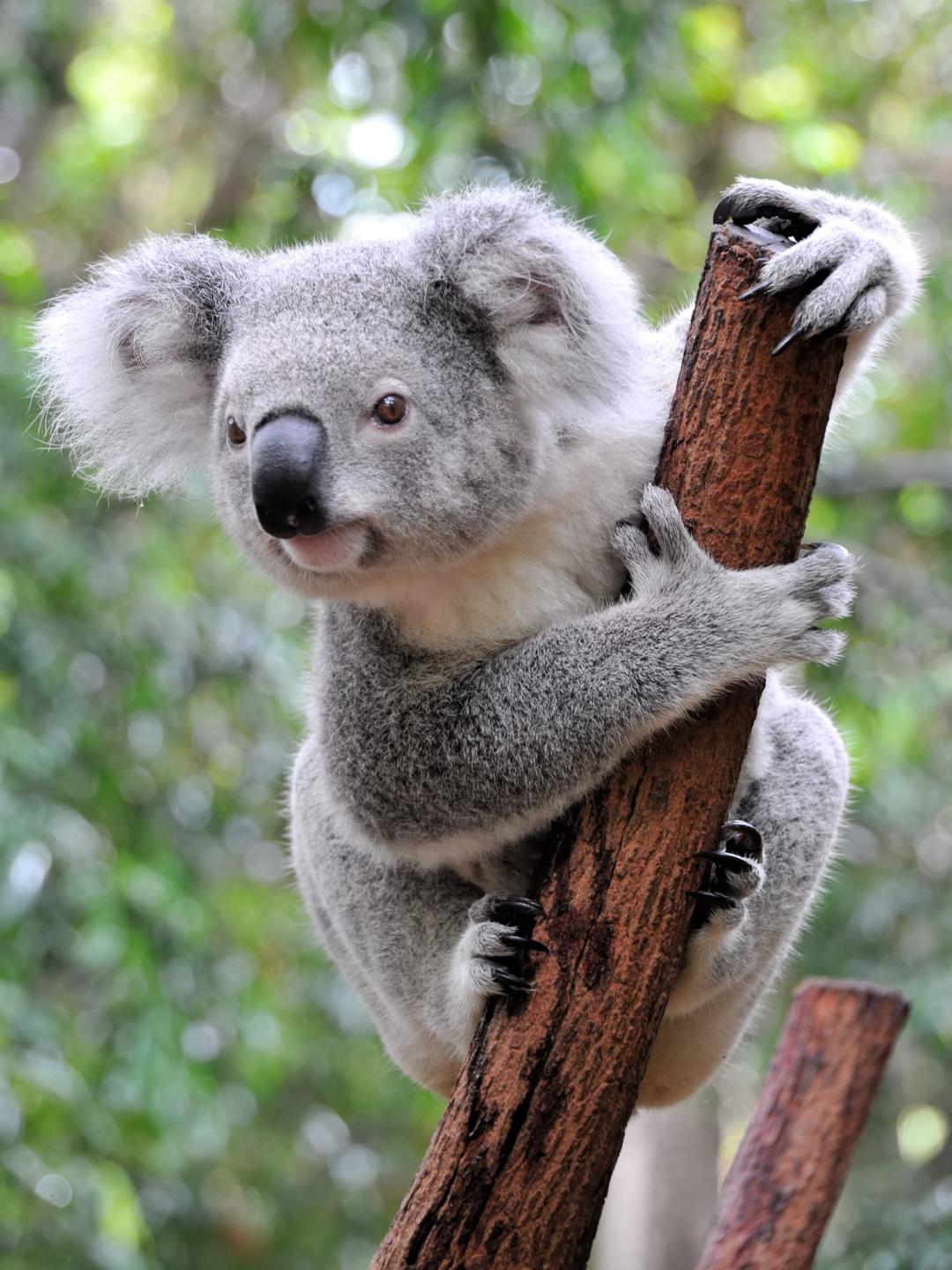
Humphrey Herington, owner of a nursery in Australia, discovered that the culprit eating his seedlings was a koala, a species not known for such behavior. Herington, who grows plants to restore koala habitats, named the koala Claude and moved him to a different location, but Claude returned a few days later. The incident highlights concerns about food shortages for koalas, prompting Herington to build a koala-proof fence around his nursery. The destroyed seedlings cost the nursery around $3,800, but Herington is more "impressed" than angry and hopes to address the underlying issue of food scarcity for koalas.
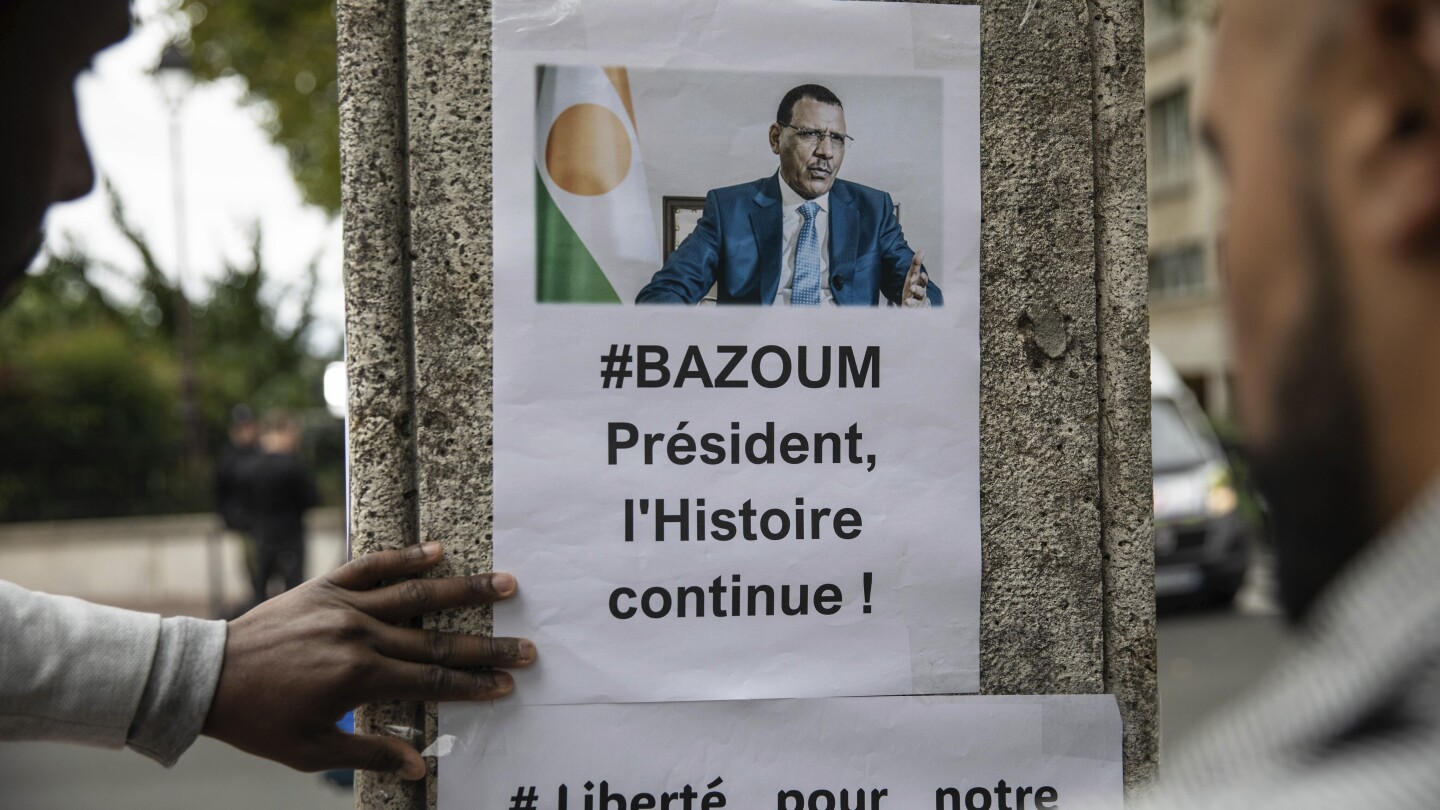
The US has expressed concern for Niger's deposed president, Mohamed Bazoum, who has been held at the presidential palace since the coup on July 26. Bazoum and his family are reportedly running out of food and living under dire conditions without electricity or running water. The US Secretary of State, Antony Blinken, emphasized the importance of their safety and security during a call with Bazoum. Niger's new military junta has rejected international mediation efforts and accused France of destabilizing the country. The junta named a new prime minister and refused admission to mediation teams from the UN, African Union, and Ecowas. Ecowas had threatened military force if Bazoum was not reinstated, but the junta ignored the deadline.
Niger's deposed president, Mohamed Bazoum, is reportedly running low on food and facing deteriorating conditions under house arrest two weeks after a military coup ousted him. Bazoum, along with his wife and son, has been held at the presidential palace without electricity, and they only have rice and canned goods left to eat. The new military junta has rejected international mediation efforts and named a new prime minister, further entrenching its power. Niger's partners have threatened to cut off military assistance if the country does not return to constitutional rule. The crisis has caused food prices to rise, exacerbating the already dire situation for Niger's impoverished population.
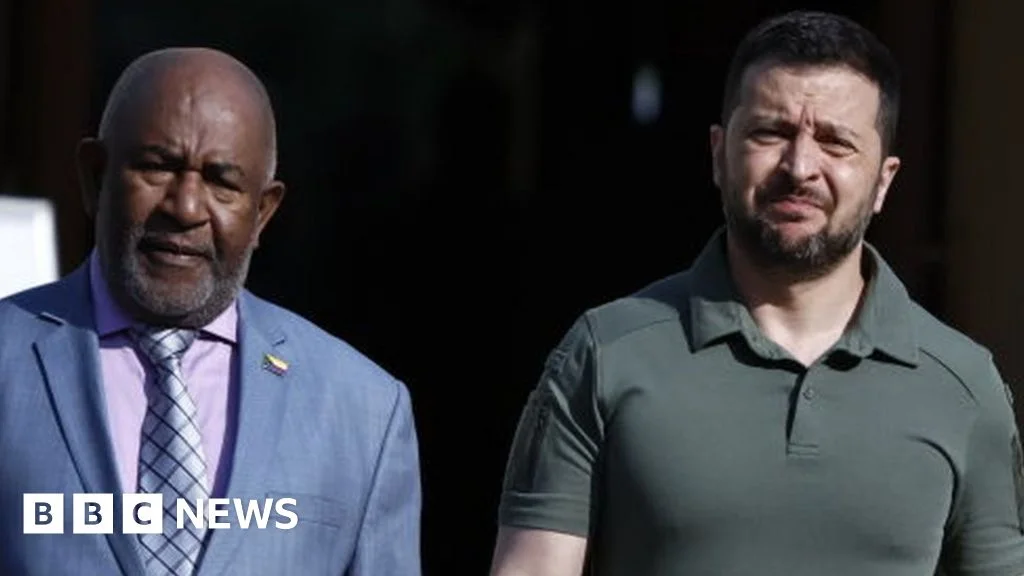
African leaders' peace mission to Ukraine and Russia, led by South African President Cyril Ramaphosa, failed to bring the warring sides together. The African delegation put forward a 10-point proposal, including a recognition of Russia and Ukraine's sovereignty and continued unhindered grain exports, but both sides only agreed to continue engagement. The conflict has led to a shortage of grain and fertiliser in many African countries, which import the commodities from Ukraine and Russia respectively, leading to a spike in food prices around the world, especially in Africa.