Kroger has launched the Verified Savings Program, offering a 20% discount on produce and half-off Boost memberships for eligible customers receiving government assistance, aiming to improve food affordability and security.
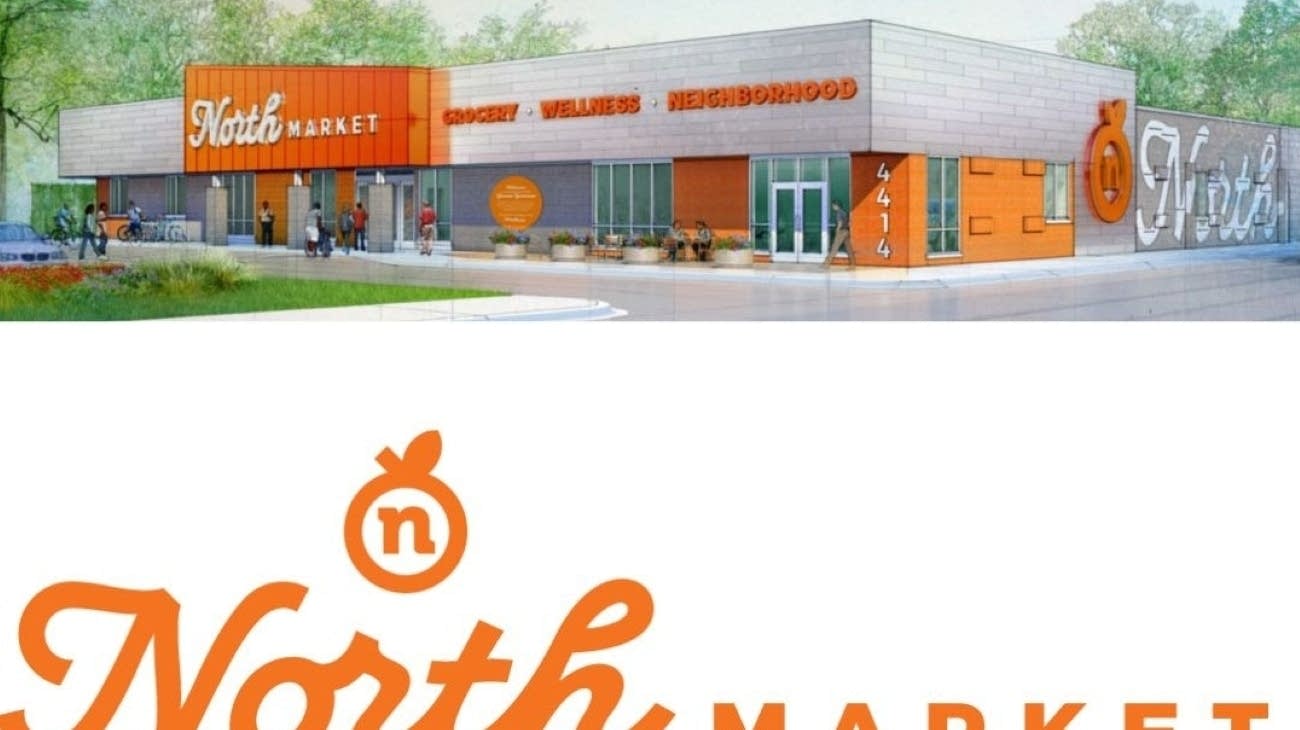
North Market, a key grocery store in North Minneapolis, will close on Feb. 1, 2026, due to financial challenges, and reopen later as a community food hub aimed at improving food access and supporting local BIPOC food businesses, with community input planned for February.
Community leaders in Metcalfe Park are calling for action following the closure of the neighborhood's only grocery store, organizing community-led food programs like a pantry and fridge network, and proposing legislation to prevent future closures, highlighting ongoing issues of food apartheid and the need for stable food infrastructure.
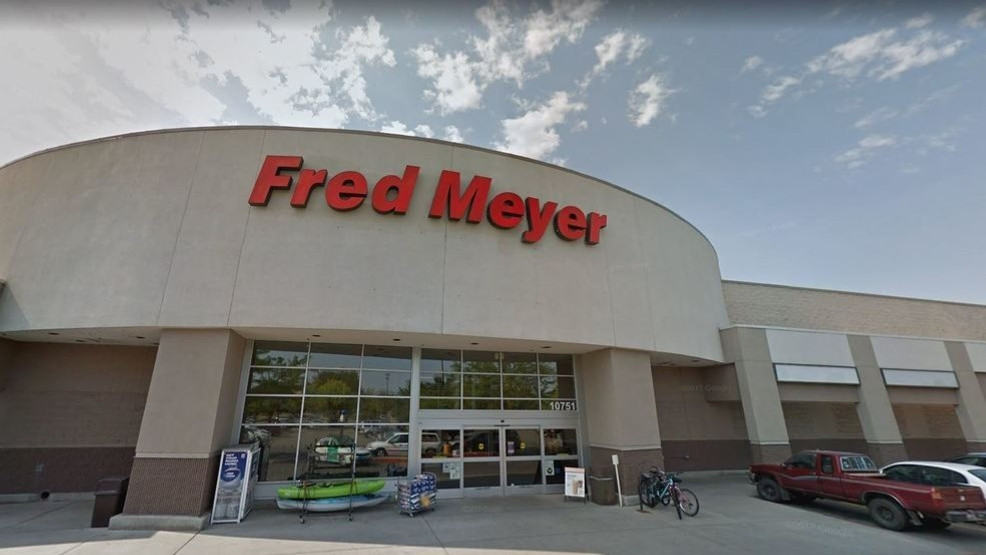
Kroger is closing two Fred Meyer stores in Everett and Kent, Washington, citing rising theft and regulatory costs, affecting 360 workers. The closures raise concerns about reduced food access in low-income areas, with the union UFCW 3000 criticizing the move as prioritizing profit over community needs. The company plans to reassign affected employees to other stores, though with longer commutes. This comes amid ongoing tensions from failed merger attempts with Albertsons and recent leadership scandals.
A study in southern California reveals that neighborhoods near superfund sites or with limited access to fresh food have higher levels of PFAS, or "forever chemicals," in residents' blood. These chemicals, linked to serious health issues, are prevalent in areas with industrial pollution and in processed foods common in low-access areas. The research suggests that improving access to fresh foods and reducing pollution at the source could help lower PFAS exposure. PFAS are persistent in the environment and are used in products for their water, stain, and heat resistance.
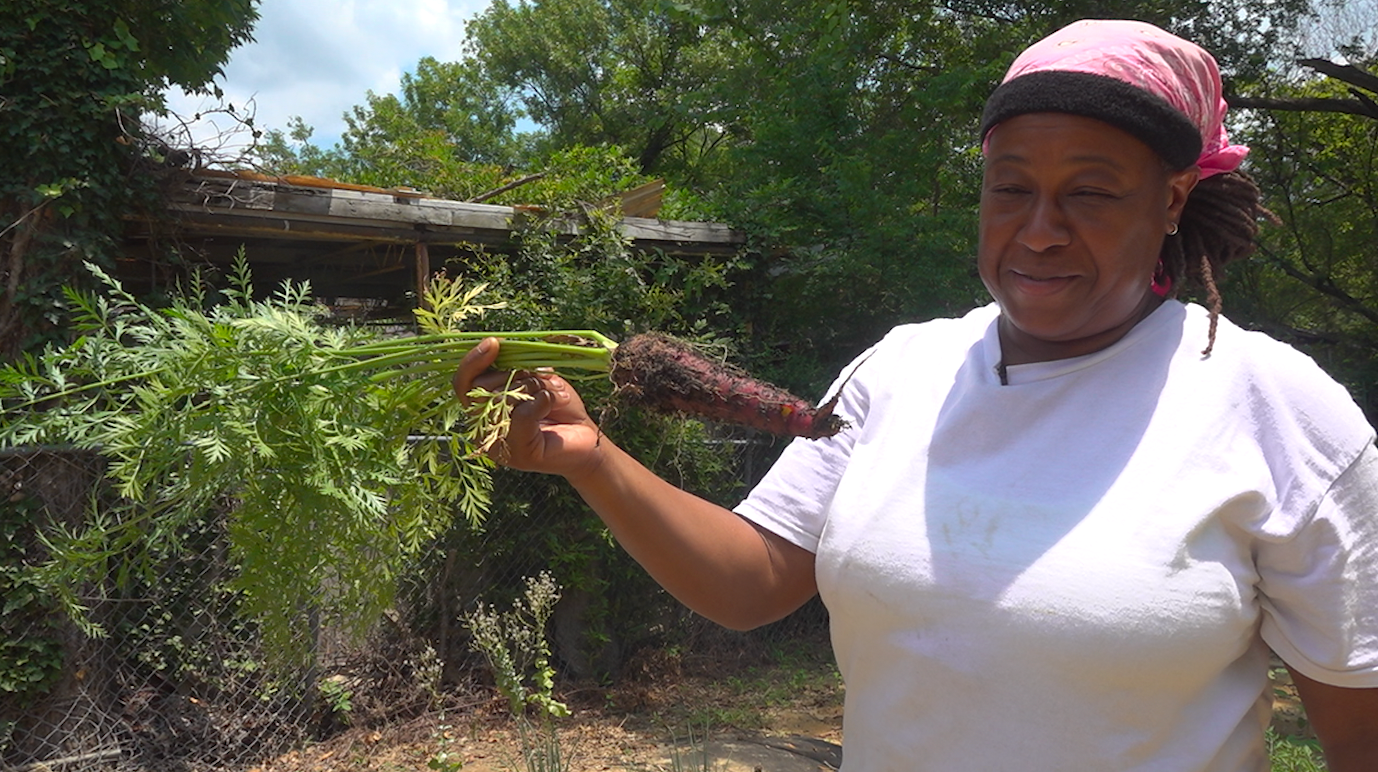
Several rural and low-income communities across the US are facing limited access to healthy foods due to permanent closures of grocers. Jackson, Mississippi, the state's largest city, has only one Walmart, one Kroger, and one Whole Foods covering a 100-mile radius. The recent closure of Food Depot in West Jackson has put several neighborhoods at risk of becoming food deserts unless another grocer moves in. Dollar stores are being blamed for pushing larger grocers out of urban and rural areas. With limited food access, 1 in 5 people in Jackson are considered "food insecure." However, residents like Norma Michael have started community gardens to provide healthy food options to their neighbors.