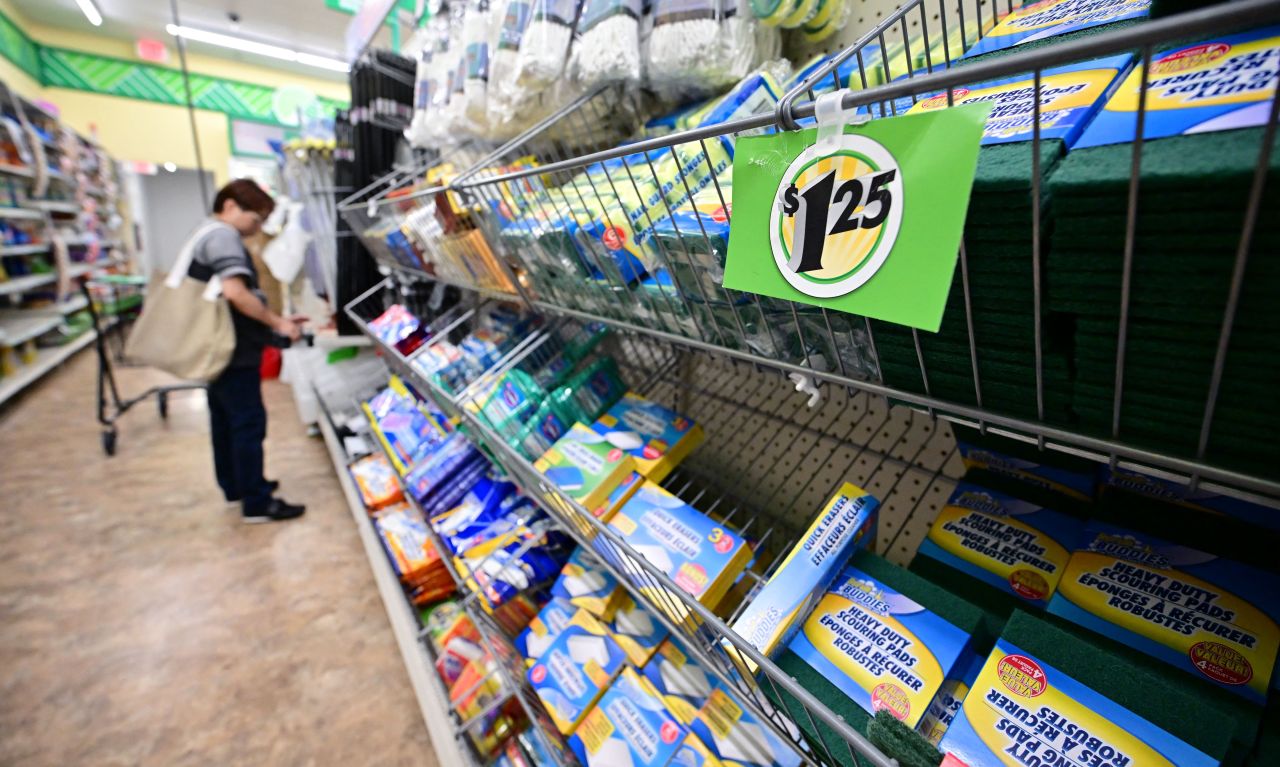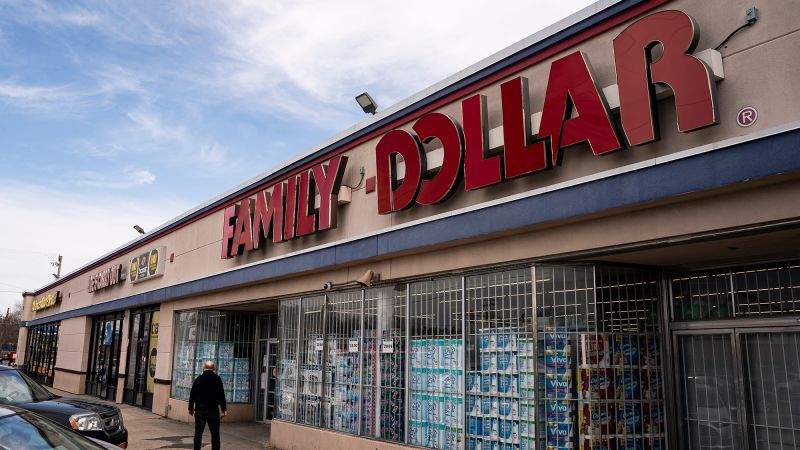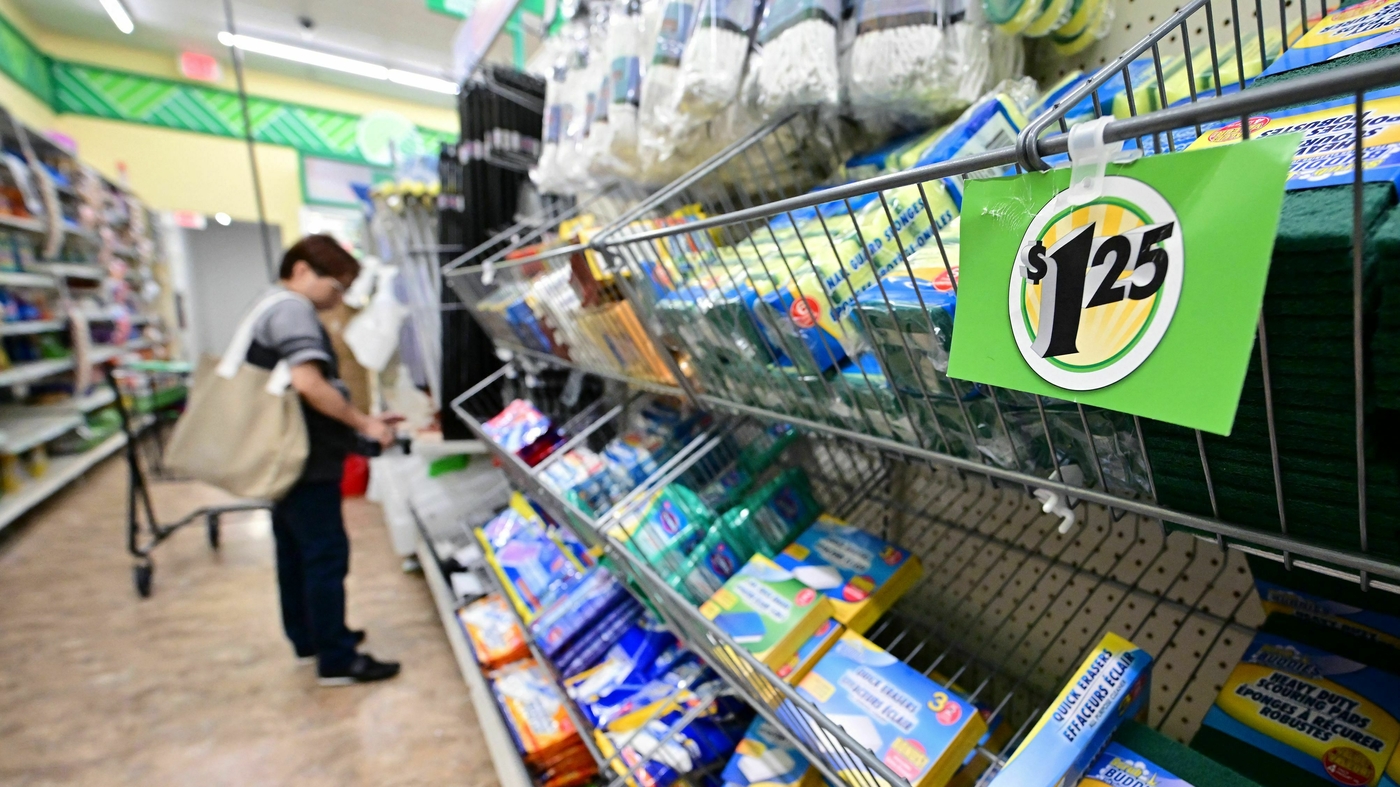
Thirty members of Congress are demanding answers from Dollar General and Family Dollar regarding widespread price disparities and overcharges revealed by a Guardian investigation, highlighting systemic failures, consumer overpayment, and issues with dispute resolution practices, amid concerns over affordability and corporate accountability.
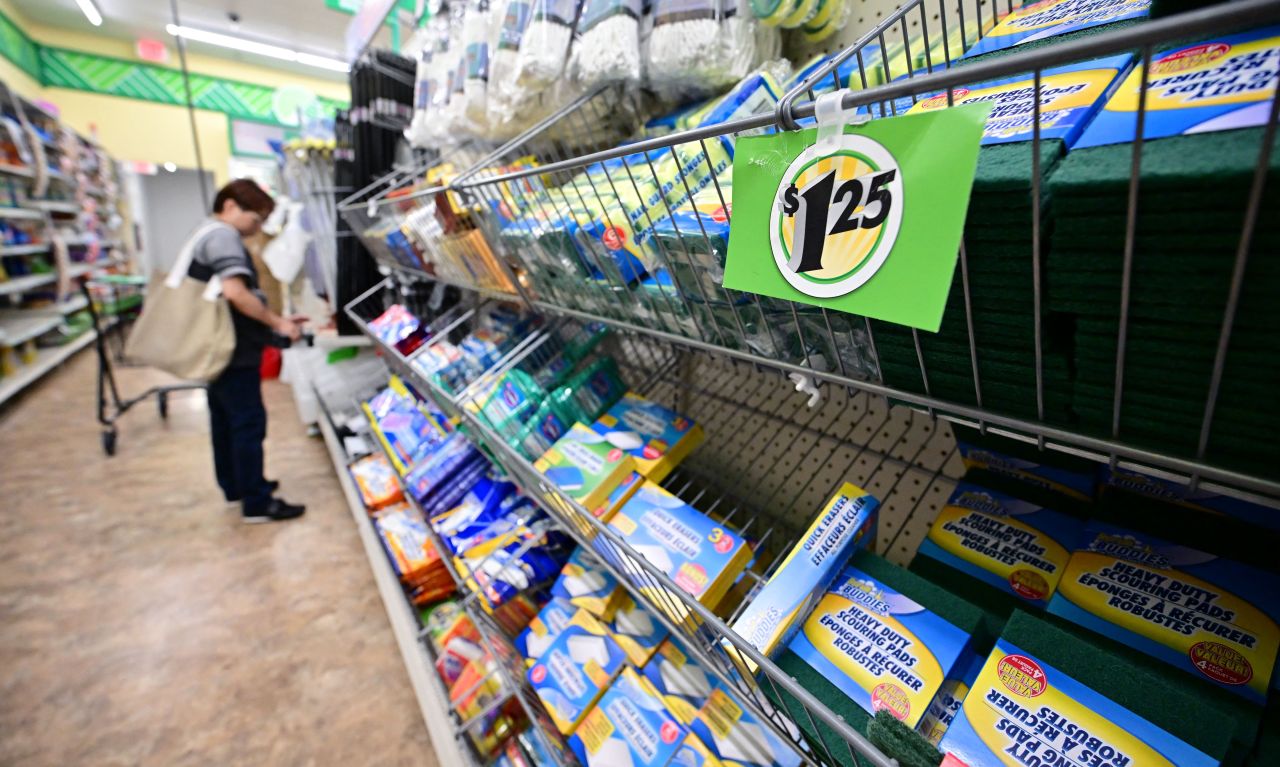
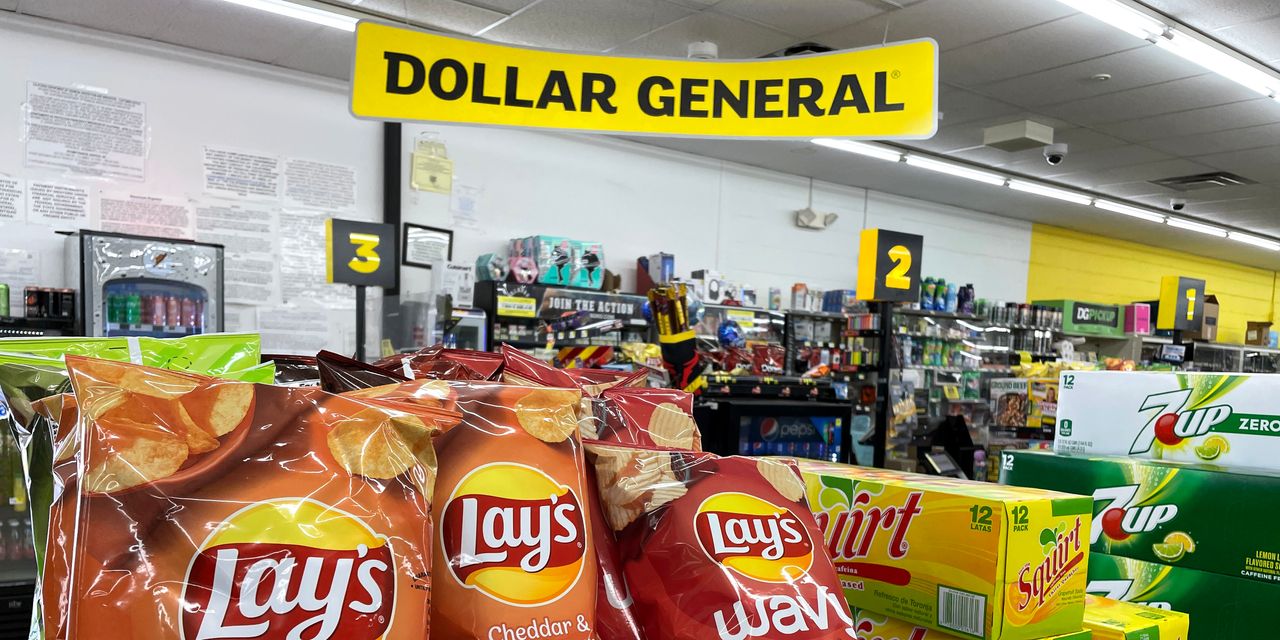
Dollar stores are facing significant challenges, with major chains like 99 Cents Only and Dollar Tree closing numerous locations due to economic factors such as inflation and shifting consumer demand. While some, like Dollar General, continue to expand, larger retailers like Target and Walmart are slashing prices to attract discount-conscious customers. The future of dollar stores remains uncertain as they struggle with rising costs and changing market dynamics.
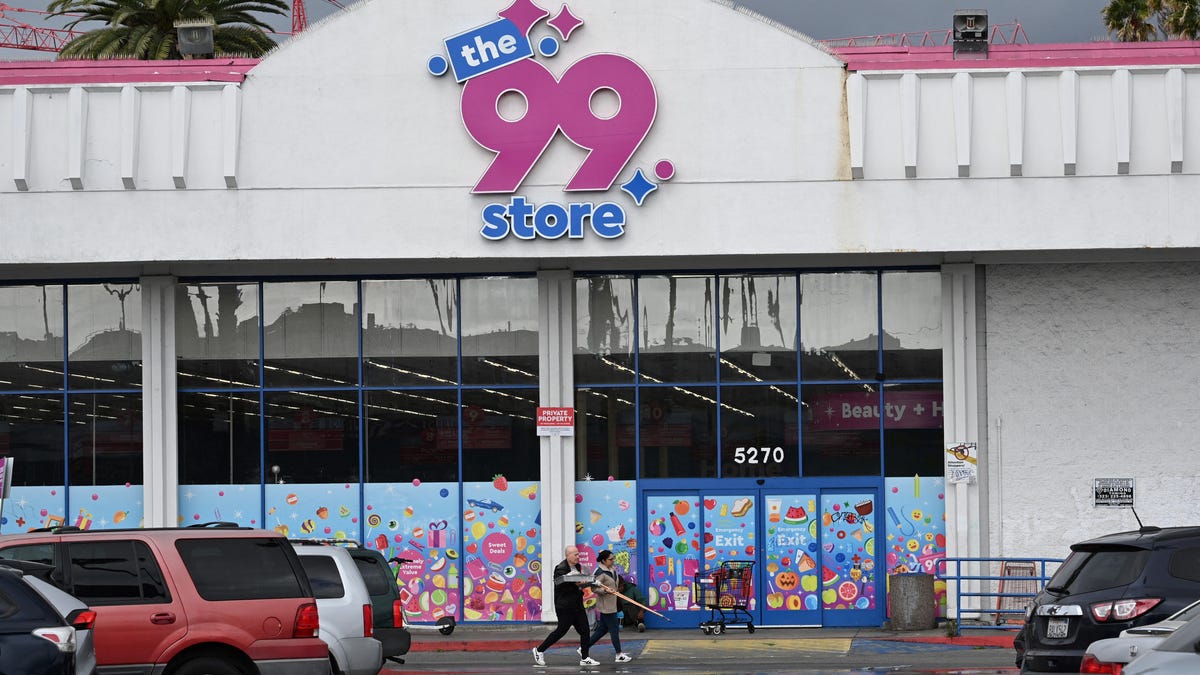
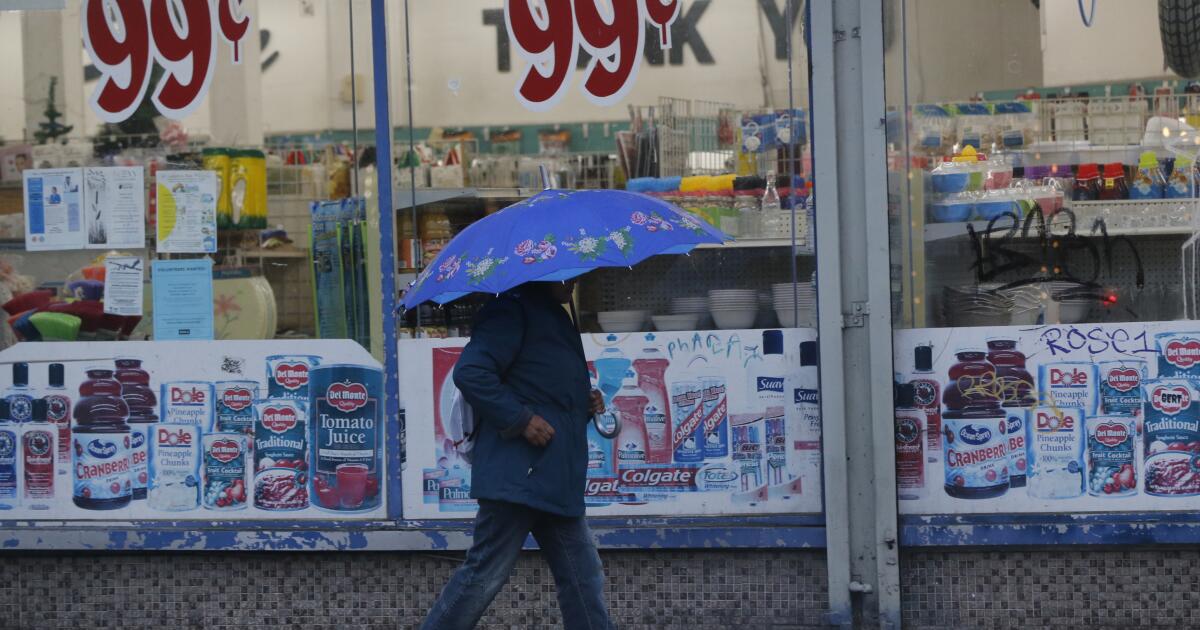
Dollar stores, once a staple for cheap goods, are facing closures and economic challenges. California-based 99 Cents Only is shutting down all 371 locations, citing inflation and shifting consumer demand. Dollar Tree is closing nearly 1,000 stores, while Dollar General continues to expand. Big retailers like Target and Walmart are slashing prices to attract budget-conscious shoppers, and stores like Five Below are setting higher price limits. The future of dollar stores remains uncertain amid rising costs and changing market dynamics.
Dollar stores like 99 Cents Only Stores and Family Dollar are closing hundreds of locations due to economic challenges, mismanagement issues, and increased competition. Dollar General, however, is expanding, particularly in rural areas, and is seen as a better-run company. Despite the closures, experts believe that the dollar store format will continue to expand, although some communities are resisting their expansion due to concerns about limited access to healthy food options.
99 Cents Only Stores, with 371 locations in California, Arizona, Nevada, and Texas, is closing down after over four decades due to challenges in the retail environment, including the impact of the COVID-19 pandemic, shifting consumer demand, inflationary pressures, and rising levels of shrink. The privately held company will liquidate its merchandise and dispose of fixtures, furnishings, and equipment, with sales expected to begin soon. This decision reflects broader weaknesses in the dollar-store category, with other retailers like Dollar Tree also announcing store closures.
City officials in places like Tulsa, Cleveland, and Chicago are celebrating the closure of nearly 1,000 Family Dollar stores, citing concerns about the negative impact of dollar store proliferation on low-income communities. They hope the closures will prompt cities to attract independent supermarkets and alternative retail options. Critics argue that dollar store chains have led to a decline in grocery stores and fresh produce consumption in low-income areas. While Dollar General and Dollar Tree oppose the restrictions, local leaders advocate for revitalizing mom-and-pop stores and strengthening antitrust enforcement to support independent grocers.
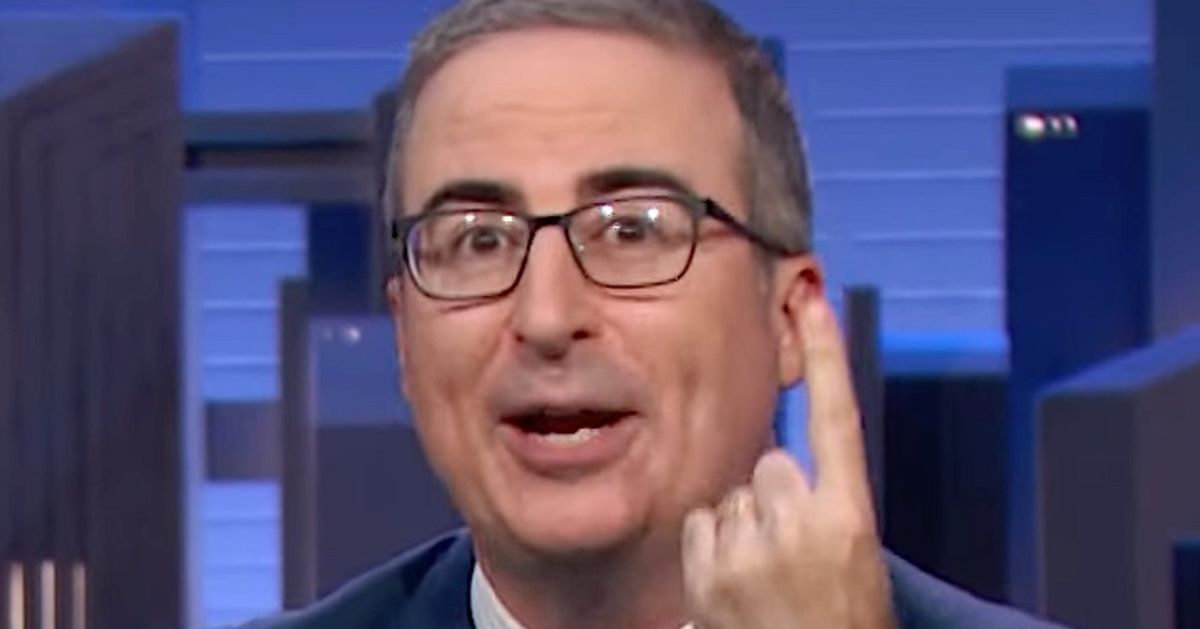
John Oliver criticizes Dollar Tree and Dollar General, the two major players in the dollar store market, for their poorly managed and trashed stores. He highlights the disgraceful treatment of retail employees, who are often poorly paid and subjected to unsafe working conditions. Oliver shares videos showing overwhelmed employees and customers stepping in to help. He concludes with a mock promotional video highlighting the negative aspects of dollar stores.
Dollar stores are displaying warning signs on consumer spending as they face challenges in the retail industry. These stores, known for their low-cost products, are experiencing a decline in sales and struggling to attract customers. This decline in consumer spending at dollar stores could be an indicator of broader economic challenges and changing consumer behavior.
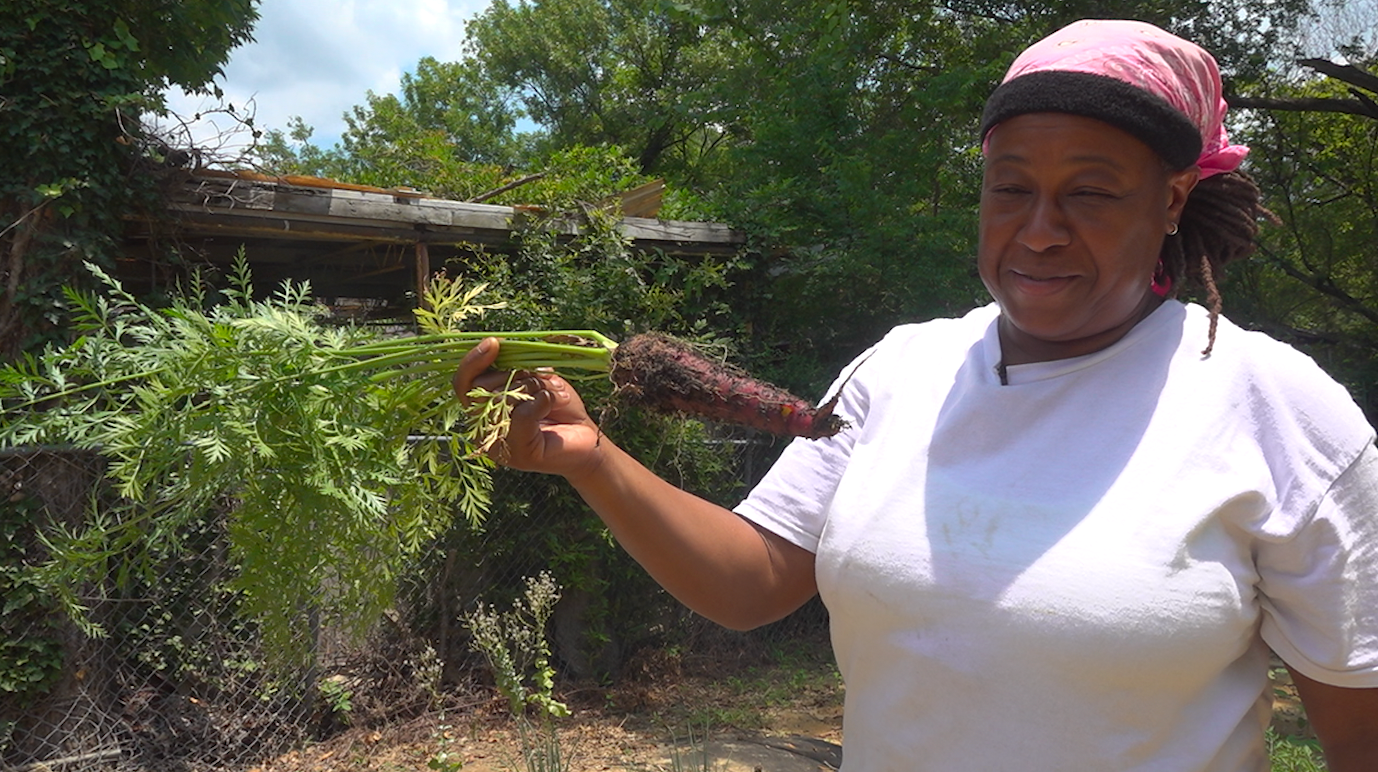
Several rural and low-income communities across the US are facing limited access to healthy foods due to permanent closures of grocers. Jackson, Mississippi, the state's largest city, has only one Walmart, one Kroger, and one Whole Foods covering a 100-mile radius. The recent closure of Food Depot in West Jackson has put several neighborhoods at risk of becoming food deserts unless another grocer moves in. Dollar stores are being blamed for pushing larger grocers out of urban and rural areas. With limited food access, 1 in 5 people in Jackson are considered "food insecure." However, residents like Norma Michael have started community gardens to provide healthy food options to their neighbors.
Many cities have banned new dollar stores from opening up in hopes of attracting grocery stores. This report examines whether such bans have worked in New Orleans and Birmingham.
Seven dollar-store retailers in Maine, including Dollar General, Family Dollar, and Dollar Tree, have been fined tens of thousands of dollars for federal safety violations since 2017, with three of the cases occurring this year. Many of the penalties were for fire- and safety-related hazards, including blocked exits, dangerous shelving, and outdated fire extinguishers. The businesses were also cited for unsafe conditions involving chemicals, including exposure and improper employee training. The settlements usually resulted in a lower amount than the initial fines.