A Brazilian favela, Vila Nova Esperança, facing eviction, turned to environmental sustainability by creating a community garden, which fostered local involvement, improved living conditions, and gained recognition, helping residents resist displacement and promote urban greening.
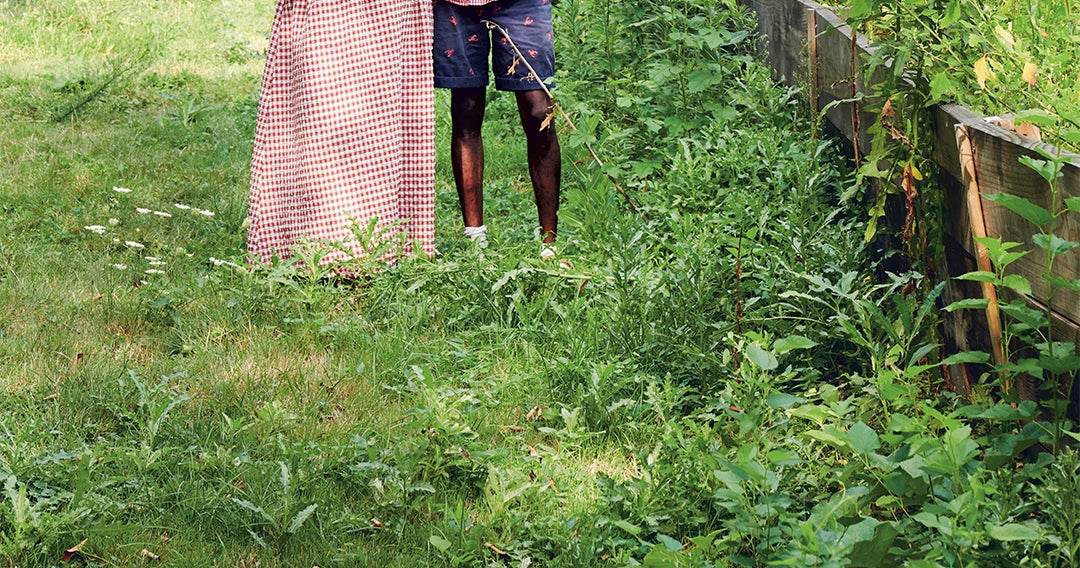
Kamaria Gray and Dakarai Carter, a couple from Detroit, purchased a $110,000 home with a small greenhouse and an acre of land, envisioning it as a gardening-based conduit for growth and connection with their neighborhood. They aim to address the scarcity of fresh food resources in their area by growing their own food and teaching others to do the same. The couple plans to use their house as a gathering space to educate their community on sustainable living and create a solution to the problem of limited access to fresh food.
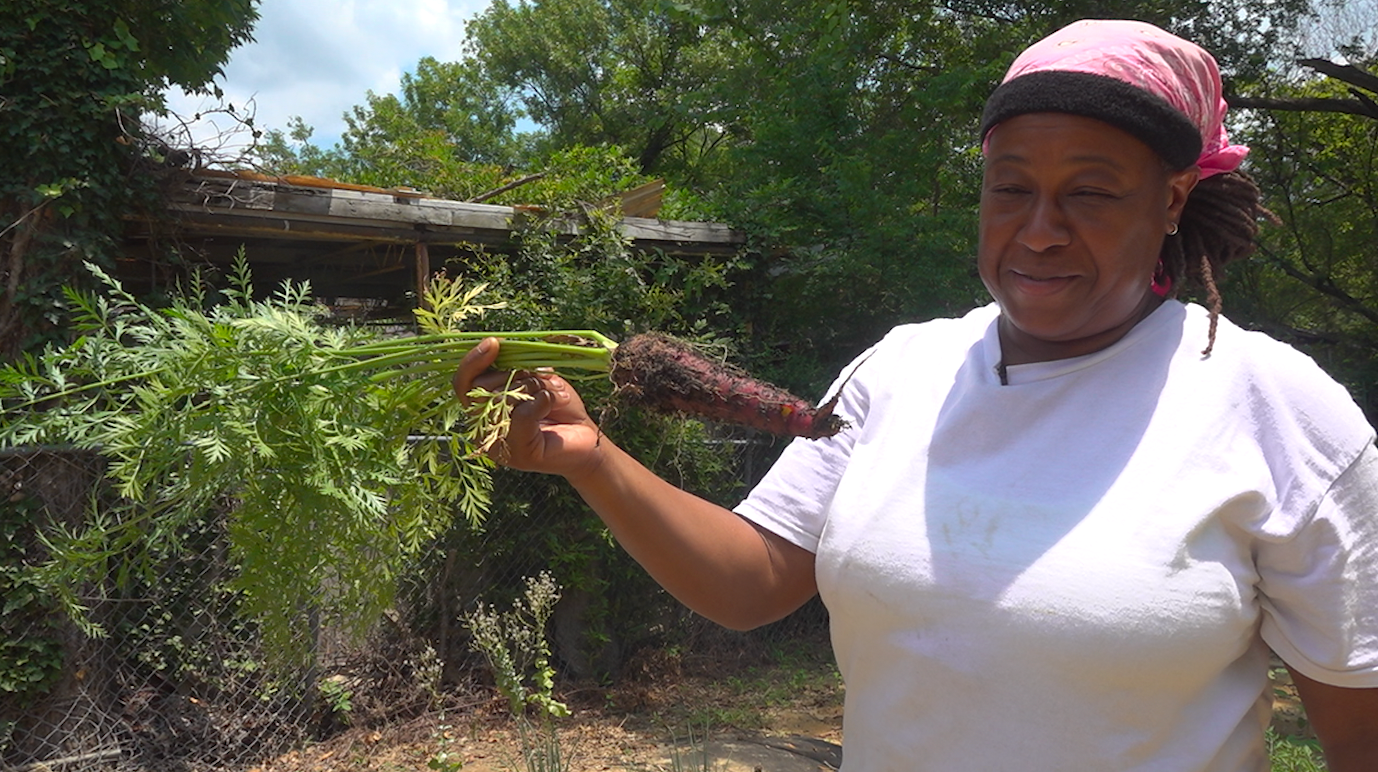
Several rural and low-income communities across the US are facing limited access to healthy foods due to permanent closures of grocers. Jackson, Mississippi, the state's largest city, has only one Walmart, one Kroger, and one Whole Foods covering a 100-mile radius. The recent closure of Food Depot in West Jackson has put several neighborhoods at risk of becoming food deserts unless another grocer moves in. Dollar stores are being blamed for pushing larger grocers out of urban and rural areas. With limited food access, 1 in 5 people in Jackson are considered "food insecure." However, residents like Norma Michael have started community gardens to provide healthy food options to their neighbors.