Newly unsealed court records reveal over $1 billion in suspicious transactions by Jeffrey Epstein with Wall Street figures and related entities, shedding light on his financial dealings and connections, amid ongoing investigations and legal settlements.
JP Morgan warned the US government in 2019 about over $1 billion in transactions linked to Jeffrey Epstein, some possibly related to human trafficking, involving prominent figures, but no charges have been filed against those named. The bank's alerts, filed during the Trump administration, highlight concerns about Epstein's financial activities and relationships with influential individuals.
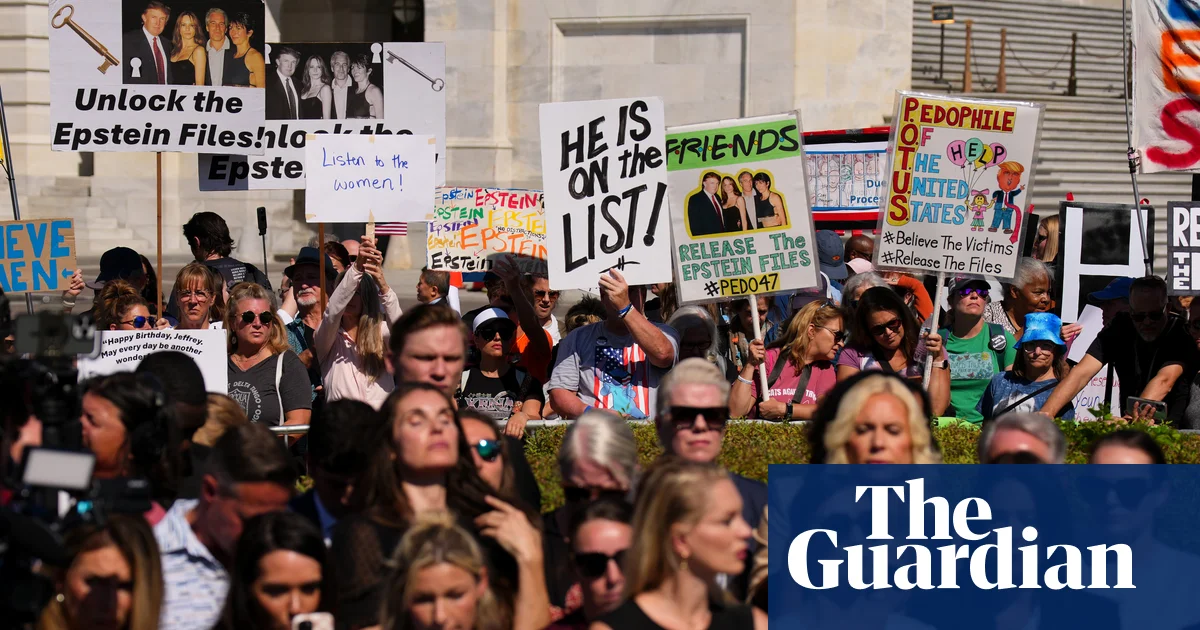
The release of Jeffrey Epstein's estate records and suspicious activity reports to US lawmakers could shed light on his connections and financial dealings, but political and legal hurdles may limit the disclosure of full information, leaving many questions about his network and crimes unanswered.
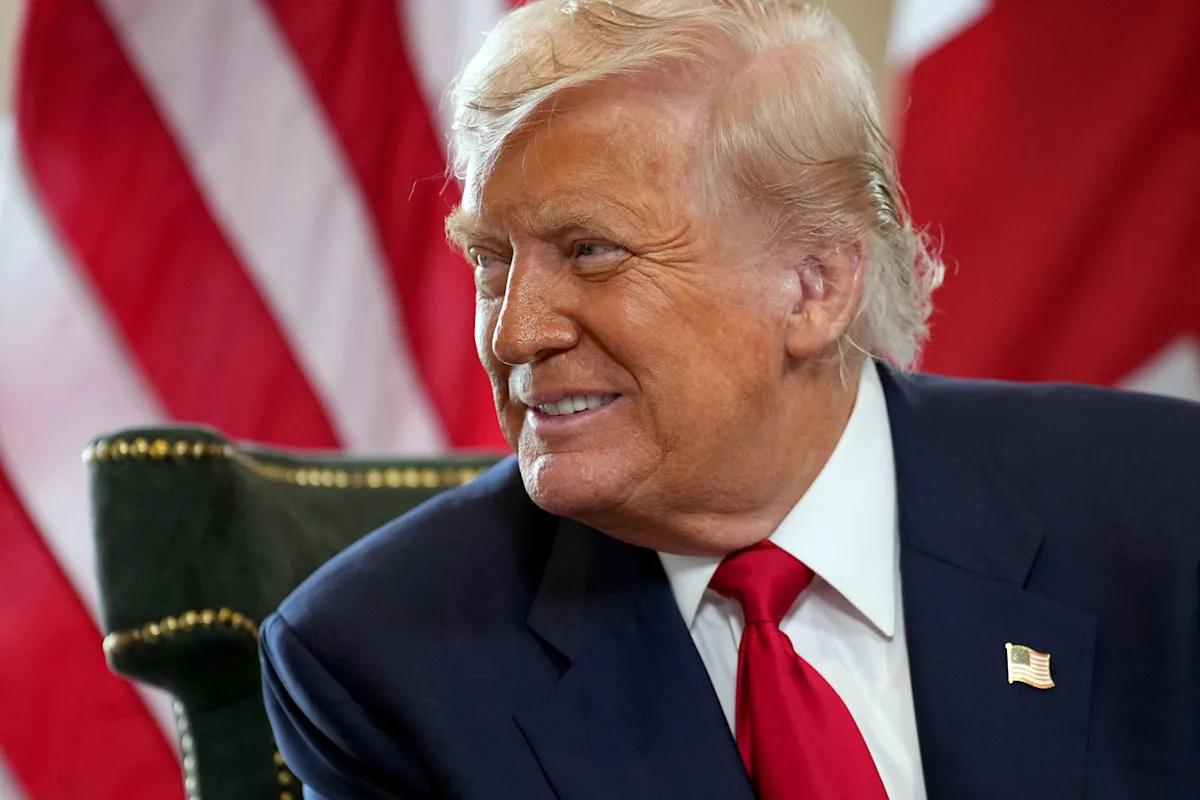
Since taking office in January, President Donald Trump has purchased over $103 million in corporate and municipal bonds, including investments in major banks and corporations, raising questions about the implications of his active trading and potential conflicts of interest, though officials claim these transactions are managed independently of him.
The Biden Administration has admitted to surveilling Americans' private financial transactions for words like 'MAGA', 'Trump', and 'Kamala' following the January 6 riots, instructing banks to search for 'extremists' and specifically targeting Trump supporters, outdoor store shoppers, and those purchasing religious texts. This revelation has sparked outrage and demands for answers from Republicans, with Treasury Secretary Janet Yellen pledging to investigate the matter. The surveillance, conducted through the Treasury's Financial Crimes Enforcement Network (FinCEN), has raised concerns about privacy violations and improper targeting of U.S. citizens exercising their constitutional rights.
Hunter Biden received $4.9 million from Hollywood lawyer Kevin Morris over a three-year period, according to an IRS agent who investigated him for alleged tax evasion. The revelation comes as House Republicans near an expected vote to authorize an impeachment inquiry into President Biden for his alleged role in his family's foreign dealings. The authenticity of Hunter and Morris' friendship and Morris' motives for financially assisting him are debated by Republicans. Hunter's income from Morris, some of which was deemed loans, mirrors his pattern of attempting to avoid paying taxes on other income. The IRS agent who investigated Hunter's taxes, Joseph Ziegler, was removed from the case after alleging a cover-up and preferential treatment for the first family. A Los Angeles grand jury is reportedly considering tax charges against Hunter, and Republicans have also raised questions about loans involving James Biden, the president's brother.
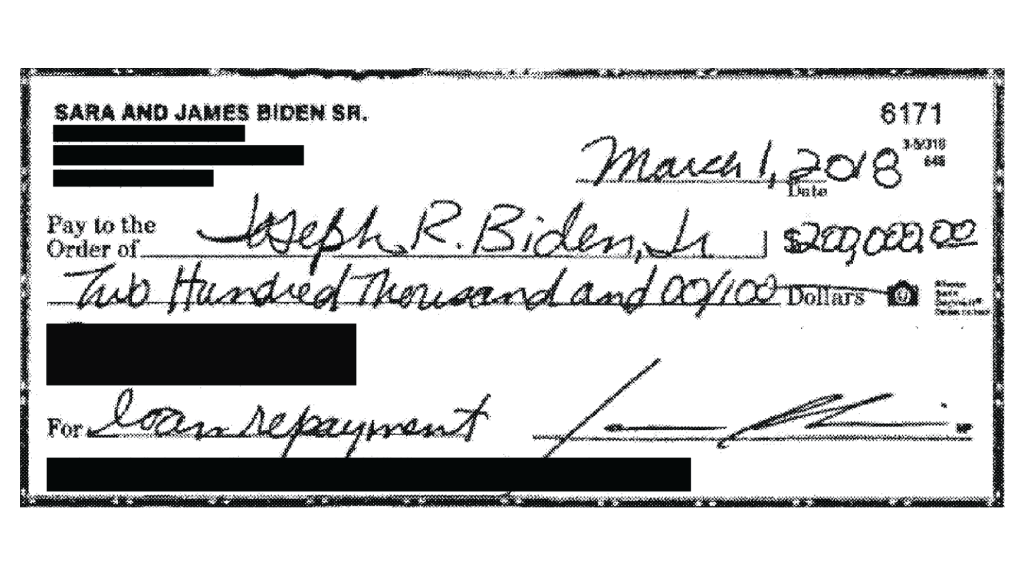
The House Committee on Oversight and Accountability has obtained bank records revealing a $200,000 direct payment from James and Sara Biden to Joe Biden in the form of a personal check. The payment raises questions about how President Biden personally benefited from his family's financial dealings and access to him. James Biden had received $600,000 in loans from a financially distressed rural hospital operator, and on the same day he received a $200,000 loan, he wrote a check for the same amount to Joe Biden. The committee is calling on President Biden to provide documents and answer questions about these financial arrangements.
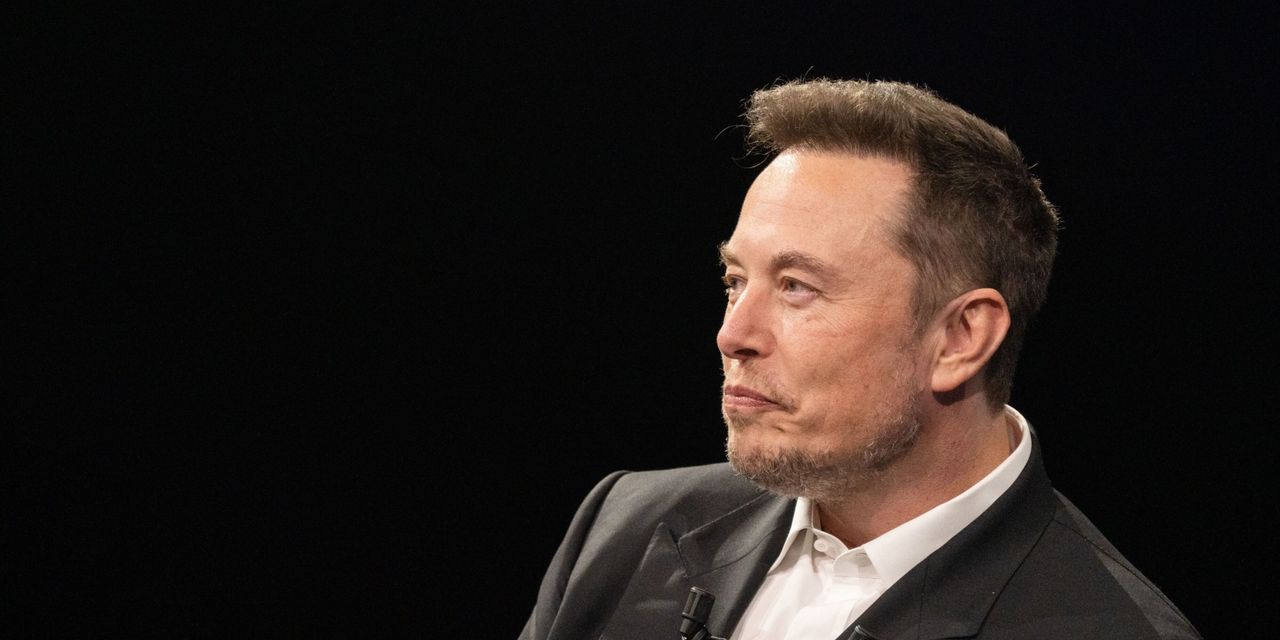
Elon Musk borrowed $1 billion from SpaceX in the same month that he acquired Twitter, according to a news exclusive by The Wall Street Journal. The loan highlights the interconnected financial transactions between Musk's various ventures and raises questions about the potential conflicts of interest.
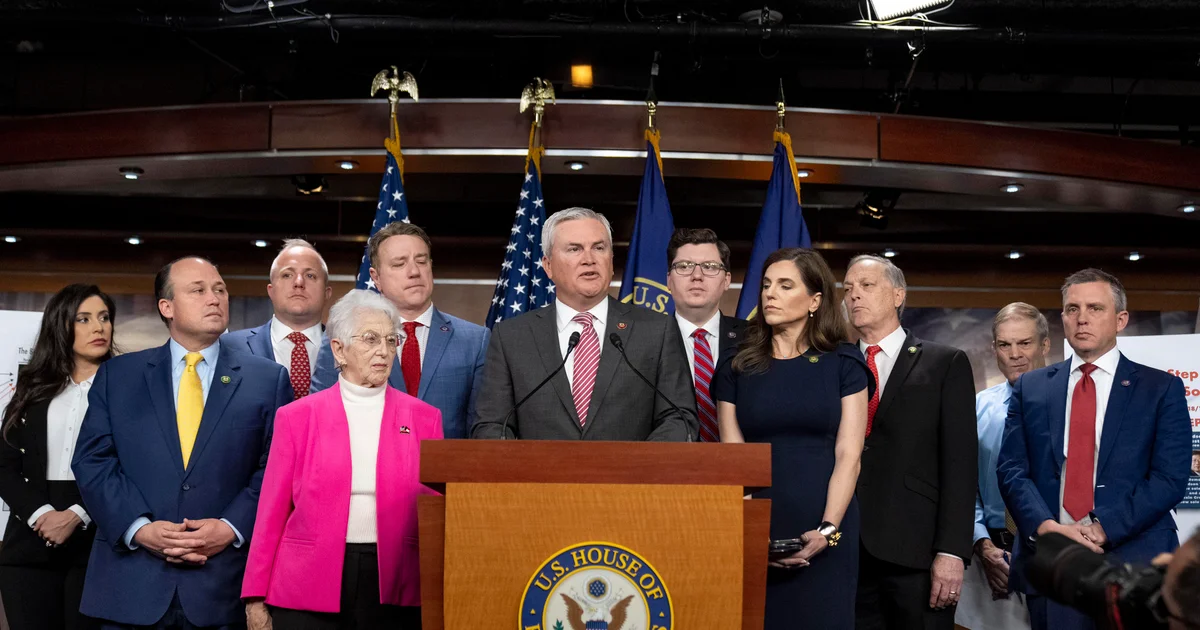
The House Oversight Committee released an interim report stating that some members of the Biden family received over $10 million from foreign entities, including payments made during and after President Joe Biden's vice presidency. The report accused some Biden family members and associates of using a "complicated network" of more than 20 companies to "conceal large financial transactions." The White House countered that GOP investigators could not point to a "single Joe Biden policy" that was unduly influenced. House Republicans insisted their inquiry has several legislative aims behind it, including addressing "deficiencies" in ethics and disclosure laws.
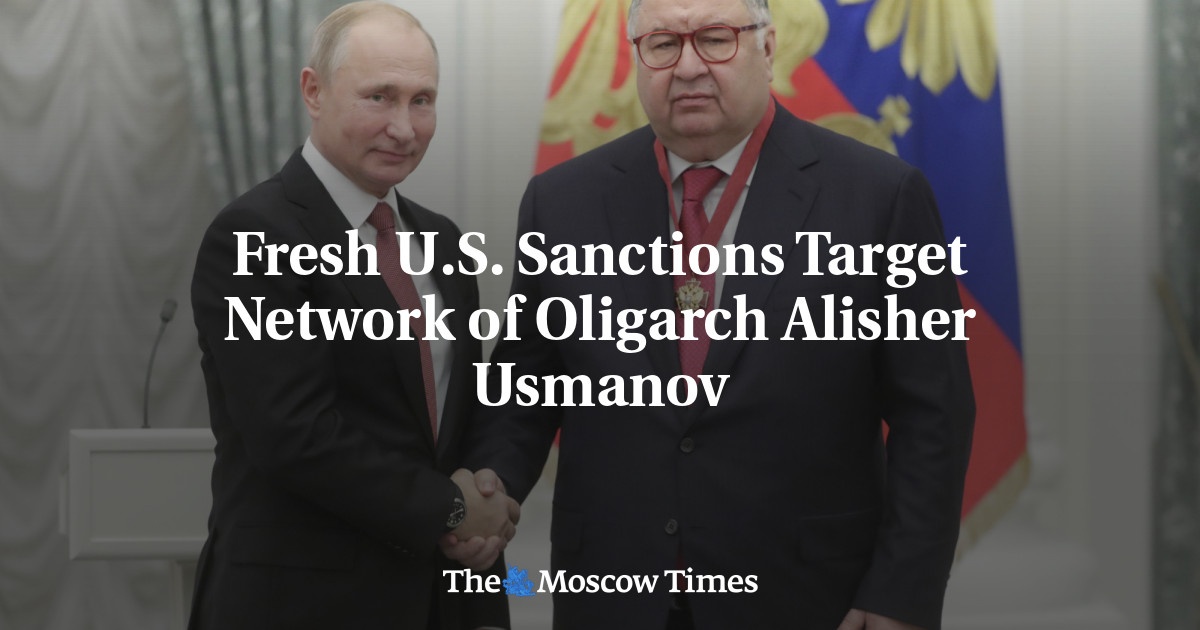
The US Treasury Department has imposed sanctions on 29 companies and 25 individuals linked to the Russian government over the invasion of Ukraine, including Russian-Uzbek billionaire Alisher Usmanov's network of businesses. Usmanov, who is believed to be close to Russian President Vladimir Putin, has been subject to sanctions for over a year, but the US Treasury said he still had a wide network of businesses and family members through which to conduct financial transactions, enabling him to potentially circumvent sanctions.
Governor J.B. Pritzker has expressed his opposition to a tax on financial transactions proposed by Chicago's mayor-elect, Brandon Johnson, as part of his $450 million tax plan to stabilize the city's finances. Pritzker believes that such a tax would prompt financial services companies to relocate their operations or computer servers. However, Pritzker did not reject Johnson's proposal for an additional levy on high-end real estate transactions. Johnson has endorsed a plan to raise the real estate transfer tax for properties of at least $1 million to fund permanent housing and homeless services.
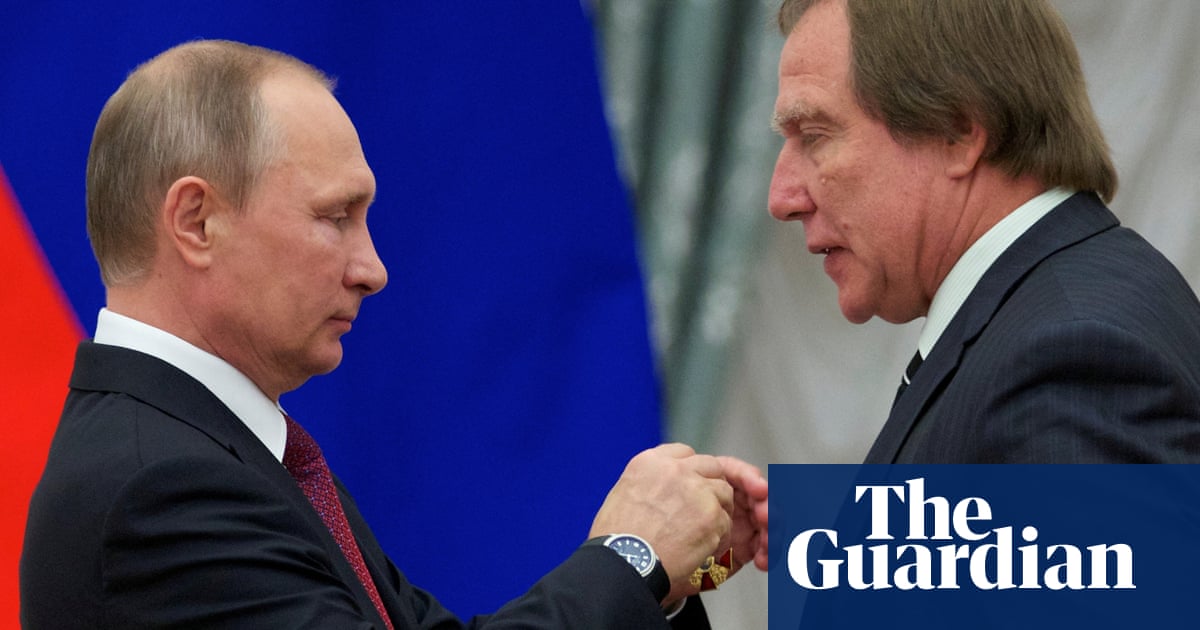
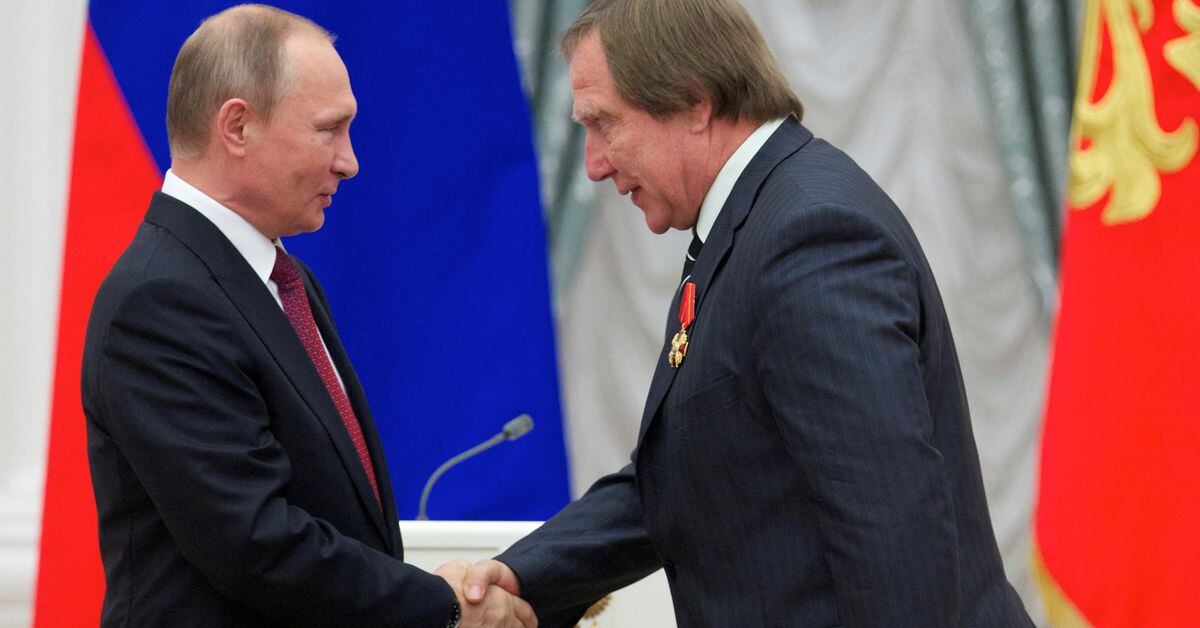
Four bankers, including three Russians and one Swiss, have been convicted of failing to perform due diligence in financial transactions and helping a close friend of Russian President Vladimir Putin move millions of dollars through Swiss bank accounts. The friend, Sergey Roldugin, a concert cellist dubbed "Putin's wallet," deposited millions of francs in Swiss bank accounts between 2014 and 2016. The bankers were fined a total of 741,000 Swiss francs ($809,000) and were found guilty of helping Roldugin operate two bank accounts at Gazprombank in Zurich without conducting sufficient checks.
Four bankers, including three Russians and one Swiss, have been convicted of lacking diligence in financial transactions for helping Sergei Roldugin, a close friend of Vladimir Putin, move millions of francs through Swiss bank accounts. Roldugin, who is godfather to Putin’s eldest daughter, has been dubbed “Putin’s wallet” by the Swiss government. The men helped Roldugin deposit millions of francs in Swiss bank accounts between 2014 and 2016 without conducting sufficient checks. The case highlighted how people like Roldugin were used as “strawmen” to hide the true owners of money.
Four bankers, including three Russians and one Swiss, have been convicted of lacking diligence in financial transactions for helping Sergey Roldugin, a close friend of Vladimir Putin, move millions of francs through Swiss bank accounts. Roldugin, who is godfather to Putin's eldest daughter, has been dubbed "Putin's wallet" by the Swiss government. The men helped Roldugin deposit millions of francs in Swiss bank accounts between 2014 and 2016 without conducting sufficient checks. The case highlights how people like Roldugin were used as "strawmen", a way to hide the true owners of money.
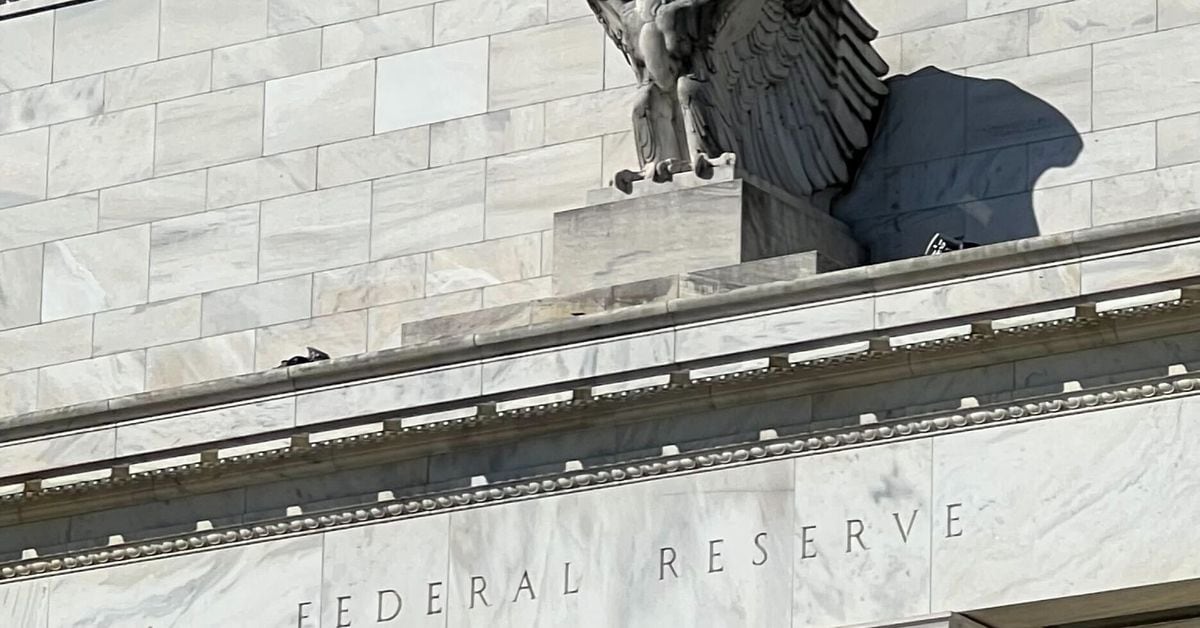
The US Federal Reserve is launching its real-time payments system, FedNow, in July, which will provide immediate access to funds and solve existing delays for clearing financial transactions between institutions. The system will operate around the clock and is seen as a potential precursor to a central bank digital currency (CBDC). However, the service could also undermine one of the key strengths of a digital dollar – the ability to transfer instantly. The banking industry had already launched its own RTP network in 2017.