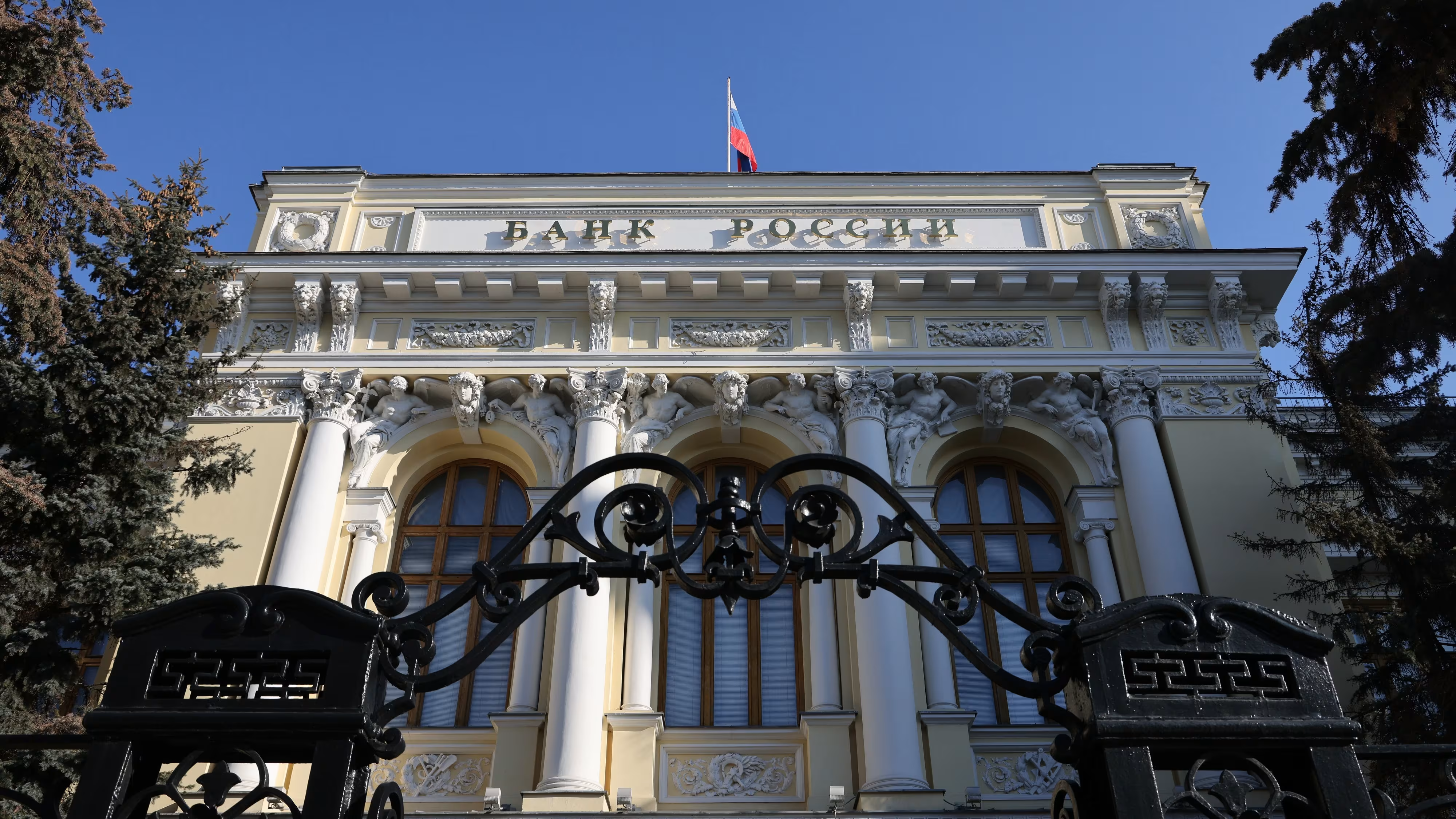
Telegram has been affected by a Russian government move to freeze $500 million in bonds, highlighting ongoing financial sanctions and tensions between Russia and international markets.
The EU and US have frozen approximately $300 billion of Russian sovereign assets following Russia's invasion of Ukraine, and are now considering how to utilize these funds to support Ukraine, amid ongoing financial and military aid efforts.
North Korean hackers have stolen over $2 billion in cryptocurrency this year, primarily targeting high-net-worth individuals, with the total regime-linked crypto theft surpassing $6 billion since 2017, funding North Korea's nuclear and missile programs, according to researchers.
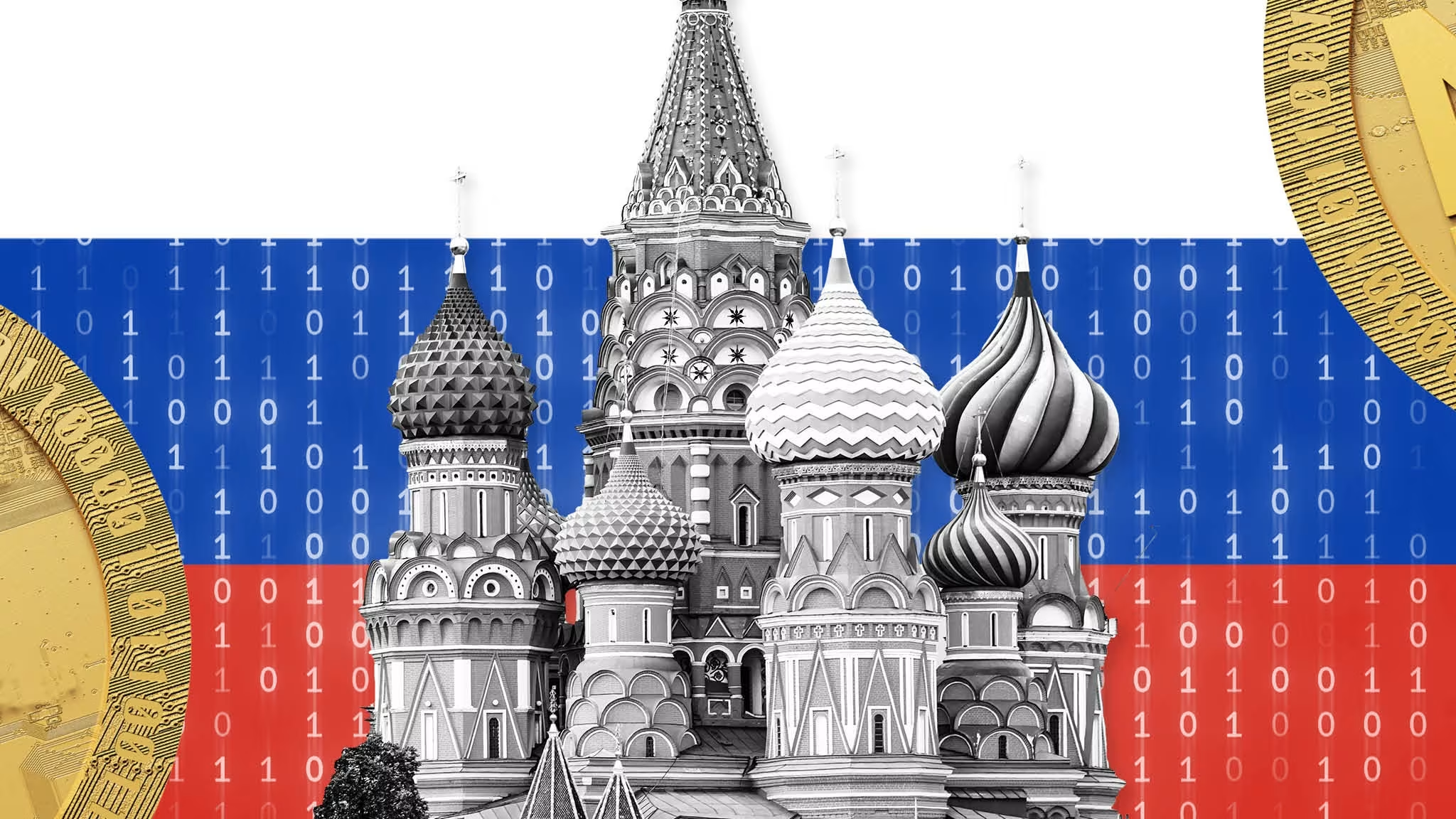
A Kremlin-backed cryptocurrency has moved $6 billion despite US sanctions, highlighting ongoing challenges in regulating and controlling digital assets linked to geopolitical entities.
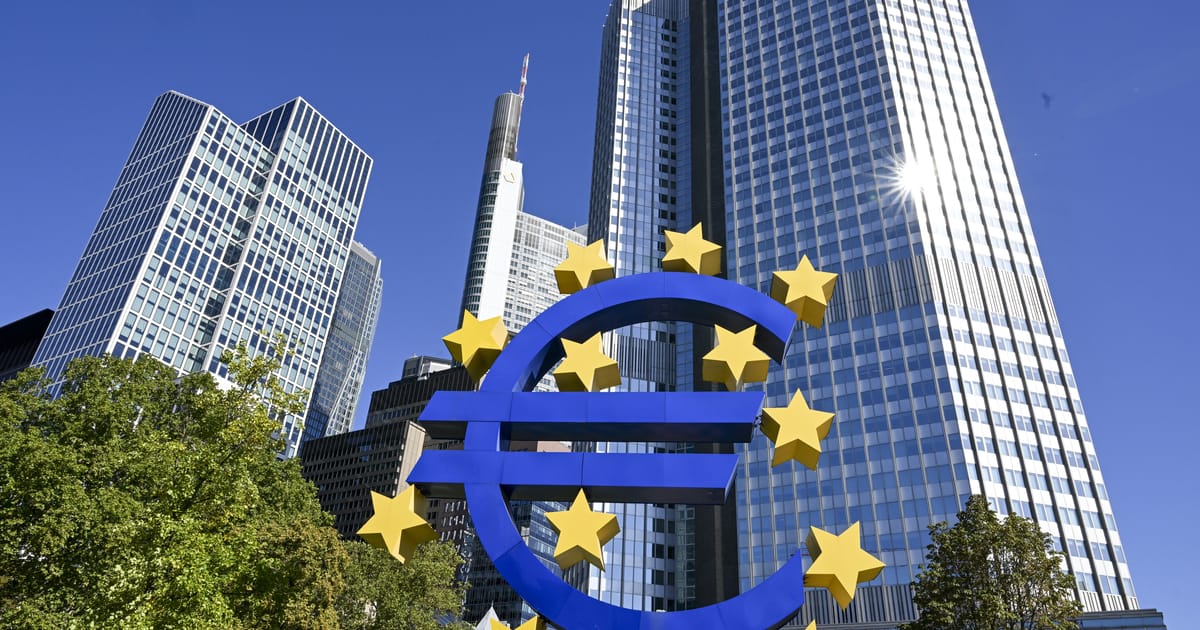
The upcoming G7 finance ministers' meeting will focus on coordinating efforts to seize Russian assets, with the EU, UK, and Canada considering using frozen Russian funds to support Ukraine, amid concerns over legal and reputational risks and efforts to ensure the stability of the euro.
Belgium is considering softening its stance on freezing Russian assets if the European Union shares the risk, indicating potential changes in the EU's approach to sanctions related to the Russia-Ukraine conflict.
The US Department of the Treasury has sanctioned a North Korean-led fraud network involved in funding DPRK weapons programs through cyber schemes, including the use of cryptocurrency and fraudulent IT worker operations, targeting American and international companies to generate revenue for North Korea's missile and WMD programs.
Israeli Finance Minister Bezalel Smotrich ordered the cancellation of a waiver that allowed Palestinian banks to process shekel payments, potentially cutting them off from the Israeli financial system and risking the collapse of the Palestinian Authority, amid tensions and sanctions related to incitement and delegitimization campaigns.
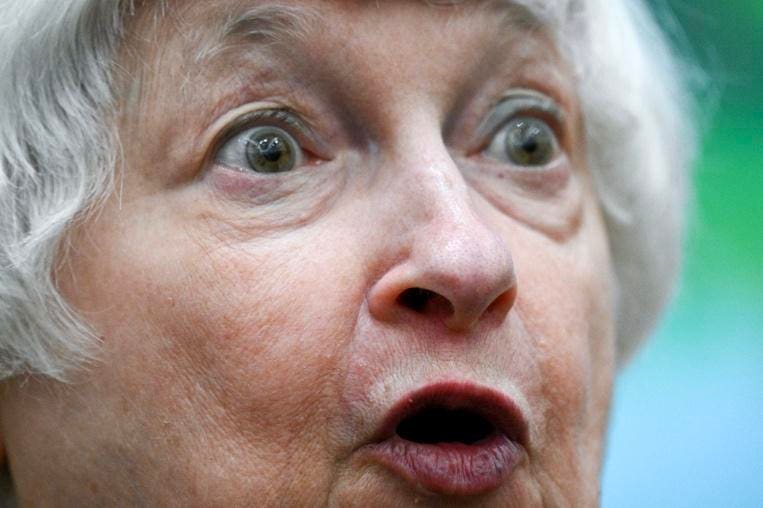
U.S. Treasury Secretary Janet Yellen has expressed concerns about the declining dominance of the U.S. dollar due to increasing global debt and financial sanctions, as countries like Russia turn to bitcoin and cryptocurrencies. This comes amid predictions of a significant surge in bitcoin's price, fueled by expectations of Donald Trump's potential return to the White House and his favorable stance on crypto.
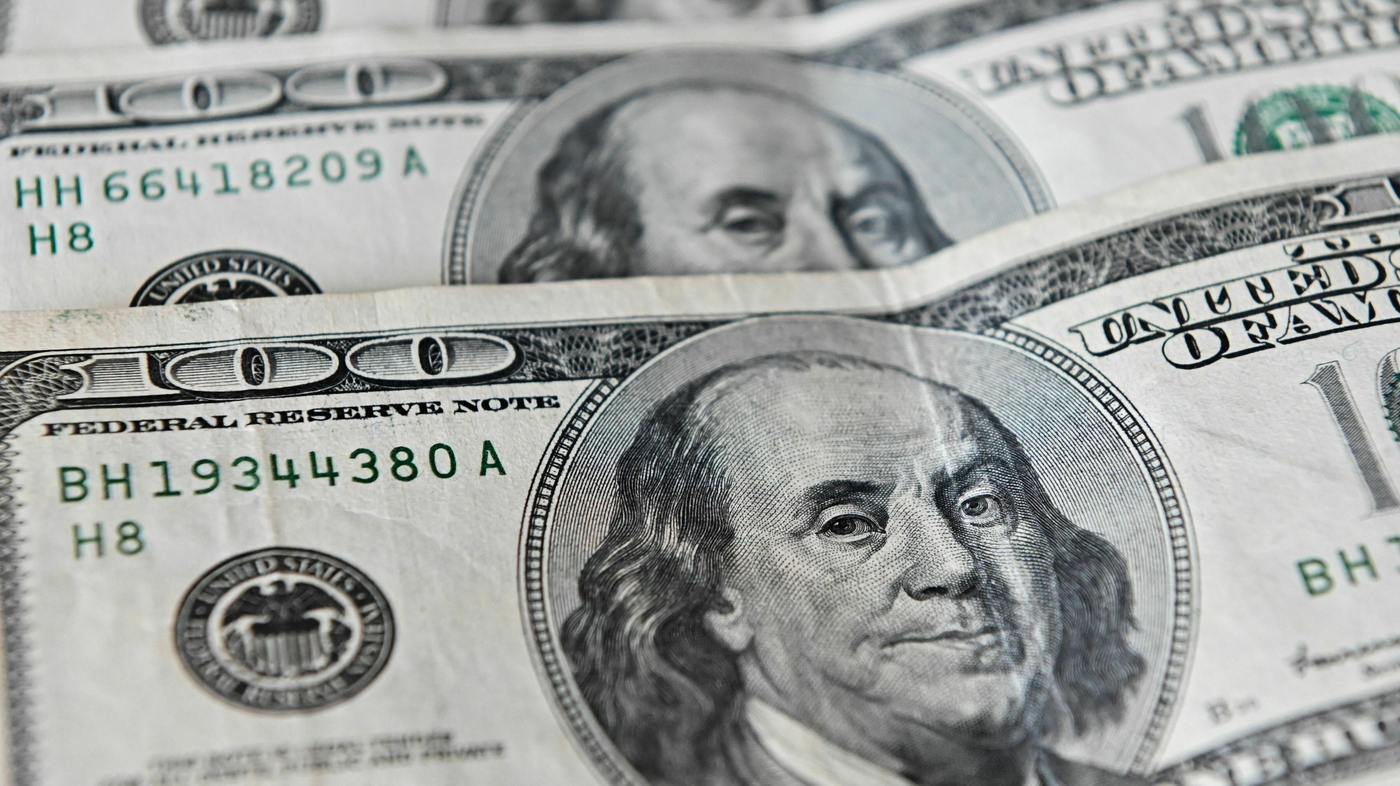
The US dollar has been the world's reserve currency for 80 years, but its dominance is being challenged by emerging currencies like the Chinese yuan and Russian ruble. The US dollar's status is at risk due to the increasing use of financial sanctions by the US government, which has prompted countries like China and Saudi Arabia to make trades in other currencies. While the dollar is not at immediate risk of losing its top spot, economists warn that momentum can change fast and the US needs to be careful.
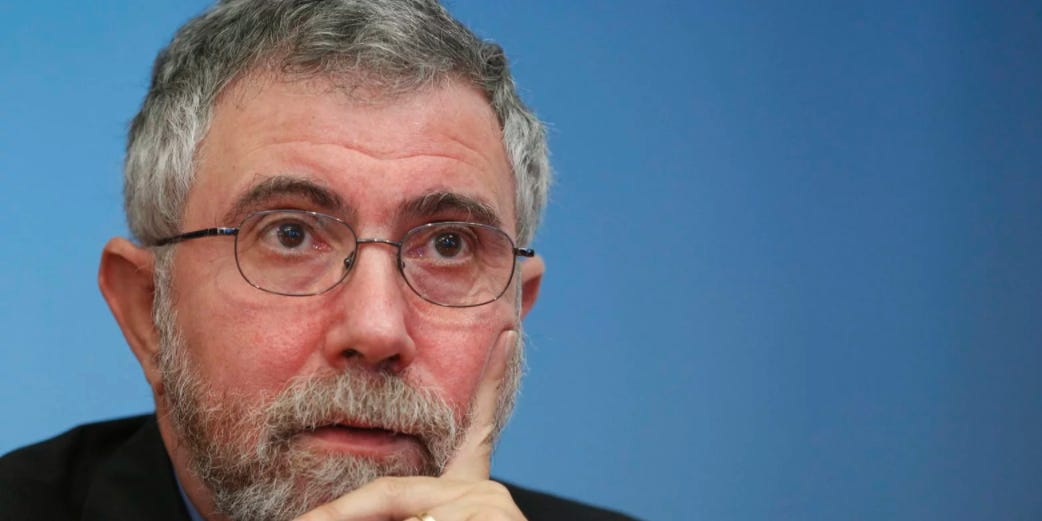
Nobel Prize-winning economist Paul Krugman said that the dollar's dominance of global trade and investment flows is overrated, and isn't worth more to America than "a fraction of 1% of its GDP". Krugman advised it would be best to ignore all the "dollar doomers" out there and instead question what "hyping of a nonissue says about their own judgment." He also criticized Elon Musk for being among those who are warning the US is "weaponizing" the dollar through financial sanctions and that such measures are threatening to undermine the greenback's supremacy.