A former Bank of America employee in Miami-Dade was arrested for allegedly stealing $500,000 from a disabled woman he knew, exploiting her trust and his position at the bank, after an internal investigation revealed his scheme.
AI technology is causing a surge in expense fraud, highlighting the need for increased digital security measures to combat financial crimes facilitated by artificial intelligence.
Originally Published 3 months ago — by Hacker News
A founder, Charlie Javice, was sentenced to seven years for fraud related to a sale to JPMorgan, highlighting issues in due diligence and the potential for large-scale financial scams, with discussions on the fairness of sentencing, the influence of elites, and the flaws in corporate oversight.
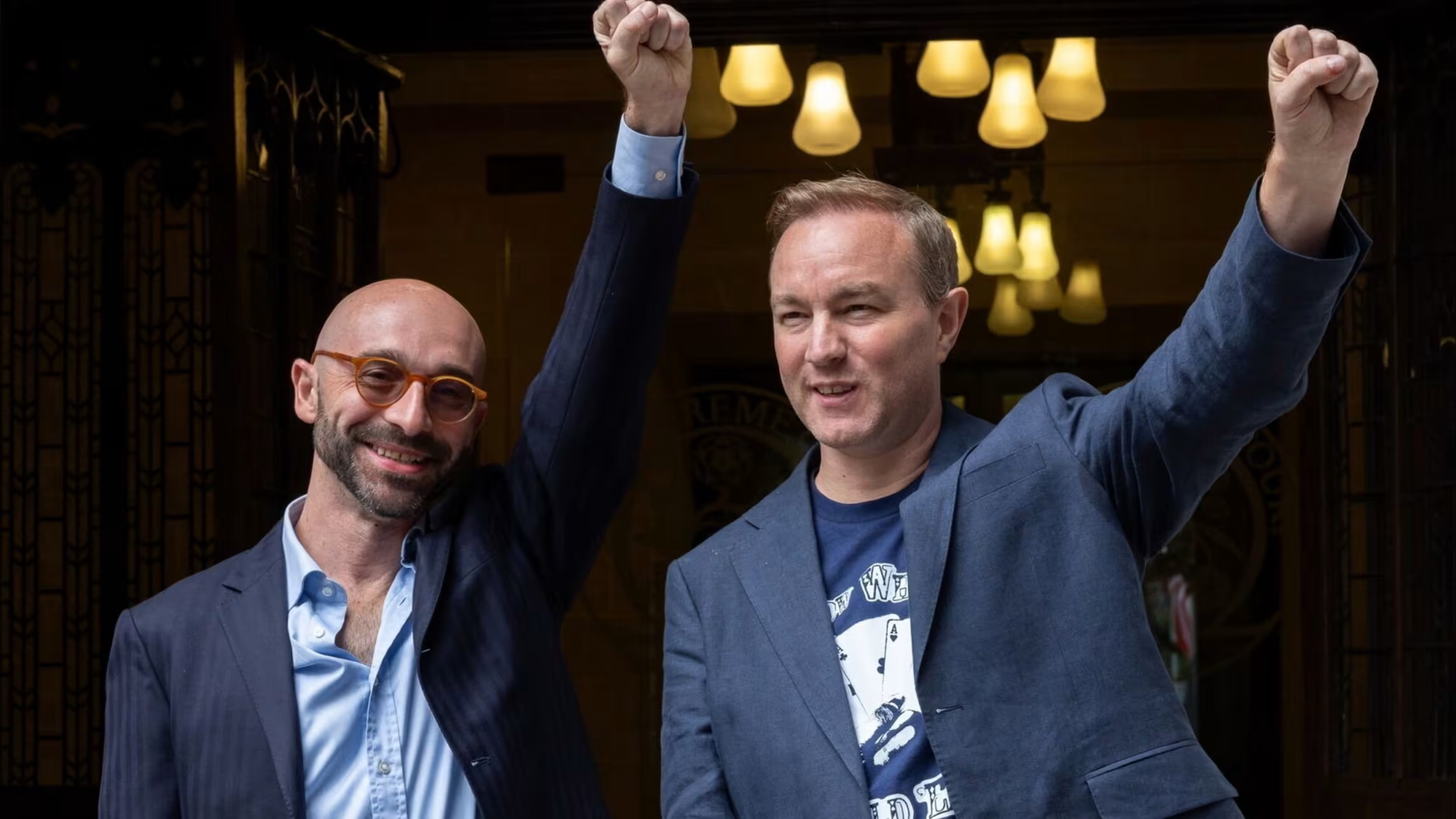
The article discusses the review of chat transcripts related to Tom Hayes following his exoneration, highlighting ongoing interest in his case and its implications for financial crime investigations.
A former HSBC currencies chief successfully had his fraud conviction overturned, highlighting a significant legal development in a financial crime case.
Police in Thailand arrested a woman for seducing and blackmailing Buddhist monks, leading to a major scandal involving financial misconduct and violations of monastic celibacy rules, with investigations revealing large sums of money transferred and used for gambling, prompting calls for law reforms and increased transparency in temples.
Tim Leissner, a former Goldman Sachs banker involved in the 1MDB scandal, has been sentenced to two years in prison after admitting guilt and cooperating with prosecutors. The scandal, involving billions stolen from Malaysia's sovereign wealth fund, led to multiple convictions including Malaysia's ex-prime minister and other financiers. Leissner expressed remorse and faced significant personal and professional consequences, marking a major milestone in the global investigation into the corruption scheme.
A Wall Street Journal investigation revealed that 24% of Morgan Stanley's international wealth-management accounts are flagged as high risk for money laundering, highlighting the bank's weak anti-money-laundering controls. This raises concerns about the ultrarich exploiting loopholes in the financial system. The issue is part of a broader global problem, with money laundering activities increasing significantly, particularly in Europe. Morgan Stanley has not commented on the allegations.
A Wall Street Journal investigation revealed that 24% of Morgan Stanley's international wealth-management accounts are flagged as high risk for money laundering, highlighting the bank's weak anti-money-laundering controls. This raises concerns about the ultrarich exploiting loopholes in financial systems. The issue of money laundering is widespread, with significant increases in Europe, and other banks like TD Bank have also faced penalties for similar failures.
UPS has agreed to pay a $45 million fine to the SEC for failing to properly value its UPS Freight business, which led to misrepresented earnings. The company will also implement compliance measures. Separately, BIT Mining will pay a $4 million fine for a bribery scheme aimed at influencing Japanese officials, violating the Foreign Corrupt Practices Act. The US Department of Justice has also imposed a $10 million criminal fine on BIT Mining, partially offset by the SEC penalty.
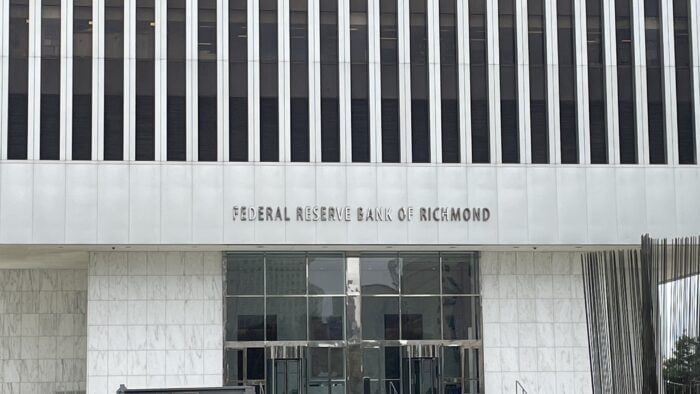
Robert Brian Thompson, a former bank examiner at the Federal Reserve Bank of Richmond, pleaded guilty to insider trading and false statements, admitting to a scheme where he illegally earned over $700,000 by trading stocks of financial institutions he oversaw. Using confidential information, Thompson made 69 trades involving stocks like Capital One and New York Community Bancorp, violating federal regulations prohibiting such trades by Fed employees. He faces up to 20 years in prison, with sentencing scheduled for March 19.
Exiled Chinese businessman Miles Guo has been convicted of racketeering conspiracy, securities fraud, wire fraud, and money laundering, after defrauding thousands of his followers. He faces decades in prison, and hundreds of millions of dollars in fraud proceeds have been seized.
The CFO of the Detroit Riverfront Conservancy, William A. Smith, has been charged with bank and wire fraud for allegedly embezzling nearly $40 million from the nonprofit, which aimed to revitalize Detroit's waterfront. Smith reportedly used the funds for personal luxury purchases, exploiting his exclusive control over the nonprofit's finances.
Standard Chartered, a major UK bank, is accused in US court documents of conducting billions of dollars in transactions for entities funding terrorist groups like Hezbollah and al-Qaeda, breaching sanctions against Iran from 2008 to 2013. Despite previous fines and deferred prosecution agreements, new evidence from whistleblowers suggests the bank's misconduct was more extensive than previously disclosed. The bank disputes these claims, which US authorities had earlier deemed "meritless."