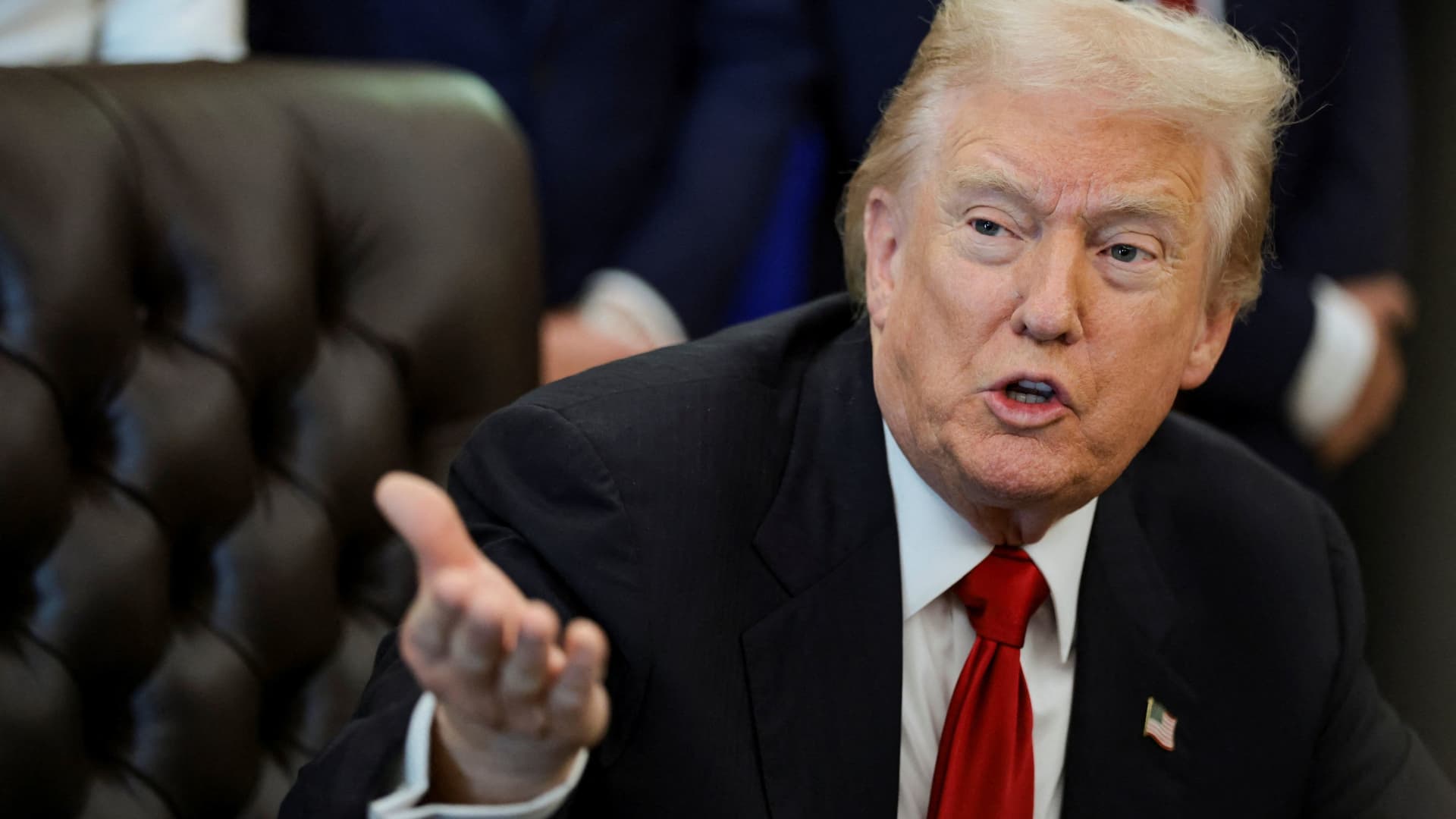
President Trump proposed that federal health insurance funds currently sent to insurers be redirected directly to Americans to improve healthcare access and end the government shutdown, amid ongoing legislative stalemate between Democrats and Republicans.
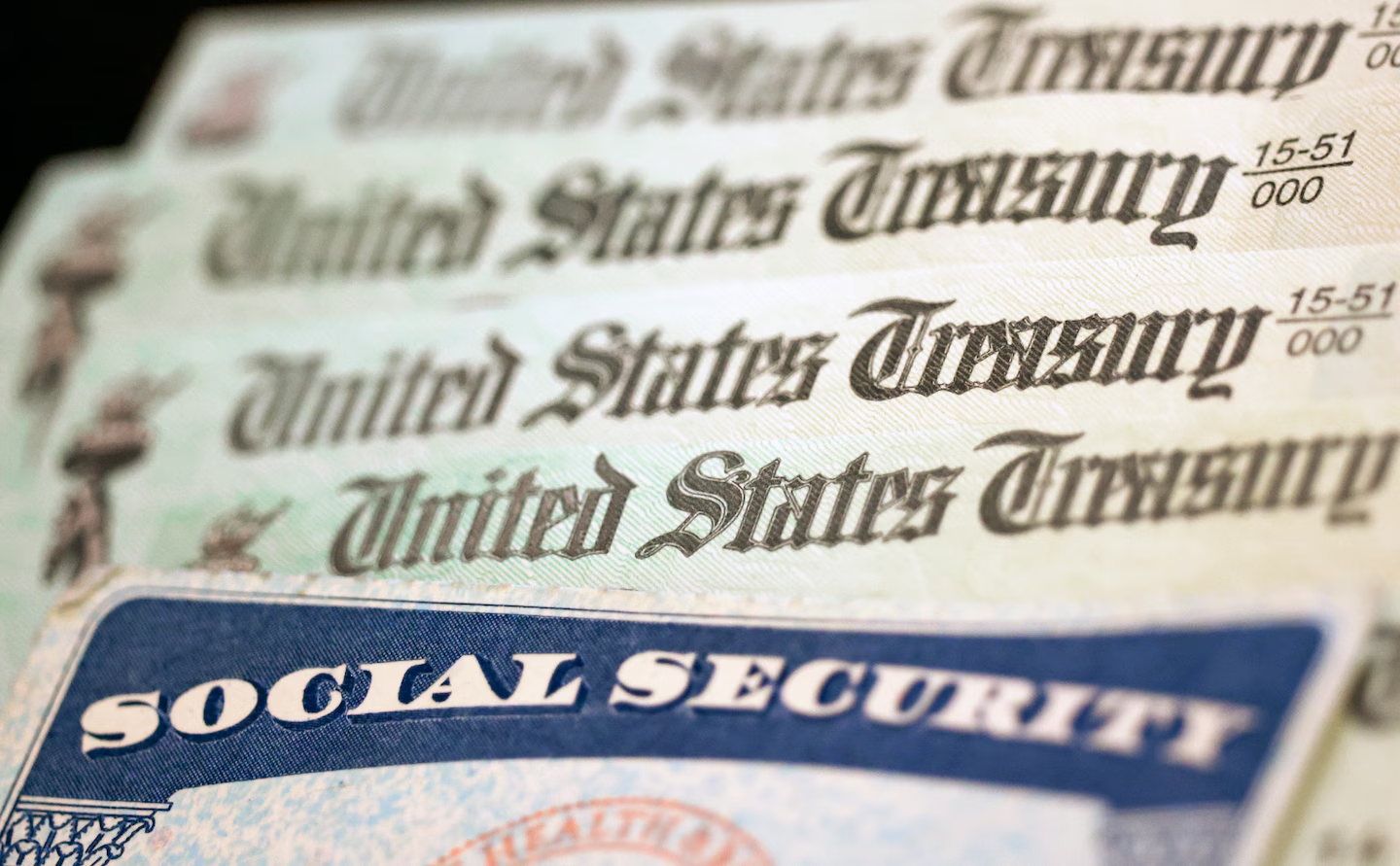
The U.S. Treasury Department will stop issuing paper checks for federal payments, including Social Security, by September 30, shifting to electronic payments to improve efficiency and reduce fraud, though concerns remain about the impact on vulnerable populations who rely on paper checks.
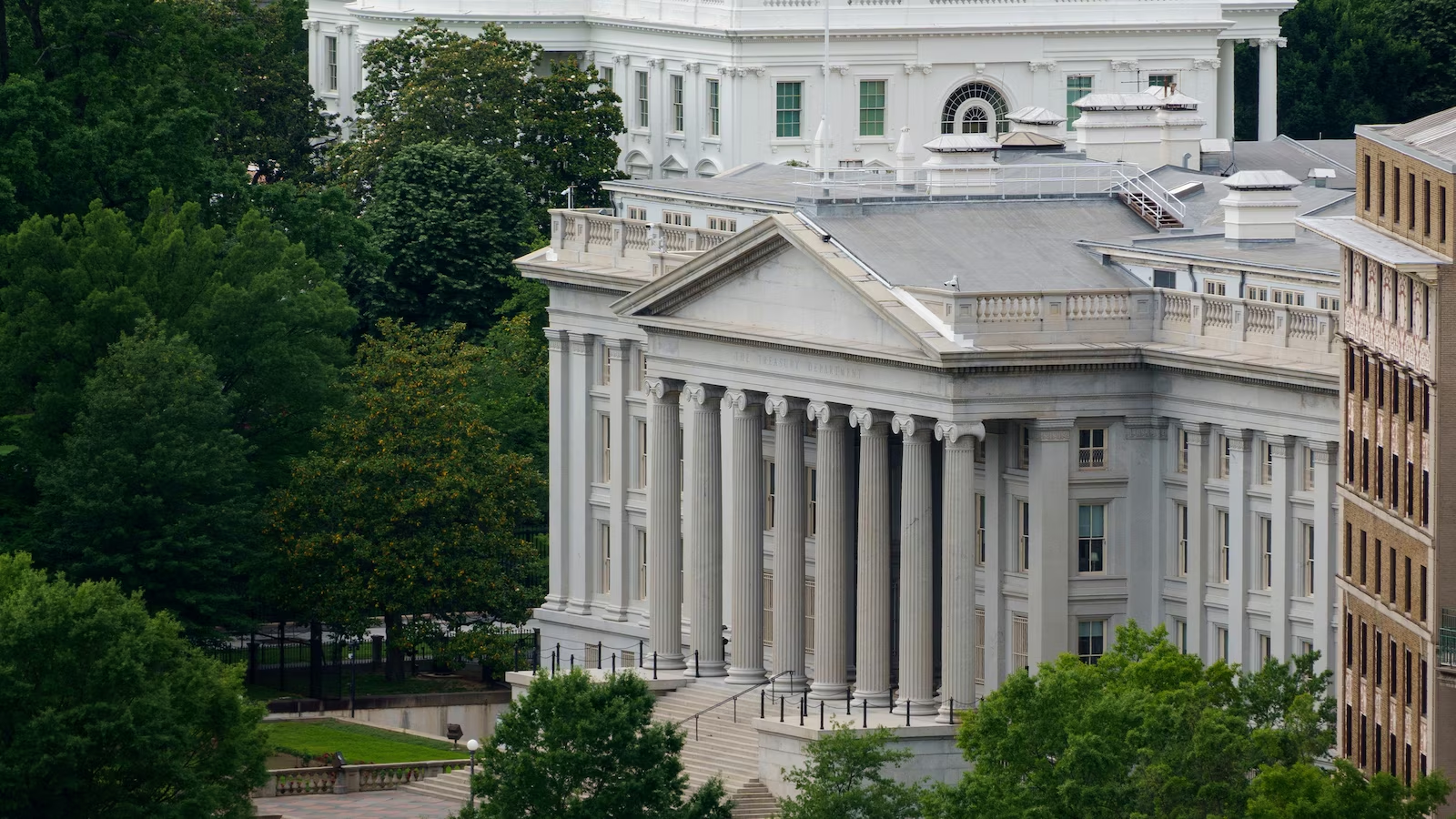
A U.S. federal judge approved DOGE employees' access to the Treasury Department's sensitive payment systems, marking a legal victory for DOGE and the Trump administration after previous legal challenges from Democratic attorneys general.
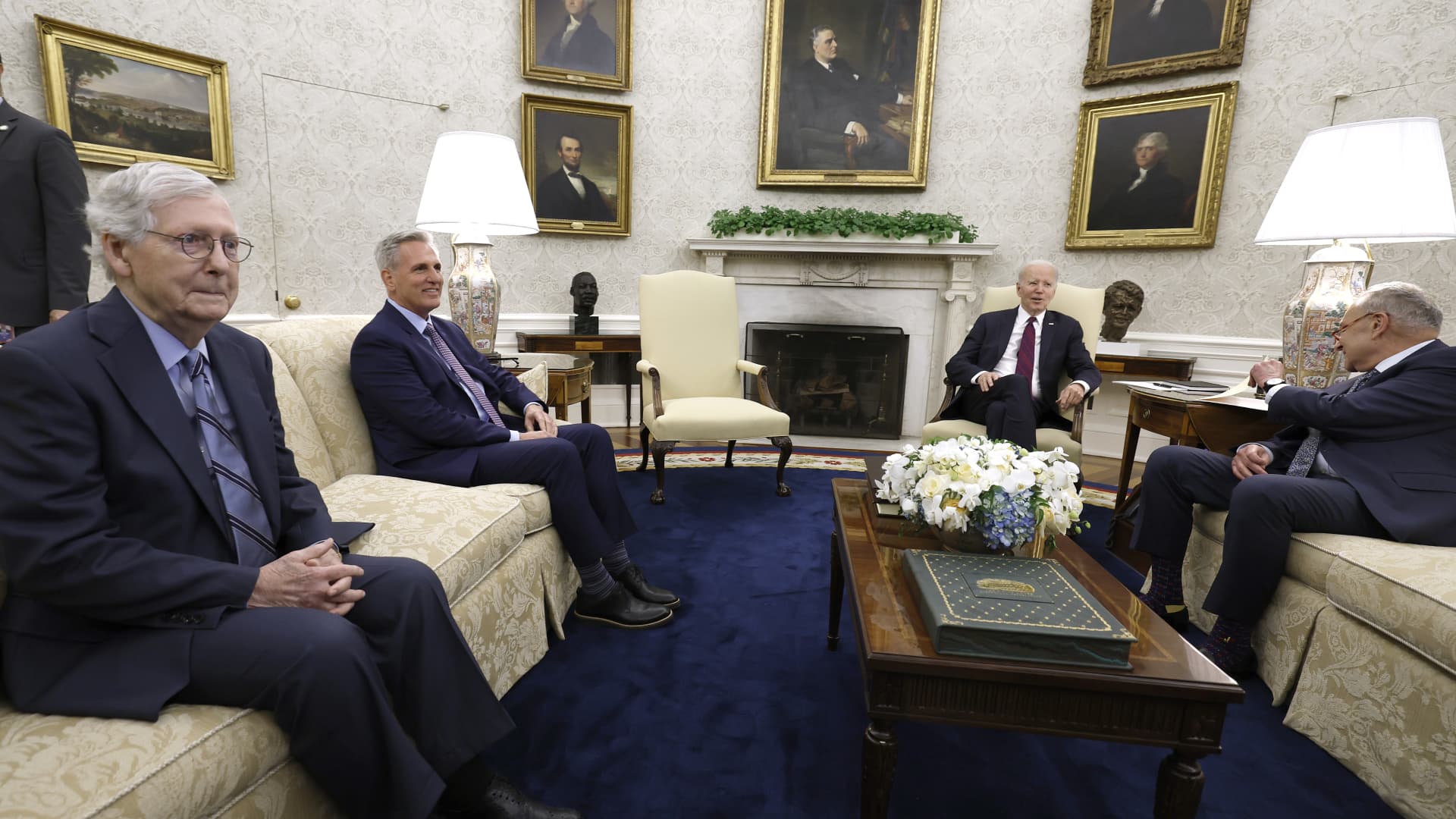
The US may face a debt ceiling standoff, which could lead to delayed federal payments, including Social Security, Medicare, tax refunds, military paychecks, and more. The government has never been in this situation, and there is no public roadmap outlining its response. If the US reaches the X-date without a debt ceiling deal, it would be the first time in US history that the federal government has intentionally reneged on its financial promises. The government would likely prioritize bondholders, and the most consequential delayed payments would likely be Social Security benefits and money for health programs like Medicare, Medicaid, the Children's Health Insurance Program, and Affordable Care Act health plans.