Scientists from Osaka Metropolitan University discovered that a compound in ginger called EMC can inhibit cancer growth by disrupting fatty acid synthesis, revealing a new potential target for cancer therapy and expanding understanding of cancer metabolism beyond the traditional Warburg effect.
Researchers have discovered a new compound, NPD6433, that effectively combats fungal infections by blocking the fungi's production of fatty acids. With the rise of drug resistance, this innovative approach offers hope in the battle against deadly fungi. The compound has shown effectiveness against a broad spectrum of fungal species, making it a potential solution for multiple types of infections. By targeting fatty acid synthesis, this new therapeutic strategy may provide a promising alternative to current anti-fungal medications that are species-specific.
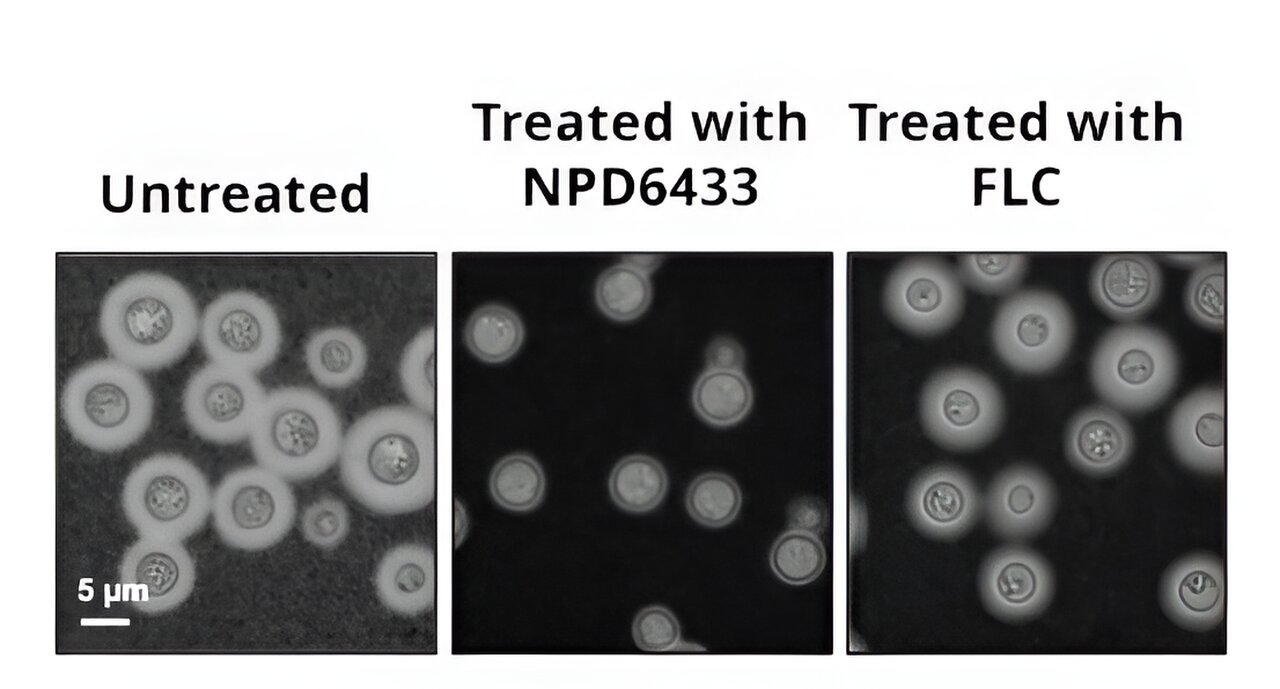
Researchers at the RIKEN Center for Sustainable Research Science and the University of Toronto have discovered a new approach to combat fungal infections by targeting fatty acid synthesis, a major component of fats. This method has the potential to be effective against a broad range of fungal species, including those responsible for millions of deaths each year. The study identified a compound called NPD6433 that inhibits fatty acid synthase, preventing the production of fatty acids in fungal cells. In laboratory tests, NPD6433 reduced fungal growth and increased survival rates in infected worms. This research offers hope for the development of new drugs to combat drug-resistant fungi.
Researchers at the RIKEN Center for Sustainable Research Science and the University of Toronto have discovered a new approach to combat fungal infections by blocking fungi from producing fatty acids. This method has the potential to be effective against a broad range of fungal species, including those responsible for millions of deaths each year. Current anti-fungal medications target the barrier surrounding fungal cells, but this new approach offers a promising alternative therapeutic strategy. The researchers identified a compound, NPD6433, that inhibits fatty acid synthase and prevents fatty acid production in fungal cells. In laboratory experiments, NPD6433 successfully reduced fatalities in a live model organism infected with drug-resistant yeast.