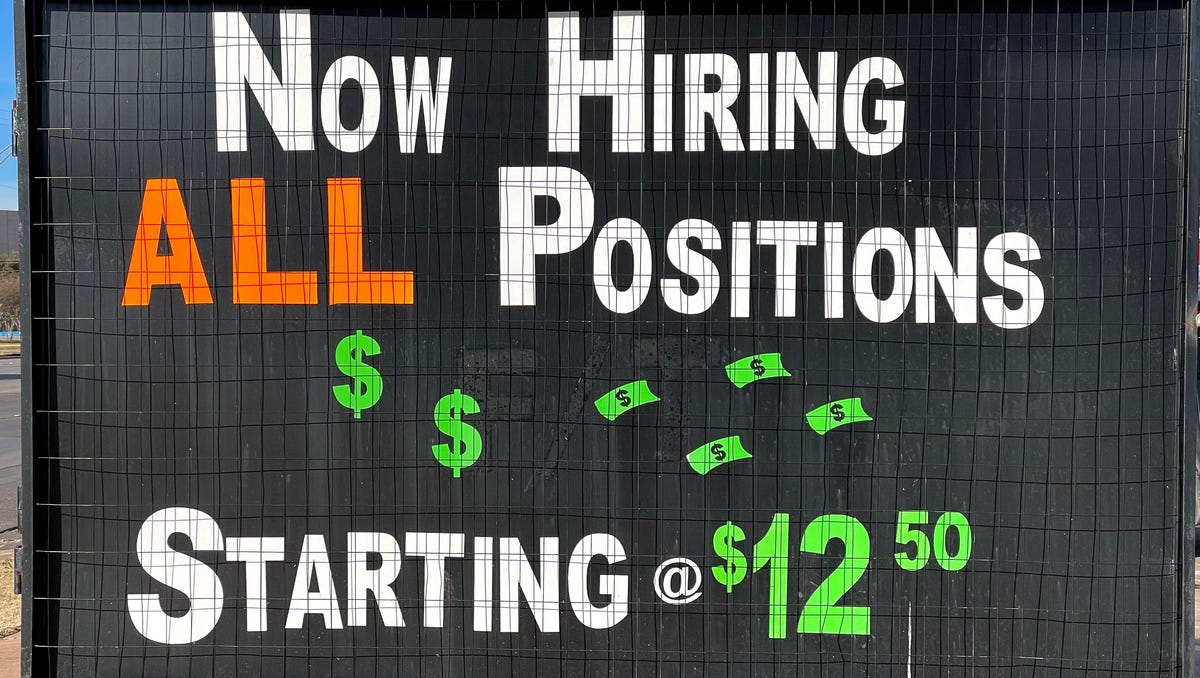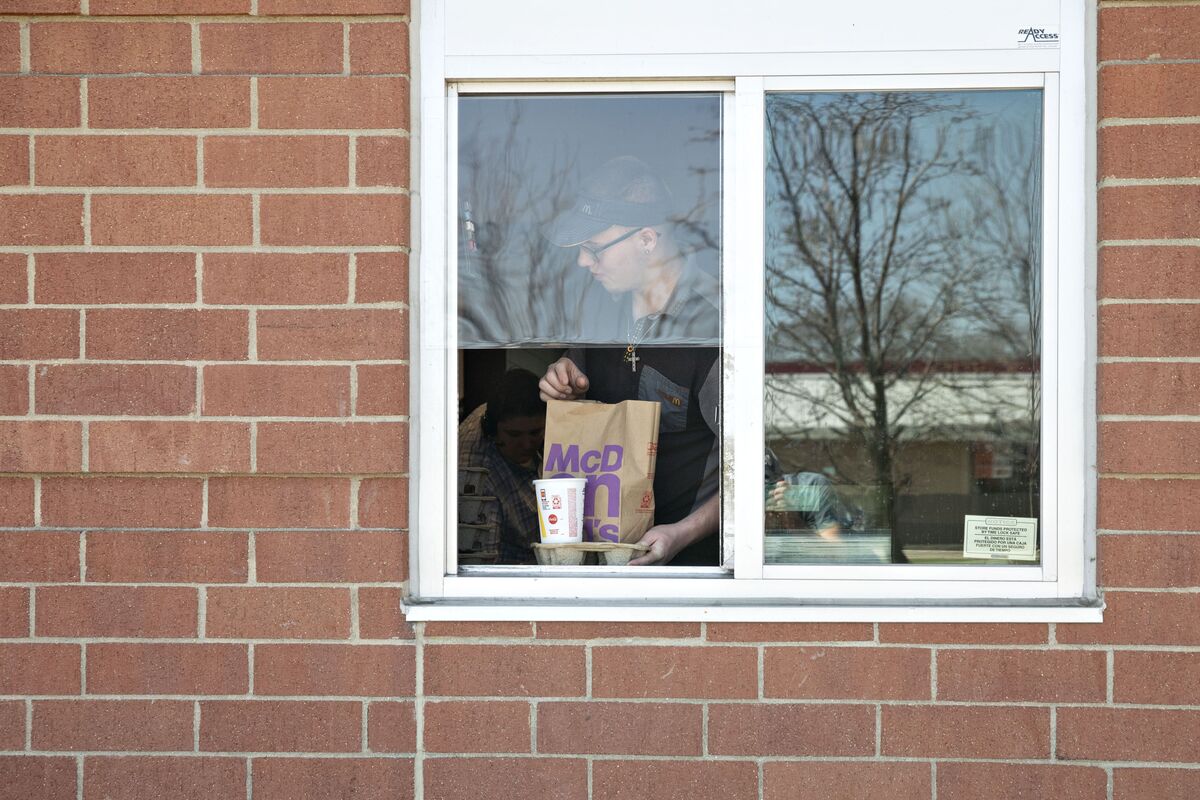
California's new law mandating a $20 minimum wage for fast-food workers has led to a ripple effect across industries, with businesses like El Pollo Loco raising managers' pay by over 10% to more than $83,000 a year. A separate rule requiring salaried staff to earn double the minimum wage has triggered these wage increases, impacting various sectors beyond fast food.
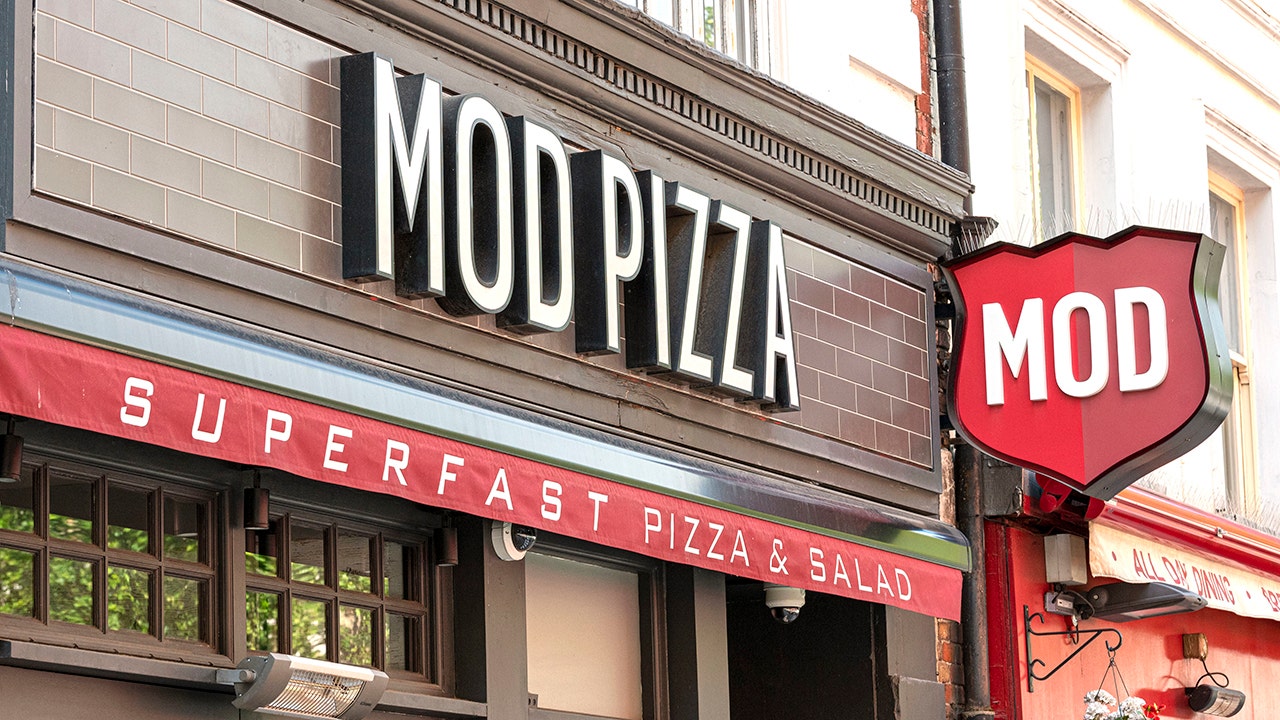
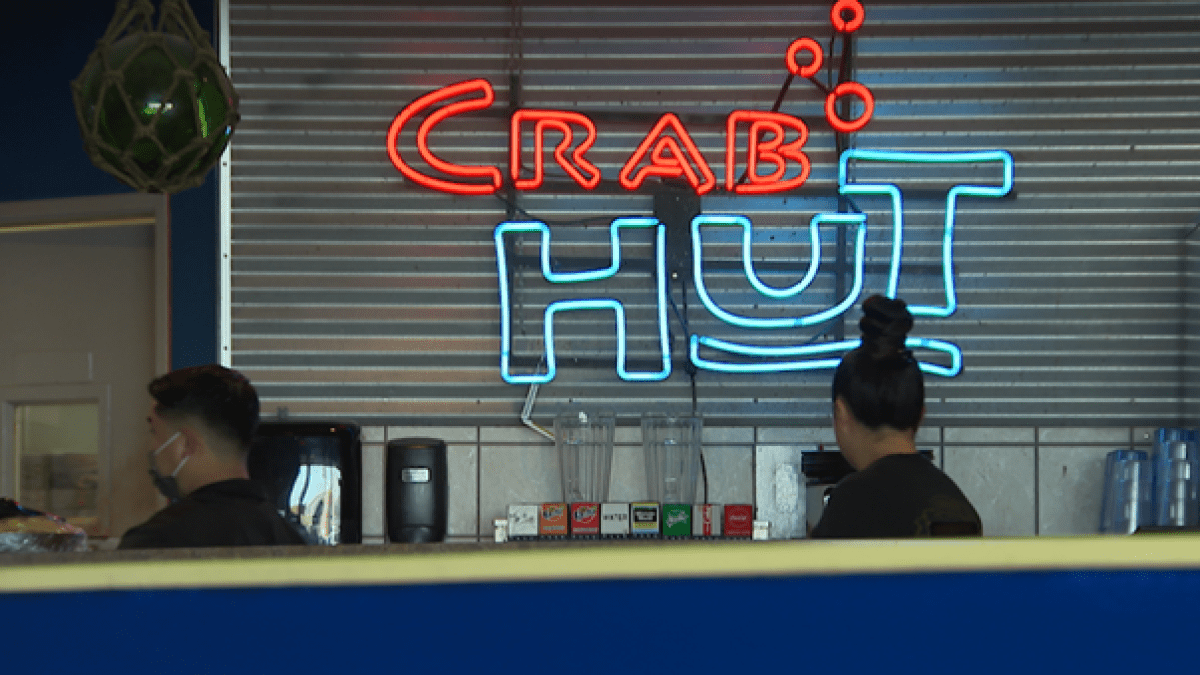
Mod Pizza closed five California locations and over two dozen shops nationwide, with workers suspecting the closures were due to the state's new minimum wage law for fast food workers, which increased the minimum wage from $16 to $20. The legislation also led to the closure of other fast food joints and job cuts, prompting concerns about financial repercussions and impacting workers like a Pizza Hut driver who lost his job with little notice.
California's fast-food workers celebrated a wage increase to $20 an hour, sparking debate over potential negative impacts on workers, customers, and franchise owners. Critics argue that the increase could lead to reduced hours, layoffs, and price hikes, while proponents believe it will benefit the economy by increasing spending and creating jobs. Research suggests that the fast food industry has the profits to support higher wages without affecting prices or employment, presenting an opportunity to invest in workers and productivity.
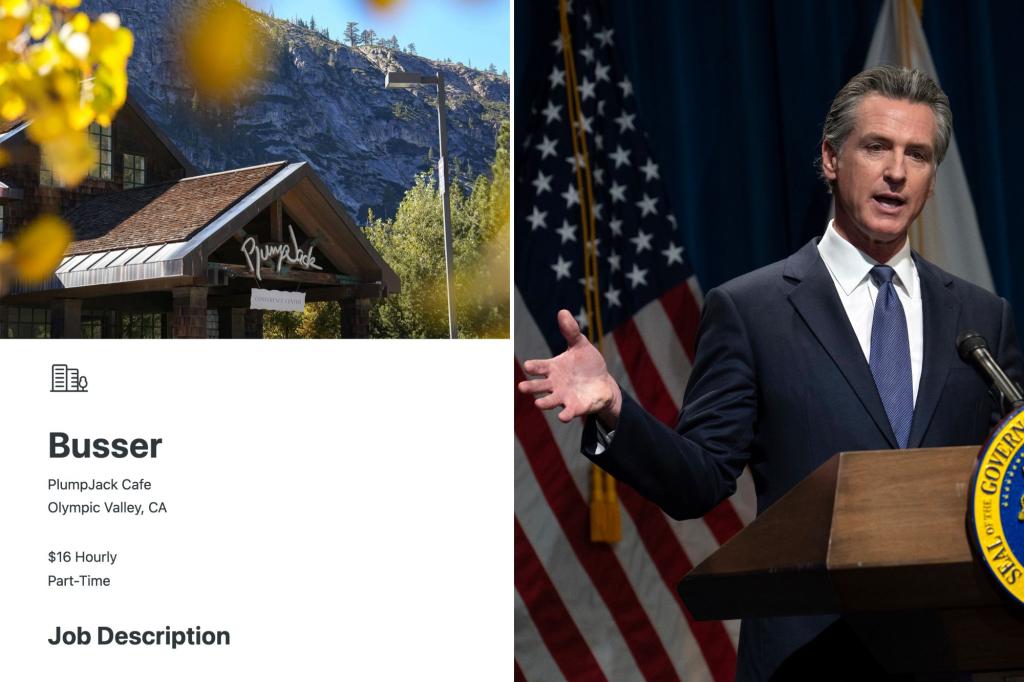
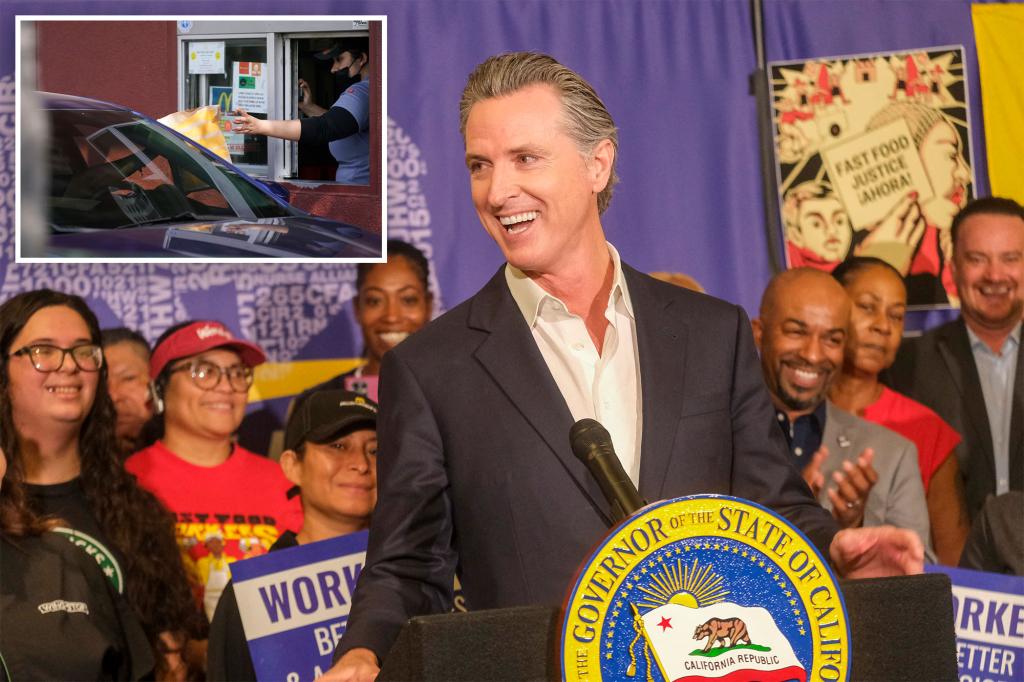
California Gov. Gavin Newsom is facing criticism after a restaurant he partially owns posted a job listing for $16 an hour, despite a new state law requiring fast food workers to be paid $20 an hour. The restaurant, part of a company Newsom founded, is hiring a part-time busser at the lower wage, sparking accusations of hypocrisy. Newsom's team stated he no longer has a role in the business's operations. The new law has led to increased menu prices at fast food spots and concerns about potential job losses.
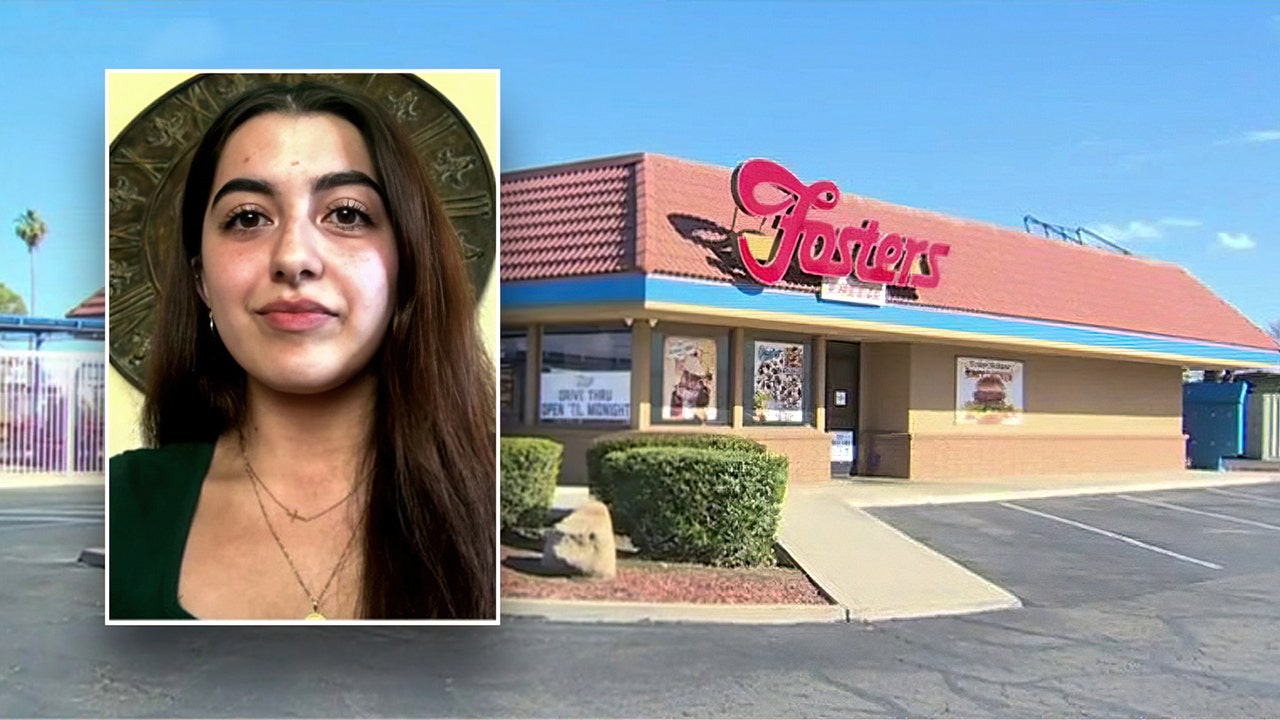
A fast food restaurant in Lemoore, California, closed its doors after the state's new $20 minimum wage law went into effect, leaving workers shocked and unemployed. The former assistant general manager expressed disappointment at the lack of notice and emphasized that the wage hike led to the restaurant's demise. She also noted that other local businesses are facing similar challenges, suggesting that this closure may be just the beginning of the impact of the new minimum wage law.
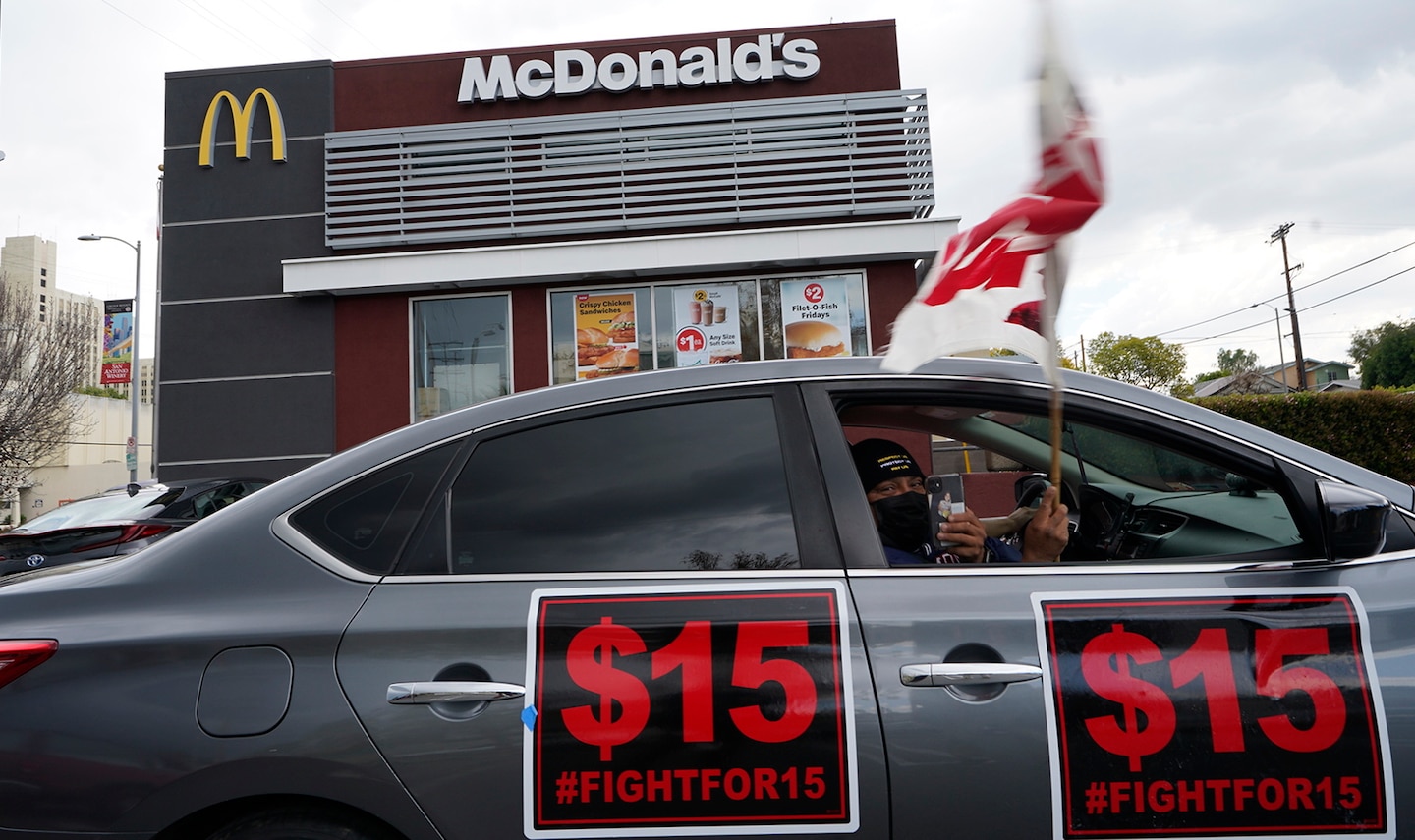
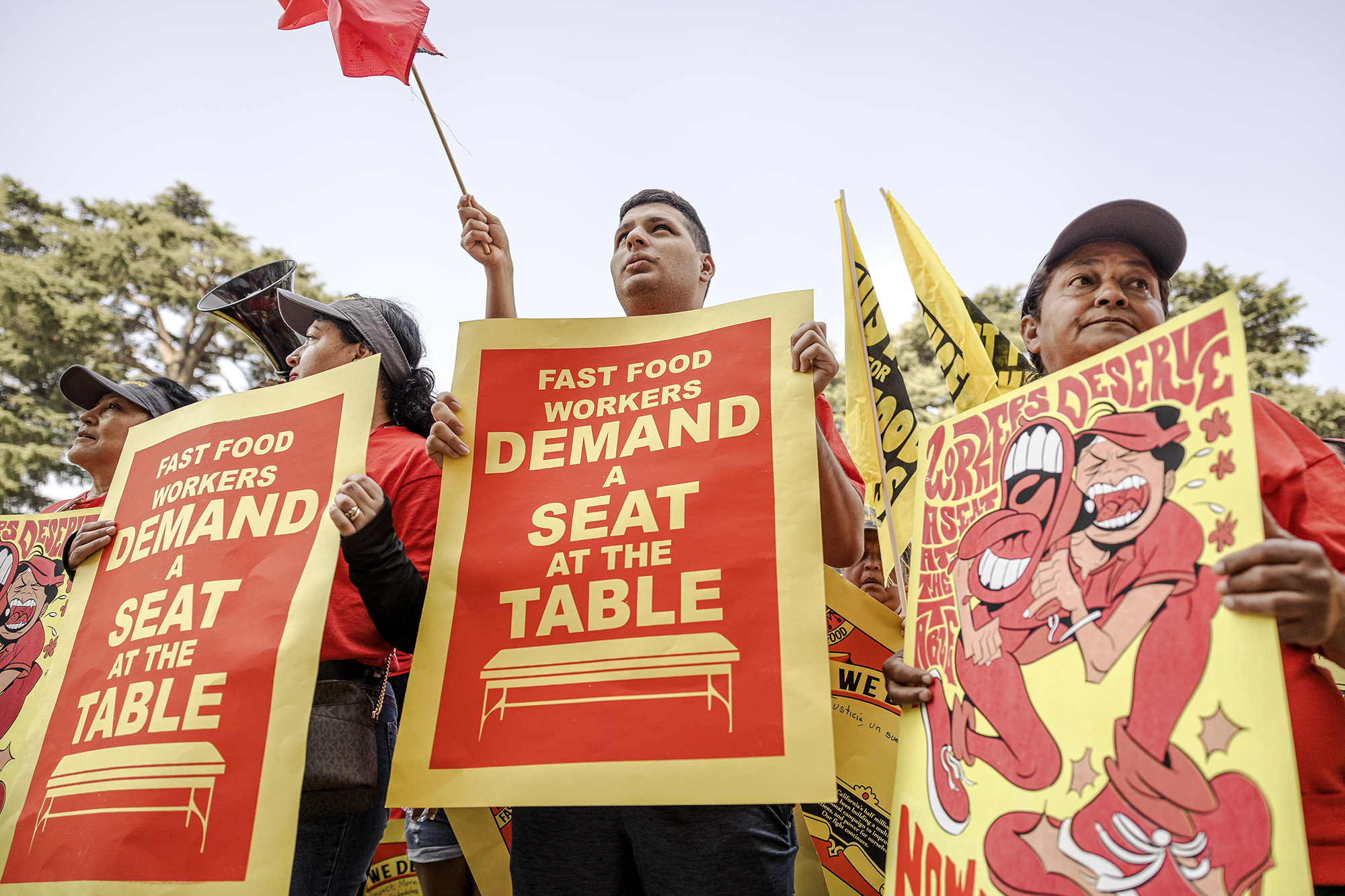
California's new law has raised the minimum wage for fast-food workers to $20 an hour, impacting large chain restaurants in the state. The legislation also establishes a "Fast Food Council" to oversee pay increases and working conditions. While workers and labor unions see this as progress for workers' rights, restaurant owners have expressed concerns about job cuts and increased consumer prices. Multiple food chains have already announced layoffs in response to the law.
California's minimum wage for fast-food workers has increased to $20 an hour, affecting half a million employees and prompting concerns from restaurant owners about higher labor costs. The wage hike is a result of a deal between labor leaders and fast-food companies, and is expected to impact prices, automation, and worker hours in the restaurant industry. While workers welcome the raise, some worry that it may not be enough to cover living expenses in expensive cities like Los Angeles.
California is set to raise its minimum wage for fast-food workers to $20 an hour, prompting concerns from franchise owners about the dramatic impact on their businesses and the potential need to raise prices. The law, supported by the trade association representing fast-food franchise owners, aims to provide financial security to workers in a historically low-paying profession. However, franchise owners worry about the unprecedented nature of the change and its potential repercussions on their businesses in California's slowing economy.
A new law in California will raise the minimum wage for fast food workers to $20 per hour, leading employers to warn of price increases for customers. Small business owners express concerns about the impact on their businesses, with some planning to raise menu prices and others considering job cuts. The law, effective April 1, will make California's fast food workers the highest paid in the industry, with potential for further increases through 2029.
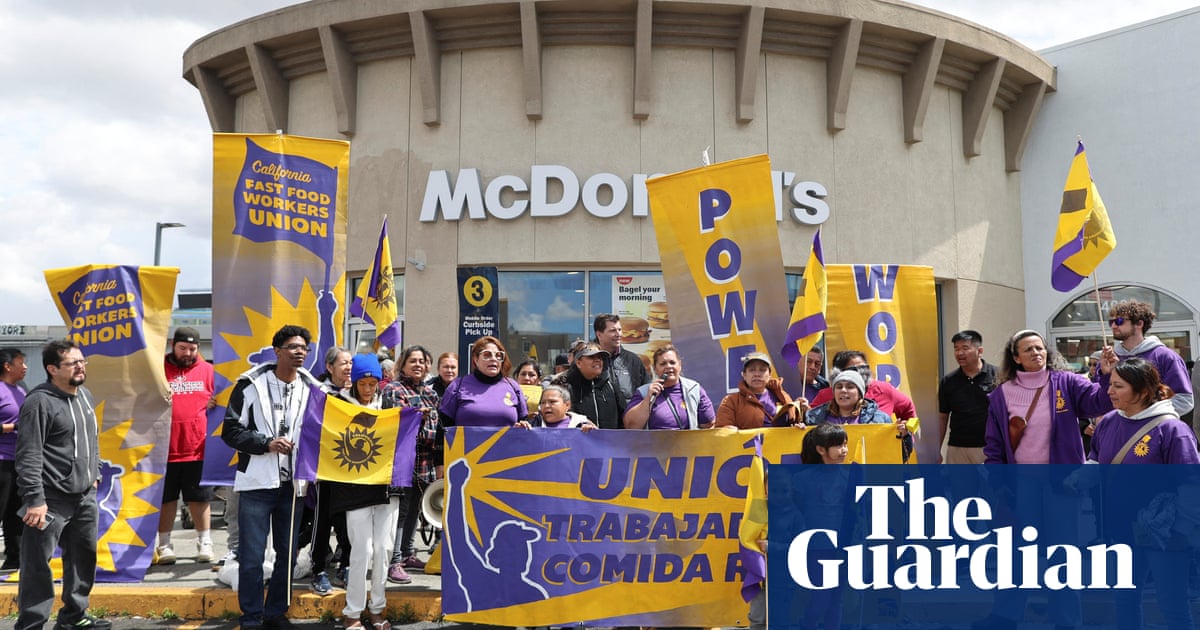
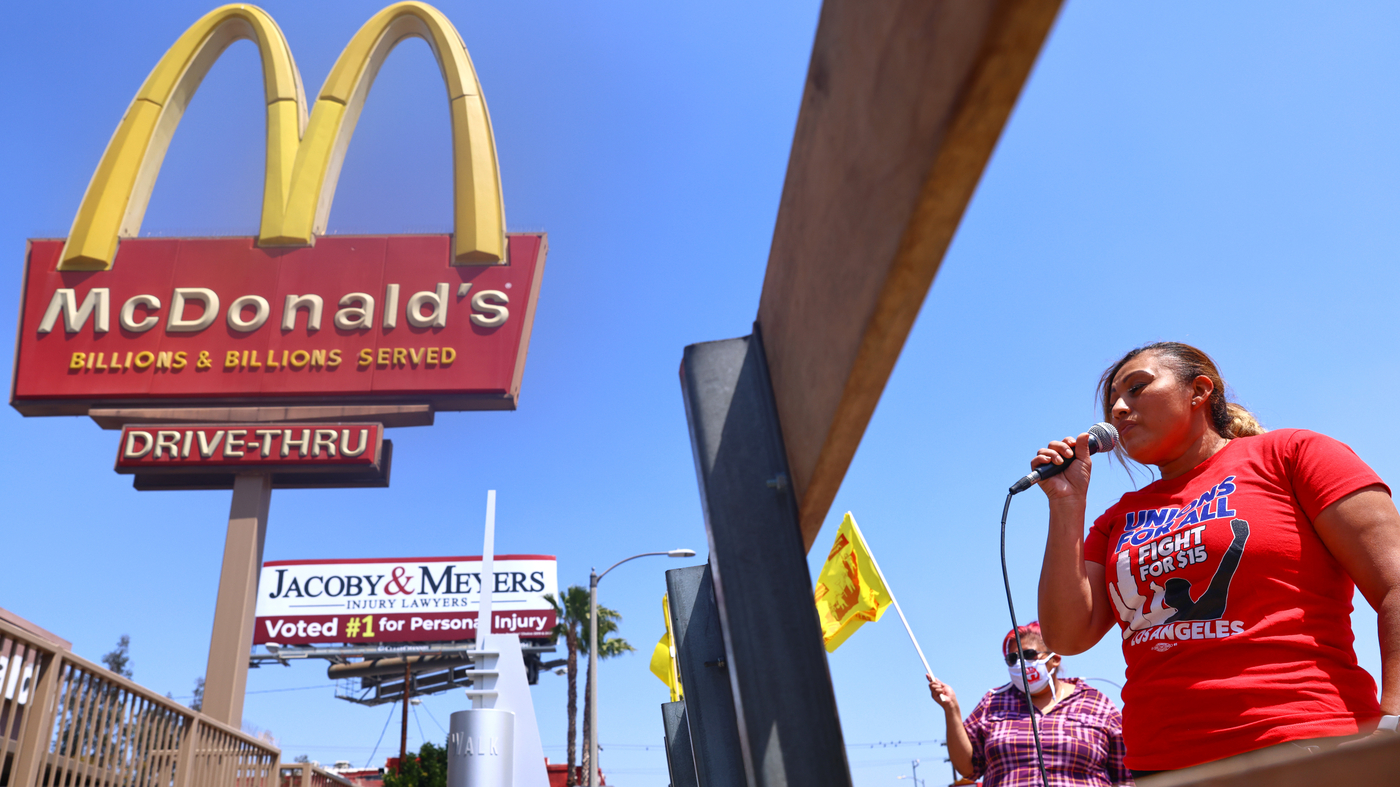
Fast-food workers in California are forming a new union, affiliated with the Service Employees International Union, to advocate for improved pay and working conditions. The union aims to represent workers at major chains like McDonald’s and Subway, with priorities including raising the minimum wage, protecting workers from unjust firing, and ensuring adequate scheduling. The union faces challenges in growing its ranks, but has already secured a minimum wage increase to $20 an hour for some 500,000 fast-food workers in the state.
California is set to raise the minimum wage for fast-food workers to $20 an hour in April, while health care workers will see a minimum wage increase in June. These industry-specific wage increases are expected to have ripple effects, potentially leading to pay bumps for workers in other industries as well. The new laws are projected to benefit around 900,000 Californians and come at a time when employers, particularly small businesses, are struggling to hire and retain workers in a competitive labor market. Some experts believe that other food-service companies and retailers may need to increase wages to retain workers and compete with the higher minimum wages in fast food and health care.
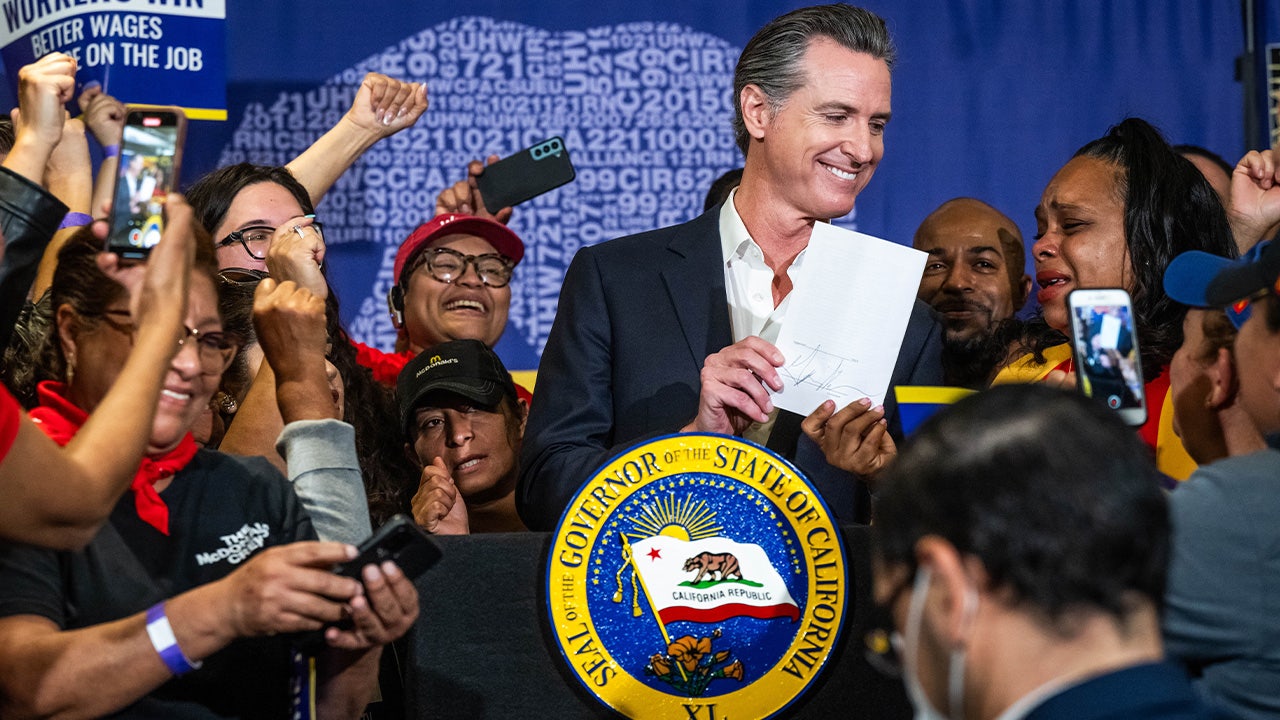
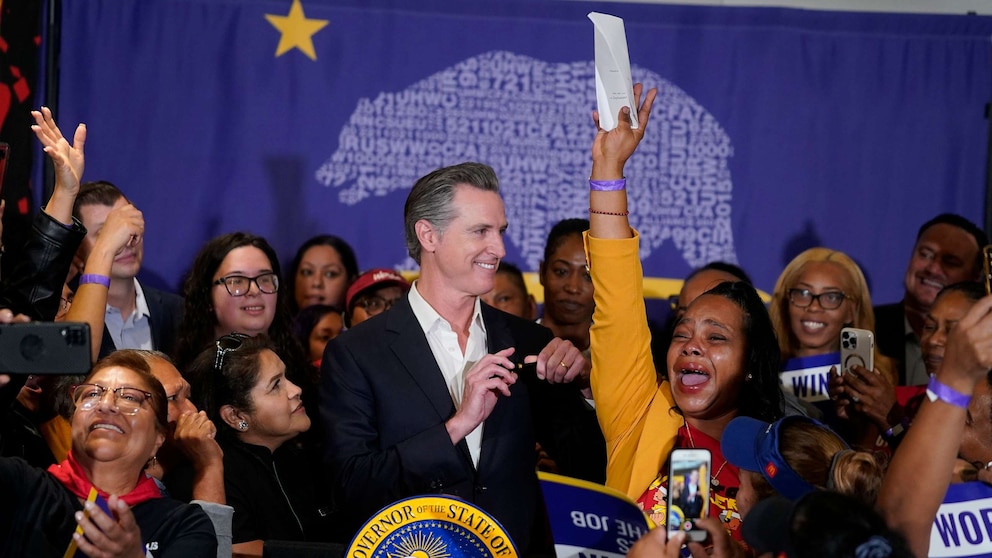
California Governor Gavin Newsom has signed a new bill into law that will raise the minimum wage for fast-food workers in the state to $20 per hour by April 2024. The legislation also establishes a Fast Food Council, composed of representatives from the industry, franchisees, employees, and advocates, to set standards for minimum wage, working conditions, and health and safety. The council will have the power to propose other labor standards and increase the minimum wage annually from 2025 to 2029, with a cap of 3.5% or the annual change in the Consumer Price Index. This move is seen as a victory for fast-food workers who have long fought for fairer wages and better working conditions.
California Governor Gavin Newsom has signed a new law that will raise the minimum wage for fast food workers in the state to $20 per hour starting next year, making it the highest guaranteed base salary in the industry. The move is seen as an acknowledgment that many fast food workers are the primary earners for their low-income households. The law also settles a dispute between labor unions and business groups, with unions dropping their attempt to hold fast food corporations liable for the actions of their independent franchise operators. The law will be effective from April 1, 2022, and includes provisions for annual wage increases through 2029.
California Governor Gavin Newsom plans to sign a bill into law in November 2024 that will establish a $20 minimum wage for fast food workers, representing a nearly $5 hourly increase. The new minimum wage will go into effect on April 1, 2024, and could increase annually through 2029. The National Owners Association, representing over 1,000 McDonald's store owners, argues that the law will be financially devastating for franchisees, potentially leading to menu price hikes. However, other industry figures see it as a positive outcome for workers and local restaurant owners, while the long-term economic impact remains uncertain.
California fast food workers are set to earn at least $20 per hour next year, while healthcare workers will see their salaries increase to at least $25 per hour over the next decade, following a deal between labor unions and industries. The minimum wage varies across the US, with 15 states having laws equivalent to the federal minimum wage of $7.25 per hour, and five states having no minimum wage laws. Washington, DC has the highest minimum wage at $16.50 per hour, followed by Washington state at $15.74, and California at $15.50.