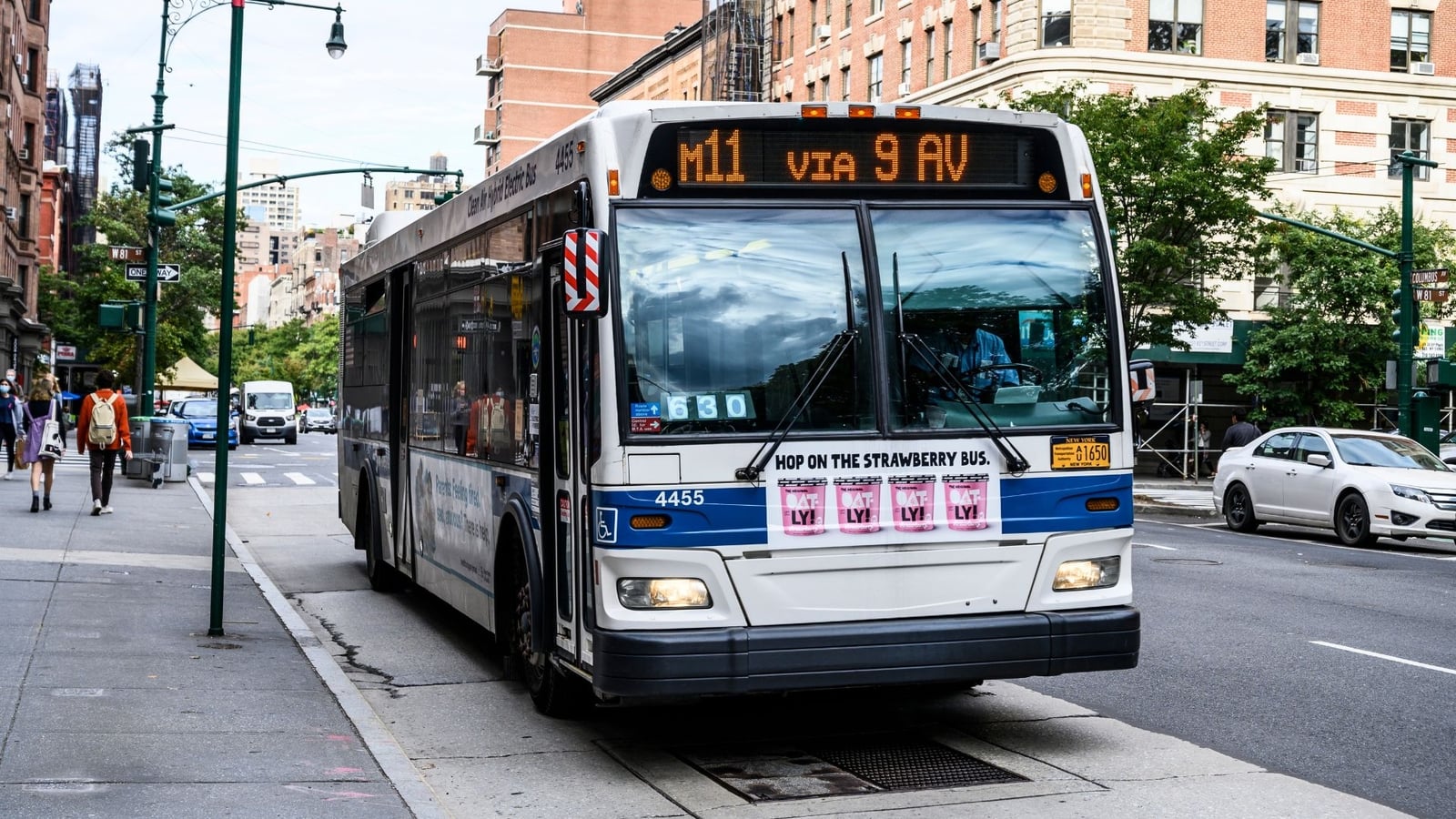
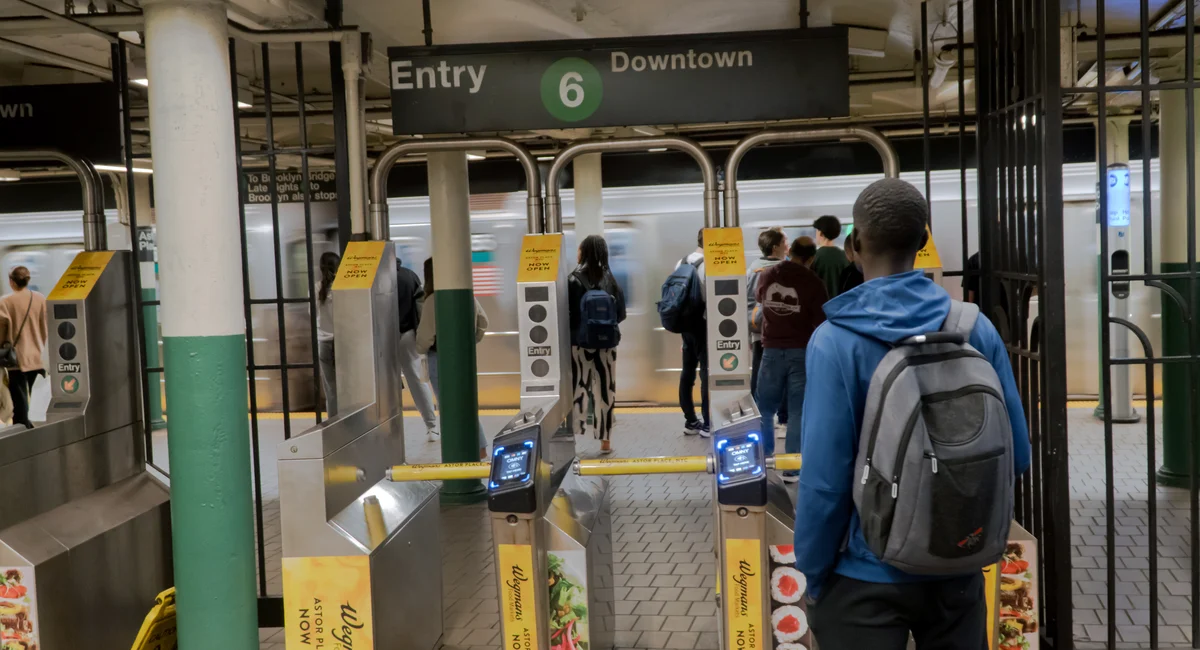
The MTA in New York City has increased fares to $3 for buses and subways, with additional fare hikes for express buses and commuter rails, coinciding with the transition from MetroCard to OMNY payment system and the removal of unlimited MetroCard passes.
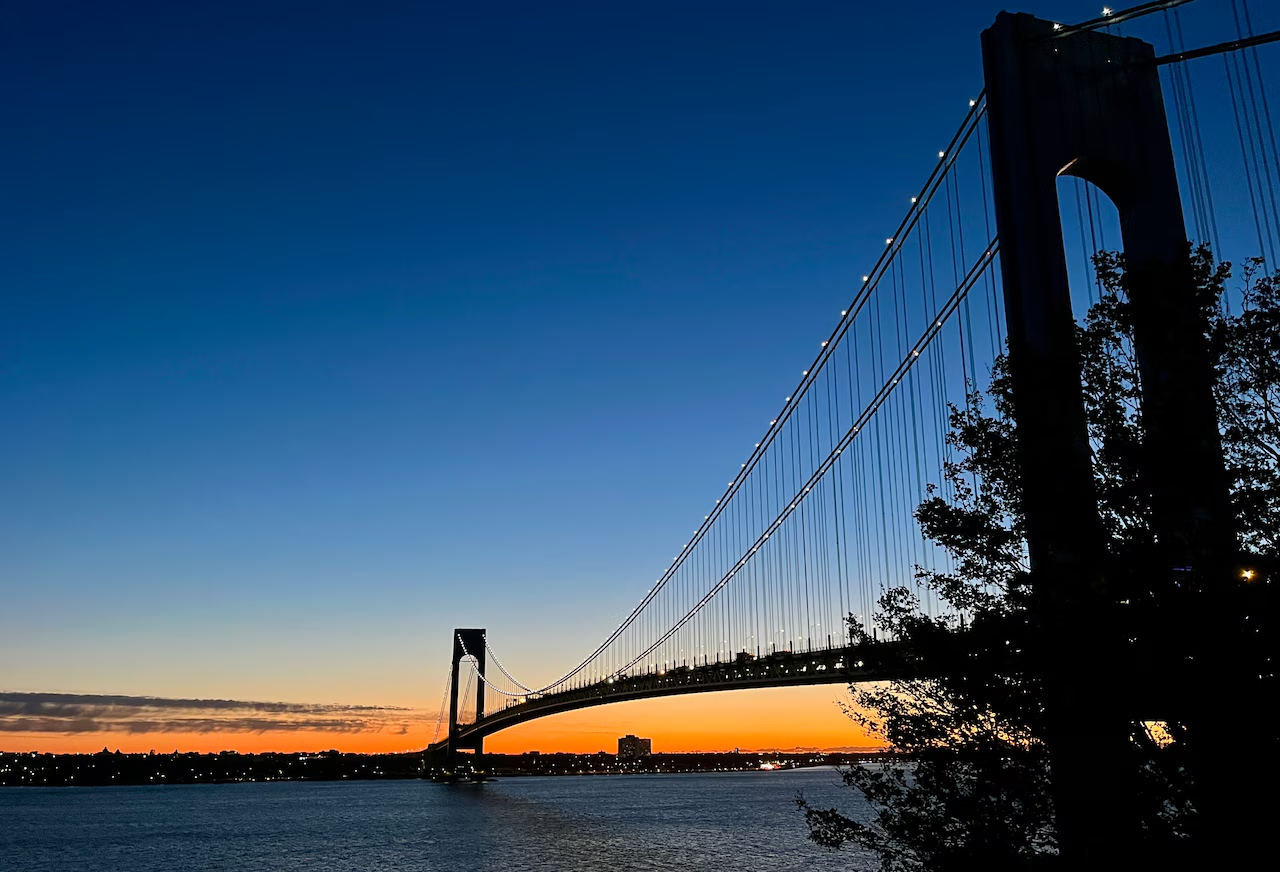
Starting January 4, 2026, tolls on NYC bridges managed by the MTA and Port Authority will increase by approximately 7.5% to 5%, with additional fare hikes for public transit, including subway and bus fares, to support infrastructure funding and inflation adjustments.
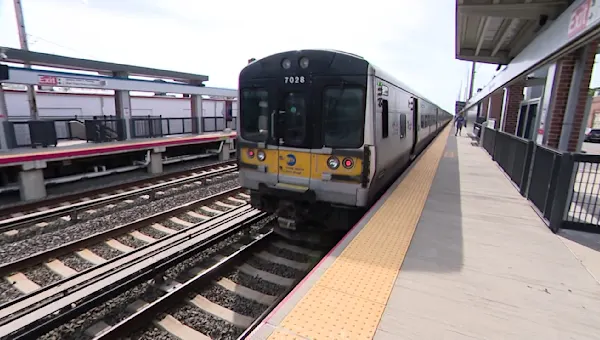
The MTA board approved a 4.4% fare increase for LIRR and introduced a new policy expiring tickets at 4 a.m. the day after purchase to combat fare evasion, alongside expanding the Family Fare program to include children up to 17, with all changes taking effect in January.
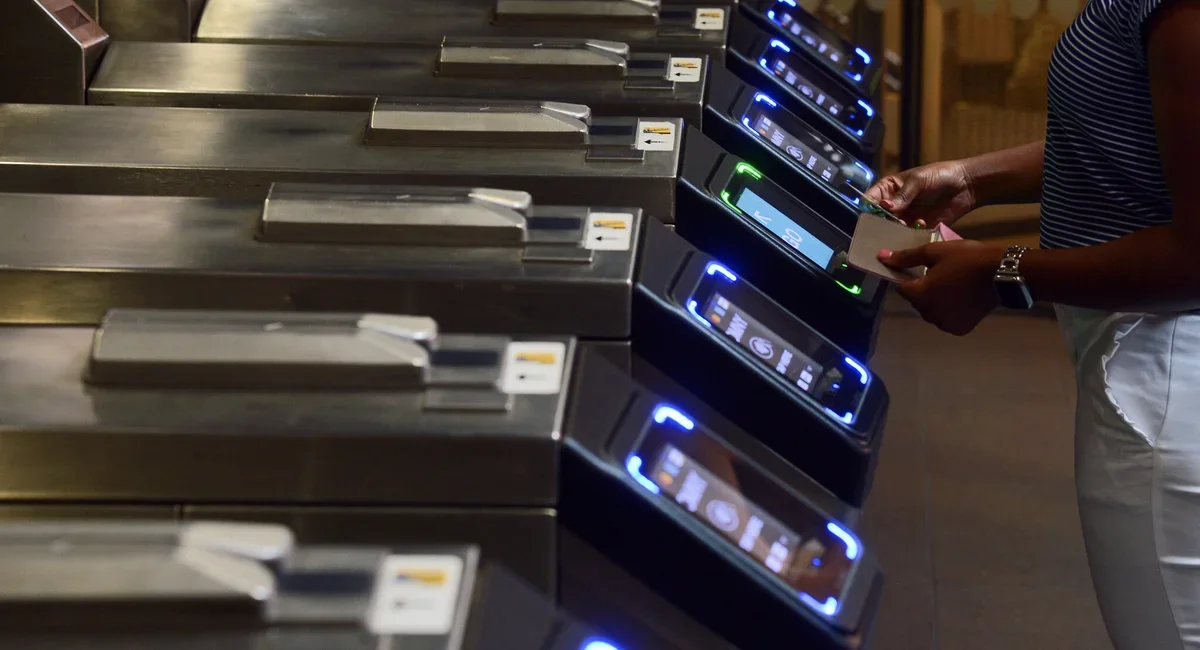
The MTA board approved a fare increase in NYC, raising the subway and bus fare to $3, along with a 4.5% increase in monthly tickets and a 7% toll hike, starting in January. The transition to the OMNY tap-to-pay system will eliminate coin payments and the 30-day unlimited ride option, but fare capping will continue to limit weekly spending to $35. The fare hike is part of a broader effort to balance the MTA's budget amid rising costs.
Governor Kathy Hochul has announced the end of the congestion pricing pause, allowing the MTA to begin collecting tolls in Manhattan to fund $15 billion in transit repairs. Additionally, the MTA is seeking over $30 billion in new revenue, potentially through increased taxes, and has a fare hike planned for 2025. These measures come amid political challenges, with Republicans opposing the congestion pricing plan. The MTA argues these steps are necessary to maintain and modernize NYC's transit infrastructure.
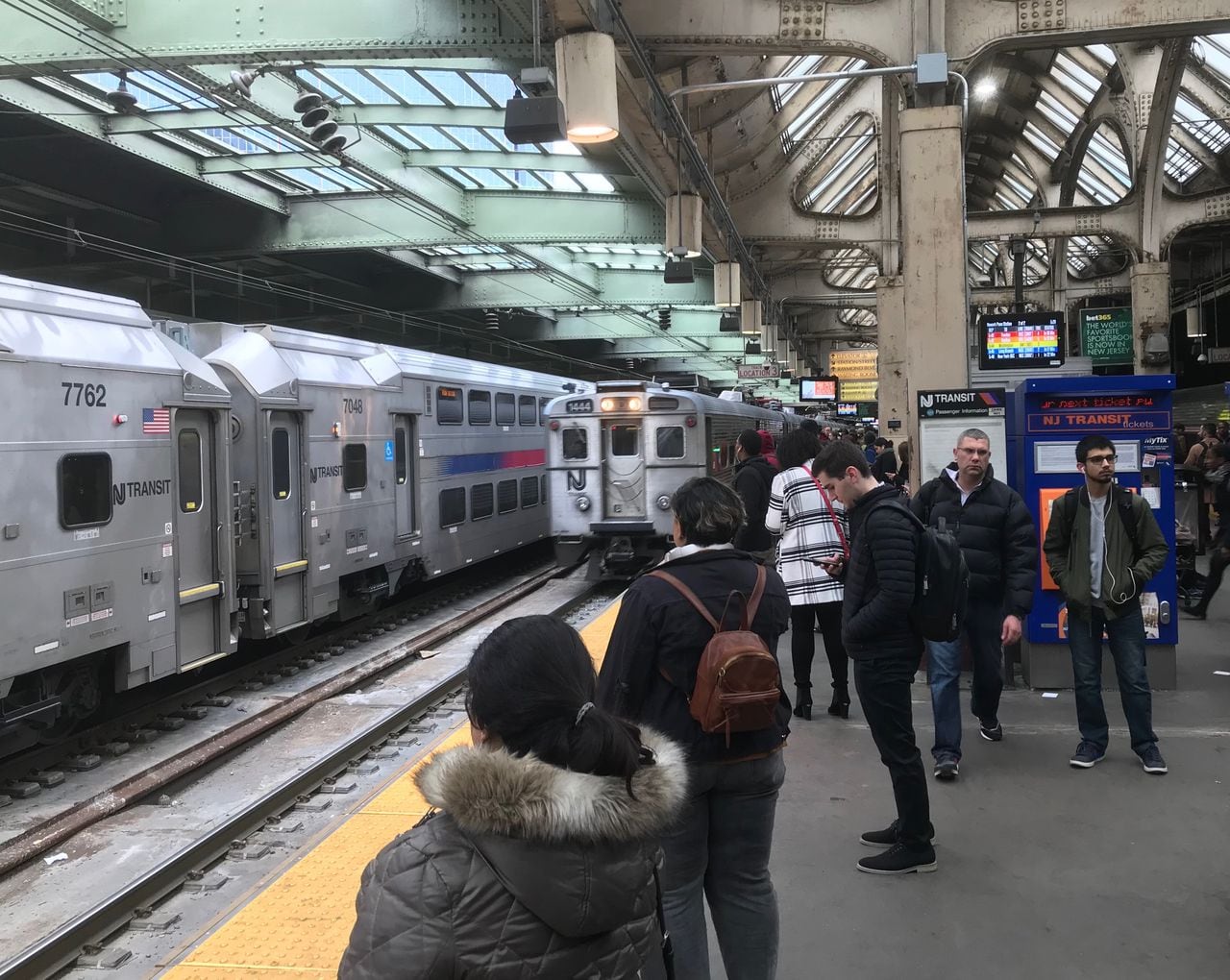
New Jersey Transit has approved a 15% fare hike for railroads, bus routes, and light rail lines starting in July, with monthly passes for some lines increasing to $342. This comes as New York plans to impose a $15 daily toll on drivers, sparking concerns about the financial burden on commuters. NJ Transit's financial struggles are expected to worsen, with deficits projected to reach nearly $780 million by 2026. Meanwhile, New Jersey politicians are challenging New York's congestion fee in court, arguing that it unfairly targets New Jersey commuters.
NJ Transit plans to raise fares by 15% starting July 1, with additional 3% annual hikes from 2025, citing a nearly $1 billion budget deficit in the coming years due to decreased ridership and increased costs. The proposed increases aim to close the budget gap and avoid service cutbacks, but face criticism from state officials and commuters. Public meetings will be held in March for feedback before the plan goes to the board of directors for a vote.
NJ Transit is proposing a 15% fare hike, the first in nine years, with 3% annual increases thereafter, to address a looming fiscal deficit. The proposal aims to maintain current service levels for the next fiscal year and includes $44 million in internal cost reductions and $52 million in revenue enhancements. State aid is expected to remain unchanged, and the fare hike could generate about $106.6 million in revenue. Public hearings will be held to gather feedback, and the proposal will go before NJ Transit’s board for a vote after the comment period ends on March 8.
NJ Transit is proposing a 15% fare increase in its fiscal year 2025 budget, the first hike in almost 10 years, to address a projected $106 million budget shortfall. The increase, set to take effect on July 1, is part of a plan that includes subsequent 3% annual increases with no sunset date, while service levels will not be cut.
New York City subway and bus fares increased by over 5% to $2.90, adding financial strain on commuters already struggling with rising costs of living. The fare hike, which also applies to Metro North and LIRR rail rides, comes after recent toll increases on bridges and tunnels. Many riders expressed frustration, citing already tight budgets and the inability to afford additional expenses. Subway ridership remains significantly lower than pre-pandemic levels, and the fare increase exceeds inflation rates.
The Metropolitan Transportation Authority (MTA) in New York City will increase subway, bus, and commuter train fares for the first time in four years, citing budget constraints. Single rides will go up by 15 cents, while unlimited passes will also see an increase. Commuter railroad fares will rise by about 4%. The fare increase is expected to generate $117 million this year, with plans for additional fare hikes in 2025 and 2027. Some riders are unhappy with the increase, especially given the rising cost of living and stagnant incomes, while others believe it is necessary for the smooth operation of the transportation system.
The MTA toll hike has gone into effect, increasing the cost for drivers using bridges and tunnels into New York City. The tolls have risen to $6.94 from $6.55, with a 6% increase for EZ-Pass tags registered in New York and a 10% increase for out-of-state tags billed by mail. Additionally, the MTA fare hike will take effect on August 20, raising bus and subway fares to $2.90 per ride. MTA CEO Janno Lieber stated that the fare hike will be accompanied by increased service during midday, weekends, and nights, as well as a balanced budget for the MTA.
The Metropolitan Transportation Authority (MTA) accidentally implemented a fare increase three weeks early due to software changes by Cubic Transportation Systems, the contractor behind the OMNY fare-payment system. Express bus riders were charged $7 instead of $6.75, while subway and local bus trips cost $2.90. Seniors and riders with disabilities were also charged $2.90 instead of $1.35. The MTA quickly rectified the issue and will reimburse affected riders. The full launch of the OMNY system has faced delays and cost increases, and won't be available on commuter railroads until 2025.
The MTA has proposed a 15-cent increase in the subway and bus fare to $2.90 by Labor Day, the first fare hike since 2019 and the first time the base subway and bus fare would have gone up since 2015. Weekly MetroCards would increase a dollar to $34 and 30-day MetroCards would go up $5 to $132. Express bus fare would increase a quarter to $7 and seven-day bus passes would increase $2 to $64. The fare hike is necessary to keep the transit system rolling, but some commuters are unhappy with the proposed hike. Public hearings will be held in June and the board will vote in July, allowing fare hikes to go into effect by September.
The MTA has proposed a fare hike for subway and bus fares to $2.90 by Labor Day, a 15-cent increase from the current $2.75 base fare, with weekly and monthly MetroCards also increasing. Express bus fare would increase a quarter to $7 and seven-day bus passes would increase $2 to $64. The fare hike is necessary to keep the transit system rolling, according to the Executive Director of the MTA's Permanent Citizens Advisory Committee. Public hearings will be held in June and the board will vote in July, allowing fare hikes to go into effect by September.