Tag

Fake Images

All articles tagged with #fake images

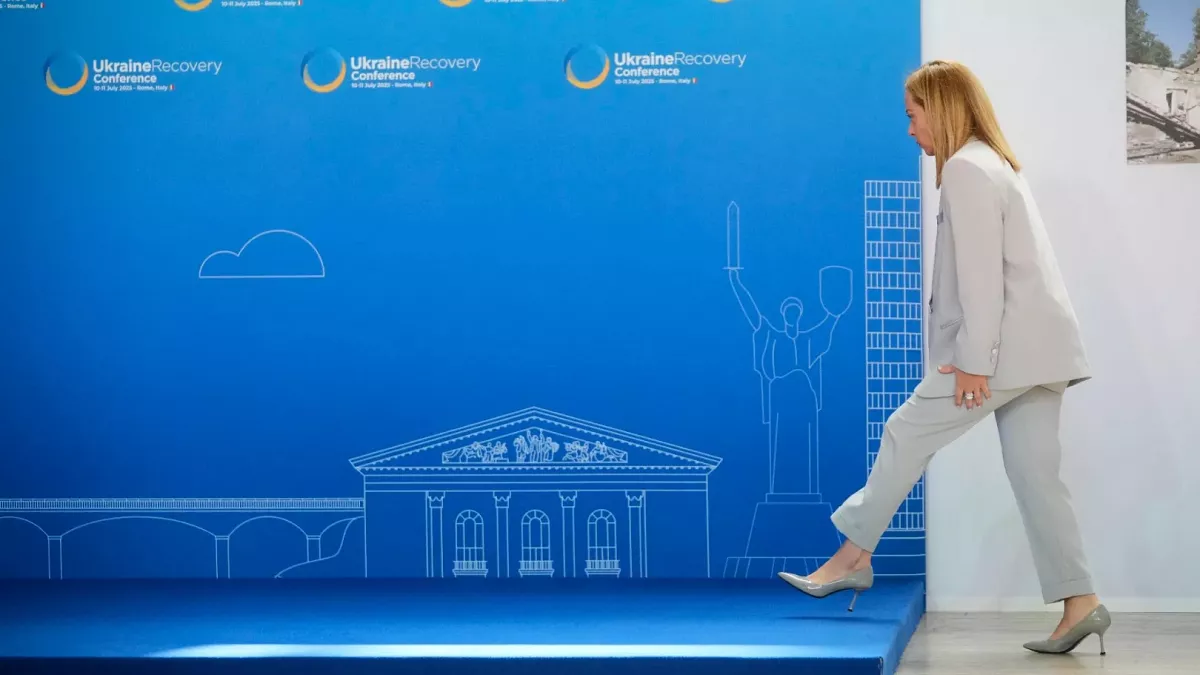
Italian Women Fight Back Against Unauthorized Online Image Sharing

Originally Published 4 months ago — by Euronews.com

Featured image for Italian Women Fight Back Against Unauthorized Online Image Sharing
Source: Euronews.com

A scandal erupted in Italy after a website showed doctored images of women politicians, including Prime Minister Giorgia Meloni, leading to its shutdown and police investigations. The site was used to share non-consensual, sexist, and explicit content, sparking outrage among politicians and activists who called for stricter regulation of digital platforms to combat misogyny and abuse.

AI-Generated Classic Rock Memes: Are They Fooling Fans?

Originally Published 5 months ago — by Rolling Stone

AI-generated memes featuring classic rock legends are increasingly common and often convincing, but they are fake and can mislead fans. While these images evoke nostalgia and comfort, they also pose challenges if artists or their teams do not clarify their inauthenticity, risking misinformation. Despite their absurdity, many fans and commenters recognize these images as fake, but the phenomenon highlights the need for awareness about AI manipulation in media.

"Meta's Initiative: Labeling AI-Generated Images to Combat Misinformation"

Originally Published 1 year ago — by BBC.com

Featured image for "Meta's Initiative: Labeling AI-Generated Images to Combat Misinformation"
Source: BBC.com

Meta, the parent company of Facebook and Instagram, plans to introduce technology to detect and label images created by other companies' AI tools on its platforms. The company hopes this will encourage the industry to address AI fakery, but an AI expert believes such tools are easily evadable. Meta's new labeling system will not work for audio and video, and the company is asking users to label their own posts, with potential penalties for non-compliance. Additionally, Meta's Oversight Board criticized the company's policy on manipulated media, calling it incoherent and lacking persuasive justification, prompting discussions about updating the rules.

"PhotoGuard: Safeguarding Your Images from AI Manipulation"

Originally Published 2 years ago — by The France 24 Observers

Featured image for "PhotoGuard: Safeguarding Your Images from AI Manipulation"
Source: The France 24 Observers

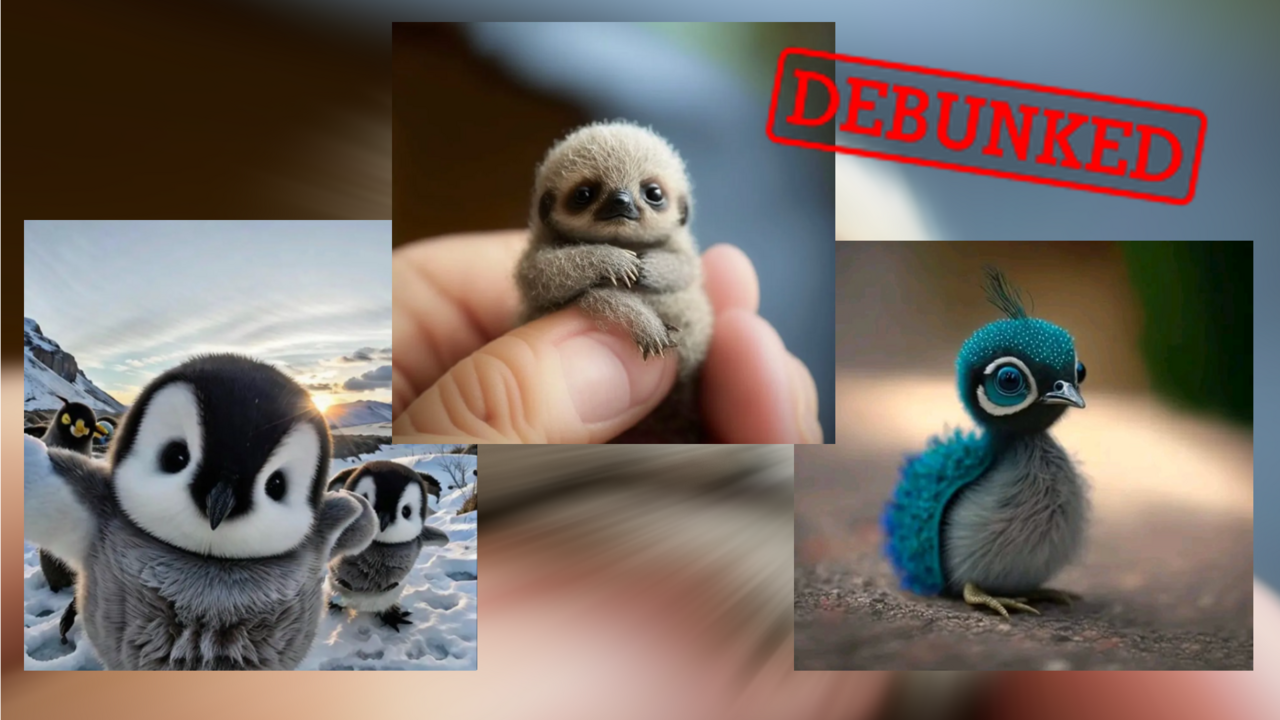
Several viral images of unbelievably cute animals, including a baby sloth, a tiny peacock, and baby penguins taking a selfie, have been revealed to be AI-generated. To detect such fake images, look for artifacts or errors in the digital image, such as cut-off thumbnails or factual inaccuracies. Online tools like Hive Moderation can also help determine the likelihood of an image being AI-generated, although they are not foolproof. The motivation behind sharing these fake cute animal images varies, from seeking likes and followers to financial gain.

The Pros and Cons of Adobe's AI Generative Fill Tool in Photoshop

Originally Published 2 years ago — by Quartz

Featured image for The Pros and Cons of Adobe's AI Generative Fill Tool in Photoshop
Source: Quartz

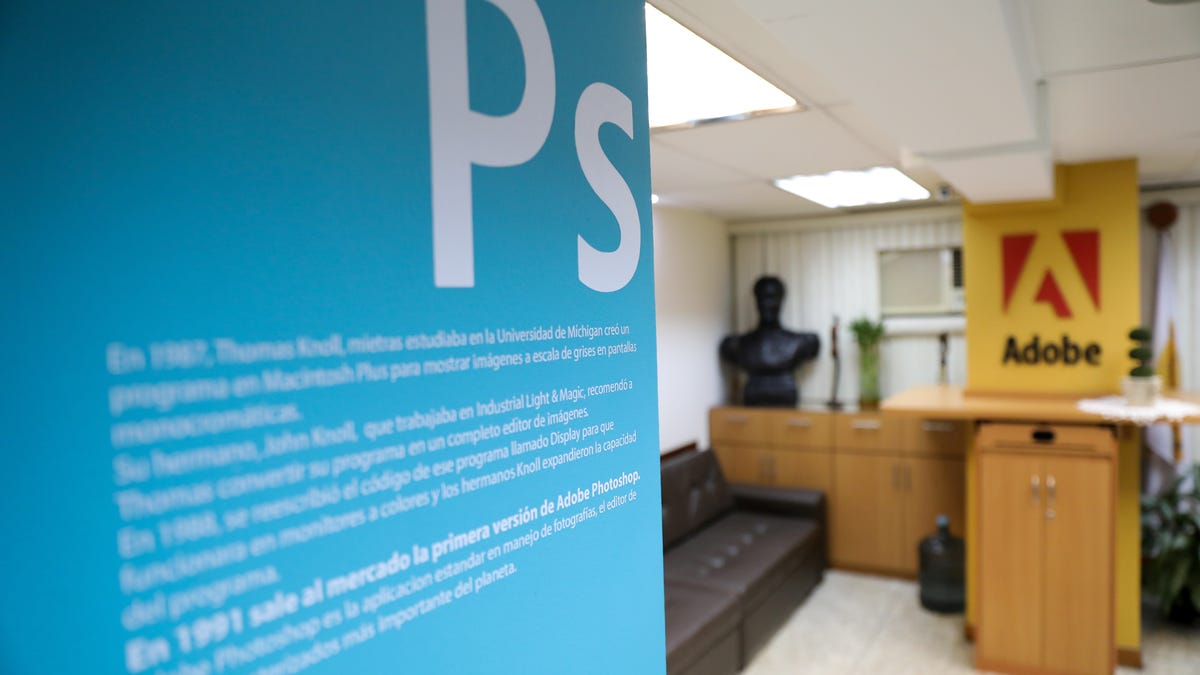
Adobe has integrated AI into Photoshop and developed Content Credentials, which are "nutrition labels" attached to images containing a tamper-proof record of an image's provenance and history of changes. This comes as fears rise about the ability to spot manipulated images, following the circulation of a fake photo of an explosion near the Pentagon on social media, causing confusion and a momentary dip in the S&P 500 index. Adobe's Content Authenticity Initiative aims to develop an industry standard for digital content attribution.

Google's AI Tools Combat Fake Images and Misinformation

Originally Published 2 years ago — by Yahoo Finance

Google is adding new features to its Image Search tool to help users find the authentic source of an image and identify misleading AI pictures. Apple may encounter delays in producing the iPhone 15 and iPhone 15 Plus due to a stacked 48MP camera sensor. Activist investor Engaged Capital plans to launch a proxy fight for three board seats at Shake Shack. HSBC has agreed to pay $75 million in penalty charges as ordered by the U.S. Commodity Futures Trading Commission. General Motors recalled about 1 million sport utility vehicles in the U.S. due to unsafe airbag inflators.

Google to Label AI-Generated Images for Identification.

Originally Published 2 years ago — by CNBC

Featured image for Google to Label AI-Generated Images for Identification.
Source: CNBC

Google will embed a markup inside images created by its AI models to warn people that the images were originally created by a computer. The data inside the images won't be visible to the human eye, but software such as Google Search will be able to read it and then display a label warning users. Google will also provide additional information about all images in its results to help prevent deception, including when the image was first uploaded to the search engine and whether it's been cited by news sites.

"Detecting AI-Generated Images: Tips and Tricks"

Originally Published 2 years ago — by DW (English)

Featured image for "Detecting AI-Generated Images: Tips and Tricks"
Source: DW (English)

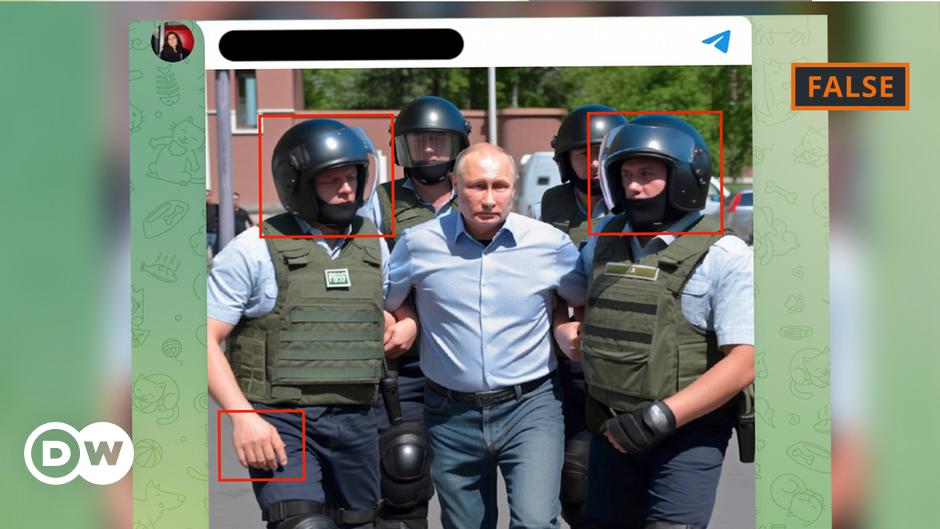
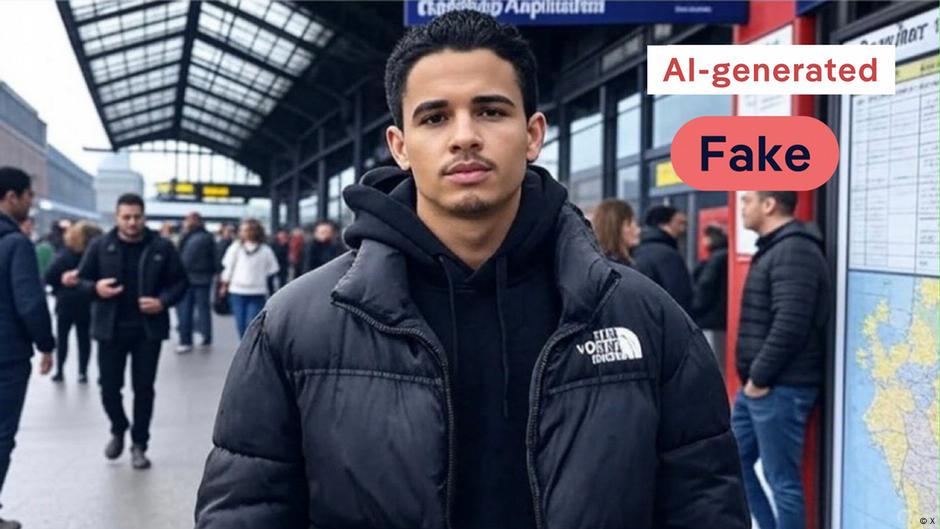
With the rise of AI-generated images, it has become easier to create photorealistic images that are actually fake, posing real dangers in terms of disinformation and propaganda. Experts suggest zooming in and looking carefully, finding the image source, paying attention to body proportions, watching out for typical AI errors, examining the background, and relying on reputable media to distinguish real events from fakes. While AI tools are evolving rapidly, they still make mistakes, especially with images that show people.

The Pope's Puffer Jacket Goes Viral Thanks to AI-generated Images

Originally Published 2 years ago — by NBC News

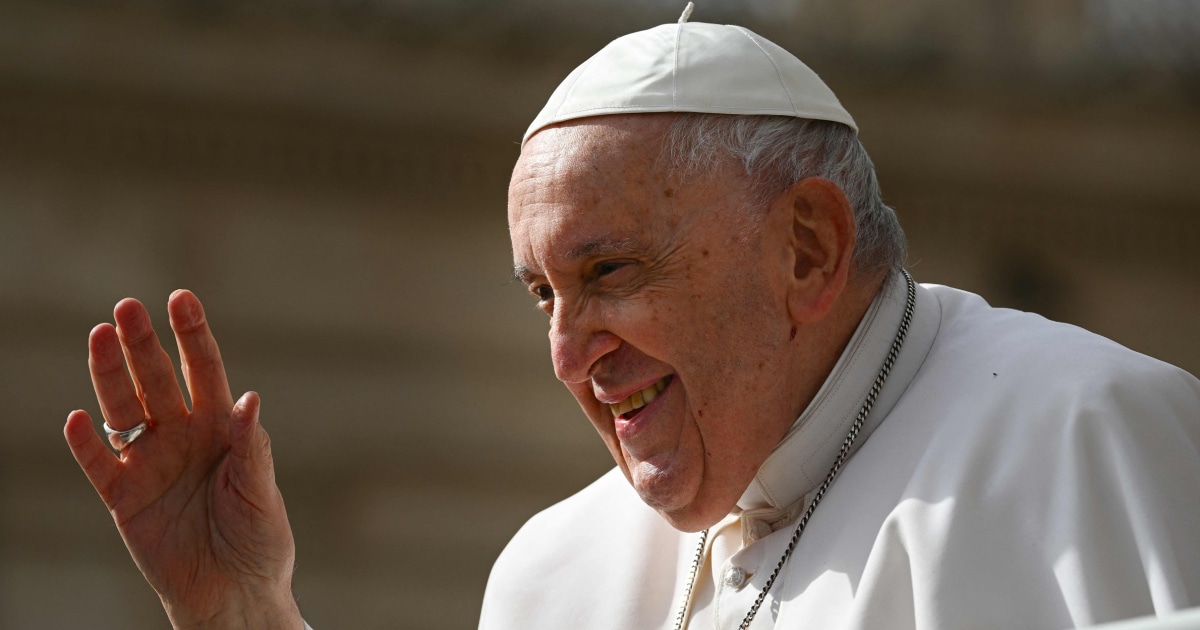
Featured image for The Pope's Puffer Jacket Goes Viral Thanks to AI-generated Images
Source: NBC News

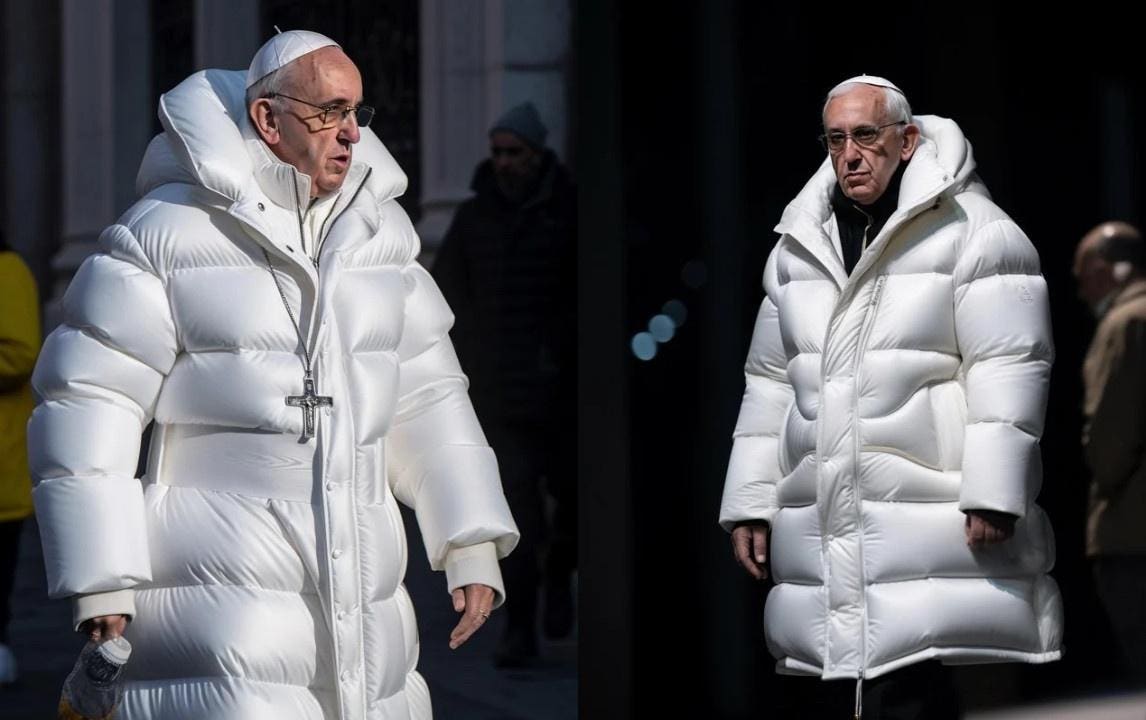
AI-generated images of Pope Francis wearing a white puffer jacket went viral on social media, fooling many users into thinking they were real. The images were created using an AI program called Midjourney and illustrate the improving realism of AI-generated images. The incident highlights the potential for wide-scale misinformation stemming from AI.

Debunking the Fake Viral Image of Pope Francis in a White Puffer Coat

Originally Published 2 years ago — by Forbes

Featured image for Debunking the Fake Viral Image of Pope Francis in a White Puffer Coat
Source: Forbes

A viral image of Pope Francis wearing a white puffer coat is completely fake and was created using an AI-image generator called Midjourney. The tool has been used to create photo-realistic images of former President Donald Trump getting arrested. AI image generators allow anyone to describe the image they want to see using text, and the images are created using millions of images from the web, including copyrighted ones. The U.S. Copyright Office recently announced that AI-created images can’t be protected by copyright.

The Dangerous Spread of Deepfake Images of Trump's Arrest.

Originally Published 2 years ago — by PBS NewsHour

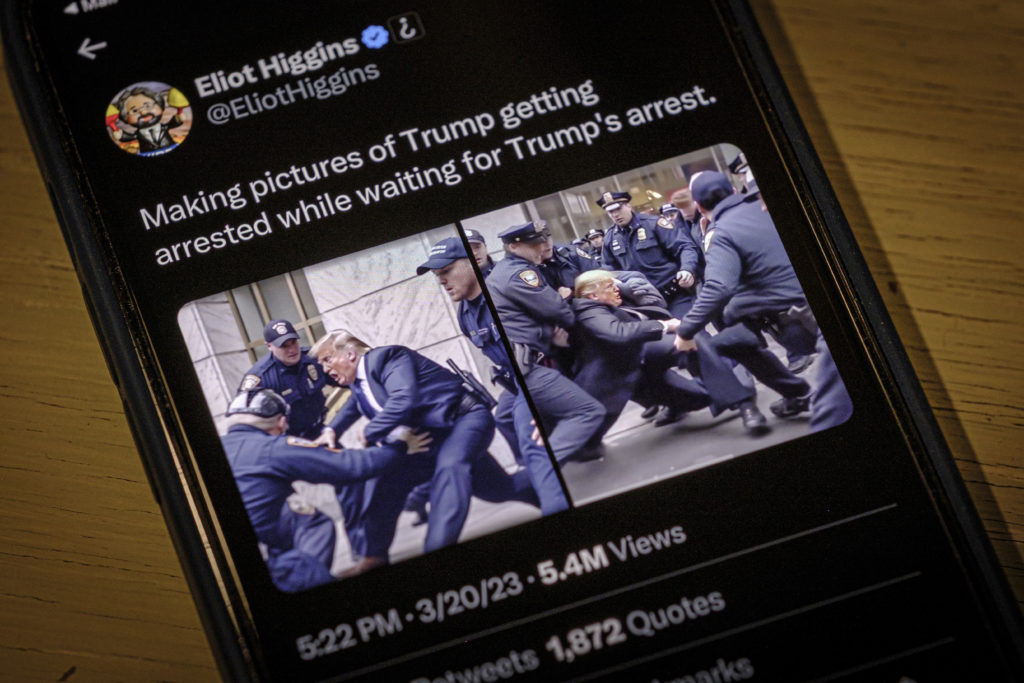
Featured image for The Dangerous Spread of Deepfake Images of Trump's Arrest.
Source: PBS NewsHour

Fake images of Trump and Putin being arrested and imprisoned have flooded social media, created using increasingly sophisticated AI image generators. Misinformation experts warn that this is a new reality, with waves of fake photos and videos flooding social media after major news events, further muddying fact and fiction at crucial times for society. The best way to combat visual misinformation is better public awareness and education, and social media companies could focus on developing technology to detect AI-generated images and integrate that into their platforms.

The Dangerous Spread of Fake AI Images Depicting Political Figures

Originally Published 2 years ago — by The Associated Press

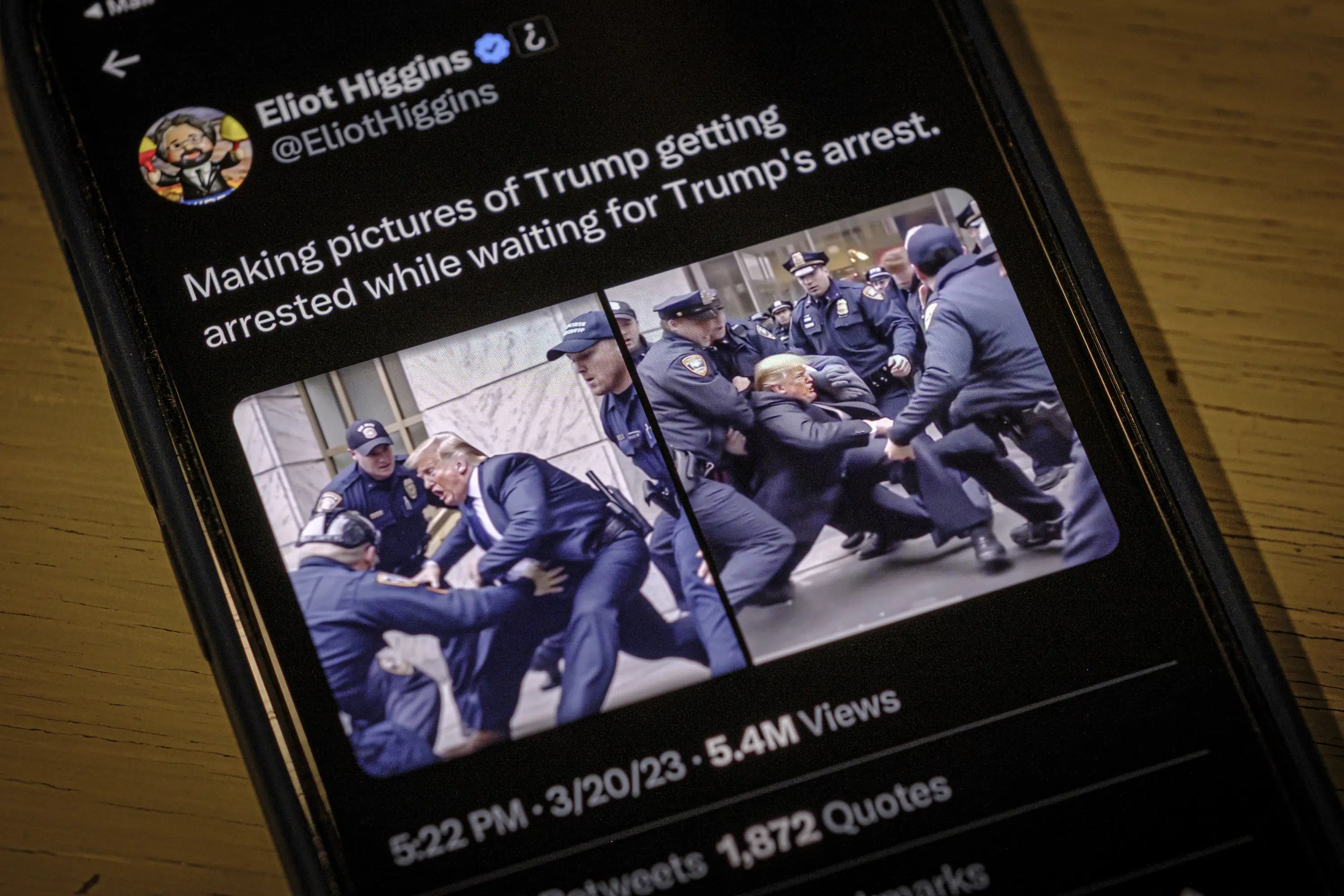
Featured image for The Dangerous Spread of Fake AI Images Depicting Political Figures
Source: The Associated Press

Fake images of Donald Trump being arrested and Vladimir Putin being jailed have been circulating on social media, created using increasingly sophisticated and widely accessible image generators powered by artificial intelligence. Misinformation experts warn that these images are harbingers of a new reality: waves of fake photos and videos flooding social media after major news events and further muddying fact and fiction at crucial times for society. The best way to combat visual misinformation is better public awareness and education, experts say.